
Understanding the Importance of Donating Kids' Clothes
The Significance of Giving Back with Kids' Clothes
Donating kids' clothes plays a crucial role in creating a positive impact within our communities. Each piece of clothing you donate can significantly aid families in need, especially those with low income, helping them provide adequate clothing for their children. The importance of these clothing donations extends beyond just practical use; they foster a sense of connection and community support.
Many donation centers and organizations accept various items, including baby clothes and items, to assist baby households. This generosity not only alleviates the immediate clothing needs of children but also contributes to larger efforts by organizations that support women and children. Through centers donation, your contributions reach those who often cannot afford new clothing.
Beyond the tangible benefits of providing clothing, donating kids' clothes can be an educational experience for children. Engaging them in the donation process can instill values of empathy and generosity, guiding them toward understanding the needs of others. By witnessing firsthand how their outgrown clothes can benefit other children, they learn a vital lesson in compassion.
Understanding the broader impact of these donations can deepen one's commitment to charitable efforts. Statistics from various organizations' annual reports consistently highlight the demand and value of donated items among rescue missions and community centers. Every clothing item counts in making someone's day better, offering the warmth, comfort, and dignity we all deserve.
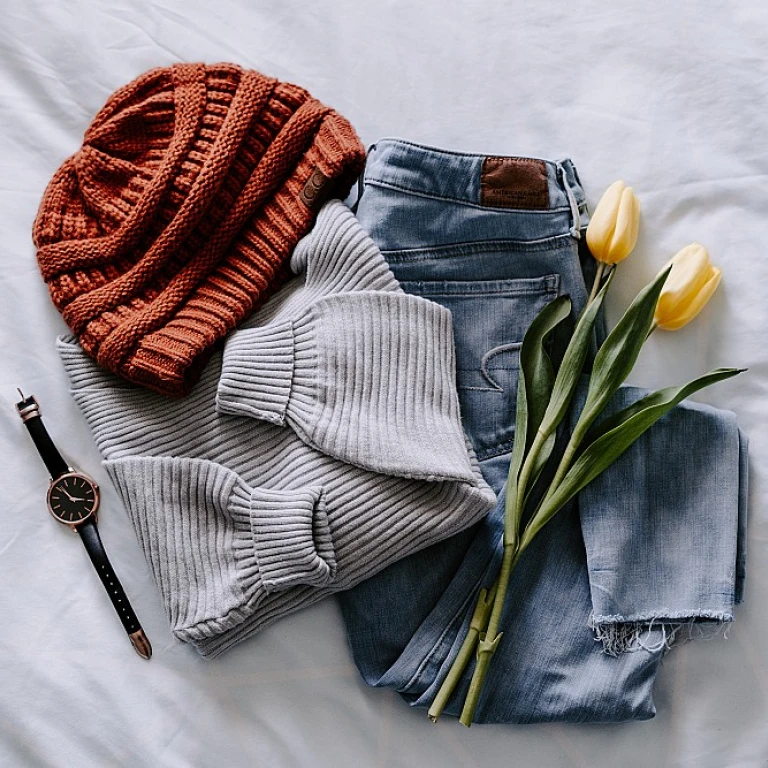
Looking to transform your current donations into meaningful acts of kindness? Explore how cozy elegance in children's fashion reminds us of the importance of dignified clothing for every child.
Finding Local Donation Centers
Discovering Nearby Donation Centers
Finding the right place to donate your children's clothing can make a significant difference in your community. Many local organizations and centers are eager to accept items in good condition, providing much-needed support to families in need. Here are some tips to help you locate the best places for your clothing donations:
- Thrift Stores: Many thrift stores, such as those run by nonprofit organizations like Habitat for Humanity and the Salvation Army, accept items including clothes and shoes. These stores often sell donated items to fund their charitable activities.
- Domestic Violence Shelters: Shelters for victims of domestic violence often accept clothing donations to help individuals and families in crisis. Contact local shelters to see what items they accept.
- Food Banks: While primarily focused on food, some food banks also accept household items and clothing donations. It's worth checking with your local banks food to see if they accept items beyond food.
- Veterans Organizations: Groups like Vietnam Veterans of America often have programs to accept clothing and household items, providing support to veterans and their families.
- Online Resources: Websites and community forums can be valuable tools for finding donation locations. Many sites list items that various organizations accept and provide details on drop-off locations.
By choosing the right place to donate, you ensure that your contributions have the maximum impact. Whether it's a thrift store or a shelter, your donations help support those in need. And if you're looking to elevate your child's style before donating, consider checking out our guide on striped high socks for a fashionable touch.
Preparing Kids' Clothes for Donation
Getting Ready to Donate: Preparing Kids' Clothes
Before you donate your children's clothing, it's important to ensure that the items are in good condition. This not only makes the donation process smoother but also ensures that the recipients can make the most of your generosity. Here's how you can prepare your kids' clothes for donation:
- Inspect Each Item: Check for any stains, tears, or damage. Only donate items that are clean and in good condition. If you wouldn't dress your child in it, it's best not to donate it.
- Wash and Fold: Give the clothes a good wash to ensure they are fresh and presentable. Neatly fold them to make it easier for the donation centers to sort and distribute.
- Sort by Category: Organize the clothes into categories such as tops, bottoms, outerwear, and shoes. This helps the donation centers, like thrift stores or nonprofit organizations, to quickly identify and distribute the items.
- Label Sizes: Clearly label the sizes on the bags or boxes. This is particularly helpful for organizations like the Salvation Army or Habitat for Humanity, which often sort donations by size.
- Consider Seasonal Needs: Think about the current season and the needs of your community. For example, winter coats and boots are in high demand during colder months.
By taking these steps, you not only support your local community but also ensure that your donations are truly helpful. Remember, your thoughtful preparation can make a significant difference in the lives of those who receive your clothing donations.
Involving Kids in the Donation Process
Engage Your Kids in the Donation Journey
Involving your little ones in the donation process can be not only a valuable teaching moment but also a fun and engaging activity for the whole family. Showing children the importance of generosity can have a lasting impact on their values and approach to their belongings. Start conversations about why donating is significant and discuss the benefits families, women, children, and even local communities gain from these initiatives. Share stories or examples of how clothing donations help those in need, touching on how organizations or centers focused on accepting donations support low-income families and other communities. Here are a few ways to involve your kids in the donation process:- Sorting Through Clothes: Invite your children to help sort through items in their closets. It will teach them how to evaluate which clothes they have outgrown or no longer need. This activity empowers them to make personal decisions and encourages mindfulness.
- Learning about Donation Centers: By researching local donation centers that accept clothing donations, you can introduce your children to local organizations working to assist others, like a rescue mission or a nearby center donation drop location.
- Visiting Drop Locations: Allow your kids to come along when taking the clothes to donation drops. Seeing the actual location can make the process more tangible for them.
- Creating New Uses for Unwanted Items: Before donating, brainstorm ways to repurpose items creatively with your children. Making something new out of old clothes can be a fun DIY project and a fantastic way to save on waste. This encourages sustainable habits.
Fashionable Ways to Repurpose Unwanted Clothes
Creative Ways to Give New Life to Old Clothes
Donating kids' clothes is a wonderful way to support your community, but sometimes, you might want to explore creative options to repurpose those items before they leave your home. Here are some fashionable ways to breathe new life into unwanted clothing:
- DIY Projects: Transform old t-shirts into tote bags or pillowcases. This not only helps reduce waste but also provides a fun activity for children to engage in.
- Patchwork Creations: Use fabric scraps from various clothing items to create a unique quilt or blanket. This is a great way to preserve memories and create something beautiful.
- Costume Play: Encourage imaginative play by turning old clothes into costumes. With a little creativity, a simple dress can become a princess gown or a superhero cape.
- Art Projects: Use fabric pieces for art projects. Children can create collages or use them as canvases for painting, fostering creativity and reducing waste.
By repurposing clothes, you not only help the environment but also teach children the value of creativity and sustainability. These activities can complement your efforts in finding local donation centers and preparing clothes for donation, making the entire process more engaging and meaningful for the whole family.
The Impact of Your Donations
The Ripple Effect of Your Generosity
Donating kids' clothes might seem like a small gesture, but it creates a significant impact on your community and beyond. When you donate items, you are not only providing essential clothing to children in need but also supporting various nonprofit organizations and services that rely on these donations to operate.
Many organizations, such as the Salvation Army and Habitat for Humanity, accept items including clothing donations to help families facing domestic violence or financial hardships. By choosing to donate, you are directly contributing to these causes, offering a lifeline to those who need it most.
Strengthening Community Bonds
Local thrift stores and donation centers often serve as community hubs, bringing people together for a common cause. When you drop off your children's clothes at these locations, you are fostering a sense of community support and solidarity. This act of kindness encourages others to participate, creating a cycle of giving that strengthens community ties.
Environmental Benefits
Donating clothes also has a positive environmental impact. By giving your children's gently used clothing a new life, you are reducing waste and promoting sustainable fashion practices. Thrift stores and organizations like Vietnam Veterans of America and Goodwill accept items in good condition, ensuring that these clothes don't end up in landfills.
Empowering the Next Generation
Involving your children in the donation process, as discussed earlier, teaches them valuable lessons about empathy and social responsibility. They learn the importance of helping others and the impact their actions can have on the world around them. This experience can inspire them to continue supporting charitable causes as they grow.
Ultimately, your clothing donations are more than just items; they are a powerful tool for change, offering hope and support to those in need while nurturing a culture of generosity and care within your community.