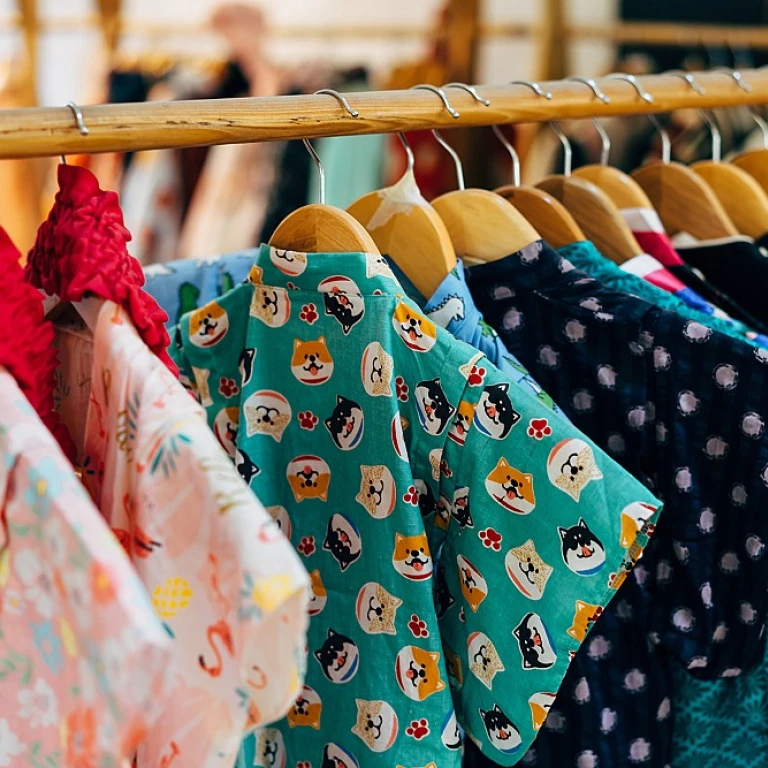
Understanding the impact of fashion on children's self-esteem
How Clothing Choices Shape Confidence
Children’s fashion is more than just picking out cute outfits. The clothes kids wear can have a real impact on how they see themselves and how they interact with the world. According to research published in the Journal of Experimental Social Psychology, clothing can influence self-perception and behavior, even in young children. When kids feel comfortable and proud of what they’re wearing, it boosts their self-esteem and encourages positive social interactions.
Comfort as a Foundation for Self-Expression
Comfort is key in kids’ fashion. When children are at ease in their clothes, they’re more likely to participate in activities, express themselves, and build self-confidence. Soft fabrics, flexible fits, and weather-appropriate layers help kids focus on fun rather than fussing with their outfits. For example, knit caps for kids are a great way to keep little ones cozy and stylish during seasonal transitions.
Encouraging Individuality Through Wardrobe Choices
Allowing kids to have a say in their clothing choices fosters independence and creativity. When children select their own outfits, they learn to make decisions and express their unique personalities. This process can be guided by offering options that balance comfort, style, and practicality. Over time, these choices help shape a child’s sense of identity and confidence.
- Let kids mix and match colors and patterns
- Encourage them to choose accessories that reflect their interests
- Support their preferences while ensuring clothes are suitable for the season
Fashion as a Tool for Positive Development
Ultimately, the right clothing can empower children to feel good about themselves. As we explore topics like balancing comfort and style, encouraging creativity, and making ethical choices in kids’ fashion, it’s clear that what children wear is closely linked to their self-esteem and overall well-being.
Balancing comfort and style in kids fashion
Choosing Fabrics That Support Play and Style
When it comes to kids' fashion, finding the right balance between comfort and style is essential. Children are constantly on the move, so their clothes need to support their active lifestyles while also reflecting their personalities. Soft, breathable fabrics like cotton and bamboo blends are popular choices for everyday wear, as they allow for flexibility and help regulate body temperature. For special occasions, lightweight knits or jersey materials can offer a polished look without sacrificing comfort.
Design Features That Matter
- Elastic waistbands: These make it easy for kids to dress themselves and provide a snug fit without restricting movement.
- Tagless labels: Reducing irritation, tagless designs are a small detail that can make a big difference in comfort.
- Adjustable straps and cuffs: These features allow for growth and ensure a better fit over time.
Style Without Compromise
Trendy designs and vibrant colors can be incorporated into kids' wardrobes without compromising on comfort. Look for playful prints, fun patterns, and unique details that let children express themselves. Layering is another way to add style and adapt to changing weather, making it easier to transition between seasons. Remember, the goal is to help kids feel confident and comfortable in their clothes, which supports their self-esteem and creativity.
Family Influence and Shared Choices
Family preferences often play a role in selecting kids' outfits. Involving children in the decision-making process can foster independence and encourage them to develop their own sense of style. For more insights on how family dynamics shape kids' fashion choices, check out this article on embracing family in kids fashion.
Encouraging creativity through personal style
Fostering Individual Expression Through Wardrobe Choices
Encouraging children to explore their personal style is more than just a fun activity—it’s a valuable way to nurture their confidence and self-expression. When kids are given the freedom to choose their outfits, they learn to communicate their personalities and preferences, which can positively impact their self-esteem and sense of identity. According to research published in the Journal of Genetic Psychology, allowing children to make choices in their clothing can foster independence and creativity.
- Mix and Match: Letting kids combine different patterns, colors, and textures helps them develop a unique sense of style. For example, pairing a bold graphic tee with classic denim or adding playful accessories like hats and scarves can make everyday outfits feel special.
- Seasonal Layering: As seasons change, layering becomes an opportunity for creativity. Lightweight jackets, vests, and colorful cardigans not only provide comfort but also allow for playful experimentation with looks.
- Involving Kids in Shopping: Including children in the process of selecting clothes—whether online or in-store—empowers them to make choices that reflect their tastes and needs. This involvement can also be a great way to discuss topics like sustainability and ethical fashion, as highlighted in other parts of this guide.
Brands that prioritize playful designs and versatile pieces make it easier for children to express themselves. For instance, Zucchini Clothing is gaining attention for its vibrant collections that inspire creativity while maintaining comfort and practicality.
Ultimately, supporting kids as they develop their personal style is about more than just clothes. It’s about giving them the tools to express who they are, while also considering comfort, trends, and ethical choices. This holistic approach ensures that fashion becomes a positive and empowering experience for every child.
Navigating trends while staying age-appropriate
Making Trendy Choices Work for Every Age
Kids fashion is bursting with fresh ideas every season, but not every trend is right for every age group. Parents and young fashion enthusiasts often wonder how to keep wardrobes current while ensuring outfits remain suitable for children. The key is to filter trends through the lens of age-appropriateness, comfort, and practicality.
- Adapt, don’t adopt: Instead of copying adult trends directly, look for ways to reinterpret them for kids. For example, if bold prints are in, choose playful patterns that reflect a child’s personality and energy.
- Prioritize comfort: Even the most stylish outfit should allow kids to move freely and feel at ease. Soft fabrics, easy closures, and flexible fits are essential for daily wear.
- Mix and match: Encourage creativity by letting kids combine trendy pieces with classic staples. This approach supports self-expression and helps children develop their own sense of style.
- Stay true to childhood: Avoid miniaturized versions of adult looks that may not be suitable for kids. Instead, focus on age-appropriate details like fun graphics, bright colors, and whimsical accessories.
It’s also important to consider the impact of fashion on self-esteem and creativity. When kids feel comfortable and confident in what they wear, they’re more likely to express themselves and engage with the world around them. By balancing trends with age-appropriate choices, families can enjoy the excitement of fashion without compromising on what matters most.
For those interested in sustainable and ethical choices, many brands now offer trendy options made with eco-friendly materials and responsible production practices. This not only keeps kids looking stylish but also teaches them the value of making thoughtful decisions about what they wear.
Sustainability and ethical choices in kids fashion
Making Responsible Choices in Kids’ Wardrobes
Today, more families are considering the environmental and ethical impact of their children’s clothing. Choosing sustainable kids fashion is not just a trend—it’s a meaningful way to support the planet and teach young ones about responsibility. When shopping for new outfits, it’s important to look for brands that prioritize eco-friendly materials and fair labor practices. According to the Common Objective, sustainable fashion helps reduce waste and supports better working conditions in the industry.
- Organic fabrics: Clothes made from organic cotton or bamboo are gentle on sensitive skin and have a lower environmental footprint.
- Recycled materials: Many brands now offer jackets, tees, and even socks made from recycled fibers, reducing landfill waste.
- Durability: High-quality garments last longer, meaning fewer replacements and less waste over time.
- Ethical production: Look for certifications like Fair Trade or GOTS, which ensure workers are treated fairly and paid properly.
Parents and young fashion enthusiasts can also embrace sustainability by swapping clothes with friends, donating outgrown items, or upcycling old favorites. These habits encourage creativity and reinforce the value of mindful consumption, connecting with the broader themes of comfort, creativity, and self-expression in kids’ fashion. For more information on sustainable choices, the Fashion Revolution campaign offers helpful resources and guides.
The role of diversity and representation in kids fashion
Celebrating Every Child’s Unique Identity
Diversity and representation are essential in today’s kids fashion landscape. When children see themselves reflected in clothing campaigns, catalogs, and product_part, it helps build confidence and a sense of belonging. Fashion brands are increasingly showcasing a wide range of backgrounds, body types, and abilities, which sends a powerful message: every child deserves to feel seen and valued.
- Inclusive sizing: Offering a variety of fits ensures all kids can enjoy the latest trends comfortably.
- Cultural representation: Patterns, colors, and styles inspired by different cultures help children appreciate their heritage and learn about others.
- Adaptive clothing: Designs that consider mobility and sensory needs make fashion accessible for everyone.
Just as comfort and creativity are important in kids fashion, so is the visibility of diverse identities. When brands prioritize representation, it not only supports children’s self-esteem but also encourages empathy and understanding among peers. Parents and young fashion enthusiasts can look for brands that highlight diversity in their product_part and marketing, ensuring that every child feels included in the world of style.