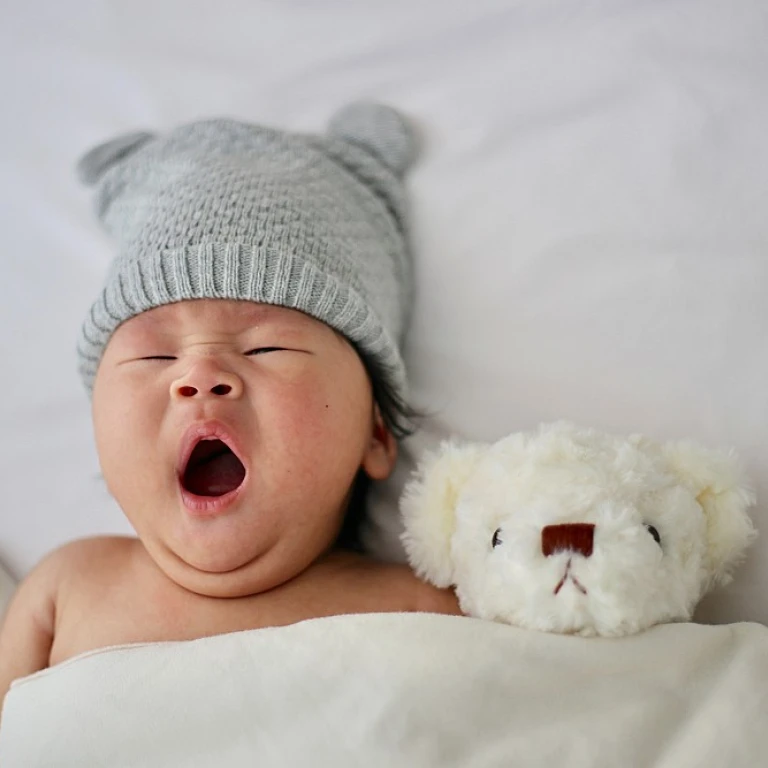
What does size 70 mean in baby clothes
Understanding the Number Behind Baby Clothing Sizes
When shopping for baby clothes, you’ll often see numbers like 70, 80, or 90 on the tags. But what does size 70 actually mean in baby clothing? Unlike adult sizes like S, M, or XXL, baby clothing sizes are usually based on the baby’s height in centimeters. So, size 70 refers to clothes designed for babies who are about 70 centimeters tall. This system helps parents and caregivers find the right fit based on a baby’s actual size, rather than just age or weight.
It’s important to know that baby clothes sizing can be confusing, especially for new parents. Size 70 is not just about height—it’s also about making sure the clothes fit your baby’s chest, waist, and hip measurements comfortably. Most brands include a size chart or guide that lists the recommended age, height, and weight for each size. For example, size 70 often fits babies around 6 to 12 months old, but this can vary depending on the brand and your baby’s unique proportions.
When you’re looking at baby clothing, you’ll also notice that some brands use months (like 6-12 months) or lbs (pounds) to indicate sizing. However, using the height in centimeters, like size 70, is considered more accurate because babies grow at different rates. If you’re unsure, always check the clothing sizes chart or guide provided by the brand to match your baby’s height, weight, chest, and waist measurements for the best fit.
For parents who want to shop smart and avoid common sizing mistakes, it’s helpful to understand how these numbers work. If you’re looking for more tips on choosing the right fit, or want to explore stylish options for your baby, keep reading the next sections. And if you’re curious about how to keep your outings both functional and fashionable, check out this guide to the pink bow diaper bag for stylish outings—a favorite among parents who love both practicality and style.
Age and measurements for size 70
Understanding the Typical Age and Measurements for Size 70
When shopping for baby clothes, size 70 is a common label you’ll see, especially in European baby clothing. But what does it really mean in terms of your baby’s age, height, and weight? Let’s break down the details so you can confidently choose the right fit for your little one.
- Age range: Size 70 usually fits babies aged 6 to 12 months. However, some brands may suggest it for babies as young as 3 months or as old as 18 months, depending on their sizing chart.
- Height: Most size guides list size 70 for babies measuring about 26 to 28 inches (66 to 72 cm) in height.
- Weight: The typical weight range for size 70 is around 16 to 20 lbs (7.5 to 9 kg).
These measurements are a general guide. Babies grow at different rates, so it’s always best to check the specific size chart provided by the brand. Some brands also include chest, waist, and hip measurements, which can help you get a more accurate fit. For example, you might see chest waist measurements or even head circumference and inseam details on certain clothing sizes.
If you’re looking for a more detailed breakdown of newborn sizing and gentle style options, check out this guide to Mayoral newborn clothing for your baby’s first outfits.
| Size | Age (months) | Height (inches) | Weight (lbs) |
|---|---|---|---|
| 70 | 6-12 | 26-28 | 16-20 |
Remember, these numbers are a starting point. Always consider your baby’s unique height weight proportions, and don’t forget to check for comfort around the waist hip and chest waist areas. If you’re shopping for shoes, look for a shoe size chart specific to babies, as foot length can vary just as much as clothing sizes.
How sizing varies between brands
Why baby clothing sizes differ from brand to brand
When shopping for baby clothes, you might notice that size 70 can fit differently depending on the brand. This is because there is no universal sizing standard for baby clothing. Each brand may use its own size chart, which means the same labeled size can have different measurements for height, weight, chest, waist, and hip inseam. For example, one brand’s size 70 might be designed for babies aged 6 to 12 months, while another could target 9 to 18 months. Always check the brand’s specific size guide before buying.
- Height and weight ranges: Some brands focus on baby’s height in inches or centimeters, while others prioritize weight in lbs or kg.
- Chest, waist, and hip measurements: European baby brands often include chest waist and waist hip measurements, while US brands may only list age or months lbs.
- Fit and style: The intended fit (snug, relaxed, or oversized) can also affect how size 70 fits your baby. For example, coveralls or rompers may have more room for movement than fitted tops or leggings.
It’s a good idea to compare your baby’s height weight and head circumference to the brand’s size chart. This helps you find the best fit, especially when shopping online or for special items like shoes or outerwear. If you’re curious about how different styles, like coveralls, can impact fit, check out this guide to toddler coveralls for more insights.
Remember, babies grow quickly, and sizing up may be necessary if your baby is between sizes or if you want the clothing to last longer. Always review the size chart and consider your baby’s current measurements for the best fit.
Choosing the right fit for your baby
Finding the Best Fit for Your Baby’s Comfort
When shopping for baby clothes in size 70, it’s important to remember that every baby grows at their own pace. Even if your baby is within the typical age or weight range for this size, their unique body shape—like chest, waist, and hip measurements—can affect how clothing fits. Here are some practical tips to help you choose the right fit:
- Check the size chart: Always refer to the brand’s size guide. Size 70 usually fits babies around 6 to 12 months, with a height of about 26 to 28 inches and a weight between 17 and 22 lbs. But sizing can vary, so compare your baby’s height, weight, and chest waist measurements to the chart before buying.
- Consider the fabric: Soft, stretchy materials offer more flexibility and comfort, especially for babies who are active or growing quickly. Look for clothing that allows room for movement and growth.
- Account for layering: If you plan to dress your baby in layers, like a bodysuit under a romper, you might want to size up. This ensures the clothes aren’t too tight around the waist or chest.
- Try before you buy (if possible): When shopping in-store, gently stretch the clothing at the chest, waist, and hip inseam to check for comfort. For online shopping, read reviews about fit and sizing accuracy.
- Don’t forget about shoes: If your baby is starting to stand or walk, check their shoe size separately. Baby shoe sizes don’t always match clothing sizes, so measure your baby’s foot length in inches and compare it to a shoe size chart.
Remember, the right fit is about more than just age or months lbs. It’s about your baby’s height weight, chest waist, and how comfortable they feel in their clothes. Prioritize comfort and ease of movement, and don’t hesitate to try different sizes if your baby is between sizes or has a unique body shape. Keeping these tips in mind will help you shop confidently for baby clothing that fits well and looks adorable.
Style tips for babies wearing size 70
Easy Ways to Dress Up Size 70 Outfits
When your baby fits into size 70 clothes, you have a lot of fun options to make their outfits both practical and stylish. This size is often for babies around 6 to 12 months, depending on their height and weight. Here are some simple tips to help your little one look adorable and feel comfortable:- Mix and Match: Pair size 70 tops with soft leggings or pants. Look for clothing with gentle waistbands that fit well around the waist and hips, especially as babies start to move more.
- Layering: Add a cardigan or a light jacket over a bodysuit for cooler days. Layering is great for adjusting to changing temperatures and makes the outfit more interesting.
- Accessorize: Soft hats, headbands, and socks in matching colors can complete the look. For babies starting to stand or walk, check the shoe size chart to find the right fit for their growing feet.
- Choose Prints and Colors: Don’t be afraid to play with patterns and bright colors. Stripes, animal prints, and playful graphics look great on baby clothing and can be mixed for a fun style.
- Comfort First: Always check the size guide and clothing sizes chart before you shop. Babies grow fast, so make sure there’s a little room in the chest, waist, and hip inseam for movement and growth.
Finding the Perfect Fit for Every Occasion
Whether you’re dressing your baby for a family photo or a day at home, the right size and fit make a difference. For special events, choose soft fabrics that won’t irritate your baby’s skin. Look for details like snaps or zippers that make changing easy. If you’re unsure about the right size, measure your baby’s height, weight, and chest waist to compare with the size chart. Remember, European baby clothing sizes may use centimeters, so check the size height and head circumference as well. A quick guide:| Size | Age (months) | Height (inches) | Weight (lbs) | Chest (inches) | Waist (inches) |
|---|---|---|---|---|---|
| 70 | 6-12 | 26-28 | 16-20 | 17-18 | 17-18 |
Common mistakes to avoid when buying baby clothes
Frequent pitfalls when shopping for baby sizes
- Assuming all size 70 clothes fit the same: Sizing can differ between brands and regions. Always check the size chart and compare your baby’s height, weight, chest, and waist measurements to the guide provided by each brand. A European baby size 70 may not match an Asian or US size 70.
- Ignoring your baby’s growth rate: Babies grow fast, especially in the first 12 months. If your baby is close to the upper limit of the size 70 range in lbs or inches, consider sizing up for longer wear. This is especially true for items like baby clothing sets and shoes.
- Overlooking key measurements: Don’t rely only on age or months. Babies of the same age can have different height, weight, chest, waist, and hip inseam measurements. Use a tape measure for accurate sizing, and check the size guide for chest waist and waist hip details.
- Forgetting about layering: If you plan to layer baby clothes, like bodysuits under rompers, allow extra room for comfort. Tight clothing can restrict movement and cause discomfort.
- Not checking return policies: Clothing sizes and fit can be unpredictable. Before you shop, review the store’s return or exchange policy, especially for online purchases. This is helpful if the size or fit isn’t right for your baby.
- Neglecting shoe size and head circumference: For a complete outfit, remember to check shoe size and head circumference. Shoes that are too tight or loose can affect walking, and hats that don’t fit can be uncomfortable.
- Confusing size labels: Some brands use months (like 6-12 months), others use height in inches or centimeters, and some use weight (lbs or kg). Always refer to the size chart and size guide for clarity.
By keeping these tips in mind, you’ll avoid the most common mistakes and ensure your baby’s clothing, from size 70 to XXL, fits comfortably and stylishly as they grow.