Why winter boots are the one pair you cannot rush
Parents often grab the first winter boots that look cute and vaguely warm. The problem is that a stylish boot without proper insulation, traction and waterproof protection will fail the first week of real winter weather. For fashion kid passionate readers, this kids winter boots buying guide starts with one rule; boots must work harder than the coat, because they carry the entire outfit across the terrain.
Think about your child’s actual winter season; school runs on icy sidewalks, playgrounds layered with dry snow, slush at the park and maybe a weekend of light winter hiking. A winter boot that only handles one type of terrain is a wardrobe weak link, no matter how chic the color or brand. The best winter boots for style savvy kids balance a rugged profile, warm insulation and flexible soles so little feet can move naturally and keep their own warmth.
For toddlers and big kids alike, fit is the quiet luxury that matters most. A rugged boot that is half a size too big will make the heel slip, the gait clumsy and the trip risk real, even if the boots keep feet warm. A truly expert kids winter boots buying guide always starts with fit, then checks warmth, then checks how waterproof boots will behave in regular snow and slush.
Fit first; how much growing room is actually safe
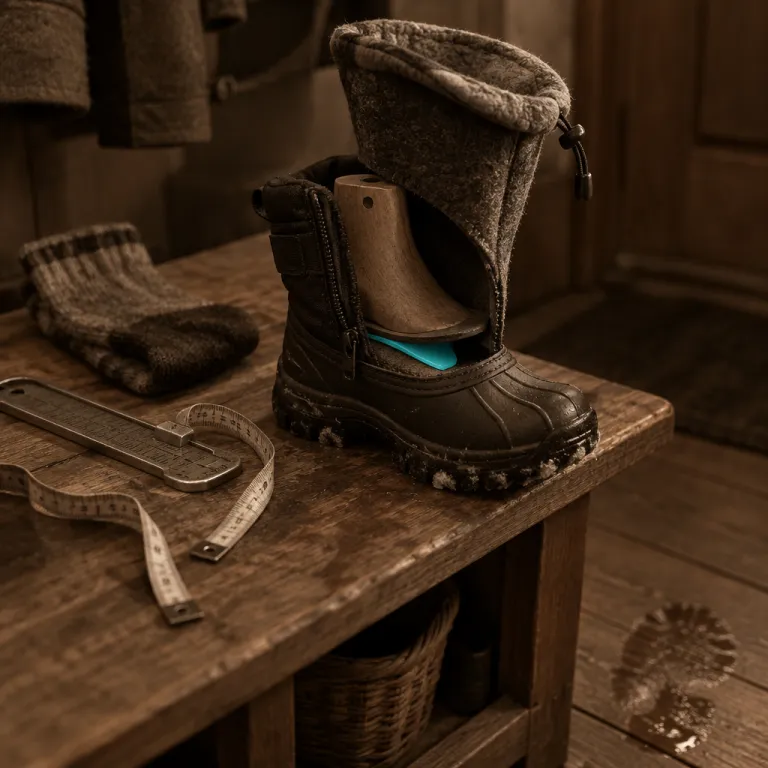
For a functional kids winter boots buying guide, start with bare feet and a tape measure. Measure both feet in the afternoon, when they are slightly larger, and use the longer measurement to choose the correct size on the brand’s chart. You want about a thumb width of space in the winter boot toe box, enough for a thick sock and a season of growth, but not so much that the boots will let the heel lift with every step.
Ask your child to stand, then slide your thumb down behind the heel inside the boot. If you can easily stack more than one thumb, the size is too generous and even the best winter boots will feel like flippers on icy terrain. If your thumb does not fit at all, the boots keep the feet too compressed, which reduces circulation and warmth, even when the insulation is technically strong.
Watch them walk and run indoors on a hard floor; the gait should look regular, not stiff or wobbly. A good winter boot flexes at the ball of the foot, not in the middle of the sole, and the traction pattern should still allow natural roll through the step. For more on building an all weather wardrobe that works with this fit first approach, study this layering system for all weather outfits and then anchor the look with warm boots that respect these fit rules.
Warmth, insulation and waterproofing; what actually keeps feet dry
Parents often confuse a puffy silhouette with real warmth, but insulation is only half the story. A boot can feel very warm in the shop and still fail outside if the upper is not truly waterproof or at least reliably water resistant in slush and wet snow. In any serious kids winter boots buying guide, warmth means a combination of insulation, lining, and a shell that keeps feet warm and warm dry for hours, not minutes.
Look for clear language; a winter boot described as waterproof should have sealed seams, a membrane or rubber lower, and a gusseted tongue that blocks water entry. Water resistant boots will handle light, dry snow and short playground sessions, but they are not enough for regular wet weather or deep puddles. When brands talk about insulation, check whether the lining is removable for faster drying, because that is what helps boots keep their performance through the whole winter season.
Match the level of insulation to your climate and your child’s activity level. In milder cities, lighter warm boots paired with wool socks will keep feet warm and flexible, while in colder regions a more rugged boot with higher insulation is justified. If you plan winter hiking with big kids, choose waterproof boots with serious traction and a slightly higher shaft, then rotate them with a lighter pair for school and use a smart hand me down strategy for winter gear so the investment works across siblings.
Independence, closures and soles that grip without bulk
Style conscious parents know that the most beautiful boots will stay in the hallway if kids cannot put them on alone. For toddlers and preschoolers, prioritize wide openings, inside zips, pull loops and simple hook and loop straps over complex lacing systems that are not easy with small hands. A kids winter boots buying guide that respects real life always asks; can a four year old manage this winter boot at daycare without help.
Check the sole next; you want deep enough lugs for traction on icy terrain, but not such a stiff platform that the boots work against natural movement. Ask your child to squat, climb a step and tiptoe; the sole should bend at the ball of the foot while the heel stays stable. When boots keep that balance, kids can run on dry snow, wet pavements and playground equipment without feeling like they are wearing ski boots.
Independence also means weight; a rugged boot can still feel light if the materials are well chosen and the profile is not overbuilt. For big kids who insist on a sleeker silhouette, look for warm boots with hidden insulation and a slim rubber shell that remains fully waterproof. As you refine your own kids winter boots buying guide, remember that closures, weight and grip are as critical as insulation, and that regulatory changes such as the CPSC e filing mandate explained in this article on new US import rules for children’s clothing also influence which waterproof boots reach your favorite boutiques.
Matching the boot to climate, terrain and the winter season arc
One pair of winter boots rarely does everything perfectly, so think in phases. Early winter season days with mostly dry snow and cold pavements call for a lighter winter boot that focuses on traction and moderate insulation. Deep mid season cold, when weather swings between powder and slush, demands a more rugged boot that is fully waterproof and lined to keep feet warm even when kids stand still at the playground.
Map your child’s week; school, park, weekend trips, maybe occasional winter hiking on easy terrain. For city kids, a sleek, water resistant boot with strong traction might be enough for regular use, with a second pair of fully waterproof boots reserved for snow days. In snow belt regions, reverse the logic; the primary winter boots should be waterproof boots with serious insulation, while a lighter pair handles indoor heavy days and quick errands.
Think about hand me downs too; a well built winter boot style with classic lines will move easily from toddlers to big kids if you store it correctly and check that the insulation has not compacted. When parents talk about a kids winter boot silhouette, they usually mean a rounded, roomy toe and a shaft that is high enough to block snow but still easy to pull on. In any kids winter boots buying guide, the goal is simple; choose boots that keep feet warm, warm dry and stable from the first frost to the last February puddle, not what photographs well, but what survives the playground.
FAQ
How much growing room should I leave in kids’ winter boots?
Leave about a thumb width of space between the longest toe and the front of the boot when your child is standing. This allows for a thick sock and a few months of growth without causing heel slip. If the heel lifts noticeably when they walk or run, the size is too large for safe winter terrain.
Are waterproof boots always better than water resistant styles for kids?
Fully waterproof boots are better for climates with frequent slush, puddles and wet snow because they keep feet warm dry for longer. Water resistant boots can be enough for short outings in mostly dry snow or cold but clear weather. Choose based on your regular winter season conditions rather than the most technical label.
How can I tell if my child’s winter boots have enough traction?
Look for a rubber sole with deep, varied lugs and channels that can grip both packed snow and wet pavement. When you press the sole with your hands, it should feel slightly flexible rather than like a rigid block. During a home test, your child should be able to start, stop and turn quickly on a smooth floor without sliding.
When should I replace winter boots mid season?
Replace boots if your child’s toes are touching the front when standing, if the heel rubs and causes blisters, or if the sole has worn smooth and lost traction. Also consider a new pair if the upper is no longer waterproof and the lining stays damp after normal drying time. Comfort, safety and the ability to keep feet warm should guide the decision more than the calendar.
Do toddlers need different winter boots than big kids?
Toddlers benefit from lighter, more flexible boots with very easy closures, because their gait is still developing and they fall more often. Big kids can handle slightly more rugged boot constructions and higher shafts, especially for winter hiking or long outdoor play. In both cases, prioritize fit, traction and waterproof protection over decorative details.