Choosing frames and fit for active, fashion conscious kids
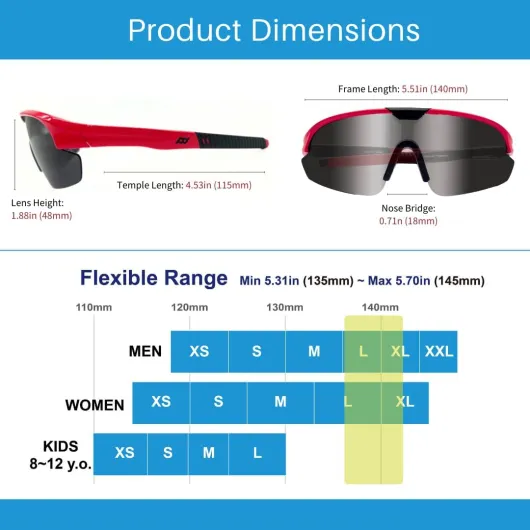
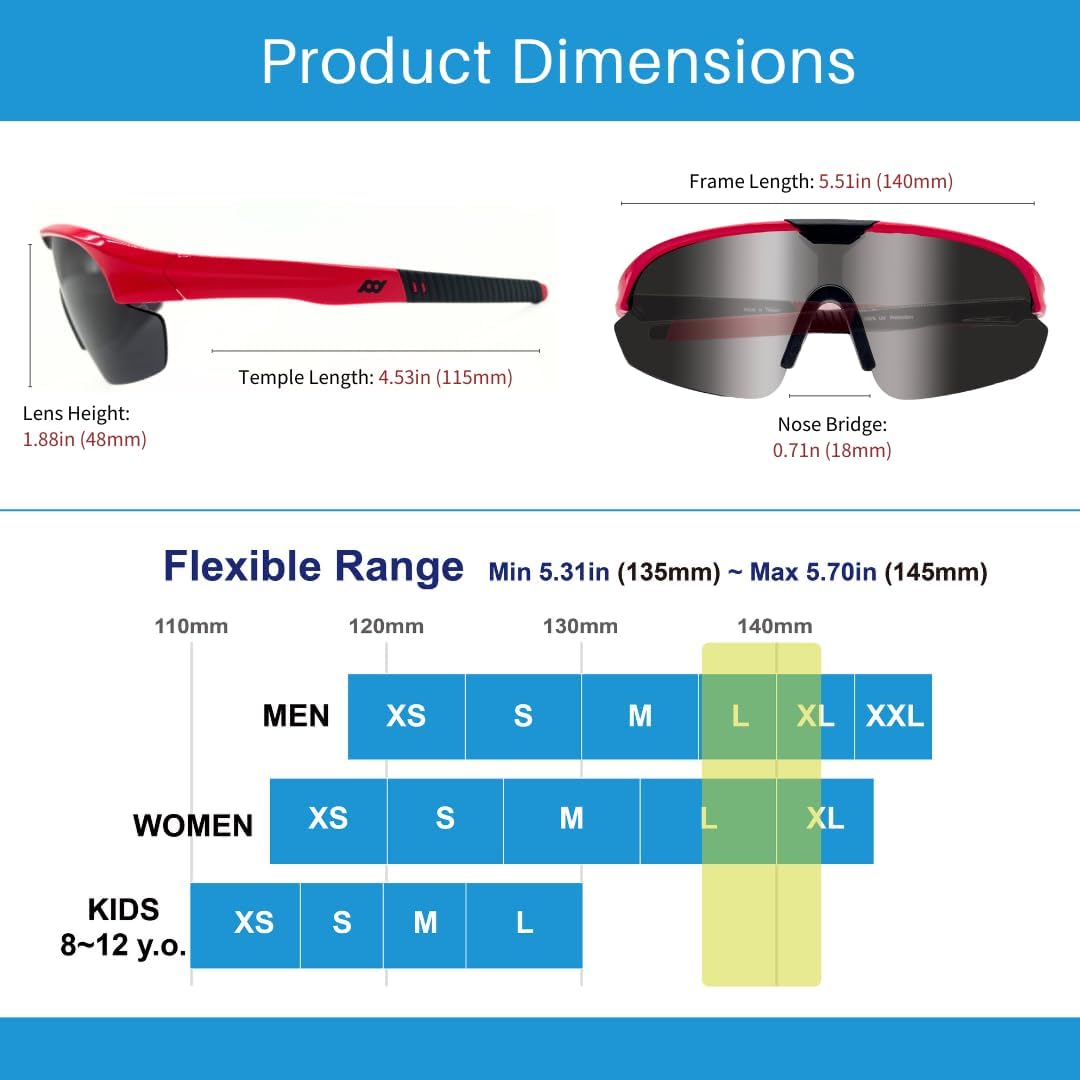
Even the best sunglasses fail if the frame does not fit a child’s face securely. A good frame should sit straight, with nose pads or a molded bridge resting comfortably without leaving red marks after twenty minutes of wear. The temples must hug the head lightly so the glasses stay stable during sports without pinching behind the ears.
For very active children, nylon frames are often the best everyday choice because they combine light weight with impressive impact resistance. These flexible frames bend slightly under pressure instead of snapping, which matters when kids toss a pair into a backpack or drop sunglasses on the playground. Look for models that advertise both scratch resistant lenses and tested impact resistance, since this combination extends the life of each pair and keeps the price reasonable over a full season.
When you compare price points, remember that expensive sunglasses are not automatically the best for kids. A mid range pair sunglasses with high UV protection, polarized lenses, and durable nylon frames can provide excellent performance for school, holidays, and weekend sports. Reserve truly premium pairs for older fashion kid passionate wearers who can care for a sunglass collection like they would a watch or a kids smart accessory such as a durable GPS watch.
Fit checks that every parent and young stylist should know
Start by asking the child to shake their head gently while wearing the sunglasses, then look down and up. If the frames slide down the nose or lift away from the cheeks, the fit is wrong and the glasses will not protect eyes consistently in real life. The best sunglasses stay aligned with the eyebrows and cover the full eye socket, leaving no big gaps at the sides where visible light can leak in.
Next, check how the nose pads or molded bridge sit on the skin, because comfort determines whether kids keep a pair on during long outings. Soft rubber nose pads can help a light frame grip better on small noses, especially when children sweat during sports or beach games. Avoid frames that touch the eyelashes, since this constant contact makes lenses smudge quickly and reduces optical clarity just when kids need sharp vision for running or climbing.
Finally, pay attention to how the temples interact with hats, helmets, and hair accessories. For cycling or skateboarding, slim temples that slide easily under a helmet strap are the best everyday option, while thicker temples can suit casual sunglasses worn with streetwear looks. Encourage kids to test different pairs with their usual gear so they understand how frame shape, light conditions, and outfit choices all work together.
Matching top sunglasses with kids outfits and color stories
For a fashion kid passionate about styling, sunglasses are not just protection, they are a storytelling accessory. The best sunglasses can echo a sneaker stripe, balance a bold jacket, or soften a graphic tee, turning a simple look into a considered ensemble. When you treat each pair as part of a color palette, you help children learn visual harmony as naturally as they learn to tie their shoes.
Neutral frames in black, tortoiseshell, or soft beige work as the best everyday base because they complement most wardrobes without clashing. Once a child has one versatile pair sunglasses, you can add bolder frames in red, cobalt, or neon that they reserve for special outfits or weekend sports events. To refine these choices, many stylists use color theory principles similar to those explained in guides about building a kids wardrobe palette that mixes without clashing.
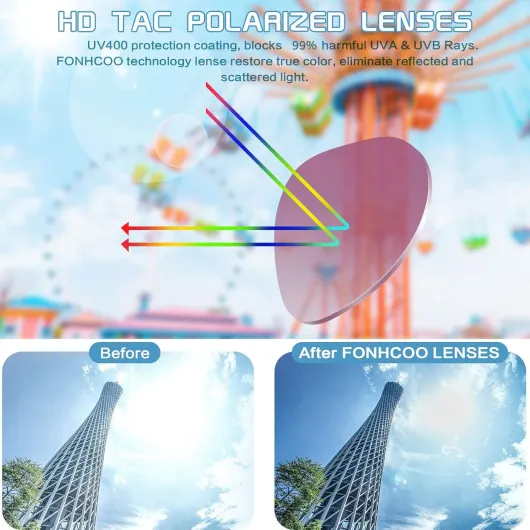
Lens tints also influence how a look feels, especially in close up photos. A grey lens keeps colors true and works well with graphic streetwear, while a warm brown lens softens denim and knitwear for a more casual mood. For beach or pool outfits, mirrored polarized lenses can add a playful futuristic touch, but make sure the frame still offers full sun protection and does not become just a shiny toy.
Coordinating sunglasses with hair and accessory choices
Hair accessories and sunglasses often compete for space, so coordination matters for both comfort and style. If a child loves high ponytails, headbands, or detailed clips, choose frames with slimmer temples that slide easily between hair and accessories without tangling. For kids who prefer minimal hair styling, bolder temples or color blocked frames can become the main statement near the face.
Parents looking to build a complete accessory kit can pair the best sunglasses with curated hair pieces from specialized selections such as top hair accessories for kids. Matching the tone of the frames to a favorite barrette or scrunchie helps young fashion lovers understand how repetition of color creates cohesion in an outfit. This approach turns every pair of glasses into a teaching tool about proportion, balance, and how to frame the eyes elegantly.
When outfits include hats, caps, or visors, think about how the frame shape interacts with the brim line. Round frames can soften structured baseball caps, while square sunglasses balance floppy sun hats and wide brims. Encourage kids to experiment in front of a mirror so they see how different pairs change the mood of the same clothes under different light conditions.
Technical features that separate ordinary from top kids sunglasses
Behind every stylish pair lies a set of technical details that define whether it truly ranks among the best sunglasses for children. UV filtration, lens material, frame construction, and coatings all influence how well a sunglass can protect eyes in real world conditions. Parents who understand these specifications can compare price and value more confidently, instead of relying only on brand names or marketing claims.
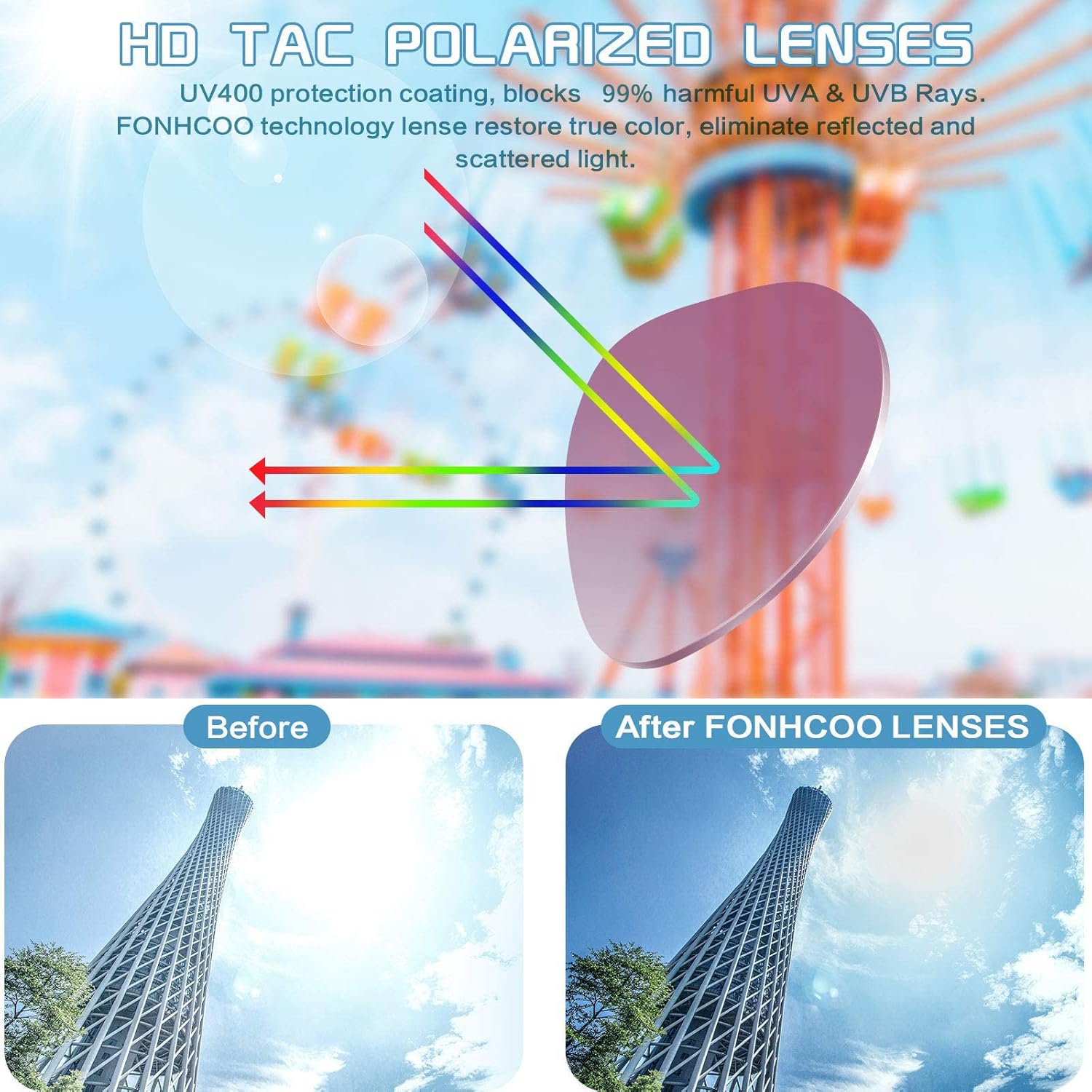
Polycarbonate and Trivex lenses are usually the best everyday materials for kids because they combine light weight with strong impact resistance. These lenses are less likely to shatter than standard plastic or glass, which is crucial when children play contact sports or climb playground structures. Many high quality kids sunglasses also feature scratch resistant coatings that help lenses survive sand, dust, and frequent cleaning with small hands.
Some advanced models offer interchangeable lenses so one frame can adapt to different light conditions and activities. A clear or lightly tinted lens can work for overcast days or indoor sports, while a darker polarized lens suits bright beach or snow environments. This system can reduce the number of pairs a child needs, but it only works if the mechanism is simple enough for them to handle without damaging the frame.
Comfort technologies kids actually notice
Anti fog treatments on lenses can make a real difference for children who move between air conditioned interiors and hot outdoor spaces. When glasses fog less, kids are less tempted to remove them, which keeps protection consistent during long days out. Hydrophobic coatings that repel water droplets also help maintain optical clarity during sudden rain or water play.
Soft, adjustable nose pads and flexible temple tips are small details that transform how a pair feels after an hour of wear. These comfort features distribute pressure more evenly, so the frames stay stable without digging into skin or leaving marks. For sensitive children, choosing a very light frame with these touches often matters more than chasing the most fashionable silhouette.
Ventilation channels near the lenses can reduce fogging during intense sports, especially when kids wear helmets or masks. Some performance oriented kids sunglasses borrow design cues from adult sports glasses, including wraparound frames that block side light and wind. When these elements are scaled correctly for smaller faces, they provide excellent coverage without overwhelming delicate features.
Brand stories, price points, and teaching kids to value quality
Many fashion kid passionate readers know iconic names like Ray Ban from adult style references. While Ray Ban does offer junior lines that echo classic shapes, parents should evaluate each model on its lens quality, frame fit, and sun protection rather than logo alone. A recognizable brand can be exciting for children, but the best sunglasses for them are the ones they actually wear all day without discomfort.
At lower price points, some unbranded or store label sunglasses now meet high safety standards, including full UV filtration and decent impact resistance. These options can be ideal for very young kids who may lose or break pairs frequently, because the financial risk stays manageable while protection remains strong. Reserve more expensive sunglasses for older children who show they can care for accessories, store them in cases, and respect the value of a well made pair.
Talking openly about price, quality, and durability helps kids understand why not every pair sunglasses in a shop is equal. Explain that some glasses use better lenses with more consistent optical clarity, stronger hinges, and more resilient coatings, which justifies a higher price over time. This conversation turns shopping for sunglasses into a lesson about thoughtful consumption rather than impulse buying.
Adapting adult trends like sunglasses men styles for kids
Adult collections, including sunglasses men lines, often influence the shapes and colors that appear in kids ranges. Scaled down aviators, wayfarers, and round metal frames let children echo grown up style while still enjoying child friendly materials and fit. The key is to ensure that any mini version keeps the same level of sun protection and lens quality as the adult inspiration.
When translating these trends, designers usually swap heavy metal frames for lighter nylon frames or mixed materials that suit smaller noses and ears. They may also soften sharp angles or reduce lens size so the glasses do not overpower a child’s face. Parents can use these adaptations to talk about proportion and how the best everyday accessories respect the wearer’s scale.
Some families like to coordinate looks, choosing similar frame shapes across parents and kids for photos or events. In these cases, make sure each child still has at least one pair designed specifically for sports, with extra impact resistance and secure fit features. Fashion moments are fun, but long days in changing light conditions demand performance as well as style.
Building a mini sunglasses wardrobe for every light and lifestyle
Instead of searching endlessly for one perfect pair, many stylists now recommend a small sunglasses wardrobe for kids. This approach mirrors how adults choose different shoes for school, sports, and parties, recognizing that no single sunglass can excel in every situation. For a fashion kid passionate about details, curating two or three targeted pairs feels both practical and creatively satisfying.
A smart starter set might include one best everyday neutral pair with polarized lenses for school and city wear, one high coverage sports model with strong impact resistance, and one playful casual sunglasses style reserved for holidays or special outfits. Each pair should still offer full UV protection and good optical clarity, but the frame shapes, colors, and lens tints can vary to suit different moods. This structure keeps total price under control while giving kids the excitement of choice each morning.
Store all pairs in a dedicated box or pouch so children learn to treat their glasses like valued accessories, not disposable toys. Labeling each case by activity, such as sports, school, or beach, helps them grab the right pair quickly when light conditions change. Over time, this habit builds a sense of responsibility that will carry into how they care for future fashion items.
Seasonal and environmental factors parents should track
Sun intensity changes across seasons, but UV exposure can remain high even on cloudy days or in winter snow. Kids need reliable sun protection whenever they spend extended time outdoors, especially near water, sand, or reflective urban surfaces that bounce visible light into their eyes. A dedicated winter pair with good side coverage can be just as important as a summer beach pair.
Urban pollution, wind, and dust also influence which frames and lenses work best in a given environment. Wraparound sports styles can shield eyes from particles on busy streets, while more open casual frames may feel cooler in humid coastal climates. Parents should observe how often children rub their eyes outdoors, since frequent rubbing can signal that current glasses are not providing enough coverage or comfort.
As kids grow, schedule regular fit checks just as you would for shoes or jackets. A frame that sat perfectly last season may now pinch, slide, or leave gaps that reduce protection and comfort. Updating one pair at a time keeps the sunglasses wardrobe functional without overwhelming the family budget or the child’s sense of style.
Key figures on kids sunglasses, UV exposure, and eye health
- Studies from the American Academy of Ophthalmology report that up to 80 percent of a person’s lifetime UV exposure can occur before adulthood, which makes consistent use of the best sunglasses in childhood a critical long term health strategy.
- Research published by the World Health Organization indicates that effective sunglasses should block at least 99 percent of UVA and UVB radiation, yet market surveys show that a significant share of low price fashion glasses for kids fail to meet this standard.
- Data from the Vision Council highlight that only around one third of parents regularly ensure their children wear sunglasses outdoors, even though over 70 percent acknowledge that UV exposure can damage eyes over time.
- Sports medicine studies show that eye injuries account for an estimated 5 to 15 percent of head injuries in youth sports, and impact resistant lenses combined with wraparound frames can significantly reduce the risk of serious ocular trauma.
- Consumer research in optical retail indicates that investing in one or two high quality kids sunglasses with durable frames and scratch resistant lenses often proves more cost effective over two seasons than repeatedly replacing very low price, fragile pairs.