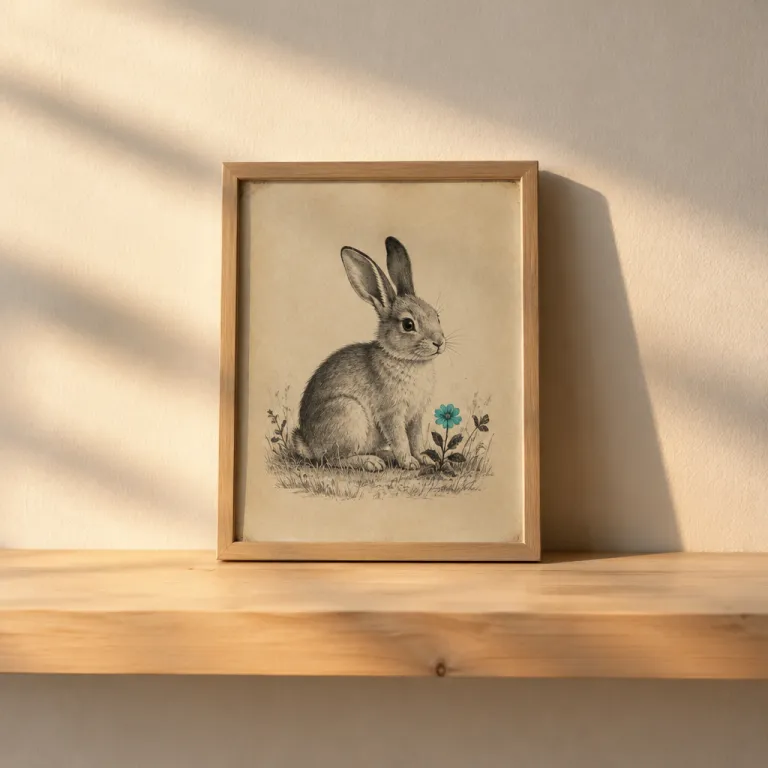
Why vintage nursery prints feel so right in kids rooms
Vintage nursery prints bring a gentle calm to any kids room. When you hang this kind of nursery art on the wall, the space instantly feels more curated and less chaotic, even when toys are scattered everywhere. Parents who love fashion for children often treat each art print as carefully as a favourite cardigan or pair of overalls.
These pieces of wall art act like a wardrobe of images, with each print telling a story that shapes the mood of the nursery in a subtle way. A single duck illustration in soft colours, printed on textured paper around 200–300 gsm, can echo the palette of a baby girl romper or a boy’s knit vest and still feel timeless. When you repeat these tones across nursery decor, from framed wall pieces to a canvas wall banner, the whole room feels styled rather than themed.
Collectors of vintage nursery pieces often look for antique inspired details such as slightly faded inks, wood toned frames, and unframed vintage edges that show the paper grain. Those details matter as much as the cut of a coat in kids fashion, because they signal quality and intention to anyone entering the nursery wall space. Treat each product like a garment on a runway, checking the print quality, the feel of the paper, and how the price reflects the craftsmanship; archival paper vintage nursery prints usually cost more but resist fading for years.
From childhood wardrobes to nursery walls : building a visual style
Stylish parents rarely separate the clothes hanging in the wardrobe from the wall decor surrounding the crib. When you choose vintage nursery prints that echo the textures of a favourite childhood hoodie or a pair of corduroy trousers, the nursery art becomes part of the outfit story. This is why many fashion focused families read guides about the timeless charm of the childhood hoodie before planning their nursery wall gallery.
Think of each art print as you would a statement jacket, because one strong piece of wall art can anchor the entire room. A framed duck illustration in muted tones, hung above a wood dresser at roughly eye level for adults, can link a baby’s organic cotton knitwear with the antique inspired decor around it. When you repeat this approach with several products, mixing framed and unframed pieces, the kids room feels layered yet still calm.
Parents who love a girl nursery with a fashion edge often pair vintage nursery posters with textiles in similar hues, such as blush muslin and caramel wool. For a baby girl, a series of unframed vintage sketches clipped to a wall hanging rail can feel as chic as a row of tiny dresses on wooden hangers. The same strategy works in a gender neutral nursery, where soft browns, creams, and sage greens in nursery decor echo the tones of classic children’s outerwear and create a cohesive colour story.
Retro storylines : from Winnie Pooh to quiet animal companions
Retro characters remain powerful tools for shaping a child’s visual world, especially when they appear in carefully chosen vintage nursery prints. A single Winnie Pooh themed art print, rendered in gentle colours, can feel more like a fashion illustration than a cartoon poster when styled correctly. The key is to treat this nursery art as you would a hero garment, giving it space on the wall and pairing it with understated decor.
Many parents curate a small gallery of nursery wall pieces that mix Winnie Pooh sketches with other animal motifs such as duck families or woodland creatures. This approach mirrors how fashion stylists mix heritage brands with contemporary labels, creating a narrative that feels both nostalgic and current in the kids room. When these products are printed on textured paper or canvas wall materials, they gain the tactile richness we associate with antique picture books and classic children’s illustrations.
To keep the nursery from feeling cluttered, limit the number of strong character images and balance them with softer, more abstract nursery decor. A framed wall piece featuring a single duck on a cream background can sit beside a more detailed Winnie Pooh scene without competing. For parents who already invest in statement overalls or snow pants, a curated set of prints becomes another way to express style, and a guide to the best kids overalls often inspires the colour stories used in nursery art.
Materials, framing choices, and the fashion logic of nursery decor
Fashion conscious parents think about materials on the wall just as carefully as fabrics on the body. When selecting vintage nursery prints, they often prioritise organic papers and inks, because these products sit close to where a baby sleeps and plays. The tactile quality of an art print on thick stock can echo the feel of a favourite wool cardigan or quilted jacket.
Framing choices follow the same logic as choosing accessories for an outfit, since a framed piece of wall art can either elevate or overwhelm the image. Slim wood frames in natural tones suit most vintage nursery illustrations, while unframed edges work well for a more relaxed, editorial look in a girl nursery or gender neutral space. Some parents prefer canvas wall formats for larger pieces, especially in a living room that flows into the nursery, because the texture feels substantial yet soft and works well with archival paper vintage nursery prints in nearby areas.
Unframed vintage posters clipped to a rail or hung as a wall hanging can feel as effortless as a scarf tossed over a chair. In contrast, a carefully framed wall composition above the crib can mirror the structure of a tailored coat in a child’s wardrobe. Mixing framed and unframed products within the same nursery creates visual rhythm, much like combining structured jackets with slouchy knits in a capsule collection, and allows you to vary sizes from small A5 pieces to larger A2 statements.
Shopping strategies : price, sale timing, and smart delivery choices
Building a collection of vintage nursery prints requires the same strategic thinking as assembling a seasonal wardrobe. Parents who follow kids fashion trends often track decor sale periods, waiting for the right price on a specific art print rather than buying impulsively. This approach allows them to save budget for standout products, such as a large framed wall piece or a limited edition canvas wall design.
When comparing prices, look beyond the headline number and consider the full cost including delivery, framing, and potential customs fees. A slightly higher price for a print on archival, organic paper with responsive customer service support can be better value than a cheaper option that fades quickly. Treat each item of wall decor as an investment piece, just as you would a high quality coat or pair of boots for a child; typical prices range from modest poster prints to premium, signed editions.
Parents who style both the nursery and the living room with coordinated wall art often buy in sets, which can help save money during a decor sale event. Ordering several products from the same maker usually reduces delivery costs and ensures consistent colour reproduction across the nursery wall and adjacent spaces. As with fashion, planning a cohesive palette before shopping prevents mismatched purchases and keeps the kids room feeling intentional rather than improvised.
Styling tips : from baby girl spaces to shared kids rooms
Designing a baby girl nursery with vintage nursery prints does not require pink walls or overtly sweet motifs. Many fashion focused parents prefer a palette of cream, caramel, and soft green, then add nursery art featuring subtle duck illustrations, florals, or antique toys. This approach keeps the girl nursery feeling refined and allows clothes in bolder colours to stand out against calmer wall decor.
Shared kids rooms benefit from a more balanced mix of imagery, where each child sees their personality reflected without the space feeling divided. One side of the nursery might feature framed wall art with Winnie Pooh scenes, while the other side shows unframed vintage landscapes or animal studies, yet the overall palette remains cohesive. In this way, the wall hanging choices function like a capsule wardrobe, with each print acting as a garment that can mix and match with others.
Parents who extend the same aesthetic into the living room often repeat one or two key art print designs there, creating a visual link between adult and child spaces. A single framed duck illustration above a reading chair can echo a larger version on the nursery wall, tying the home together through subtle repetition. For fashion kid passionate families, this level of styling turns every room into a runway for both clothes and decor, with vintage nursery prints as the quiet stars; image captions and descriptive alt text for each print help tell that story online.
Key figures shaping the market for vintage nursery prints
- Industry analysts, including Grand View Research in its multi-year “Wall Décor Market Size, Share & Trends Analysis Report” series (latest editions covering 2018–2030), estimate that the global wall decor market for home interiors is worth tens of billions of dollars, with nursery wall segments often cited as outpacing some general categories as parents invest more in curated kids spaces.
- Trend summaries from Etsy, such as the “Etsy Trend Report: Kids & Nursery Décor” (2022) and subsequent seasonal updates, indicate that searches for terms like vintage nursery and nursery art have risen strongly over several consecutive seasons, reflecting a clear shift toward nostalgic aesthetics in kids room styling.
- Organic materials play a growing role, with the global organic baby products market valued in the tens of billions of dollars and expanding steadily; this direction, highlighted in Statista’s “Global Organic Baby Products Market Value 2016–2026” dataset (accessed 2023), directly influences demand for organic paper and inks in art print production.
- Consumer surveys from major home decor retailers, summarised in Statista’s “Home Décor Purchasing Behaviour of Parents” dashboards (2021–2023), suggest that a significant share of parents now coordinate wall art with children’s clothing colours, confirming the tight link between kids fashion and nursery decor choices.
FAQ : vintage nursery prints and kids fashion styling
How do I choose vintage nursery prints that match my child’s wardrobe ?
Start by pulling three to five key colours from your child’s favourite outfits, then look for nursery art that repeats those tones in softer, slightly muted versions. This method keeps the nursery wall feeling cohesive while allowing clothes to pop against the decor. Treat each art print like a garment in a capsule wardrobe, ensuring it works with several existing pieces and supports your overall palette.
Are unframed vintage prints safe to use above a crib ?
Unframed vintage posters can be safe if they are mounted securely and kept out of reach, but most experts recommend placing heavier framed wall pieces away from the crib area. Use lightweight wall hanging systems or adhesive strips for art above sleeping zones to reduce risk. Always check that any product used near a baby meets basic safety guidelines and is fixed firmly to the wall, ideally at least 30 centimetres above grasping height.
What is the best material for nursery wall art in a baby room ?
For a baby room, many parents prefer art print designs on thick, low gloss paper or canvas wall materials that do not reflect too much light. Organic papers and inks are popular because they align with the wider trend toward organic baby products in fashion and decor. Frames made from solid wood with secure backs tend to last longer and feel more in line with antique inspired styling, especially when paired with archival paper vintage nursery prints.
Can I reuse nursery decor prints when my child grows older ?
Yes, many vintage nursery prints transition beautifully into a toddler or older kids room, especially if you avoid overly baby specific text. Animal studies, landscapes, and classic characters like Winnie Pooh often feel relevant for many years, much like timeless clothing silhouettes. You can move more playful pieces into a play corner or living room while keeping the most sophisticated nursery art above the bed or desk.
How many prints should I hang in a small nursery room ?
In a small nursery room, three to five carefully chosen pieces of wall decor are usually enough to create impact without visual clutter. One larger framed wall artwork can anchor the space, while two or three smaller unframed vintage prints add rhythm around it. Think of it as styling an outfit with one statement piece and a few subtle accessories rather than layering too many elements at once, and remember to leave some blank wall space so the room can breathe.
Sources
- Grand View Research – “Wall Décor Market Size, Share & Trends Analysis Report, 2018–2030” and related home décor market studies (consult the latest edition for current figures).
- Etsy – “Etsy Trend Report: Kids & Nursery Décor” (2022) and subsequent seasonal trend updates on vintage nursery and kids decor searches.
- Statista – “Global Organic Baby Products Market Value 2016–2026” and “Home Décor Purchasing Behaviour of Parents” dashboards.