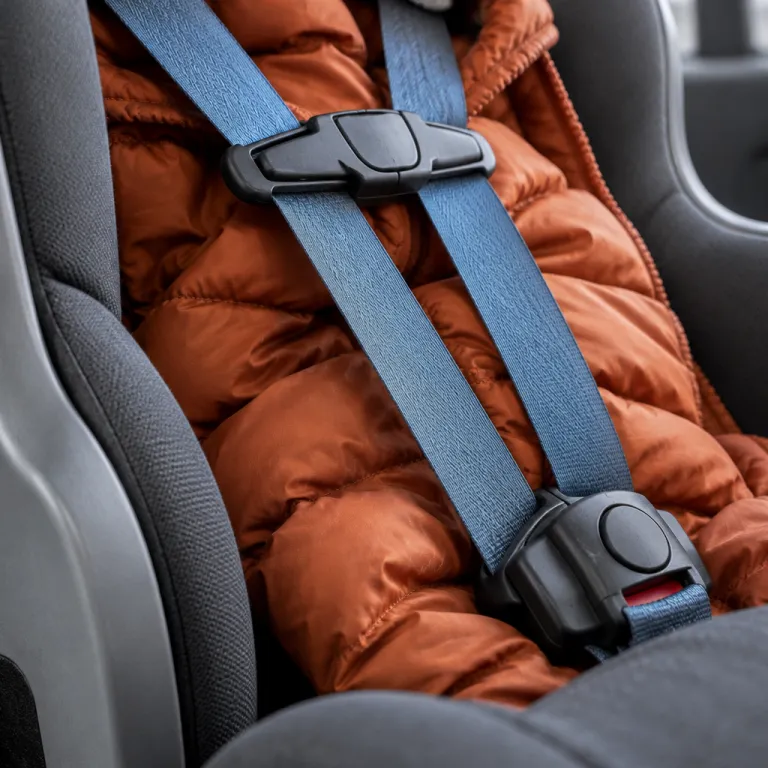
Why winter fashion and car seat safety clash
Every stylish parent eventually collides with the winter coats versus car seat safety dilemma. You want a sculptural puffer or a chic child coat in recycled down, yet the physics of a safe car ride and a correctly tightened harness say something very different. The gap between what photographs well and what keeps a baby or older child truly protected in a crash is wider than most glossy lookbooks admit.
Under a car seat harness, a classic winter coat behaves like a cushion. In a sudden stop the padding in bulky coats compresses, leaving space between the harness straps and the child, so even a premium infant or child car seat from brands like Graco or Peg Perego cannot compensate for that slack. That is why the American Academy of Pediatrics advises that bulky clothing, including winter coats and snowsuits, should not be worn underneath the car seat harness, and this guidance applies equally to infants, toddlers and bigger kids. The National Highway Traffic Safety Administration notes that most car seats are used incorrectly, and loose harnesses from thick layers are a major part of that misuse.
Think of it as a harness fit and fabric problem, not a warmth problem. The goal is a thin but warm layer directly under the seat harness, then extra insulation over the top once the crotch buckle and chest buckle are locked and the harness straps pass the pinch test. When parents understand that winter car dressing is about compressible textiles and precise strap tension, the whole conversation around kids’ winter coats and car seat safety becomes less about fear and more about smart styling.
The pinch test and how to outsmart a bulky coat
Start with your child in the car seat wearing everyday indoor clothes, not a jacket. Buckle the crotch buckle, clip the chest buckle, then pull the harness until the harness straps lie flat and you cannot pinch any webbing at the shoulder between thumb and forefinger. This is your reference harness fit for that particular child, that particular seat and that specific slot height.
Now unbuckle, slip the winter coat or puffer jacket on your child, and rebuckle without touching the harness adjuster. If you can suddenly pinch a fold of harness webbing, the coat is too bulky under the seat harness, no matter how high the price or how luxe the fill. This is the physics behind cold weather car seat safety issues; in a crash that compressed air in the coat’s bulky quilting becomes empty space, and a small infant or slim preschooler can slide under the child harness or even out of the car seat entirely. Safety agencies estimate that nearly half of child restraints are not used correctly, and thick outerwear is one of the easiest mistakes to fix.
Parents who shop with this test in mind start gravitating toward thin but warm layers instead of one giant winter coat. A dense fleece child coat, merino base layers and a snug cap style balaclava keep kids warm without sabotaging the harness straps, while a removable shower cap style car seat cover for an infant car seat adds a warm car microclimate without touching the straps. For more on how to time sizes so this system still works through growth spurts, see this guide on the growth spurt survival kit and when to size up.
Building a warm and safe winter car routine
The most elegant solution to cold weather car seat safety tension is a repeatable routine. At the door you dress your baby or toddler in indoor layers, slip on a thin fleece or light jacket, then carry them quickly to the car without adding a heavy winter coat under the harness. Once they are in the child car seat with the crotch buckle and chest buckle secured and the harness snug, you add warmth on top.
For infants in rear facing seats, a shower cap style cover that stretches over the shell but never behind the baby keeps the warm car air trapped around them. For older kids you can flip their winter coat on backwards over the harness straps, or lay a blanket over their lap and shoulders, which keeps kids warm without interfering with the seat harness or harness fit at all. Hats, mittens and warm socks do more for real comfort than an overstuffed child coat trapped under tight straps, and they cost less than upgrading to a new safe car model just for perceived warmth.
Urban parents who shop thoughtfully often keep one fashion forward coat for the playground and a separate, flatter winter car coat that lives by the door. That second coat is intentionally thin but still warm, often in technical fabrics that resist wind while sliding easily under harness straps and between car seats. If you are rethinking your whole cold weather wardrobe strategy, this feature on avoiding hidden toxins in kids fast fashion pairs well with a safety first outerwear edit.
How to shop coats and layers with safety in mind
Shopping for winter outerwear that respects car seat safety needs means reading fabric labels as closely as you read the price tag. Look for compressible insulation such as responsibly sourced down, recycled microfibre or dense fleece, which feels thin under the hand but still warm against the body. Avoid any winter coat or jacket with thick quilting directly over the shoulders and chest where the harness straps must lie flat.
In boutiques and online, imagine your child already buckled into the car seat while you evaluate each child coat. Ask whether the collar will fight the seat harness, whether the hem will bunch under the crotch buckle, and whether the sleeves are so puffy that they stop the harness straps from hugging the torso. Brands like Graco and Peg Perego design their car seats for a close harness fit, so no amount of luxury padding can compensate if a coat’s bulky silhouette creates hidden slack.
Capsule wardrobe parents often build a winter car kit around three pieces per child. First comes a base layer set in merino or technical knit, then a thin fleece zip up that can double as a playground jacket, and finally a more dramatic fashion coat reserved for walking, not for the safe car ride. For transitional weather and shoulder seasons, this guide to layering pieces that bridge seasons shows how to keep kids warm without defaulting to overstuffed coats.
Real life styling: from school run to weekend road trip
On a rushed school run, the winter coat and car seat safety rules only work if they are fast. Keep a dedicated basket by the door with thin but warm layers, hats and mittens, and train your child that the car seat comes before the dramatic coat moment. They can shrug into their favourite statement winter coat or fashion forward jacket once the car stops and the harness is fully unbuckled.
For longer drives, think of the cabin as a moving living room rather than an extension of the sidewalk. Pre warm the car when possible, then rely on blankets, backwards coats and hot drinks at rest stops instead of cranking the heat to compensate for a coat bulky enough to fight the harness. This approach keeps kids warm without overheating the baby in the rear facing infant car seat or the older child wedged between two car seats in the back row.
Parents who treat the car as a mini studio often curate a small rail of car only layers, from a thin quilted liner to a soft cap style hood that never interferes with the seat harness. The result is a child harness that sits exactly where the designer intended, a buckle that clicks with no fabric trapped underneath, and kids warm enough to nap while still styled enough to step straight into a café. That is the quiet luxury of kids outerwear done properly; not what photographs well, but what survives the playground.
FAQ
Can my child wear any winter coat in the car seat if I tighten the harness more ?
No, tightening the harness over a bulky winter coat does not solve the problem. In a crash the padding compresses and creates slack, even if the straps felt tight at first. The safer option is a thin but warm layer under the harness and extra warmth over the top, as recommended by the American Academy of Pediatrics and child passenger safety experts.
What kind of coat is safest for car seats in winter ?
The safest coats for car seats are thin, compressible and warm, such as fleece jackets or lightly insulated parkas without heavy shoulder padding. These styles allow the harness straps to lie flat against the chest. You can then add blankets or a backwards coat over the harness once your child is buckled.
How do I keep my baby warm in an infant car seat without a puffy snowsuit ?
Dress your baby in layered indoor clothes plus a thin fleece, then buckle them snugly in the infant car seat. Use a shower cap style cover that goes over the seat shell, or place a blanket over the harness after buckling. Hats, mittens and warm socks add significant warmth without affecting harness safety.
Do these safety rules apply to older kids in booster seats too ?
Yes, bulky coats can interfere with both harnessed seats and belt positioning boosters. A thick coat can prevent the seat belt from sitting correctly on the shoulder and hips. Older kids should also wear thinner layers under the belt and add their heavier coat on top after buckling.
How often should I redo the pinch test on my child’s harness ?
You should perform the pinch test every time you adjust the harness or change what your child wears under it. Growth, new clothes and different layers all affect how the straps fit. Making the pinch test part of your daily routine keeps the harness consistently safe and helps avoid the common misuse that safety agencies warn about.