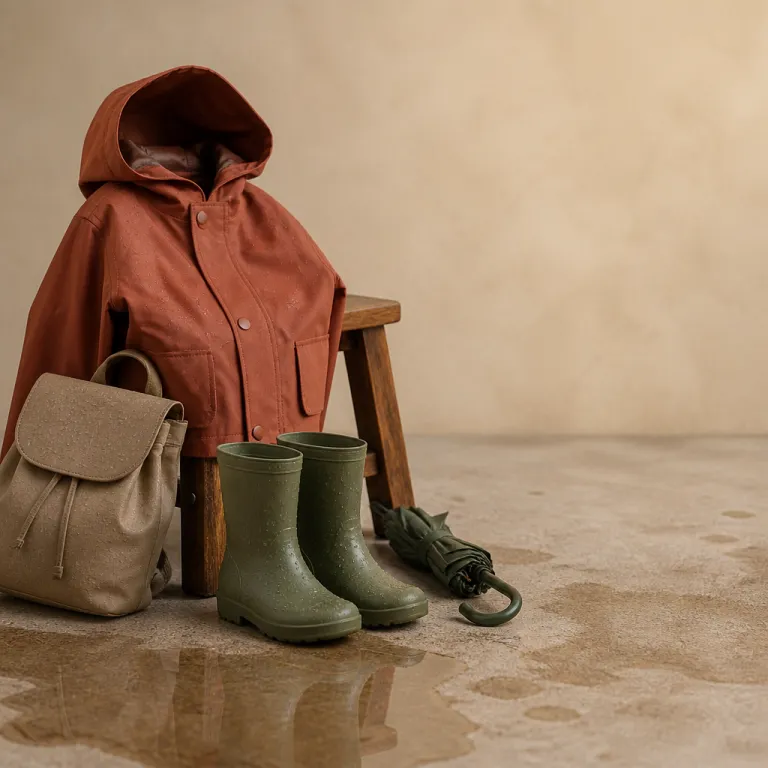
How to read a kids rain gear waterproof jacket buying guide like a pro
Think of a kids rain gear waterproof jacket buying guide as technical fashion, not just cute clouds and ducks. You are choosing a rain jacket and matching rain pants that decide whether your kid plays for hours or begs to go home after ten minutes. The right rain gear turns fall’s first downpour into a runway for active kids, not a wet disaster.
Start with the difference between water resistant and truly waterproof, because labels blur this line. A water resistant rain jacket usually has a durable water repellent finish on the outer fabric, so water beads at first but eventually seeps through under heavy rain. A fully waterproof jacket combines a coated or membrane fabric, a clear waterproof rating in millimetres, and taped seams that stop water sneaking in at the stitching.
For everyday kids rain outfits, look for at least a 3 000 millimetre waterproof rating on jackets and rain pants. That level handles playground slides, wet benches, and a kid sitting in a puddle to inspect a worm. If you live somewhere truly wet or hike often, step up to 8 000 millimetres or more and treat it as your top pick for long, cold rain.
Brands like Reima, Helly Hansen, Oaki, Jan & Jul, and the REI Rainier jacket line publish both waterproof rating and breathability numbers. Breathable means the fabric lets sweat vapour escape while blocking liquid water, which matters hugely for active kids who sprint, climb, and then sit in damp grass. Cheap rubber rain coats without breathable layers trap heat and moisture, leaving your kid soaked from sweat instead of rain.
Check whether the rain jacket has a lined hood with a small brim, because that detail keeps water from running straight onto eyelashes. A good hood should move with the kid’s head, not slide over their eyes every time they look sideways. Elastic at the sides and a soft inner layer around the face make hoods more comfortable for babies and toddlers who already hate hats.
Comfort meets style for the smallest kids in full rain suits
For babies and toddlers under four, a one piece rain suit usually beats separates. A full body rain suit eliminates the gap between jacket and pants, so water cannot creep in when a kid bends, crawls, or sits in a puddle. Parents juggling nappies, snacks, and nap schedules also appreciate one zipper instead of wrestling with multiple layers of rain gear.
Look for rain suits with soft, flexible fabric rather than stiff rubber rain material, because comfort is style at this age. Reima and Helly Hansen both make lightweight, fully waterproof rain suits with taped seams and generous room for a warm layer underneath. When a rain suit is breathable and lined in a brushed knit, you can slide it over pyjamas for a daycare dash without tears.
Color changing prints on some kids rain suits add a small magic trick when water hits the fabric. Those color changing raindrops or animals are not just cute ; they help a hesitant kid accept the hood and zipped cuffs. Style here is about cooperation, not catwalk drama.
For diaper changes, check whether the rain suit has a long diagonal zipper or double zippers down the legs. That design lets you peel the suit off without dragging muddy feet over a clean vest, which matters when you are changing a baby on a cramped bench. Elastic stirrups under the feet keep the fabric from riding up inside boots, so water stays out even when the kid kicks.
Parents exploring adaptive and size inclusive kids fashion will recognise similar priorities in rainwear fit. A good kids rain gear waterproof jacket buying guide should address extra room for braces, feeding tubes, or sensory needs, just as thoughtful brands do in adaptive and size inclusive kids clothing. Wide zippers, soft seams, and tag free necklines make waterproof layers more tolerable for sensitive skin.
Separates, layers, and the art of dressing active kids for rain
Once your child is toilet trained and dressing more independently, separates usually win. A standalone rain jacket paired with rain pants lets school age kids manage bathroom trips, classroom changes, and after school clubs without help. Separates also give you more styling freedom, because a sharp navy jacket can work with jeans on dry days while bright pants wait for heavy rain.
For the jacket, prioritise a breathable waterproof fabric with a clear waterproof rating and taped seams. The REI Rainier jacket, Helly Hansen shells, and Oaki rain jackets all use tested materials that balance water protection with comfort for active kids. When a kid sprints for the bus, climbs a wet climbing frame, then sits through circle time, that breathability keeps them from overheating.
Rain pants deserve as much attention as jackets, especially for kids who sit in wet grass or slide repeatedly. Look for bib style rain pants with adjustable braces for younger kids, then shift to waist height rain pants with strong elastic and sometimes a drawcord for older ones. Reinforced knees and seat panels in rubberised or double layered fabric extend the life of the gear for playground climbers.
Underneath, think in terms of a moisture wicking base layer, a warm mid layer, and the waterproof shell. Merino or technical synthetic base layers pull sweat away from the skin, while fleece or quilted vests add warmth without bulk. The outer rain jacket and rain pants then block wind and water, so the whole system stays lighter and more flexible than a single heavy coat.
Footwear finishes the outfit, and it matters as much as the jacket. Neoprene lined rubber boots work best for long puddle sessions, while waterproof hiking shoes or trainers are better for school days with mixed weather, as explained in many technical kids boot guides. The aim is simple ; dry socks, warm toes, and a kid who forgets about the weather.
Technical details that separate the best rain jackets from the rest
On the rail, two kids rain jackets can look identical yet perform completely differently. The difference hides in the fabric, the seams, and the finish, which is why a serious kids rain gear waterproof jacket buying guide always goes beyond colour. You are not just choosing a shade of blue ; you are choosing how long your kid stays dry when the sky opens.
Start with the outer fabric and its coating or membrane, because that is the first barrier against water. A good waterproof jacket uses either a polyurethane coating or a laminated membrane, then adds a water repellent finish so droplets bead on the surface. When that water repellent finish wears off, you will see the fabric darken and cling as water stops beading and starts soaking.
Taped seams are non negotiable for serious rain gear, especially on the shoulders, hood, and seat. Without taped seams, water creeps through the tiny needle holes in the stitching, no matter how high the waterproof rating claims to be. Run your fingers along the inside of the jacket and rain pants ; you should feel smooth tape covering every major seam.
Breathability ratings matter just as much for active kids as waterproof numbers. A breathable jacket lets sweat vapour escape through microscopic pores in the membrane, so the inner layers stay dry even when the kid runs hard. Cheap rubber rain coats without breathability turn into saunas, which is why many children rip them off the minute the teacher looks away.
Details like a peaked hood, soft chin guard, adjustable cuffs, and a drop tail hem all contribute to real world comfort. Reflective trims on rain jackets and rain pants add safety on dark school runs, while colour blocking or subtle color changing prints keep style in the conversation. For accessories, even small choices like no crease hair elastics for ponytails help hoods sit better and keep hair from wicking water onto necks.
Caring for kids rain gear so it stays waterproof, breathable, and beautiful
Even the best rain jacket will fail if you treat it like a regular hoodie. Technical waterproof fabric needs gentle care to protect the membrane, the taped seams, and the water repellent finish. Think of it as sportswear for the weather, not just another coat in the laundry pile.
Always check the care label, but most kids rain gear prefers a cool machine wash with a technical detergent. Standard fabric softeners and heavy detergents can clog the breathable pores and strip the water repellent coating from the surface. When that happens, water stops beading and starts soaking, even though the waterproof membrane underneath is still intact.
Drying technique matters for both performance and longevity. Hang jackets and rain pants to drip dry away from direct heat, because radiators and hot dryers can damage rubberised coatings and weaken taped seams. Some garments allow a short, low heat tumble to reactivate the water repellent finish, but only do this if the label explicitly says so.
Re waterproofing is not a failure ; it is routine maintenance for active kids who live outdoors. When you notice that water no longer beads on the surface, wash the garment, then apply a spray on or wash in water repellent treatment designed for breathable waterproof fabrics. This restores the outer defence so the inner layers can keep doing their job.
Store rain suits, jackets, and rain pants fully dry and loosely hung, not crumpled in a backpack. Compressed, damp fabric can develop odours and even mildew, which is both unpleasant and damaging to the waterproof layers. The goal is simple ; when fall’s first downpour hits, you reach for gear that still looks sharp and performs like new, because kids need clothes that serve their play, not what photographs well, but what survives the playground.
FAQ
How do I choose between water resistant and waterproof for my child?
Choose a fully waterproof jacket and rain pants if your child will sit, kneel, or crawl in wet grass or puddles. Water resistant pieces with only a surface treatment work for short, light showers or city errands. For school and playground use, a waterproof rating of at least 3 000 millimetres with taped seams is a safer baseline.
Are one piece rain suits better than separate jackets and pants?
One piece rain suits work best for babies and toddlers who spend more time crawling, being carried, or sitting in puddles. They remove the gap between jacket and pants, so water cannot sneak in at the waist. Separate jackets and rain pants suit older kids who need bathroom independence and mix and match options for changing weather.
What should my child wear under a waterproof jacket?
Use a moisture wicking base layer next to the skin, such as merino or technical synthetic fabric. Add a warm mid layer like fleece when temperatures drop, then finish with the waterproof shell jacket and rain pants. Avoid heavy cotton hoodies directly under the shell, because cotton holds water and makes kids feel clammy.
How can I tell when kids rain gear needs re waterproofing?
Sprinkle or spray water onto the outer fabric and watch how it behaves. If droplets bead and roll off, the water repellent finish is still working ; if the fabric darkens and absorbs water, it is time to re treat. Re waterproofing after a gentle wash usually restores performance for several more seasons of play.
Which features matter most in a kids rain jacket hood?
Look for a hood that is deep enough to cover the forehead, with a small brim to keep water off the face. Elastic or simple adjustment at the sides helps the hood move with the child’s head instead of slipping over the eyes. A soft lining around the edge makes it more comfortable, especially for toddlers who dislike anything touching their cheeks.