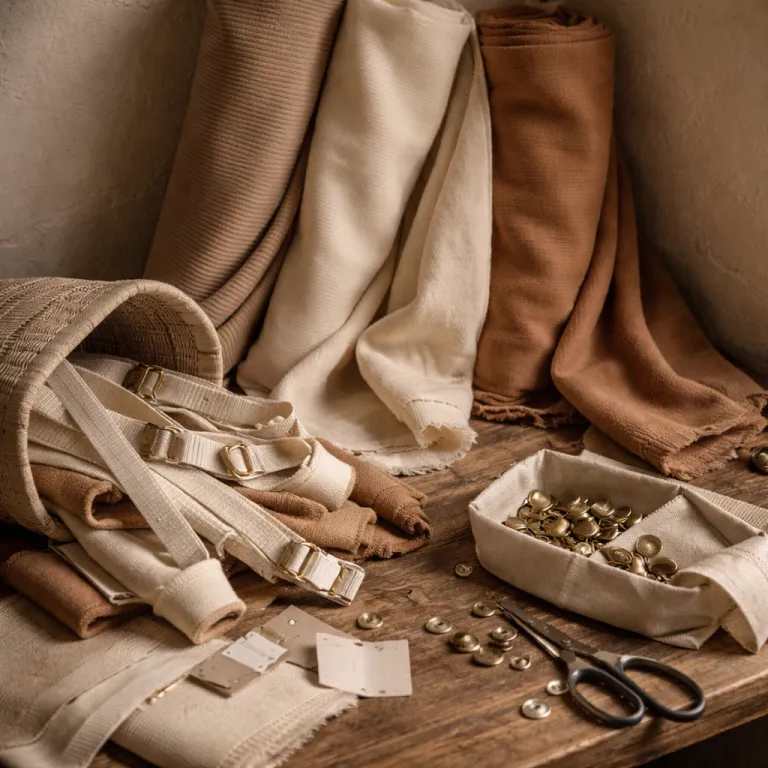
Adaptive kids clothing as the new baseline for style
Adaptive kids clothing is not a niche experiment anymore. It is a quiet revolution in clothing designed for kids whose bodies, abilities and sensory needs refuse the narrow template of regular sizing, and it is reshaping what stylish parents now expect from baby clothes and beyond. When you look closely at adaptive clothing for children, you see a new design language emerging where every elastic waist, every high low hem and every hidden opening is a statement about dignity, not just convenience.
At its core, adaptive kids clothing means garments that are adaptive in function before they are decorative. Think magnetic closures instead of tiny back buttons, quick and easy side zips for diaper changes, seated cuts on trousers for wheelchair users, and sleep sacks that open fully so a feeding tube or monitor cable does not turn bedtime into a wrestling match. These are clothing options that let kids wear what they want, not what the medical system dictates, and they quietly challenge the idea that style must always come at a high price in comfort.
Parents of adaptive kids quickly learn that sensory clothing is not a trend but survival. Labels that scratch, thick inner seams, stiff denim and synthetic fleece that overheats can turn a school morning into a meltdown before breakfast, while sensory friendly fabrics in cotton jersey or brushed modal can literally change the family’s daily rhythm. As one parent of a six year old with sensory processing differences put it in an inclusive fashion survey, “The first time he wore a tagless long sleeve shirt with flat seams, we got out of the house without tears.” Once you have seen a child relax because their long sleeve shirt has flat seams and a soft tag print, you stop asking whether adaptive clothing kids lines justify a higher price and start asking why regular kids clothing ever ignored these needs.
The market is finally reacting, but the pace is uneven and the price high low spectrum is confusing. Mass brands test a capsule adaptive baby range, then bury it online under dozens of regular romper and jumpsuit styles, while specialist labels quietly refine friendly clothing that works for both kids and adults. For parents, the real question is not only the price low or price high label on a tag, but whether a piece of clothing designed for kids adaptive needs will actually save time, save stress and save their child’s energy for play.
Look at the details and you see where the value sits. A long adaptive jumpsuit with a high low back opening can turn hospital visits into something less clinical, while a romper with an elastic waist and side snaps lets a physiotherapist work without stripping a child down. When adaptive kids clothing is done well, kids adults and even some adults with disabilities can share similar design logic, proving that inclusive design is not about age but about respecting how bodies move, rest and grow.
Price conversations around adaptive clothing often miss the hidden costs of regular garments. Parents who buy three different shirts on sale because none are truly sensory friendly do not actually save money, while one higher price long sleeve top with flat seams and magnetic placket might be the only piece their child will happily wear every week. A simple checklist helps clarify value: does the garment reduce dressing time, avoid sensory triggers and support independent dressing? The real low high calculation is not just price low versus price high, but how many battles you avoid, how many diaper changes become quick and easy, and how much independence you hand back to your child.
From magnetic closures to seated cuts: what adaptive design looks like
Walk through the adaptive kids clothing section of a well edited store and you immediately notice the closures. Instead of back zips that twist tiny shoulders, you see magnetic plackets down the front of shirts, side snaps on long sleeve bodysuits and high low openings that wrap around medical devices without drama. These are not gimmicks; they are clothing designed to make daily wear possible for kids and adults who cannot manage traditional fastenings.
Take Tommy Hilfiger Adaptive as a benchmark for mainstream adaptive clothing. The brand’s kids adaptive line, launched in 2016 according to company press materials, reworks classic tommy shirts and chinos with hidden magnetic closures, adjustable hems and elastic waist panels that look regular from the outside but transform dressing for kids adults who need help. When a child can pull on what appears to be a regular fleece hoodie but actually features sensory friendly lining and easy access openings, you understand how adaptive clothing kids collections can feel aspirational rather than clinical.
Parents of infants know that adaptive baby design lives or dies on diaper changes. A romper or jumpsuit that opens fully along the inseam and up the torso means you can manage quick and easy checks without wrestling a baby around tubes or orthotics, while sleep sacks with double zips let you adjust monitors without waking anyone. For many families, these adaptive baby pieces are the first time clothing options feel like they were built around their reality, not around a showroom fantasy of baby clothes that never see a hospital corridor.
Footwear and outerwear tell the same story of slow but meaningful progress. Nike FlyEase trainers, Billy Footwear’s wraparound zips and Target’s Cat & Jack adaptive boots show how sensory clothing principles can extend from shirts to shoes, especially when paired with soft fleece linings and flexible soles. For indoor comfort, a pair of structured yet soft fleece house slippers for kids can bridge the gap between medical orthotics and playful style, proving that friendly clothing can still feel fun.
Thoughtful adaptive kids clothing also rethinks proportions. Seated cut trousers are slightly longer in the back, higher at the waist and often feature an elastic waist that does not dig in when a child spends most of the day in a wheelchair, while high low hems on tops prevent riding up and exposure. These are not details you notice on a hanger, but they are the difference between clothing kids can forget about and clothing they constantly tug and adjust.
Even when brands run a sale on adaptive lines, parents should read beyond the discount tag. A price low label on a piece that ignores sensory friendly construction or offers only token adaptive features is not a bargain, while a higher price long sleeve shirt with flat seams, soft tags and magnetic cuffs might outlast three cheaper regular options. The smartest way to save is to invest in fewer, better pieces of adaptive clothing that children actually wear, rather than chasing every low high promotion on garments that never leave the drawer.
Sensory friendly fashion that works for every child
Sensory friendly design is often framed as a specialist need, but any parent who has cut a label out of a shirt knows it is universal. When brands build adaptive kids clothing with soft seams, breathable fabrics and gentle waistbands, they are not only serving children with diagnosed sensory processing differences; they are raising the baseline for all kids. The smartest clothing designed for kids adaptive needs quietly becomes the favourite piece for siblings too.
Look closely at sensory clothing and you will see a consistent toolkit. Fabrics lean towards cotton jersey, bamboo blends or brushed fleece that feels soft against the skin, while long sleeve tops avoid bulky inner overlocking and use printed labels instead of tags that scratch. Even sleep sacks and baby clothes in adaptive baby ranges now come in sensory friendly versions, with double zips, soft linings and high low cuts that keep feet covered without trapping heat.
Footwear and outerwear are where many children first show sensory resistance. A stiff coat or heavy boot can be a daily battle, which is why brands experimenting with lighter, flexible materials and elastic waist adjusters on snow trousers are quietly winning parents’ loyalty. A pair of mid weight hiking boots with cushioned collars, like a supportive unisex child hiking boot, can offer structure without overwhelming a child who is sensitive to pressure, especially when paired with adaptive clothing layers that move easily underneath.
What often surprises style focused parents is how sensory friendly pieces can look completely regular. A long adaptive jumpsuit in ribbed cotton with a subtle high low hem and concealed side zips reads like any other minimalist kidswear piece, yet it allows for quick and easy access for toileting or medical checks. The same goes for shirts that appear classic but hide magnetic plackets and elastic waist adjusters, proving that adaptive clothing kids lines do not have to signal their function loudly to work beautifully.
Price conversations around sensory clothing should factor in emotional cost. A child who refuses every regular jumper because the fleece lining itches will end up in the same worn T shirt all season, while one or two higher price sensory friendly tops can expand their wardrobe and their confidence. Parents often report in accessibility research and disability fashion commentary that once they introduce adaptive kids clothing into the mix, siblings start reaching for those pieces too, which is the clearest sign that friendly clothing is simply better clothing.
For babies, the stakes are even higher because communication is mostly through tears and tension. Adaptive baby sleep sacks with soft, tagless interiors and double zips can reduce nighttime stress for everyone, while rompers with elastic waist panels and full length openings make diaper changes less invasive for medically fragile infants. When you see how quickly a baby settles in a truly sensory friendly garment, the old high price versus price low debate feels irrelevant next to the promise of calmer days and nights.
What parents wish designers understood about real life dressing
Parents navigating adaptive kids clothing are not asking for sympathy; they are asking for competence. They want clothing designed from the ground up around real routines, from school runs to hospital stays, not just regular pieces with a token magnetic closure added for marketing. The most trusted adaptive clothing brands listen obsessively to feedback about how kids actually wear garments, how long they last and how they behave after dozens of washes.
One recurring plea is for adaptive options that respect age and personality. A ten year old using a wheelchair does not want babyish prints just because they need seated cut trousers or a high low hem, and teenagers sharing wardrobes with adults want shirts and long sleeve tops that feel aligned with youth culture, not medical catalogues. When designers treat adaptive kids and kids adults as a single, homogenous group, they miss the nuance that style savvy families crave.
Price transparency is another fault line. Parents are willing to pay a high price when they understand the pattern work, hardware and testing that go into adaptive clothing, but they resent a price high label slapped on garments that barely differ from regular lines. Brands that offer a clear low high range, from price low basics to investment pieces, and explain exactly what each tier delivers in terms of function and durability, earn long term trust and help families genuinely save money.
Practicality must extend beyond the garment itself into the ecosystem around it. Parents want adaptive baby and kids adaptive pieces to be easy to find on websites, not buried under generic clothing kids filters, and they want size charts that reflect real bodies, including those affected by medication, muscle tone differences or medical equipment. They also want styling guidance that shows how to layer adaptive kids clothing with mainstream pieces, from winter accessories for sensitive kids to school uniform staples, so children do not feel visually singled out.
Seasonality is another blind spot. Families need adaptive fleece layers that are warm but breathable, rainwear that accommodates wheelchairs without pooling water, and summer rompers and jumpsuit styles that allow for quick and easy toileting or diaper changes without full undressing. When designers get this right, parents stop hoarding regular sale items “just in case” and instead invest in a tight, functional wardrobe of adaptive clothing that works across weather and growth spurts.
Ultimately, the most stylish thing a child can wear is ease. Adaptive kids clothing that respects sensory thresholds, streamlines care routines and feels visually aligned with peers gives children back the freedom to focus on play, learning and self expression. For designers willing to listen, the message from parents is clear: build friendly clothing that survives the playground, not just the photoshoot, because real style is not what photographs well, but what survives the playground.
Key figures shaping the future of adaptive kids clothing
- Analysts tracking inclusive apparel and assistive fashion segments estimate that the global adaptive clothing market could reach hundreds of billions of dollars in value over the next decade, driven by ageing populations and increased visibility of disability communities. Readers should consult recent market research from firms such as Coherent Market Insights or Allied Market Research for the latest published figures and methodologies.
- In the United States, approximately 1 in 6 children has a developmental disability, which significantly increases demand for adaptive kids clothing that supports sensory, mobility and medical needs. This ratio is drawn from Centers for Disease Control and Prevention (CDC) estimates on developmental disabilities in children, including data from the National Health Interview Survey.
- Major retailers such as Target, through its Cat & Jack adaptive line introduced in 2017, have reported strong consumer response to inclusive kidswear, prompting expansions of adaptive options in both physical stores and online assortments. These developments are documented in company statements and retail coverage in mainstream business press.
- Brands like Tommy Hilfiger Adaptive, Nike FlyEase, Kozie Clothes and Billy Footwear are frequently cited by disability advocates as early leaders in mainstream adaptive design for children, especially in footwear, shirts and outerwear. Their prominence is reflected in disability fashion commentary, trade press and conference presentations on inclusive design.
- Consumer surveys in inclusive fashion consistently show that parents of disabled children are willing to pay a higher price for adaptive clothing that genuinely reduces dressing time and sensory distress, but they expect clear communication about features and value. Findings from retail and accessibility research, including parent focus groups and online panels, repeatedly highlight transparency, durability and comfort as top purchase drivers.