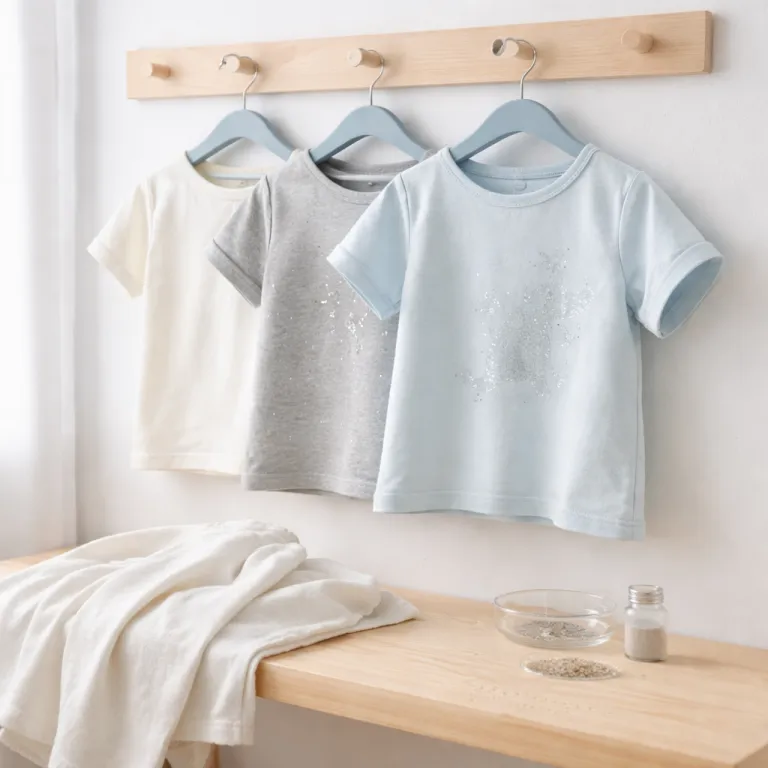

Bright colours, fast fashion and the hidden lead problem
Lead in children's clothing safety has shifted from niche concern to front row issue. When chemists from Marian University presented data at an American Chemical Society (ACS) meeting in 2024, they reported that every single children's shirt they tested from several fast fashion retailers in the United States exceeded the federal limit for lead content in textiles. For style focused parents who rely on affordable fashion products, that finding reframes the entire conversation about colour, price and product safety, especially for kids who live in bright graphic tees.
The researchers analysed 11 brightly coloured pieces of children clothing and found that red and yellow fabrics often carried the highest lead levels, because certain dye fixing chemicals can bind heavy metals into the fibres and trap them there. Using X-ray fluorescence (XRF) screening followed by laboratory confirmation, they measured lead concentrations ranging from just over 100 parts per million (ppm) to several hundred ppm in some red and yellow shirts, surpassing the 100 ppm cap set by the Consumer Product Safety Commission (CPSC), the safety commission that regulates each consumer product for childhood lead exposure in the United States. Simulations based on standard mouthing-time assumptions suggested that even brief chewing of these clothing products could generate exposure lead doses high enough to raise blood lead in vulnerable children, particularly toddlers who chew sleeves or collars as a self soothing habit.
For a fashion kid passionate about bold graphics and saturated tones, this creates a sharp tension between visual impact and health risks. Lead exposure in early childhood is linked to lower IQ, attention problems and behavioural changes, and there is no safe level of lead for developing brains according to public health agencies and paediatric toxicologists. When lead content in fabrics combines with skin contact, sweat and the habit of chewing sleeves, the risk of lead poisoning from what looks like an innocent T shirt becomes uncomfortably real, even though the Marian University team emphasised that their small sample of 11 shirts cannot represent the entire fast fashion market and that larger studies are urgently needed.
How lead behaves on fabric: from skin contact to the bloodstream
To understand lead in children's clothing safety, you need to follow the metal from pigment to skin. Lead and other heavy metals such as cadmium or chromium can sit in the surface of fibres, in screen printed graphics, or in lead paint style coatings used on trims, zippers and logos. When children sweat, play with water or chew cuffs, that metal content can migrate, turning a fashion statement into a slow exposure pathway that quietly adds to a child’s overall lead burden.
Unlike a one time test of a single product, real life exposure happens through repeated skin contact, washing cycles and friction against the skin. Each wear can release tiny amounts of metals, and over months this chronic exposure lead pattern can push blood lead upwards, especially in toddlers who already face other sources such as old paint, contaminated soil or drinking water. That is why experts argue that the current CPSC limit of 100 ppm for total lead in children products may underestimate the long term health risks of lead levels in fabrics that are sucked, slept in and worn for many hours, even though regulators stress that the limit is intended as a practical enforcement threshold rather than a health based “safe” value or guarantee of non toxicity.
Parents who curate wardrobes with the same care they give to nutrition now look beyond style codes and into testing protocols. They ask whether a consumer product has undergone independent test procedures for lead content, heavy metals and lead paint residues, not just basic colour fastness or shrinkage. This is where certifications such as GOTS and Oeko Tex Standard 100 matter, because they include strict product safety criteria for metals in children clothing, although not every certified product is automatically free from all risk and results apply to specific batches and sample IDs rather than every item on the rack or every colourway in a collection.
Practical fashion rules: what to buy, wash and quietly retire
For eco responsible parents, the new fashion do's and don'ts start with fabric, not with logos. Prioritise organic cotton or Tencel pieces from labels that publish detailed testing data on lead content, heavy metals and overall product safety, and be especially cautious with ultra cheap fast fashion items in intense reds, yellows and neons. Wash every new clothing product at least twice before first wear to reduce surface metals, chemical residues and loose dye that could increase lead exposure through skin contact or mouthing, and avoid using harsh detergents that might damage protective finishes.
When you assess children clothing in store or second hand, run through a quick risk checklist. Is the garment a fast fashion graphic tee with thick plastisol print, metallic foil or cracked lead paint style coating, or is it a plain dyed jersey from a brand that uses Oeko Tex certified mills and transparent testing for total lead and other metals. If a child has elevated blood lead or a history of childhood lead poisoning, be ruthless and phase out suspect pieces, especially sleepwear and loungewear that stay in prolonged skin contact, and check safety commission recall notices for children products that mention heavy metals in fabrics or trims, including snaps, buttons and decorative studs.
Style does not have to suffer while you raise your standards on lead in children's clothing safety. Build colour stories with undyed naturals, soft pastels and low impact prints, then reserve high saturation accents for accessories that can be rotated and replaced if future testing flags a problem. The most fashion forward rule now is simple; the best children's look is not what photographs well, but what survives the playground without adding invisible health risks, a balance that independent paediatric toxicologists and CPSC staff both highlight when they caution that exposure models are estimates rather than guarantees of safety and that prevention is always easier than treatment.
Key statistics on lead in children's clothing safety
- Researchers at Marian University tested 11 brightly coloured children's shirts from four fast fashion retailers and reported that every item exceeded the United States federal limit of 100 ppm for lead content in textiles, with some red and yellow shirts measuring several hundred ppm according to their ACS presentation and supporting laboratory data.
- Red and yellow garments showed the highest lead levels, because certain dye fixing chemicals can bind heavy metals such as lead into synthetic and cotton fibres, a pattern consistent with earlier case reports on brightly coloured children apparel and isolated product recalls.
- Simulation models presented at an American Chemical Society meeting indicated that even brief mouthing of contaminated fabric could deliver enough lead exposure to raise blood lead in young children, although the authors noted that these exposure estimates are based on assumed chewing time and behaviour patterns rather than direct clinical measurements.
- The Consumer Product Safety Commission currently sets a 100 ppm cap for total lead in children products, but toxicologists warn that no level of lead exposure is considered safe for brain development and that cumulative exposure from multiple consumer products, including clothing, toys and jewellery, can still be harmful.
Questions parents also ask about lead in children's clothing safety
How can I tell if my child's clothing contains lead or other heavy metals ?
There is no reliable way to see lead content with the naked eye, so parents need to rely on documentation and testing. Look for brands that publish third party laboratory test results for lead levels, heavy metals and other contaminants in each consumer product line, not just generic statements about safety or compliance. When in doubt about high risk items such as intensely coloured fast fashion T shirts with thick prints, consider contacting the retailer for specific testing data or choosing a certified alternative, and discuss any concerns with your paediatrician if your child already has elevated blood lead or unexplained developmental issues.
Are certifications like Oeko Tex and GOTS enough to guarantee safe lead levels in children clothing ?
Oeko Tex Standard 100 and GOTS both include strict limits on heavy metals, including lead, in textiles that come into direct skin contact. These schemes improve product safety significantly compared with uncertified fast fashion, but they are not an absolute guarantee because they apply to tested samples and specific production batches. Parents should still combine certifications with brand transparency, careful washing routines and regular review of safety commission recalls for children products, keeping in mind that even compliant garments may contribute a small share to overall lead exposure when added to paint, dust and water.
Which types of garments pose the highest risk for lead exposure in children ?
Based on recent testing, brightly coloured shirts, especially in red and yellow, and garments with thick plastisol prints, metallic foils or imitation lead paint finishes appear to carry higher lead levels. Items from ultra low cost fast fashion ranges are more likely to cut corners on testing and product safety controls, increasing the risk of lead exposure through skin contact and mouthing. Sleepwear, loungewear and favourite play pieces are particularly concerning because children wear them for long durations, allowing more transfer of metals to the skin and mouth, although the Marian University study did not directly test pyjamas or underwear and focused only on shirts.
What practical steps reduce my child's risk of lead poisoning from clothing ?
Start by washing all new clothing products at least twice before wear to remove surface residues and loose dye that may contain lead or other heavy metals. Choose garments from brands that use Oeko Tex or GOTS certified fabrics and that share detailed testing data on total lead and other contaminants in their children clothing collections. For children with elevated blood lead or other health risks, avoid fast fashion pieces with intense colours or heavy prints and rotate in more natural fibres, undyed fabrics and well documented second hand items, while also addressing other major sources such as old paint, household dust and drinking water.
Is the current CPSC limit of 100 ppm for lead in children products strict enough ?
The CPSC limit of 100 ppm for total lead in each consumer product for children was designed as a practical regulatory threshold, not as a guarantee of zero risk. Toxicologists emphasise that no level of lead exposure is truly safe for developing brains, and chronic low dose exposure from multiple sources, including clothing, can still raise blood lead over time. Many experts now argue for tighter limits, more frequent testing and clearer labelling, especially for products that stay in close skin contact for long periods such as pyjamas, underwear and favourite T shirts, while also calling for larger studies than the current 11 shirt dataset to better quantify risk from lead in kids’ clothes and guide future policy.