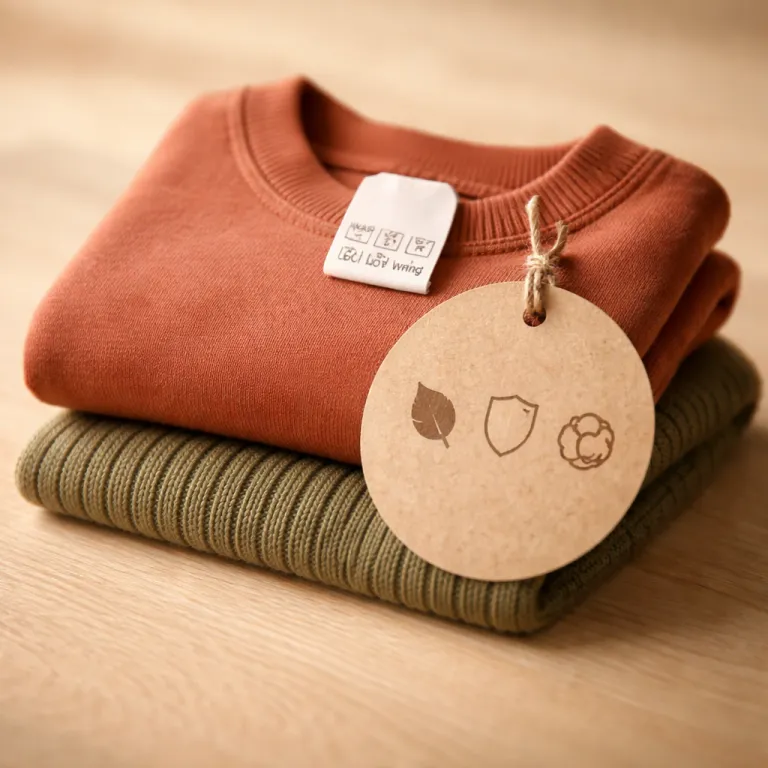
Why a kids clothing label certifications guide matters for real life
Every stylish parent eventually hits the wall of tiny clothing labels. One minute you are choosing a striped sweatshirt, the next you are decoding a kids clothing label certifications guide in 6 point font size. The label is small, but the impact on your child is huge.
For baby clothing and children’s wear, the stakes are higher than for adults. A baby or older child has thinner skin, more hand to mouth contact, and often more sensitive skin. That means harmful chemicals in padding, prints, or dyes reach kids faster and stay closer.
Think of each certification label as a contract between you and the brand. Some clothing labels are backed by strict safety standards and independent audits, while others rely on vague eco friendly language. Your job is to separate real certifications from marketing poetry.
This kids clothing label certifications guide focuses on the five labels worth memorising. GOTS, Oeko Tex Standard 100, Fair Trade, B Corp, and bluesign each cover different risks and parts of the supply chain. Together they help you choose clothes that are safe, durable, and genuinely sustainable for children.
Once you can read a label fluently, shopping becomes calmer. You stop guessing whether baby clothes or kids outfits are safe and start scanning for clear standards. Style stays important, but it no longer outranks your child’s health.
The big five certifications every fashion kid parent should know
Start with GOTS, the Global Organic Textile Standard, because it sets the bar. GOTS certification requires at least 70 percent organic fibres for a product to be labelled “made with organic” and at least 95 percent for a fully “organic” claim. It also sharply limits harmful chemicals in dyes, finishes, and padding. When you see a GOTS certified label on baby clothing or children’s garments, you know the organic cotton or other organic textile has been tracked from field to finished clothes.
Oeko Tex Standard 100 works differently but complements GOTS. Instead of focusing on farming, this tex standard tests the final products for more than one hundred harmful substances. For baby clothes and kids apparel, the strictest Oeko Tex Class I usually applies, which is designed for direct contact with very sensitive skin, including newborns.
Fair Trade certification steps in on the human side of the supply chain. A Fair Trade label on cotton T shirts or baby clothing signals better wages, safer factories, and community premiums. It does not guarantee organic cotton or eco friendly dyes, so you still need to read other clothing labels carefully.
B Corp certification looks at the entire company, not just single products. A B Corp children clothing brand must meet social and environmental performance standards, legal accountability, and transparency rules. It is a strong signal that the brand treats kids clothing, workers, and the planet as part of one system.
Bluesign is the quiet technician of this kids clothing label certifications guide. It focuses on input stream management, meaning chemicals, water, and energy are controlled from the start of production. When a label mentions bluesign approved fabrics in baby clothes or kids clothing, you can expect fewer harmful chemicals and more high quality process control.
What clothing labels really guarantee for your child’s skin
Not every label on kids clothing is a certification, and that is where confusion starts. Fabric composition, care symbols, and origin details sit beside logos for GOTS, Oeko Tex, or Fair Trade. This kids clothing label certifications guide helps you read each layer without getting lost.
On the composition line, look for organic cotton or other organic textile first. A baby with sensitive skin usually tolerates high quality organic cotton better than rough synthetics, especially in underwear, pyjamas, and baby clothes that stay close to the skin. If the label lists polyester padding or acrylic blends, keep them for outer layers, not for pieces that hug the body.
Next, scan for any GOTS certification or Oeko Tex Standard 100 mark. A GOTS certified label means the cotton or wool was grown with fewer pesticides and processed under strict environmental and social standards. An Oeko Tex label means the finished products have been tested for harmful chemicals, including some flame retardants and heavy metals.
Be wary of vague eco friendly or natural claims without a clear certification. Terms like conscious, green, or sustainable collection on children clothing sound reassuring but have no legal standard. When in doubt, prioritise a clear certification label over poetic marketing language.
Care labels also reveal how gentle a garment will be on your child. If a piece of baby clothing demands dry cleaning or very low temperature ironing, the finishes may be delicate or heavily treated. For everyday kids clothing that faces playgrounds and school runs, choose simple washing instructions and robust standards over fussy care.
As a quick checklist when you pick up a garment, look for: organic fibres in the composition line, a recognised certification logo such as GOTS or Oeko Tex Standard 100, a readable licence or certificate number, and care instructions that match your real laundry habits.
Red flags, greenwashing, and how to verify every certification
Marketing around kids clothing has learned to speak your eco conscience fluently. Words like organic, eco friendly, or clean appear on swing tags, websites, and even on the inner label. Without a recognised certification, they remain just that, words.
True organic cotton should be backed by a GOTS certified label or at least an organic textile certification from a recognised body. If a brand claims GOTS certification but the logo looks off or the font size is distorted, treat it as a prompt to check. Most certification bodies keep public databases where you can search the company name or licence number by entering “GOTS public database” into a search engine.
Oeko Tex Standard 100 labels also come with a certificate number you can verify online. When a piece of baby clothing or children clothing carries an Oeko Tex mark, type the number into the official registry by searching for “Oeko Tex label check” to confirm it is valid. For example, you might enter a code such as “01.12345 HOH” into the Oeko Tex database and see the certified manufacturer, product type, and expiry date. This quick step filters out products that borrow the logo style without meeting the standards.
Fair Trade, B Corp, and bluesign all maintain searchable lists of certified partners. Before paying premium prices for kids clothing marketed as ethical, cross check the brand in these registries by looking up “Fairtrade certified products list”, “B Corp directory”, or “bluesign guide to approved partners”. If it does not appear, the claim may refer to a single factory audit rather than a full certification.
Once you start verifying, patterns emerge. Brands that invest in real certifications tend to be transparent about their supply chain, materials, and safety standards. Those that rely on soft claims often avoid specifics and rarely mention concrete standards or testing.
Reading the care label as a quality and durability roadmap
The care label is the most underrated part of any kids clothing label certifications guide. Beyond the logos and certifications, it quietly tells you how a garment will age on a real child. Think of it as a contract about shrinkage, colourfastness, and comfort.
First, check the fabric mix and placement. A T shirt in 100 percent organic cotton against the skin with recycled polyester padding only in the quilted panels balances comfort and durability. For baby clothes and baby clothing, keep anything that touches the skin as natural and breathable as possible.
Next, read the washing and drying instructions with your weekly laundry in mind. If a pair of children clothing trousers needs hand washing, they will probably sit unworn after the first muddy park visit. High quality kids clothing should survive machine washing at 30 °C or 40 °C without drama.
Care labels also hint at chemical finishes. Requirements for separate washing, colour bleeding, or low temperature ironing can signal heavy dye loads or delicate coatings. When combined with a lack of GOTS, Oeko Tex, or other certifications, that is a warning sign for sensitive skin.
Finally, look at construction details around seams, hems, and padding. A garment that allows tumble drying and medium heat ironing usually has stronger stitching and more robust standards. That resilience matters more than any trend colour when your child is climbing, running, and spilling daily.
Building a sustainable kids wardrobe that still feels fashion forward
Once you can decode every label, you can curate rather than accumulate. A small rail of GOTS certified organic cotton basics, Oeko Tex tested pyjamas, and Fair Trade denim forms the backbone of a child’s wardrobe. From there you can add personality with colour, print, and clever layering.
Start with the pieces that sit closest to the skin. For a baby, that means bodysuits, leggings, and pyjamas in organic textile blends that carry both GOTS and Oeko Tex Standard 100 certifications. For older kids, prioritise underwear, T shirts, and sleepwear with clear labels and strong safety standards.
Then layer on statement items where padding, structure, and trend details live. A bold jacket or dress can be less purist in composition, as long as it avoids unnecessary flame retardants and clearly states any treatments. In the United States, children’s sleepwear must meet flammability rules that often lead to tight fitting designs or specific fabrics, while in the European Union many garments rely on fibre choice and fit rather than added chemicals to meet safety laws. Always balance style with the reality of school chairs, playground slides, and after school clubs.
Footwear and accessories deserve the same scrutiny. When you choose formal shoes or school shoes, look for breathable linings, sturdy construction, and honest material labels rather than vague eco friendly claims. The most stylish outfit fails if the child cannot run comfortably from classroom to courtyard.
In the end, the most sustainable kids clothing is the one worn, loved, and passed on. Certifications guide you toward safe, high quality pieces that survive siblings, swaps, and donations. Fashion for children should always serve their freedom to move first, because the real test of any outfit is not what photographs well, but what survives the playground.
FAQ
Which certifications are most important for baby clothing and newborns ?
For newborns and very young babies, prioritise GOTS certification and Oeko Tex Standard 100. GOTS certified organic cotton reduces pesticide and chemical exposure in the supply chain, while Oeko Tex tests the finished products for harmful substances. Together they offer strong protection for delicate, sensitive skin.
Are clothes labelled organic always safer for children ?
Clothes described as organic are not automatically safer unless backed by a recognised certification. Look for a clear GOTS label or another organic textile certification that specifies standards and testing. Without that, the term organic on clothing labels is mostly marketing language.
How can I check if a kids clothing certification is genuine ?
Most major certification bodies provide public online databases. Use the brand name or licence number printed near the label logo to search the registry for GOTS, Oeko Tex, Fair Trade, B Corp, or bluesign. Typing phrases such as “GOTS certificate search” or “B Corp certified companies” into a search engine will usually take you to the correct verification page.
Do certified kids clothes last longer than regular options ?
Certifications focus on safety, environmental impact, and labour standards rather than direct durability. However, brands that invest in high quality organic cotton, strict standards, and transparent supply chains often produce better constructed garments. Always cross check the care label, stitching, and fabric weight to judge real world longevity.
Should I avoid all flame retardants in children clothing ?
Some categories like sleepwear in certain regions may be subject to specific safety standards regarding flammability. In the US, for example, children’s pyjamas must meet federal flammability rules, while in the EU many items follow EN standards that focus on design and fabric behaviour. When possible, choose garments that meet safety requirements through fabric choice and design rather than added flame retardants. Certifications such as Oeko Tex Standard 100 can help you avoid unnecessary harmful chemicals while still keeping your child safe.
Sources : Good On You, ComplianceGate, official documentation from GOTS, Oeko Tex, Fair Trade, B Corp, and bluesign.