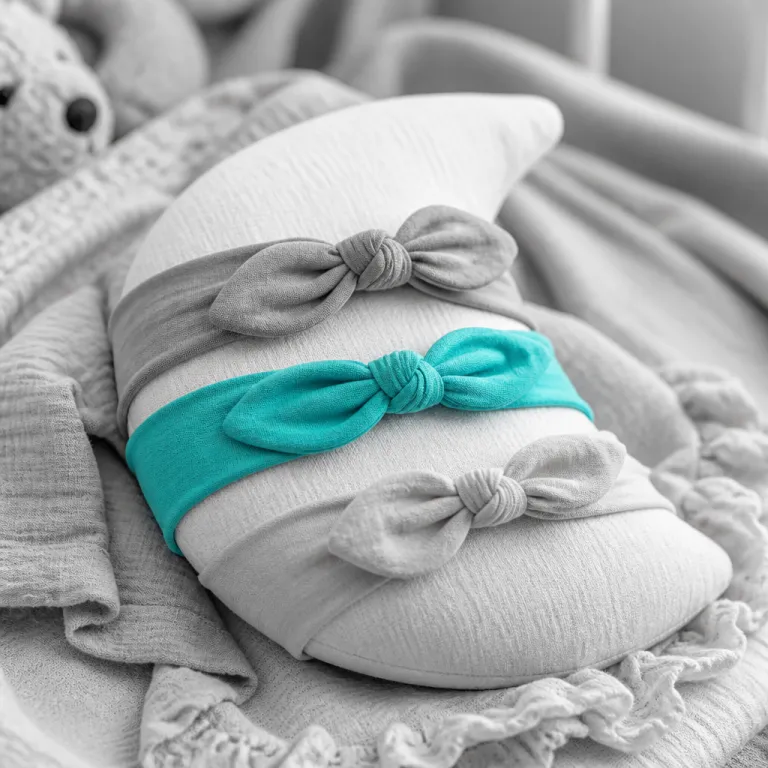
Why the best organic headbands for newborns start with skin safety
Newborn skin is around 20–30 % thinner than adult skin and loses moisture more quickly, which makes it more vulnerable to friction and irritants. Dermatology research on infant barrier function shows that this thinner stratum corneum is more permeable and slower to recover after irritation (Blume-Peytavi et al., Journal of the European Academy of Dermatology and Venereology, 2012). When you choose the best organic headbands for newborns, you help protect that fragile barrier while still celebrating style. A carefully selected band can frame a baby’s face beautifully without leaving pressure marks or dry patches.
For fashion kid passionate readers, the first filter is always organic materials rather than trend alone. A headband made from certified organic cotton or baby-grade bamboo viscose reduces contact with pesticide residues and aggressive dyes. Certifications such as GOTS (Global Organic Textile Standard) or OEKO-TEX® STANDARD 100 (product class I for babies) signal stricter limits on chemicals, which is especially important for a newborn or very small baby who spends long hours lying down with a band touching the scalp and temples.
Look for baby headbands that feel soft and almost weightless when you run them between your fingers. Bands gentle enough for hospital wear will not leave red lines on a newborn’s head after a short nap. If you see stiff seams, exposed elastic, scratchy nylon threads, or heavy embellishments on a bow headband, skip it for the sake of skin comfort and choose a smoother, flatter design instead.
Parents often ask whether nylon is safe in a headband organic design. High quality nylon or elastane blends can work when they are soft, stretchy, and combined with organic cotton that touches the skin directly. The best organic headbands for newborns usually place any synthetic fibers on the outside of the band, away from the most sensitive areas, and keep the inner surface predominantly organic.
Color also matters for safety, not only for aesthetics in baby fashion. Pale colored organics often require fewer intense dyes, which can be gentler on newborns and toddlers with reactive skin. When a brand highlights low-impact or GOTS-approved dyes and publishes testing dates or batch information, it signals a higher level of quality control and traceability.
Always check the label for organic cotton content and clear fiber percentages. A headband that claims to be organic baby friendly should specify the proportion of organic materials, not hide behind vague marketing language. If the label only says “cotton” without details or certification references, treat the product as conventional rather than one of the best organic headbands for newborns.
Design details that define truly stylish organic baby headbands
Once safety is secured, design becomes the playground for fashion kid passionate parents. The most stylish baby headbands balance a dainty bow or sculptural knot with a band that never overwhelms a tiny newborn head. For babies with a head circumference of roughly 33–37 cm (13–14.5 in) at birth, a small, well-proportioned bow headband will always look more refined than an oversized accessory that slips over the eyes.
For a baby girl, a dainty bow in organic cotton can echo the smocking on a dress or the ribbing on a cardigan. A smocked tie detail on a tie headband adds texture without bulk, especially when crafted from cable knit organic materials that remain soft and stretchy. These subtle references create a cohesive outfit, particularly for special moments like the first bring-home ensemble from the maternity ward or early newborn photo shoots.
Parents planning that first journey home often consult style guides such as the art of the newborn bring home outfit for style focused parents. In that context, the best organic headbands for newborns act as the finishing touch that pulls together knitwear, blankets, and tiny socks. A newborn headband design in a neutral color such as cream, oatmeal, or soft grey can work across several outfits, making it a practical yet elegant choice that photographs well in natural light.
Do not overlook headband bow placement when evaluating design. Bows that sit slightly off center feel more modern and editorial, while a central dainty bow reads classic and timeless. For twins or siblings, coordinating bow headbands in different color tones—such as blush and terracotta, or sage and forest green—can create a subtle visual link without looking overly matched.
Texture is another powerful design tool in organic baby fashion. Cable knit bands, ribbed organic cotton, pointelle, and brushed jersey each catch the light differently, adding depth to photos without relying on glitter or plastic hair accessories. When these textures are executed in colored organics, they maintain softness while offering a sophisticated palette for fashion forward parents who prefer understated luxury.
Finally, consider how the headband interacts with baby hair at every stage. A headband organic design should sit smoothly whether the newborn has a full head of hair or just the softest fuzz. As hair grows, the same band can transition into a chic accent for early toddlers, especially when the bow and band proportions remain thoughtfully scaled and do not overpower finer features.
Fit, comfort, and growth: how headbands evolve from newborns to toddlers
Fit is the silent hero of every successful headband choice. The best organic headbands for newborns must hug gently without sliding, yet they should never leave imprints on the skin after short wear. A band that feels snug on your fingers will feel tight on a baby’s head, so always err on the side of softness and flexibility.
Soft, stretchy constructions in organic cotton blends allow one headband to adapt from newborn to early toddlers. Many brands design “0–6 months” sizes to accommodate head circumferences from about 33 to 43 cm (13–17 in). When a brand uses a wide, flat band with good elastic recovery rather than a narrow, rigid strip, the pressure distributes more evenly around the head. This design detail keeps headbands soft and comfortable during long stroller walks, family visits, or photo sessions.
Parents building an infant essentials wardrobe often think beyond a single accessory. Guides such as tiny socks, big style on infant essentials show how coordinated basics shape future fashion taste. In the same way, a curated pack of baby headbands in complementary color stories—such as neutrals plus one seasonal accent—can support daily outfit rotation without overwhelming the drawer or budget.
Look for a pack that includes both neutral and accent tones, so each headband can pair with multiple garments. A small set of three to five bow headbands in cream, blush, and a deeper accent color like rust or navy usually covers most baby girl outfits. For boys, slim cable knit bands in earthy tones such as taupe, olive, or charcoal can frame the face without leaning into stereotypical bows while still feeling intentional and polished.
As the baby grows into a toddler, hair accessory needs change. Hair bows on clips may start to compete with the original headband, so consider convertible designs where the dainty bow detaches and clips onto growing hair. This approach extends the life of high quality pieces, respects the initial investment in organic materials, and reduces the need to buy entirely new sets of accessories.
When evaluating long term comfort, always test the inside of the band with your wrist. If a newborn headband design feels scratchy or leaves a line on your own skin after a few minutes, it will not be suitable for newborns or toddlers. The best organic headbands for newborns maintain their softness after multiple washes, so prioritize brands that specify pre-washed, enzyme-softened, or combed cotton fabrics and give clear care instructions.
Price, value, and how to assess quality in organic baby headbands
Price often becomes the deciding factor once parents shortlist several beautiful options. The best organic headbands for newborns rarely sit at the very lowest price point, because certified organic materials, third-party testing, and ethical production carry real costs. Instead of chasing the cheapest headband, focus on cost per wear, long term durability, and whether the design can be shared with future siblings.
A thoughtfully curated pack of headbands can offer better value than multiple impulse purchases. When each headband organic design in the pack coordinates with several outfits, you reduce the number of single-use accessories that languish in drawers. This strategy aligns with a more sustainable approach to kids’ fashion and supports brands investing in higher quality standards, fair wages, and traceable supply chains.
Quality reveals itself in the finishing details of baby headbands. Check whether the bow is securely stitched rather than glued, and whether the seams lie flat against the skin without bulky knots. A dainty bow that keeps its shape after washing and air drying signals better construction and justifies a slightly higher price, especially when paired with certified organic fibers.
Fiber content is another non-negotiable indicator of quality. A label that clearly states organic cotton percentages, any nylon or elastane content, and other materials shows transparency and respect for the customer. When brands hide behind vague terms like “premium fabric” or “eco blend”, they rarely deliver the standards expected for the best organic headbands for newborns or for babies with sensitive skin.
Parents who already invest in premium footwear such as children riding boots often apply the same logic to accessories. A well made newborn headband piece, like a pair of quality boots, supports comfort and style rather than acting as a purely decorative extra. When you evaluate both categories with the same critical eye—checking stitching, materials, and fit—your child’s wardrobe becomes more coherent and functional.
Finally, consider resale or hand-me-down potential when judging value. Headbands with bows in classic shapes and timeless color palettes hold their appeal for future siblings or friends. By choosing bow headbands that resist pilling, fading, and distortion at the knot, you extend their life cycle and reduce the environmental impact of your baby fashion choices.
Styling tips: pairing organic headbands with infant essentials
Styling the best organic headbands for newborns is about balance rather than excess. A statement bow headband should not compete with heavily patterned clothing, especially on a very small baby. Instead, let one element lead while the others support quietly in the background so the baby’s features remain the focus.
For a minimalist look, pair a headband organic design in a solid neutral color with a smocked tie romper or a simple cable knit cardigan. The texture of the clothing becomes the focal point, while the dainty bow frames the baby’s face with subtle charm. This approach works beautifully for milestone photos where you want the newborn, not the outfit, to command attention in every frame.
When dressing a baby girl for a special occasion, coordinate hair accessories with a single detail from the outfit. Match the bow headband to the trim on a dress, the embroidery on a collar, or the shade of tiny socks rather than the entire garment. This creates a layered, editorial feel that fashion kid passionate parents appreciate in family portraits and announcement cards.
Color theory can guide your choices even in a nursery setting. Soft pastels in colored organics—such as blush, sage, or powder blue—tend to flatter most skin tones, while deeper jewel tones like emerald or plum photograph well against neutral blankets. If the baby has very fine hair, choose headbands soft enough to stay in place through gentle stretch and friction from the band itself rather than relying on grip from the hair.
For everyday wear, keep a small basket of baby headbands near the changing table. Rotate between a few favorite bow styles so each piece has time to rest and recover its shape. This habit preserves elastic quality, prevents overstretching, and ensures the best organic headbands for newborns remain comfortable over months of use instead of just a few weeks.
As the child grows, experiment with layering a slim tie headband under loose hair bows for short photo sessions. This technique keeps the bows and headbands anchored while allowing more dramatic shapes that would otherwise slip on silky baby hair. Always remove complex hair accessories for naps and car rides, returning to a simple, soft, stretchy band—or no accessory at all—for safety in line with pediatric sleep guidance.
Care, maintenance, and longevity of organic cotton headbands
Proper care is essential to preserve the softness and shape of the best organic headbands for newborns. Organic cotton and other natural materials can degrade quickly if washed harshly, which undermines both comfort and value. A gentle routine keeps each newborn headband ready for daily wear, photos, and future siblings.
Always follow the care label, but as a rule, wash baby headbands in cool or warm water (around 30–40 °C / 86–104 °F) with a mild detergent free from optical brighteners and heavy fragrances. Place delicate bow headbands and cable knit designs in a mesh bag to protect the dainty bow structure during the wash cycle. Avoid fabric softeners, which can coat fibers and reduce the natural breathability and absorbency of organic cotton.
Drying methods also influence long term quality. Lay headbands flat on a clean towel, reshaping the bow and band while still damp to maintain symmetry and prevent twisting. Hanging a wet headband by the bow can stretch the knot and distort the silhouette, especially in soft, stretchy blends that rely on balanced tension across the band.
Inspect hair accessories regularly for loose threads, popped stitches, or stretched elastic. If a headband organic piece no longer returns to its original size after gentle stretching, retire it from newborns and reserve it for older toddlers with larger head circumferences. This simple check ensures that only the best organic headbands for newborns touch the most delicate scalps.
Storage matters almost as much as washing. Keep headbands with bows in a shallow drawer or on a padded organizer, avoiding tight clips that crush the bow shape or leave dents in the band. For travel, roll each headband around a small piece of tissue or a soft cloth to protect the bow and prevent creases in the fabric.
Over time, even high quality nylon blends may show slight fuzzing, especially on frequently worn bow headbands. Trim any loose fibers carefully with small scissors rather than pulling them, which can damage the knit or create runs. With this level of attention, your favorite organic baby headbands can remain photo ready long after the newborn stage and still look fresh in toddler albums.
Key figures and market insights on organic baby headbands
- Global demand for organic cotton grew by more than 30 % between 2010 and 2020, driven partly by baby and kidswear categories where parents prioritize skin friendly fibers (Textile Exchange, Organic Cotton Market Report 2021).
- Dermatology data indicate that up to 20 % of children experience atopic dermatitis at some point in early childhood, which increases interest in soft, low irritant accessories such as organic baby headbands and cable knit caps (World Allergy Organization, Global Atlas of Atopic Dermatitis, 2014).
- Consumer surveys in Europe show that parents are willing to pay around 10–20 % more in price for certified organic materials in baby products, including headbands and hair accessories, when transparency about sourcing and dyes is provided (European Consumer Organisation, baby product safety reports 2019–2021).
- Market analyses of infant apparel indicate that accessories such as headbands, hair bows, and socks account for a growing share of gift set sales, with curated pack offerings outperforming single item purchases in specialty boutiques and online marketplaces over the last five years.
FAQ about the best organic headbands for newborns
How tight should an organic headband be on a newborn ?
An organic headband for a newborn should sit securely without sliding but must never leave red marks after short wear. If you can comfortably fit one to two fingers between the band and the baby’s head, the fit is usually appropriate. Any sign of indentation, fussiness, or difficulty settling means the headband is too tight and should be removed immediately.
Are nylon and elastic safe in baby headbands ?
High quality nylon and elastic can be safe when used thoughtfully in baby headbands. The safest designs place organic cotton or other organic materials against the skin, with any nylon components on the exterior of the band. Always avoid stiff, scratchy elastics and choose headbands soft enough to stretch easily without effort so they do not create pressure points.
How many headbands does a newborn really need ?
Most families find that a small pack of three to six headbands is enough for daily use. A mix of neutral and accent colors allows each headband to coordinate with multiple outfits. This approach balances variety with practicality, keeps storage manageable, and reduces the temptation to overbuy rarely worn styles.
Can newborn headbands be worn for naps or overnight ?
Headbands, including the best organic headbands for newborns, should be removed for naps and overnight sleep. Safety guidelines for infant sleep from pediatric organizations advise keeping the head and face free from accessories that could shift or cover the airway. Use headbands only when the baby is awake and supervised, and remove them before placing the baby in a crib, bassinet, or car seat.
How do I know if a headband is truly organic ?
A truly organic headband will specify organic cotton or other certified organic fibers on the label and often reference recognized standards such as GOTS or OEKO-TEX® STANDARD 100 for babies. Brands committed to organic baby products usually share clear information about their materials, dye processes, and testing dates. If the label is vague or uses only marketing terms like “natural” or “eco”, treat the product as conventional rather than fully organic.
Quick checklist: choosing the best organic headbands for newborns
- Materials: predominantly organic cotton or bamboo viscose; soft, breathable, and lightweight against newborn skin.
- Certifications: look for GOTS-certified fabrics and/or OEKO-TEX® STANDARD 100, product class I for babies.
- Construction: flat seams, no exposed elastic, securely stitched bows, and no heavy beads or hard decorations.
- Fit: stretches easily, leaves no marks after short wear, and fits within typical newborn head circumference ranges.
- Care: machine washable at 30–40 °C with mild detergent; keeps shape and softness after several wash cycles.
- Value: versatile colors that match multiple outfits and durable enough to pass on to siblings or friends.