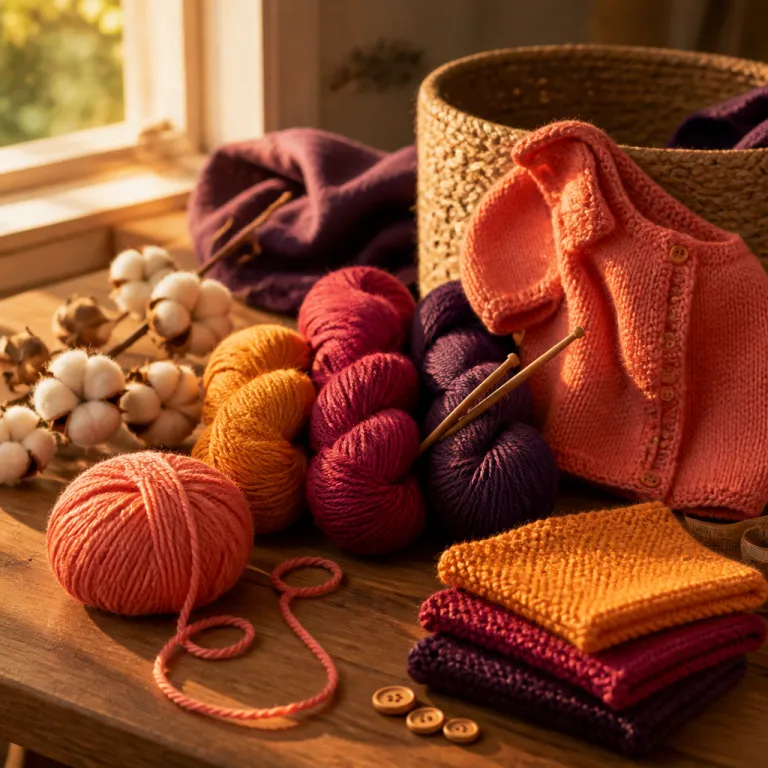
Why a newborn cotton sweater is the quiet hero of first outfits
A well made newborn cotton sweater wraps a baby in softness while still looking impeccably styled. For style conscious parents and readers who follow children’s fashion, this single knit becomes the anchor of those first portraits, hospital exits, and family gatherings. A curated rotation of newborn sweaters lets you keep every baby outfit relaxed yet refined, without sacrificing comfort.
Pure cotton and especially organic cotton regulate temperature better than many synthetic winter clothes, which matters when a baby cannot yet adjust body heat efficiently. Choosing an organic baby sweater knit also reduces the risk of irritation on delicate skin, particularly around the neck and sleeve seams. Parents who care about aesthetics quickly notice that a fine knit sweater drapes more elegantly over a baby romper or bodysuit than a bulky fleece layer.
When you evaluate a newborn cotton sweater, look first at the knit density and the yarn twist. A tighter sweater knit resists pilling and keeps its shape after repeated washing, which is crucial when one garment is worn several times a week. For fashion forward families, this durability means the same cardigan sweater can move from one child to the next while still looking like a new product, especially when the label specifies tested shrinkage and colorfastness standards.
Fabric, organic standards, and how they shape infant essentials
Fabric choice defines how a newborn cotton sweater feels against the skin and how it photographs in natural light. Long staple organic cotton yarns create a smoother knit sweater surface, which reflects light softly and flatters tiny features in close up shots. When you compare products, look for labels that specify organic baby certification such as GOTS (Global Organic Textile Standard) and avoid vague claims that simply mention cotton without details or independent verification.
Parents who already love organic baby dresses often gravitate toward coordinated sets that pair a baby sweater with organic cotton bodysuits or rompers. For example, many capsule wardrobes for baby girls now mix a fine cardigan sweater with organic cotton short sleeve and long sleeve dresses to create layered looks that work from fall winter into early spring. This approach keeps the cost of each outfit reasonable, because one knit sweater can top several dresses and still feel fresh.
From a sustainability perspective, investing in fewer but higher quality sweaters and cardigans reduces the total number of products you buy. A higher initial price often balances out when the sweater survives multiple seasons and even passes between cousins of different ages. When you calculate the effective cost per wear, a premium newborn cotton sweater frequently beats cheaper sale items that lose shape quickly, particularly when the garment has been tested for durability in third party labs.
Design details that elevate a baby sweater from basic to collectible
Designers now treat the newborn cotton sweater as a statement piece, not just a practical layer. Neck shapes, from classic crew neck to delicate V neck, change how a baby outfit frames the face and how easily you can slip the sweater over the head. For newborns, many pediatric clothing specialists prefer envelope or buttoned neck designs because they reduce friction on the scalp and ears.
Sleeve length also matters more than many parents expect when styling baby outfits. A long sleeve knit sweater offers better coverage for fall winter days, while a lighter cardigan with bracelet length sleeve works beautifully over rompers in heated interiors. When you style toddler looks, rolling the cuffs of sweaters creates a fashion forward proportion and extends the life of each piece as the child grows.
Thoughtful details such as tonal buttons on a cardigan sweater or subtle contrast tipping on the sleeve edges instantly elevate the look. For families who enjoy dressing their children with a fashion focus, these elements turn everyday products into heirloom pieces that photograph beautifully and feel special. When pairing with footwear, a refined knit sweater balances perfectly with classic angel baby shoes to create a complete, timeless ensemble.
Price, value, and how to read labels like a fashion editor
Evaluating the price of a newborn cotton sweater starts with understanding what you actually pay for. The standard retail price usually reflects yarn quality, knit gauge, and finishing details such as reinforced necklines or hand linked seams. When you see a lower sale price, ask whether the sweater knit, cotton blend, or construction has been compromised to reach that figure.
Many premium brands now list a clear unit cost on multi pack sweaters, which helps you compare products across collections. A cardigan sweater sold as part of a set might appear expensive, yet the effective price per piece can be lower than buying separate sweaters at full retail. Always check whether the listed amount refers to a single sweater or to multiple knits in one product bundle.
Online, rating systems using stars give another layer of insight into real life performance. Pay attention to comments about shrinkage, softness after washing, and how the long sleeve holds its shape on an active toddler. When a newborn cotton sweater maintains four and a half to five stars over many reviews, that consistency often justifies a higher price, especially if the piece transitions between siblings without visible wear.
Styling newborn cotton sweaters for boy, girl, and everything in between
Styling a newborn cotton sweater for a baby boy or baby girl no longer means following rigid color rules. Many fashion forward parents choose gender fluid palettes, then let accessories define whether the look leans more traditionally feminine or masculine for a specific occasion. A soft oatmeal knit sweater, for example, works equally well over floral leggings or over corduroy trousers.
For fall winter, layering is the key to both style and comfort in infant wardrobes. Start with a breathable organic cotton bodysuit, add a newborn cotton sweater or cardigan sweater, then finish with tailored winter clothes such as wool blend trousers or knit bloomers. This structure allows you to remove one layer at a time as interiors warm up, keeping the baby comfortable without sacrificing the overall outfit.
As babies grow into toddler stages, the same sweaters can be reimagined with more directional pieces. A classic crew neck knit sweater suddenly feels modern when paired with slim joggers and sleek riding boots, such as the styles reviewed in this guide to children’s riding boots in classic tones. For readers who follow kids’ fashion trends closely, this versatility turns each sweater into a styling tool rather than a single season purchase.
Care, longevity, and building a mini capsule wardrobe around sweaters
Proper care dramatically extends the life of every newborn cotton sweater in a child’s wardrobe. Washing on a gentle cycle at 30 °C / 86 °F preserves the knit structure and prevents distortion at the neck and sleeve openings. Laying sweaters flat to dry rather than hanging them avoids stretching, especially in heavier sweater knit constructions.
When you plan a capsule wardrobe, think in terms of a few strategic products rather than many impulse buys. Two or three neutral knit sweater styles, one statement cardigan sweater, and a couple of patterned sweaters can cover most fall winter and early spring needs. This approach keeps overall spending under control while ensuring each piece works hard across multiple outfits.
Storage also matters for maintaining shape and texture over time, particularly if you plan to pass pieces between siblings. Fold each baby sweater carefully, avoid overcrowding drawers, and use breathable cotton bags for long term storage of special winter clothes. With this level of attention, a favorite newborn cotton sweater can remain beautiful enough to earn five stars in family photo albums for years.
Key figures shaping the newborn cotton sweater market
- According to the Organic Trade Association’s 2021 Organic Industry Survey, U.S. sales of organic cotton fiber products rose by roughly 4 % year over year, with baby apparel and nursery textiles highlighted as a particularly dynamic category (figures as reported by the association at the time of publication).
- Data summarized by the American Academy of Dermatology in 2020 notes that up to 20 % of children worldwide are affected by atopic dermatitis, encouraging many parents to choose breathable cotton and organic cotton sweaters instead of synthetic winter clothes; always consult the latest AAD resources for updated statistics.
- A 2019 consumer survey from the Good Housekeeping Institute reported that more than 70 % of parents were willing to pay a higher price for baby sweaters that demonstrated better durability and softness after at least ten wash cycles, based on the organization’s product testing and reader panels.
- Market analysis published by Euromonitor International in 2020 indicated that unisex or gender neutral color palettes accounted for close to 40 % of new baby apparel launches in several key markets, which directly influences how designers create newborn cotton sweater collections and color stories.
FAQ about newborn cotton sweaters and infant essentials
How many newborn cotton sweaters does a baby really need ?
For most families, three to five newborn cotton sweaters are enough to cover daily wear, unexpected spills, and laundry gaps. A mix of two neutral knit sweater styles, one warmer sweater knit for fall winter, and one lighter cardigan sweater usually works well. Fashion focused parents may add one extra statement baby sweater for special occasions or photos.
Is organic cotton worth the higher price for baby sweaters ?
Organic cotton often feels softer against sensitive skin and is produced with stricter environmental standards than conventional cotton. For babies prone to irritation, an organic baby sweater can reduce friction and overheating compared with some synthetic winter clothes. Many parents find that the higher purchase price is offset by better comfort and longer lasting softness.
What is the best way to wash a newborn cotton sweater ?
Use a gentle detergent, cool water around 30 °C / 86 °F, and a delicate cycle to protect the knit structure. Place the baby sweater in a mesh bag to prevent stretching at the neck and sleeve, then reshape and dry it flat on a towel. Avoid high heat, because it can shrink cotton fibers and distort carefully designed products.
Can a newborn cotton sweater work for both baby girls and baby boys ?
Yes, many designs now use neutral colors and minimal details so one piece can move easily from baby girl to baby boy or between siblings. Styling with accessories such as hats, tights, or trousers lets you shift the look toward a more feminine or masculine mood. This flexibility improves value per wear and supports a more sustainable wardrobe.
How do I choose the right size for a newborn cotton sweater ?
When in doubt, size slightly up so the sweater can span the newborn and early toddler months. Check each brand’s measurements carefully, because sizing can vary even when the price tiers look similar. As a rough guide, many newborn sweaters fit up to 21 in / 53 cm in length and 9 lb / 4 kg in weight, while 0–3 month sizes often allow a little extra room for layering.