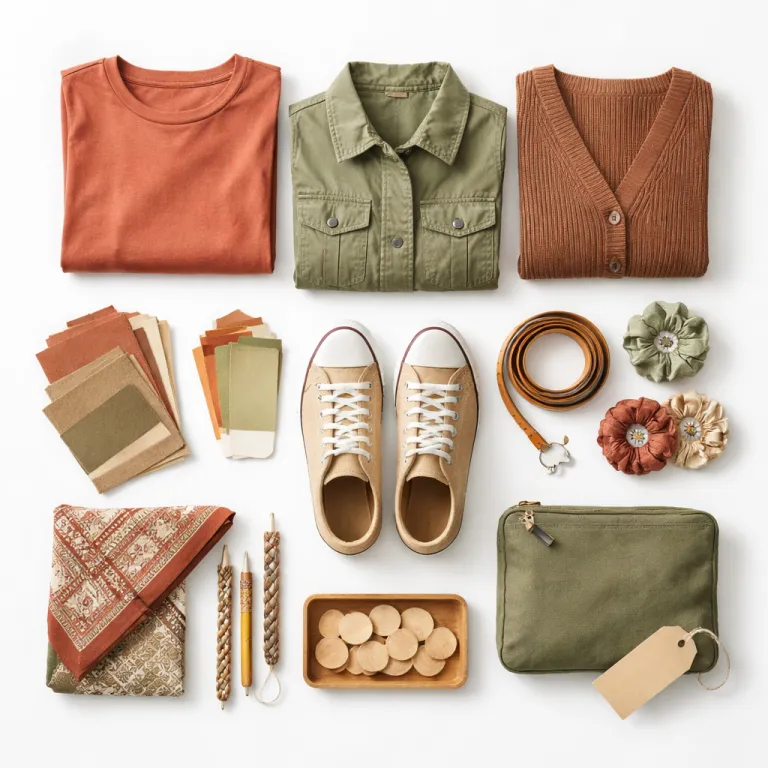

When parents control every outfit, everyone loses
Most parents still treat tween fashion choices as a reward, not a right. During the tween years, clothing becomes one of the first safe arenas where kids test identity, push boundaries and rehearse autonomy. When adults clamp down on every outfit, they are not protecting childhood ; they are shrinking the practice field for future decision making.
Research on adolescence shows that perceived autonomy in low risk areas, such as clothing and hairstyles, is linked to better emotional regulation and fewer power struggles at home. If a tween girl can negotiate her outfits for school, she is quietly learning how to argue a case, manage a budget and read social codes without the stakes of exams or relationships. Treating fashion as trivial ignores how deeply these mini fashion experiments shape confidence, especially for tween girls who are navigating body changes and peer scrutiny.
Think about the last time you overruled a child’s outfit because it did not match your ideas of taste or because you feared comments from other parents at the school gate. That moment probably escalated faster than any debate about vegetables, because clothing tween decisions sit right on the fault line between self and family image. When you dictate every item of clothing, from dresses to denim, you send a quiet message that their instincts cannot be trusted, and that message travels far beyond the wardrobe.
There is a difference between saying “no crop tops at school because it is not age appropriate” and “you look ridiculous in that, go change”. The first respects that tween fashion can still be expressive within boundaries ; the second shames the child and kills curiosity about style. Over time, constant vetoes can push kids to hide clothes in their backpack, change at school, or lean harder into extreme fashion trends just to reclaim a sense of control.
Parents who move from gatekeeping to coaching treat clothing stores and every clothing store trip as a shared lab, not a battlefield. They walk through the shop with a clear budget, talk openly about sales, and still leave space for options tween kids can own, even if the final outfit is not what they would wear themselves. That shift is not indulgence ; it is training for the real world, where your tween will soon make bigger choices with far higher stakes than a pair of jeans.
From gatekeeper to coach: guiding without dictating
Letting tween fashion choices lead does not mean abandoning standards. A coaching parent sets three non negotiables for every outfit : weather appropriate, occasion appropriate, and physically comfortable stylish enough for a full day of movement. Within that frame, the child gets to play with style, colour and silhouette, whether they lean streetwear, skater or soft girl aesthetics.
One practical tool is the “three choices” method, which works especially well with strong willed tween girls and equally opinionated tween boys. You agree on a category, such as denim or dresses, then you pre select three clothing tween options that meet your criteria for fit, fabric and age appropriate coverage. Your tween then chooses one outfit from those options, which preserves their sense of control while still respecting your boundaries on school rules, family values and budget.
Budget per season agreements are another quiet revolution in tween clothing autonomy. For spring fashion, you might set a fixed amount and let your tween decide how to divide it between girls clothing basics, one statement piece from a tween boutique, and maybe a pair of sneakers they have seen on TikTok. When the money is finite, kids quickly learn that chasing every fashion trend means sacrificing something else, and that lesson is more valuable than any single piece of clothing.
Guidance also means naming what is non negotiable for you and what is pure preference. You might insist that school outfits cover shoulders and midriff, but be flexible about bold graphics, clashing colours or unexpected layering that reflects their interests. A parent who says “I care about warmth and respect, I do not care if your mini fashion moment involves five shades of green” is teaching discernment, not control.
If you want a deeper framework for this shift from control to coaching, the piece on why tweens need style autonomy and how to guide it offers concrete scripts and boundary setting examples. The core idea is simple but radical for many families ; you are not the stylist, you are the consultant, and your tween is the client learning to brief, choose and live with their own fashion decisions. Over time, that approach builds a style tween who can navigate clothing stores with confidence instead of anxiety, and who sees clothes as tools for self expression rather than weapons in a daily war with you.
Streetwear as a tween language of self expression
Streetwear has become the unofficial uniform of the tween years, and that is not an accident. Sneakers, hoodies, graphic tees and relaxed denim give kids a flexible vocabulary to signal interests, align with peer groups and still stay physically free to run, climb and sprawl on the floor. When we talk about tween fashion today, we are really talking about how kids remix global street culture into something intensely local and personal.
Look at a typical school corridor and you will see this language in motion. One girl might pair wide leg denim from a mainstream brand like American Eagle with a cropped varsity jacket and a vintage band tee borrowed from a parent, creating an outfit that nods to both TikTok trends and family history. Another tween might lean into mini fashion details from a small tween boutique, such as contrast stitching or unexpected fabric mixes, layered over basic girls clothing from larger clothing stores to keep the look grounded and wearable.
Streetwear also softens the line between girls and boys clothing, which can be liberating for many kids. Oversized hoodies, cargo trousers and stacked jeans, as explored in the feature on the trend of boys stacked jeans, are increasingly worn by tween girls who are tired of hyper fitted silhouettes. This shift gives more options tween kids who want comfortable stylish pieces that do not scream “princess” or “athlete” but sit somewhere in between, reflecting the fluidity of their interests.
Parents sometimes worry that streetwear looks too grown up, but the real question is whether the pieces are age appropriate in cut, print and context. A graphic tee with a skate brand logo is very different from one with adult humour, even if both come from the same clothing store. The job is not to ban streetwear, but to curate it ; to steer kids toward fashion trends that celebrate creativity and movement rather than status and exclusion.
When you respect streetwear as a legitimate style tween language, you can have better conversations about what certain logos, slogans or silhouettes communicate. You can ask your tween why a particular pair of denim or a specific hoodie matters to them, and listen for the story underneath the fabric. That story is where real fashion tween identity is being written, long before any formal coming of age moment.
Negotiating real life wardrobes that survive the playground
Building a tween wardrobe that honours autonomy and still works for daily life is less about single statement pieces and more about systems. Start with a core rail of clothes that can handle school, weekend and family events ; think soft denim, cotton tees, breathable dresses and one or two jackets that layer easily across seasons. Around that core, let your tween add bolder outfits that reflect current interests, whether that is K pop, skate culture or a particular gaming universe.
For spring, agree on a capsule of spring fashion pieces that can be worn at least three ways each. A striped knit dress from a boutique clothing label can work with leggings and trainers for school, bare legs and sandals for a party, or layered over jeans for a cooler day. When kids see how one outfit can flex across contexts, they start to value versatility over sheer volume, which is a quiet antidote to the endless sale culture pushed by many clothing stores.
Summer brings its own negotiations, especially around shorts length, swimwear and what counts as age appropriate for fashion summer looks. Here, the coaching role is to insist on sun protection, secure fits and fabrics that dry quickly, while letting your tween choose colours, prints and cuts within that frame. A bikini is not automatically less innocent than a one piece ; what matters is whether your child feels comfortable stylish and safe enough to actually swim, jump and play without constant adjustment.
Do not underestimate the power of specialty spaces like a well curated tween boutique or a focused kids fashion shop. These environments often understand the fit quirks of tween bodies better than generic clothing stores, offering tween clothing that is cut for growth spurts, broader shoulders or developing curves without defaulting to adult silhouettes. Used strategically, a boutique clothing purchase can anchor a whole season of more affordable basics from larger chains, giving your tween one or two hero pieces they are genuinely excited to build outfits around.
For parents juggling younger siblings, it is worth revisiting how toddler and tween wardrobes intersect, especially around durability. The guide on outfit ideas that survive playgrounds translates surprisingly well to older kids ; fabrics that resist stains, seams that do not chafe, and silhouettes that allow climbing are just as crucial in the tween years. In the end, the best tween fashion choices are not what photographs well, but what survives the playground.
Key figures on tween style, autonomy and identity
- Studies in developmental psychology consistently show that ages 8 to 14 are a critical window for identity formation, and clothing choices are one of the earliest low stakes arenas where kids test self expression and social belonging.
- Surveys of media use among children in this age group report that platforms such as TikTok and Instagram are now top drivers of style inspiration, often outranking traditional advertising and even peer observation in physical school environments.
- Market research on kids and tween clothing indicates that parents who involve their children in purchasing decisions report fewer daily conflicts about outfits, and those families are more likely to describe their kids as confident and comfortable stylish in their own skin.
- Data from major clothing retailers show that categories such as denim, graphic tees and athleisure have grown faster than formalwear in the tween segment, reflecting a shift toward streetwear inspired fashion trends that prioritise movement and versatility.
- Consumer behaviour analyses suggest that when tweens are given a fixed seasonal budget for clothes, they tend to choose fewer but higher quality pieces, which can reduce overall wardrobe turnover and support more sustainable fashion habits over time.