Why changing pad dimensions matter for infant style and safety
Changing pad dimensions quietly dictate how harmonious your nursery layout feels. When the pad length and width align with your changing tables and crib spacing, every diaper changing moment looks intentional and beautifully styled. A well proportioned pad also keeps the baby centered, which supports baby safety during quick diaper changes.
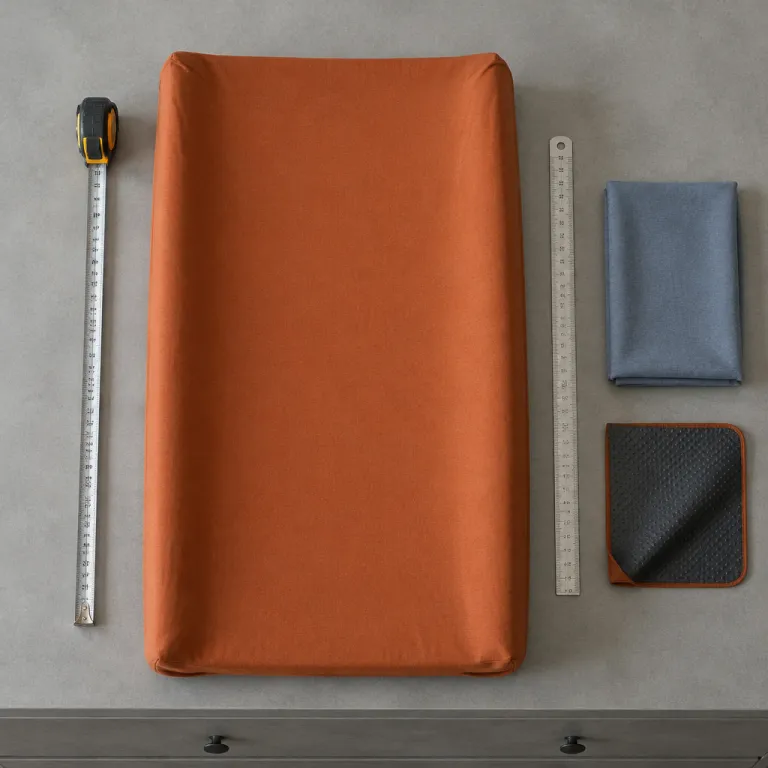
Parents who love fashion often focus on color and fabric first, yet the standard size and thickness of the pad shape the whole changing corner. A pad that is too long for the unit can push against the wall, while a pad that is too narrow leaves awkward gaps that make care clean routines harder. Always measure the surface of your product with a tape measure, then compare those numbers to the stated changing pad dimensions on the label before you choose any set of accessories.
For most brands, a regular changing pad measures around 80 cm in length and 40 to 45 cm in width, with 8 to 10 cm of foam height. These standard changing pad sizes allow you to mix pad covers from different labels, coordinate the color story, and still keep the safety strap correctly positioned. When the pad and pad cover fit perfectly, the surface stays soft comfortable for the baby while remaining tight enough for easy clean care with surface wipes and water.
Matching changing pad dimensions to your nursery furniture
Every stylish nursery starts with a clear plan for how the changing pad dimensions relate to the furniture footprint. Measure the top of your changing tables, the distance to the crib, and the wall clearance, then map where the pad, basket, and diaper product storage will sit. This prevents awkward overhangs, protects baby safety, and keeps the visual lines of the room clean.
When the pad is shorter than the table, you can style a narrow tray beside it for surface wipes, water spray, and a folded sheet or muslin. If the pad is almost the same length as the unit, keep accessories above in wall shelves so the safety strap remains fully accessible. Always check the regular price and the unit price of each pad, because a slightly higher price can bring better foam density and a more stable base for diaper changing.
Parents who want a truly non toxic nursery should study both materials and dimensions together, not separately. A pad made from organic foam or covered in organic cotton only works well when the changing pad dimensions match the recommended standard size for the furniture, so the pad does not slide. For a deeper guide to elegant, non toxic options, see this resource on how to choose a truly non toxic changing pad, then cross check those insights with your own room measurements and color palette.
Choosing fabrics, pad covers, and colors that elevate baby style
Once the changing pad dimensions are confirmed, the fashion story begins with textiles. Pad covers in organic cotton feel soft comfortable on the baby’s skin, while also draping neatly over the foam corners when the fit is exact. A cover that is too small will pull at the seams, and one that is too large will wrinkle and interfere with the safety strap during diaper changes.
For a minimalist nursery, a pad cover in color gray works beautifully with pale wood changing tables and a white crib. When you choose several pad covers as a coordinated set, keep the same standard size but vary the color and subtle pattern to echo the baby wardrobe. This approach lets you align the pad, the sheet on the crib, and even infant knitwear so the whole space feels curated rather than improvised.
Parents who invest in elegant infant woolen clothes often want the changing area to match that refined mood. Consider organic cotton pad covers with delicate piping, then repeat the color on a crib sheet or a wall print for visual continuity. For more inspiration on textiles that respect both style and baby comfort, explore this guide to elegant infant woolen clothes and translate those tones into your pad covers and water resistant liners.
Balancing price, materials, and safety features in changing pads
Fashion focused parents often compare the price of several pads before committing, yet the cheapest option rarely offers the best long term value. Look beyond the regular price on the label and check the unit price per centimetre of foam thickness or per pad cover included in the set. A higher sale price can still be fair when the changing pad dimensions, materials, and safety strap design are superior.
When a product goes on sale, examine whether the price sale reflects discontinued colors or older safety standards. Some brands reduce the price because they are phasing out non organic foam in favor of organic cotton toppers and water resistant liners that are easier to care clean. Always verify that the pad still meets current baby safety recommendations and, where relevant, aligns with guidance from a recognized safety alliance in your region.
For fashion kid passionate readers, the smartest investment is often a mid range pad with robust foam, a secure safety strap, and standard size changing pad dimensions that fit many pad covers. This combination lets you refresh the look seasonally with new colors while keeping the core unit stable and safe for daily diaper changing. Over time, the effective unit price per use becomes very low, especially when you rotate several pad covers and wash them with gentle surface wipes and mild water based detergents.
Designing an infant changing zone that grows with your baby
Changing pad dimensions also influence how long your setup remains practical as the baby grows. A pad that is slightly longer within the standard size range can accommodate taller infants, extending the stylish life of your changing corner. When the pad still supports the baby from head to hips, diaper changes stay controlled and elegant rather than cramped.
Think of the changing area as part of a three year wardrobe strategy, where furniture and textiles adapt as quickly as clothes. You can read more about this mindset in the guide to how to buy kids clothes that outlast growth spurts, then apply the same logic to your pad, covers, and storage. Choose a product with durable foam and a removable pad cover so that, when the baby outgrows frequent diaper changing, the unit can transition into a cushioned bench or play surface.
Parents who plan ahead often buy a coordinated set that includes multiple pad covers, a matching crib sheet, and sometimes a small blanket. Keeping the changing pad dimensions consistent across these items ensures the textiles sit neatly without bunching, which maintains both safety and style. As the baby becomes more active, you will appreciate how a stable, soft comfortable pad with a reliable safety strap keeps the focus on gentle care rather than constant adjustments.
Practical care, cleaning rituals, and daily styling tricks
Daily maintenance rituals protect both the look and hygiene of your changing pad. After each diaper changing session, use surface wipes approved for baby safety to remove any residue, then let the pad air dry fully. This quick step preserves the foam core, protects the organic cotton fibers, and keeps the color fresh.
For deeper care clean routines, follow the product label and wash pad covers in cool water with a gentle detergent. Always respect the changing pad dimensions when drying, laying covers flat or on a line so they do not shrink and distort the standard size fit. Rotating between several pad covers in color gray and complementary tones allows you to maintain a polished aesthetic even on heavy diaper changes days.
Many fashion oriented parents keep a small styling tray beside the pad, holding a folded crib sheet, a spare pad cover, and a minimal bottle of water spray. This arrangement looks refined while staying practical for quick diaper changes and unexpected leaks. When every unit in the setup respects the original changing pad dimensions, the whole area remains visually balanced, soft comfortable, and aligned with modern safety alliance recommendations.
Key figures and standards for changing pad dimensions
- Most rectangular changing pads in Europe follow a standard size close to 80 cm by 40 to 45 cm, which fits the majority of mass market changing tables and helps ensure baby safety through predictable proportions (based on typical specifications published by major nursery retailers).
- Foam thickness for quality pads typically ranges from 8 to 10 cm, and products with at least 8 cm of dense foam tend to show better long term shape retention after frequent diaper changes, according to comparative descriptions in consumer buying guides.
- Surveys of new parents often suggest that owning at least three pad covers significantly reduces laundry stress, with many respondents saying that a three piece set feels like the minimum for easy clean routines during the first six months.
- Retail audits and trend reports frequently note that organic cotton changing pads and covers now represent a substantial share of the premium nursery textile market, reflecting growing concern about materials in direct contact with baby skin.
- Accident reports from child safety groups consistently highlight that unsecured pads placed on non compatible furniture are a major risk factor, which reinforces the importance of matching changing pad dimensions to the furniture surface and always using a safety strap.
FAQ about changing pad dimensions and stylish infant essentials
What are the most common changing pad dimensions for a nursery?
The most common changing pad dimensions are around 80 cm in length and 40 to 45 cm in width, with 8 to 10 cm of foam height. These measurements match many standard size changing tables and allow you to use pad covers from several brands. Always confirm the exact numbers on the product label before buying.
How do I know if a changing pad will fit my furniture?
Measure the usable surface of your unit or table, then compare those figures to the stated changing pad dimensions, leaving at least 1 to 2 cm of margin on each side. The pad should sit flat without overhang and allow the safety strap to be fully accessible. If the pad is larger than the surface, choose a smaller model or a different piece of furniture.
Should I prioritize organic materials or thicker foam in a changing pad?
For most families, a balanced choice works best, combining adequate foam thickness with organic cotton or low emission materials. Look for at least 8 cm of supportive foam and a removable pad cover made from breathable fibers. This pairing offers both comfort for the baby and easier care clean routines.
How many pad covers do I need for stylish but practical rotation?
Owning at least three pad covers is ideal for fashion conscious parents, because you can keep one on the pad, one in the wash, and one ready as backup. Choose a coordinated set in complementary colors, such as color gray with soft neutrals, to maintain a cohesive look. Make sure every cover is designed for your specific changing pad dimensions so the fit stays smooth.
Can I reuse a changing pad for a second baby?
You can often reuse a changing pad if the foam remains firm, the safety strap is intact, and the surface shows no cracks or stains. Replace pad covers and crib textiles to refresh the style and ensure hygiene, especially if you prefer organic cotton for the new baby. Always recheck that the changing pad dimensions still match your current furniture, particularly if you have updated your nursery layout.