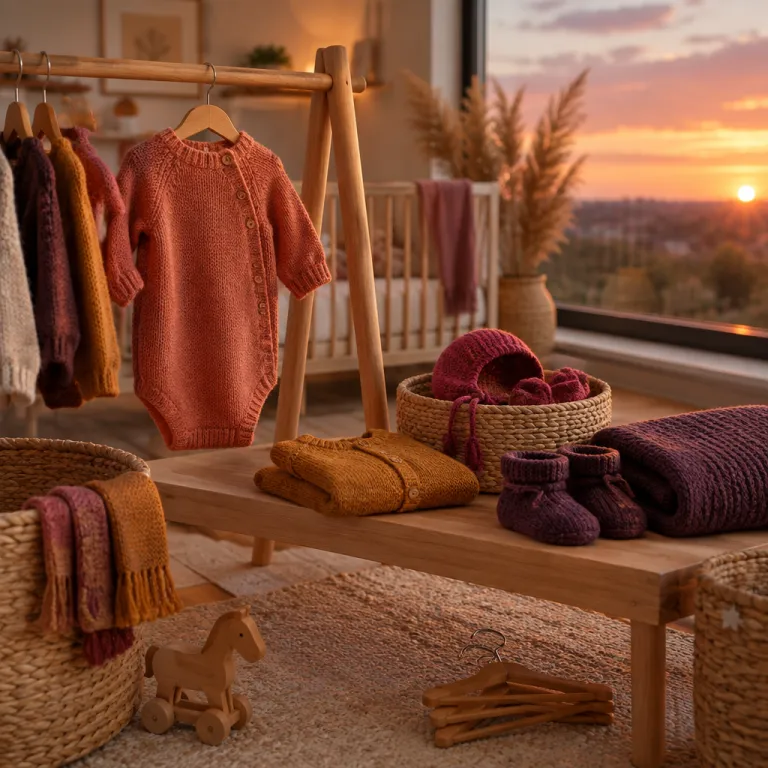

Why infant woolen clothes are the quiet luxury of early style
Infant woolen clothes sit at the crossroads of comfort and quiet luxury. For style-conscious parents who love children’s fashion, the right wool baby outfit offers softness, structure, and subtle elegance that cotton clothing alone rarely achieves. When you balance fabric choice, fit, and price with care, you create a wardrobe that feels curated rather than cluttered.
High quality merino wool is naturally temperature regulating, which keeps a baby comfortable in a wider range of indoor and outdoor conditions. This temperature regulating power means a merino baby cardigan or baby bodysuit can replace several lighter layers, giving you peace of mind when weather shifts quickly during a walk or a café stop. Many parents who choose merino wool babywear notice that naps often last longer and that quick changes between indoors and outdoors become less stressful.
Organic baby collections in merino wool and organic cotton blends now rival adult luxury clothing in refinement. Many European brands publish a clear regular price in euro and a transparent unit price in usd equivalents, helping style conscious parents compare baby clothes without guesswork. When a sale price appears, the price sale usually reflects seasonal colours rather than lower quality, which is crucial when you invest in long sleeve wool baby pieces for multiple kids or a future toddler.
Choosing fibers for infant woolen clothes that touch delicate skin
Every layer that touches a baby matters, and infant woolen clothes must respect fragile skin first. The softest merino wool fibers, usually under 19 microns, feel closer to silk than to traditional wool and rarely cause irritation. Industry guidance from the International Wool Textile Organisation (IWTO) notes that fine merino in this range is suitable for next-to-skin garments, including baby clothing, because it bends easily against the skin and reduces the prickly sensation associated with coarser wool.
Look for labels that specify merino wool and organic cotton rather than vague “wool blend” descriptions. A merino baby long sleeve baby shirt with cotton facing on the inside can be ideal for newborns who react to pure wool baby fabrics, especially around the neck and sleeves. For parents who care about textile provenance, organic baby certifications such as GOTS signal that both the wool and the cotton were processed with stricter chemical controls, which supports long term peace of mind.
Base layers deserve special attention, because they sit closest to the skin for the longest time. A finely knit baby bodysuit in merino wool or a merino baby bodysuit lined with cotton can replace a separate baby shirt and vest, reducing bulk under infant woolen clothes like rompers or dungarees. When you plan feeding time, pairing these base layers with absorbent accessories such as organic cotton muslin burp cloths protects both the clothing and the baby’s skin from constant wiping.
Design details that elevate infant woolen clothes from basic to collectible
Thoughtful design details turn infant woolen clothes into pieces that style-focused parents genuinely enjoy styling. The placement and quality of each snap, the cut of the long sleeves, and the finish of the neckline all influence how a baby moves and rests. When these details are refined, dressing becomes a quick, almost choreographed moment rather than a wrestling match.
Prioritize baby clothes with snaps that open fully along the front or between the legs, because this design allows you to lay the baby down and wrap the clothing around them. A baby bodysuit with a diagonal snap line avoids pulling wool baby fabric over a sensitive head, which is especially helpful for newborns who dislike changes. For baby pants, a wide, soft waistband in cotton or merino wool ribbing prevents marks on the tummy while still keeping the unit snug during naps and play.
Long sleeve knitwear should allow a slight roll at the cuffs, so the same baby shirt or cardigan can follow growth from baby to early toddler months. When you select hats, mittens, and booties to match infant woolen clothes, consult a precise infant hat size chart to avoid pieces that either slip off or leave marks. Coordinating these accessories with the main clothing unit creates a cohesive look that feels intentional rather than improvised.
Balancing price, value, and sustainability in wool baby wardrobes
Cost is always part of the conversation when curating infant woolen clothes for a style forward nursery. A transparent regular price in usd or euro, paired with a clear unit price per garment, helps parents evaluate whether a piece will truly earn its place in the rotation. When brands publish both regular price and sale price without hidden conditions, it becomes easier to plan a small but high performing set of baby clothing.
Think in terms of cost per wear rather than only the initial price tag. A merino wool long sleeve baby bodysuit that works as both daywear and sleepwear may replace two or three cheaper cotton alternatives, especially in climates where temperature regulating fibers shine. If a price sale appears on a classic colour such as oatmeal, grey, or navy, that unit can often be passed from baby to toddler and even to other kids in the family.
Sustainability also intersects with value, because durable infant woolen clothes reduce the need for constant replacement. Organic baby lines in merino wool and organic cotton blends often hold their shape better than fast fashion clothing, which preserves both fit and resale value. When you eventually pass on baby pants, a baby shirt, or a wool baby cardigan, the next family benefits from your original investment and your careful fabric choices.
Practical styling: layering infant woolen clothes for real life
Real wardrobes for babies must handle spills, naps, and sudden weather changes without sacrificing style. A simple formula starts with a soft baby bodysuit, adds a long sleeve merino baby sweater, and finishes with baby pants or a romper in a coordinating tone. This three piece structure keeps the baby comfortable while allowing quick view checks of the layers during the day.
For outings, infant woolen clothes pair beautifully with technical outerwear that protects against wind and rain. When your baby grows into a toddler, you can extend this layering logic with waterproof over trousers, such as the raspberry pink rainwear reviewed in this children’s waterproof over trousers test, while keeping merino wool base layers close to the skin. The combination of temperature regulating wool and weatherproof shells gives parents peace of mind during playground sessions or stroller walks.
At home, keep a small rail or shelf where you can view each clothing unit at a glance, almost like a boutique quick view display. Group baby clothes by function, such as sleep, daywear, and special occasions, rather than by strict colour rules, so you can assemble outfits quickly during busy mornings. This visual system opens window after window of styling possibilities, helping style conscious parents refresh their creativity without constantly buying new clothes.
Digital shopping habits and accessibility for fashion focused parents
Online shopping has transformed how parents curate infant woolen clothes, but not every interface respects the realities of life with a baby. When a site allows you to skip content that is irrelevant and jump straight to size, fabric, and care details, you save precious minutes during nap time. Clear quick view options that show long sleeves, snap placement, and fabric composition help you judge whether a baby shirt or baby bodysuit will truly work in your existing wardrobe.
Accessibility features matter as much as aesthetics for many families. Parents using screen readers benefit from well structured pages where skip content links, descriptive headings, and accurate alt text make browsing baby clothing less exhausting. When a product page opens window overlays for size guides or care instructions, those overlays should refresh cleanly and close easily, so the user does not lose their place while comparing unit price and sale price details.
Some premium brands now present infant woolen clothes with 360 degree views and short videos that show how the fabric moves on real babies and kids. This richer view of garments, especially for merino wool and organic cotton blends, reduces returns and helps parents choose the right size the first time. As digital experiences improve, style focused shoppers can focus more on styling and less on navigating clumsy clothing interfaces.
Key figures shaping the market for infant woolen clothes
- Industry reports from the International Wool Textile Organisation indicate that fine merino wool under 19 microns represents a growing share of wool used in next to skin garments, reflecting rising demand for softer fibers in baby clothing.
- Data published by the Organic Trade Association shows that organic fiber sales, including organic cotton and organic wool, reached roughly $2.3 billion in the United States in 2022, continuing a decade of steady growth and suggesting that more parents are willing to pay a higher regular price for organic baby textiles.
- Market research providers such as Euromonitor International have reported that global baby and toddler apparel sales have grown in recent years, with wool baby and merino baby categories gaining visibility as parents seek temperature regulating options for varied climates.
- Consumer surveys from major European retailers suggest that transparent unit price information and clear sale price labelling significantly increase trust, especially among parents purchasing infant woolen clothes online.
FAQ about infant woolen clothes for style focused parents
Are infant woolen clothes safe for sensitive baby skin ?
Yes, when you choose high quality merino wool or merino wool blended with organic cotton, infant woolen clothes can be very gentle on sensitive skin. Look for fine fibers, usually under 19 microns, and avoid rough traditional wool that can feel scratchy. Always wash new baby clothes before first wear using a mild, wool safe detergent.
How many wool baby pieces does a newborn really need ?
A focused newborn wardrobe can work with four to six merino baby bodysuits, three to four long sleeve baby shirts or sweaters, and three pairs of baby pants. This rotation allows for quick changes after spills while keeping laundry manageable. Add one or two wool baby cardigans for layering during cooler outings.
Can infant woolen clothes be worn in warmer climates ?
Temperature regulating merino wool performs well in both cool and warm conditions, because it wicks moisture and allows air circulation. In hotter climates, choose lightweight knits and prioritize a single merino baby bodysuit layer rather than multiple cotton pieces. Always monitor the baby’s neck and back to ensure they feel comfortably warm, not hot.
How should I care for merino wool baby clothing to make it last ?
Most merino wool baby clothing benefits from gentle machine washing on a wool cycle or hand washing in cool water, around 30°C (86°F). Use a wool specific detergent, avoid fabric softeners and bleach, and dry garments flat on a towel to maintain their shape. Washing less frequently, thanks to wool’s natural odour resistance, also extends the life of infant woolen clothes.
Is it worth paying a higher price for organic baby wool garments ?
For many families, the higher regular price of organic baby wool garments is justified by softer hand feel, stricter chemical controls, and better durability. When you calculate cost per wear, a well made organic merino wool baby bodysuit or baby shirt often outperforms cheaper alternatives. If budget is tight, prioritize organic options for pieces that stay closest to the skin and are worn daily.