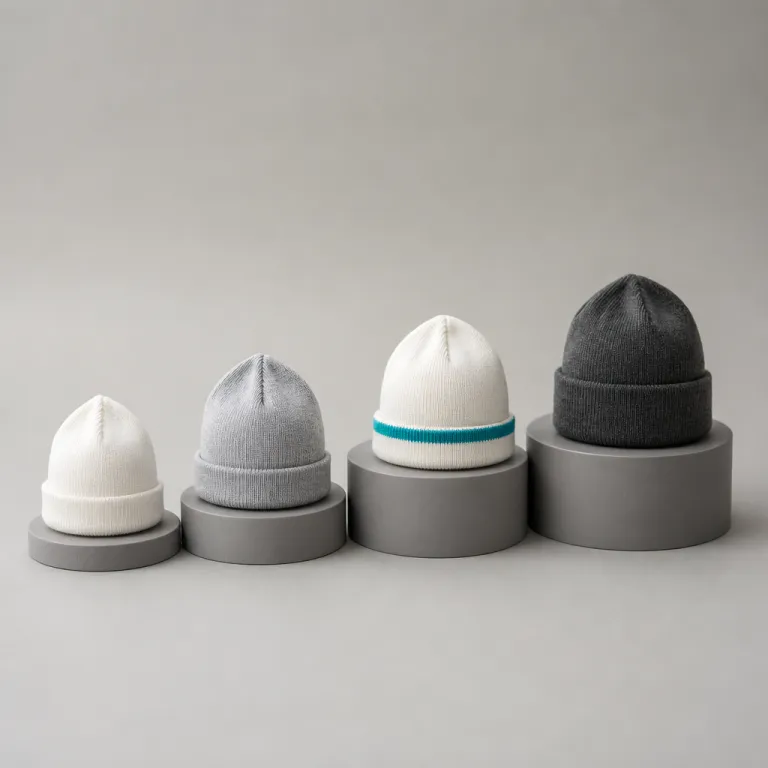

Infant hat size chart: how to measure, fit, and style baby hats
Why an infant hat size chart is the new style essential
An elegant infant outfit collapses without the right hat size. A precise infant hat size chart turns styling from guesswork into a confident ritual, especially when you care about proportion and silhouette. When parents understand sizing and measurement in detail, every baby accessory suddenly looks couture rather than improvised.
For fashion kid passionate readers, the relationship between a baby head and hat circumference matters as much as colour or fabric. A well balanced crown line, mapped against accurate head circumference measurements in centimetres and inches, frames the face like a miniature runway look. When you rely on a clear size chart, you protect comfort while elevating every photograph, from newborn weeks to many months later.
Designers of baby hats quietly obsess over measurement chart data. They refine hat sizes so that each size guide reflects real head growth across the first years of life. When you read an infant hat size chart carefully, you start to see how each hat measurement supports both safety and style, grounded in paediatric head circumference references from organisations such as the World Health Organization (WHO) and the American Academy of Pediatrics (AAP).
Reading infant head measurements with a stylist’s eye
Everything begins with how you measure the baby head. Use a soft tape to measure around the head circumference, passing just above the eyebrows and the fullest part of the crown. This single head measurement, converted into both centimetres and inches, anchors every reliable sizing chart you will ever consult.
Parents often ask how tightly they should measure for an accurate hat measurement. The tape should sit snug yet gentle, mimicking how a baby hat or knit hat will rest during daily wear without leaving marks. Record these measurements in a notebook or digital chart, then compare them with the infant hat size chart printed on labels or brand websites.
Growth tempo matters as much as static numbers when you interpret hat sizing. During the first six months, head circumference can change by several centimetres, so re measure every few weeks rather than relying on old measurements. WHO head circumference-for-age standards and AAP summaries show that many infants gain roughly 1.5 to 2 centimetres per month in this period, which is enough to shift a hat size if you are not tracking carefully.
Quick measuring routine for fashion‑minded parents
- Place baby upright or slightly reclined so the head is relaxed but steady.
- Position a flexible tape just above the eyebrows and ears, circling the fullest part of the back of the head.
- Hold the tape snug but not tight; you should be able to slide one finger underneath.
- Note the number in centimetres, then convert to inches if needed (divide by 2.54) and add it to your printable or digital infant hat size chart.
- Compare the result with the infant hat size chart, choosing the size that matches or slightly exceeds the measurement for non‑stretch hats.
Tip: A simple measuring diagram showing the tape above the eyebrows and around the widest part of the head, plus a downloadable blank chart for recording dates and measurements, makes this routine fast and repeatable.
From crochet hat to knit hat: how construction changes sizing
Not all hats behave the same way once they leave the measurement chart. A crochet hat, a knit hat, and a woven sun hat each respond differently to head circumference and hat measurements. Understanding fabric structure lets you read any infant hat size chart with the precision of a pattern maker.
Crochet baby designs, especially dense crochet hats, usually stretch less than fine ribbed knit hats. When a size guide lists hat sizes for crochet baby pieces, you often need slightly more hat circumference than the exact head measurement to avoid pressure. In contrast, a ribbed knit hat can safely incorporate negative ease, meaning the finished hat size is smaller than the head so that the fabric hugs gently without slipping.
Pattern writers reflect these nuances in every size chart and sizing chart they publish. A chart crochet section may show different measurements for the same age in months, depending on whether the pattern uses cotton, wool, or bamboo blends. When you choose between crochet hat patterns and knit hat patterns, always cross check the infant hat size chart with fibre content and stretch, then style the final hats with soft headbands, such as those highlighted in an organic newborn headband guide.
Age specific infant hat sizes from newborn weeks to toddler years
Age labels on baby hats can mislead even experienced fashion parents. A tag that reads “0 to 3 months” may fit only a few weeks if the baby head circumference sits above average. That is why a detailed infant hat size chart, listing both months and centimetres or inches, always outranks vague age ranges.
For newborn sizes, many size guide tables start around 33 to 36 centimetres in head circumference. By three months, the same measurement chart often shifts toward 40 to 42 centimetres, while nine to twelve months may reach beyond 46 centimetres, depending on growth patterns. As children approach two years and beyond, hat sizing stabilises slightly, yet a refined size chart still tracks subtle increases that influence crown depth and overall hat measurements.
Parents who curate capsule wardrobes for several years quickly learn to read between the lines of hat sizing. They compare multiple size charts from different brands, then align those charts with personal head measurements taken at home. When outdoor styling enters the picture, such as pairing rainwear with a beanie for older children, a precise hat size becomes as critical as trouser length, especially when layering under pieces like waterproof over trousers for outdoor play.
Sample infant hat size chart (based on WHO and AAP growth data)
| Age range | Head circumference (cm) | Head circumference (inches) |
|---|---|---|
| Newborn (0–2 weeks) | 33–36 cm | 13.0–14.2 in |
| 0–3 months | 36–40 cm | 14.2–15.7 in |
| 3–6 months | 40–43 cm | 15.7–16.9 in |
| 6–9 months | 43–45 cm | 16.9–17.7 in |
| 9–12 months | 45–48 cm | 17.7–18.9 in |
| 12–24 months | 47–50 cm | 18.5–19.7 in |
| 2–5 years | 49–52 cm | 19.3–20.5 in |
Figures adapted from the World Health Organization Child Growth Standards for head circumference-for-age and American Academy of Pediatrics head circumference references; individual babies may fall outside these ranges and should always be measured directly.
Designing and buying with a pattern level understanding of fit
Fashion kid passionate readers often move from buying to designing baby crochet or knit pieces. When you read a pattern, the infant hat size chart attached to it becomes your technical blueprint. Each row count, crown shaping line, and stitch pattern relies on the underlying hat measurement data.
For crochet baby projects, chart crochet diagrams usually show how the crown expands before the sides of the hats grow downward. Designers calculate negative ease deliberately, subtracting a small amount from the head circumference so that finished hat sizes stay secure without sliding over the eyes. When you follow hat patterns closely and compare your work to the measurement chart, you can adjust the size by adding or removing rounds at the crown.
Buying ready made baby hats benefits from the same pattern based thinking. Look for labels that publish a full sizing chart, including head circumference, hat circumference, and recommended ages in months and years. When a brand shares transparent hat sizing and hat measurements, you can treat their size guide like a trusted atelier note rather than a marketing slogan.
Styling infant hats: balancing comfort, safety, and runway worthy charm
Once the technical work of measurement is complete, styling can finally take centre stage. A perfectly chosen hat size frames the baby face, supports healthy temperature regulation, and anchors the entire outfit. Whether you choose minimalist knit hats or textured crochet hats, the infant hat size chart remains your backstage stylist.
Comfort always starts with accurate measurements and thoughtful negative ease. A hat circumference that is too small leaves marks on the head, while oversized hat sizes slip and obstruct vision during crucial developmental months. By cross referencing your own head measurements with each size chart and sizing chart, you ensure that every baby hat feels as gentle as it looks refined.
Safety details also intersect with fashion choices in subtle ways. Lightweight fibres, breathable stitches, and secure yet soft bands around the crown all rely on precise hat sizing and reliable hat measurements. When you treat the infant hat size chart as a non negotiable styling tool, you elevate everyday baby crochet and knit pieces into a coherent wardrobe that respects both aesthetics and wellbeing.
Key statistics on infant head growth and hat sizing
- Average newborn head circumference ranges from 33 to 36 centimetres at birth, according to the World Health Organization Child Growth Standards for head circumference-for-age, which directly informs the smallest sizes on any infant hat size chart.
- During the first three months, infant head circumference typically increases by about 1.5 to 2 centimetres per month, based on summary data reported by the American Academy of Pediatrics and WHO growth curves, making frequent re measurement essential for accurate hat sizing.
- By twelve months, many babies reach a head circumference of roughly 46 to 48 centimetres, as shown in paediatric growth references derived from WHO and AAP materials, which explains why size charts often group 9 to 12 months into a distinct hat size category.
- Head growth slows significantly after two years, with an average increase of only about 2 to 3 centimetres until five years of age, so toddler hat sizes remain usable for longer periods when the initial measurement is correct.
- Textile engineering studies on stretch fabrics used in children’s garments report that a negative ease of around 5 to 10 percent in ribbed knits offers the best balance between secure fit and comfort for infant hats, supporting the guidelines many pattern writers use.
FAQ about infant hat size charts and stylish baby fits
How often should I re measure my baby’s head for hat sizing ?
During the first six months, re measure head circumference every four to six weeks, because growth is rapid and even a small change can shift the ideal hat size. From six to twelve months, checking every two to three months usually aligns with most infant hat size chart updates. After the first years, measuring twice a year is often enough unless your child experiences unusually fast growth.
Should I choose a hat size based on age or head circumference ?
Always prioritise head circumference over age labels when selecting baby hats. Age in months or years offers only a rough guide, while actual measurements in centimetres and inches correspond directly to each size chart. When in doubt between two hat sizes, choose the one that best matches the measurement chart rather than relying on age alone.
What is negative ease in infant hats, and is it safe ?
Negative ease means the finished hat circumference is slightly smaller than the head circumference so that the hat stretches to fit. In stretch fabrics such as ribbed knit hats, a modest amount of negative ease keeps the hat secure without causing pressure marks. Always check that the infant hat size chart or size guide specifies fabric type and intended ease before choosing a size.
Do crochet hats and knit hats use the same sizing chart ?
Crochet hats and knit hats often appear on the same sizing chart, but their behaviour differs because crochet usually stretches less than knit fabric. Many designers adjust hat measurements or crown shaping in crochet hat patterns to compensate for reduced elasticity. When reading an infant hat size chart, look for notes about fibre content and construction method before applying the same measurements to both styles.
How can I tell if a baby hat fits correctly ?
A well fitting baby hat sits just above the eyebrows, covers the ears comfortably, and leaves no deep marks on the skin after removal. The hat should not slide over the eyes when the baby moves, yet it should allow you to slip a finger easily between the band and the head. If the fit fails these checks, revisit your head measurements and compare them again with the brand’s measurement chart or size guide.