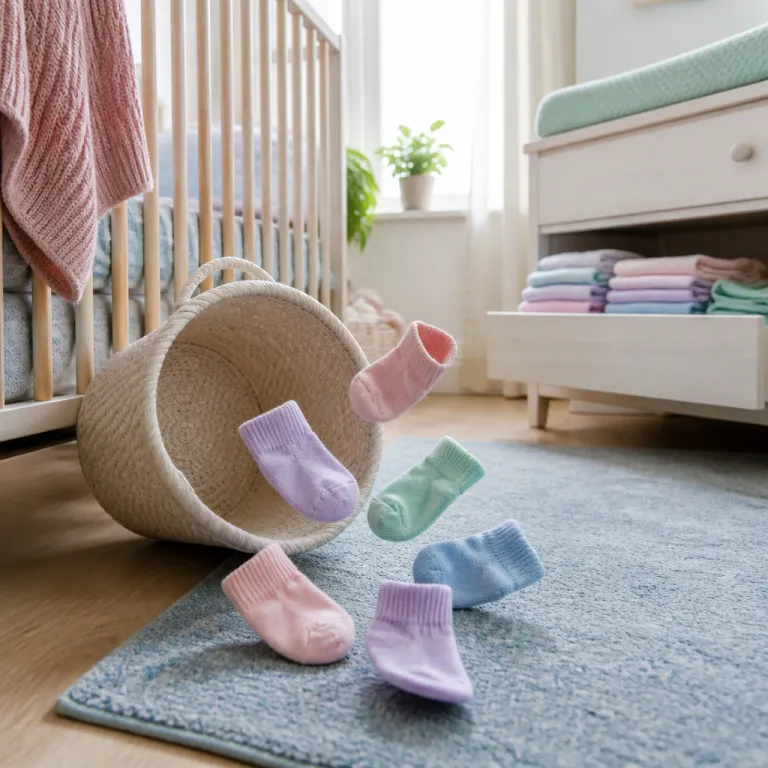

Why these organic cotton baby socks matter for infant essentials
Under the Nile six pair stretch organic cotton baby socks sit at the crossroads of style and responsibility. For readers who care about children’s fashion and ethics, this set shows how a simple pair of baby socks can express a refined aesthetic while respecting strict textile standard requirements. When you choose such socks for a baby in the first months, you are shaping both comfort and values.
Each unit in the six pair set is made from certified organic cotton with a small amount of elastane for stretch (Under the Nile typically uses around 98 percent organic Egyptian cotton and 2 percent elastane in comparable socks; always confirm the exact fibre blend on the product label or retailer page), and that organic textile choice instantly elevates the baby clothing drawer. Parents who read labels carefully will appreciate that the product aligns with the Global Organic Textile Standard, often shortened to GOTS, which defines what certified organic really means in practice. Under the Nile lists GOTS licence number CU 1000475 for its organic cotton program, so style focused families can confidently treat these socks as a long term wardrobe foundation rather than a disposable accessory.
Under the Nile positions these organic baby socks as infant essentials, not seasonal novelties. The size range is usually designed around newborn months and early months (commonly 0–3 months and 3–6 months, though you should always check the specific size chart), so the fit supports natural movement without leaving marks on delicate skin. For design driven parents comparing products and price, this six pair pack offers a balanced cost per unit while still meeting high sustainability expectations.
Understanding organic textile standards and certifications behind the socks
When a label mentions organic cotton, the statement only has weight if a recognized certification stands behind it. Under the Nile’s six pair stretch organic cotton baby socks are promoted as made from organic Egyptian cotton, and this origin matters because Egyptian cotton fibres are naturally long and soft. For parents who follow children’s style trends, that combination of organic baby comfort and refined texture is what turns basic socks into a considered clothing choice.
The most respected global organic textile standard is GOTS, and many parents now actively read hangtags to check whether a product is GOTS certified. This textile standard covers the full journey from field to finished baby clothing, including dyes, processing materials and social criteria such as fair trade aligned working conditions. When socks and burp cloths both carry a GOTS certified logo with a visible licence number, you know the entire set of infant essentials follows the same strict standard rather than mixing conventional and organic products.
Some brands also reference OEKO TEX testing, which focuses on limiting harmful substances in textiles that touch baby skin. While OEKO TEX is not an organic certification, it complements certified organic claims by addressing chemical safety at the finished product stage. Parents who want the best blend of sustainability and safety often look for both GOTS certified organic cotton and OEKO TEX Standard 100 Class I tested baby socks, then read full care instructions to maintain those qualities over many months of wear.
For a deeper dive into how organic cotton compares to conventional fibres in infant care items, you can read this guide on why organic cotton washcloths feel like quiet luxury in infant essentials. That perspective helps frame why a six pair pack of organic cotton socks belongs in the same thoughtful wardrobe as premium washcloths and burp cloths. Together, these products create a coherent, eco friendly narrative in the nursery.
Age specific sizing, softness and performance for newborn months
Infant feet change quickly in the first newborn months, so size and stretch are not minor details. Under the Nile’s six pair stretch organic cotton baby socks use a gentle rib structure that adapts to different baby foot shapes without constricting circulation. This flexibility lets style conscious parents keep a consistent look across several months, instead of constantly replacing socks that leave marks or slip off.
Organic Egyptian cotton is naturally breathable, and when knitted into baby socks it supports moisture wicking properties that help regulate temperature. While these socks are not made from merino wool, which is often praised for moisture wicking in outdoor clothing, the organic cotton blend still manages humidity better than many synthetic products. For babies who wear socks under footed rompers or gowns, that balance between warmth and breathability reduces clamminess during both daytime play and night sleep.
Parents often ask whether they should size up on socks for the first months to extend wear. With this six pair pack, the stretch allows a close yet comfortable fit, so choosing the recommended size for the baby’s age usually gives the best result. In customer feedback on major retail platforms, many reviewers note that correct size selection matters more than chasing the lowest price per unit when comfort and style are priorities, with typical comments mentioning that the socks “stay on tiny feet without leaving red marks” after repeated washing.
To complete an age specific wardrobe that feels as polished as it is practical, pair these socks with elegant newborn gowns for stylish first days. The shared focus on soft organic materials and refined detailing creates a cohesive look from head to toe. Parents who enjoy planning outfits will appreciate how such coordination turns everyday baby clothing into a curated infant essentials capsule.
Sustainability, circular fashion and fair trade values in baby clothing
Choosing Under the Nile six pair stretch organic cotton baby socks is also a statement about sustainability in the kidswear space. Organic baby products reduce reliance on synthetic pesticides, and when brands follow the global organic textile standard they must document every step of their supply chain. This transparency supports a more circular fashion mindset, where each product is designed to last through multiple months and even multiple babies.
Fair trade aligned practices are especially relevant for organic Egyptian cotton, because cotton farming communities often face volatile markets and limited protections. When a brand highlights fair trade style commitments alongside certified organic materials, parents who care about ethics can align their baby clothing purchases with their priorities. Over time, consistent demand for such socks, burp cloths and other infant essentials encourages more farms and factories to adopt higher standards.
Circular fashion in the context of baby socks means planning for second life use from the moment of purchase. A six pair pack in neutral tones can rotate through daily outfits for one baby, then be carefully stored and passed on to another child without looking dated. When you read full care instructions and follow them, the organic cotton fibres maintain softness and colour, which preserves both resale value and donation potential.
Some parents compare organic cotton socks with merino wool socks when building a minimal wardrobe. Merino wool offers exceptional moisture wicking and warmth for colder climates, while organic cotton excels in everyday breathability and easy washing. Many families keep both materials in their drawer, using organic cotton baby socks for most months and reserving merino wool socks for specific outdoor activities.
How to evaluate price, quality and reviews for six pair baby sock sets
Price is always part of the conversation, especially when buying multiple units of baby socks that may only fit for a few months. With Under the Nile’s six pair stretch organic cotton baby socks, the cost per unit often sits above mass market synthetic socks, yet the value equation changes when you factor in certification, organic materials and durability. Parents who follow children’s fashion trends tend to look beyond headline price and instead evaluate how a product performs over time.
When you read a review on Amazon or a specialist baby clothing site, focus on comments about fit, softness and how the socks wash. Repeated mentions of stable size after several laundry cycles suggest that the organic textile structure is robust, which supports both sustainability and circular fashion goals. Reviews that highlight consistent colour and shape across all six products in the pack also indicate strong quality control at the manufacturing stage.
It helps to compare these socks with other certified organic options that may use different blends or finishes. Some brands mix organic cotton with a small percentage of synthetic fibres to enhance stretch, while others rely on knitting techniques to achieve similar flexibility. If you read full product descriptions carefully, you can decide which construction method aligns best with your priorities for eco friendly materials and long term wear.
Parents who value performance often weigh organic cotton socks against merino wool socks in terms of moisture wicking and warmth. For indoor everyday clothing, organic cotton usually offers the best balance of comfort, ease of care and price, especially in a six pair pack. Merino wool socks can be reserved for colder months or outdoor adventures, complementing rather than replacing the organic baby basics in your drawer.
Styling infant outfits around premium organic baby socks
Thoughtful styling starts from the ground up, and that includes baby socks. Under the Nile’s six pair stretch organic cotton baby socks provide a clean, minimal base that works with both casual rompers and more tailored baby clothing pieces. For readers who enjoy children’s fashion, this versatility means you can build multiple looks around a single certified organic foundation.
Neutral socks in organic Egyptian cotton pair beautifully with textured knits, quilted jackets and even miniature riding inspired outfits. When planning a photoshoot or special outing, consider coordinating these socks with classic footwear such as children’s riding boots, as reviewed in this test of Moretta Gianna children’s riding boots. The contrast between soft organic textile socks and structured leather boots creates a sophisticated yet age appropriate balance.
For everyday wear during the first months, many parents build small capsule wardrobes around a limited palette. A six pair pack of organic cotton socks in complementary tones allows seamless mixing with bodysuits, burp cloths and blankets without visual clutter. When every product in the drawer follows the same sustainability and certification logic, dressing the baby becomes a quick, intuitive ritual rather than a rushed search for matching pieces.
As the baby grows beyond newborn months, these socks can transition into playtime outfits with rolled cuffs and layered textures. Pair them with soft joggers, oversized cardigans and simple beanies to create relaxed yet polished silhouettes. The key is to treat socks not as afterthoughts but as integral clothing elements that carry the same eco friendly and fair trade values as the rest of the wardrobe.
Key figures shaping organic baby socks and sustainable infant essentials
- According to the Textile Exchange Organic Cotton Market Report 2021, organic cotton represented roughly 1 percent of global cotton production, yet demand for certified organic baby clothing has grown significantly faster than conventional categories over recent seasons (see textileexchange.org for the full report).
- GOTS, the Global Organic Textile Standard, reports that thousands of facilities worldwide are now certified, indicating a broad shift toward certified organic and eco friendly materials in products such as baby socks, burp cloths and sleepwear.
- Consumer surveys from major baby retailers show that a growing share of parents are willing to pay a higher price per unit for organic baby products, especially when clear certification and fair trade style commitments are communicated on packaging.
- Market analyses of infant apparel indicate that multi pair packs, such as six pair or larger sets of socks, account for a substantial portion of sales because they offer better value while supporting consistent styling across many outfits.
FAQ about Under the Nile six pair stretch organic cotton baby socks
Are Under the Nile six pair stretch organic cotton baby socks suitable for newborn months
Yes, these socks are designed with newborn months and early months in mind, using soft organic Egyptian cotton and gentle stretch to accommodate rapid growth. The size range focuses on infant proportions, so the socks stay on without constricting delicate ankles. Always check the specific size chart for the product before ordering.
How do these organic cotton socks compare to merino wool socks for babies
Organic cotton socks offer excellent everyday breathability and are easy to wash, making them ideal for indoor use across most months. Merino wool socks provide superior moisture wicking and warmth, which is helpful in colder climates or outdoor settings. Many parents keep both materials in the wardrobe, using organic cotton as the daily default and merino wool for specific conditions.
What certifications should I look for when buying organic baby socks
The most important certification for organic textile products is the Global Organic Textile Standard, often shown as GOTS certified on labels. Some brands also include OEKO TEX testing to indicate that the finished product has been checked for harmful substances. When both certified organic and OEKO TEX claims appear together, you can be more confident about safety and sustainability.
Is the higher price of certified organic baby socks justified
While certified organic socks usually cost more per unit than conventional options, the price reflects stricter standards for farming, processing and labour. Many parents find that these socks maintain softness and shape over many washes, which supports circular fashion practices such as handing items down. If you value sustainability and fair trade aligned production, the additional cost often feels well justified.
How many pairs of socks does a baby need in the first months
A six pair pack is a practical starting point for the first months, especially if you do laundry several times per week. Babies can go through multiple pairs per day due to spit ups, moisture or outdoor changes, so having extra products on hand prevents last minute stress. Fashion focused parents often keep one or two premium packs like Under the Nile’s set for daily wear, then add a few playful designs for special outfits.