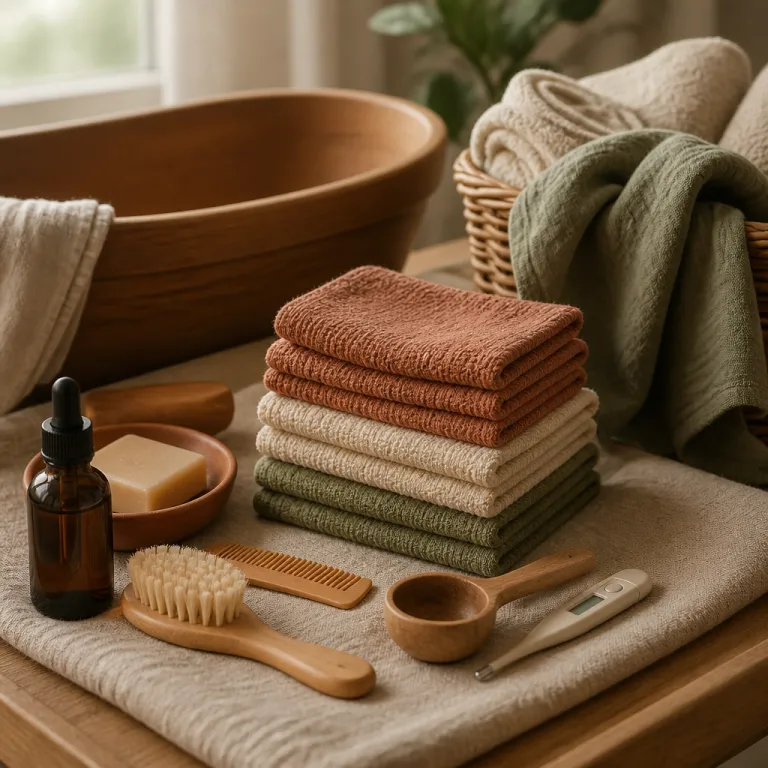
Why organic cotton washcloths matter in infant essentials
For fashion kid passionate readers, the humble washcloth rarely feels glamorous. Yet organic cotton washcloths quietly shape an infant’s daily comfort, and they anchor a wardrobe of infant essentials with real substance. When you curate baby textiles with the same care as a runway look, the smallest towel or set of wash cloths becomes a strategic product choice.
Parents who care about style increasingly ask whether each textile product is organic, certified, and aligned with modern sustainability expectations. That question is especially sharp for cotton washcloths and towels that touch a baby’s sensitive skin many times a day, because these small products can either reduce or increase exposure to unnecessary chemicals. Choosing organic cotton and certified organic materials for washcloth collections is no longer a niche gesture; it is a new textile standard for design conscious families.
Organic cotton washcloths sit at the intersection of fashion, textile innovation, and global organic responsibility. When a cotton towel or tiny wash cloths set carries a credible textile standard such as GOTS (Global Organic Textile Standard) or an OEKO-TEX Standard 100 label, it signals that the product respects strict limits on chemicals and dyes. For a fashion forward nursery, that means every soft textile layer, from cotton wash mitts to quick dry towels, supports both style and sustainability without compromise.
Understanding certifications : GOTS, Oeko Tex, and textile standards
Behind every elegant stack of organic cotton washcloths lies a complex world of certifications. Fashion kid passionate readers should treat each label as a styling note for textile quality, because a GOTS certified or OEKO-TEX certified mark tells you how the cotton and other materials were grown and processed. When you compare the price of different cotton washcloths, always weigh the value of each recognized standard rather than focusing only on the cheapest product.
The Global Organic Textile Standard, often shortened to GOTS, is one of the leading international organic textile standards for baby products. When a brand states that its washcloths are GOTS certified or that it follows a textile standard aligned with GOTS rules, it means the cotton is organic and the entire supply chain respects strict criteria on chemicals, wastewater, and social conditions. In practice, a GOTS label on towels or a towel set for infants indicates that the organic fiber content is high and that the wash cloths are designed to remain soft even after repeated cotton wash cycles.
OEKO-TEX certification focuses on the finished textile product and its safety for sensitive skin. When you see an OEKO-TEX or Standard 100 label on organic cotton washcloths, it confirms that every thread, dye, and print has been tested for harmful substances. For parents building a capsule wardrobe of infant essentials, combining GOTS certified organic cotton with OEKO-TEX certified finishing creates a powerful double filter for safe, soft, and stylish washcloth collections; more guidance on balancing comfort, style, and price in baby basics appears in this detailed guide on choosing infant T shirts that balance style, comfort, and value.
Texture, softness, and sensitive skin : what fashion parents should check
Texture is where organic cotton washcloths truly earn their place in a fashion led nursery. A beautifully styled changing table loses its charm if the towels and wash cloths feel rough or irritate delicate cheeks, so softness must be non negotiable. For infants with sensitive skin, the combination of organic textile fibers, low impact dyes, and strict chemical controls is as important as the cutest printed romper.
Look for washcloth collections that specify combed or ring spun cotton, because these materials create a finer, softer yarn. When that cotton is also certified organic under a global organic textile standard such as GOTS, you gain extra assurance that pesticides and harsh chemicals were avoided during cultivation and processing. Many parents report that GOTS certified cotton washcloths and OEKO-TEX certified towels stay soft after every cotton wash, which reduces friction on sensitive skin and keeps daily routines calm.
For going home outfits and special first photos, the textiles you pair with clothing matter as much as the garments themselves. A refined baby boy ensemble styled with a plush organic cotton towel and matching wash cloths instantly feels more elevated, and you can see this attention to detail in curated looks like the ones presented in this feature on elegant first impressions for baby boy going home outfits. When every small product touching the skin is both OEKO-TEX certified and aligned with Standard 100 requirements, you create a coherent, soft, and safe textile story around your infant’s wardrobe.
Design, color stories, and styling organic cotton washcloths
Stylish parents now treat organic cotton washcloths as part of a broader nursery color story. Instead of random towels and wash cloths, they curate coordinated sets that echo the palette of muslin blankets, knitwear, and even tiny ski inspired pieces. A stack of soft, quick dry cotton washcloths in tonal shades can frame a changing area as thoughtfully as framed prints on the wall.
When evaluating each product, consider both the textile standard and the design language. A GOTS certified or OEKO-TEX certified label ensures that the organic textile base is strong, while thoughtful weaving techniques create different textures, from waffle cotton wash cloths to velour finish towels. For fashion kid passionate readers, this means you can mix small patterned organic washcloths with solid color towels to build visual rhythm without sacrificing sustainability or safety.
Seasonal styling also plays a role in how you select washcloths and towels for infants. In warmer months, lighter weight organic cotton washcloths with quick dry properties keep babies comfortable during frequent cotton wash routines, while in colder seasons, denser terry towels feel luxurious after bath time. If your family loves winter sports aesthetics, pairing snow toned textiles with performance inspired gear such as the junior boots reviewed in this article on selecting junior alpine ski boots with technical precision can subtly echo that active, global organic lifestyle in your nursery styling.
Price, value, and supporting small businesses in kids textiles
Many parents hesitate when they first compare the price of organic cotton washcloths with conventional options. The initial cost of a GOTS certified or OEKO-TEX certified towel set can be higher, but the long term value often outweighs the difference. High quality cotton washcloths usually last through countless cotton wash cycles, which reduces textile waste and supports sustainability goals.
When you evaluate price, think in terms of cost per use rather than the ticket on a single product. A small stack of durable, quick dry wash cloths made from certified organic materials can replace several cheaper towels that lose softness or shape quickly. For fashion kid passionate families, this approach mirrors how you might invest in one beautifully cut coat instead of several fast fashion pieces, aligning your infant essentials with a more global organic mindset.
Supporting a small business that works with certified mills and follows a recognized textile standard can also amplify your impact. Many independent labels now produce organic washcloth collections using GOTS certified cotton and OEKO-TEX compliant dyes, often with transparent information about their supply chains. Choosing these products means your nursery textiles reflect not only refined taste but also a commitment to ethical, global textile practices that respect both workers and the planet.
Care, durability, and building a long lasting infant textile wardrobe
Care routines determine whether organic cotton washcloths remain wardrobe worthy or fade into the background. Even the softest towels and wash cloths can lose their appeal if washed with harsh chemicals or at excessively high temperatures, so a gentle cotton wash program is essential. Treat each certified organic product as you would a favorite knit, and it will reward you with lasting softness.
Always follow the care instructions linked to each textile standard, especially for GOTS certified and OEKO-TEX certified items. These guidelines are designed to protect both the organic textile fibers and the dyes, ensuring that organic washcloth collections stay vibrant and soft for longer. When you respect the recommended standard for detergents and temperatures, your cotton washcloths will maintain their quick dry performance and remain kind to sensitive skin.
Building a long lasting infant textile wardrobe means rotating several small sets of wash cloths and towels. This approach reduces wear on any single product and allows you to style different looks around the changing table or bath area. Over time, a curated selection of certified global organic cotton pieces becomes a quiet archive of your child’s earliest fashion story, where every material choice reflects both aesthetic and ethical priorities.
Key statistics on organic cotton and infant textiles
- According to Textile Exchange, organic cotton still represents a small share of global cotton production by volume, yet demand in baby products grows faster than in many adult categories, because parents prioritize sensitive skin safety.
- Data published by the Global Organic Textile Standard organization show that the number of GOTS certified facilities has risen significantly over recent multi year periods, indicating rapid adoption of this textile standard across baby and kids products.
- OEKO-TEX reports that its Standard 100 label covers tens of thousands of textile products worldwide, and baby articles form one of the most strictly controlled categories due to tighter limits on chemicals.
- Lifecycle assessments summarized by Textile Exchange indicate that, on average, organic cotton cultivation can substantially reduce blue water consumption compared with conventional cotton, which directly supports sustainability goals in infant towel and washcloth production.
- Consumer surveys from organizations such as the Soil Association highlight that parents are willing to pay a higher price for certified organic baby textiles when they understand the benefits for skin health and environmental impact.
FAQ about organic cotton washcloths for infants
Are organic cotton washcloths really better for a baby’s sensitive skin ?
Organic cotton washcloths are usually gentler on sensitive skin because the cotton is grown without synthetic pesticides and processed with stricter limits on chemicals. When combined with certifications such as GOTS or OEKO-TEX Standard 100, these products are assessed against clear safety criteria. That combination can reduce the risk of irritation compared with many conventional towels and wash cloths.
How many washcloths and towels does an infant realistically need ?
For daily use, most families manage well with eight to twelve organic cotton washcloths and two to four infant sized towels. This allows for frequent cotton wash cycles without running out during busy weeks. Fashion focused parents often add a few extra wash cloths reserved for travel or special outfits to keep styling options flexible.
What certifications should I prioritize when buying baby wash cloths ?
For infant textiles, the Global Organic Textile Standard and OEKO-TEX Standard 100 are the most relevant labels. A GOTS certified product confirms that the cotton is organic and that the entire supply chain meets strict environmental and social criteria. An OEKO-TEX label focuses on the finished textile, verifying that the washcloths and towels are tested for harmful substances.
Do quick dry organic cotton washcloths compromise on softness or quality ?
Quick dry performance in organic cotton washcloths usually comes from the weave structure and fabric weight rather than harsh treatments. When the product is both GOTS certified and OEKO-TEX certified, the textile standard helps ensure that softness and safety are not sacrificed. Many parents find that these lighter, fast drying towels are especially practical for frequent use and travel.
How can I justify the higher price of certified organic baby textiles ?
The higher price of certified organic cotton washcloths reflects better farming practices, safer processing, and often more durable materials. Because these products tend to last longer and stay soft through many cotton wash cycles, the cost per use can be lower than cheaper alternatives. For fashion kid passionate families, the added value also lies in aligning every small textile choice with broader sustainability and style goals.
References : Textile Exchange ; Global Organic Textile Standard (GOTS) ; OEKO-TEX Association.