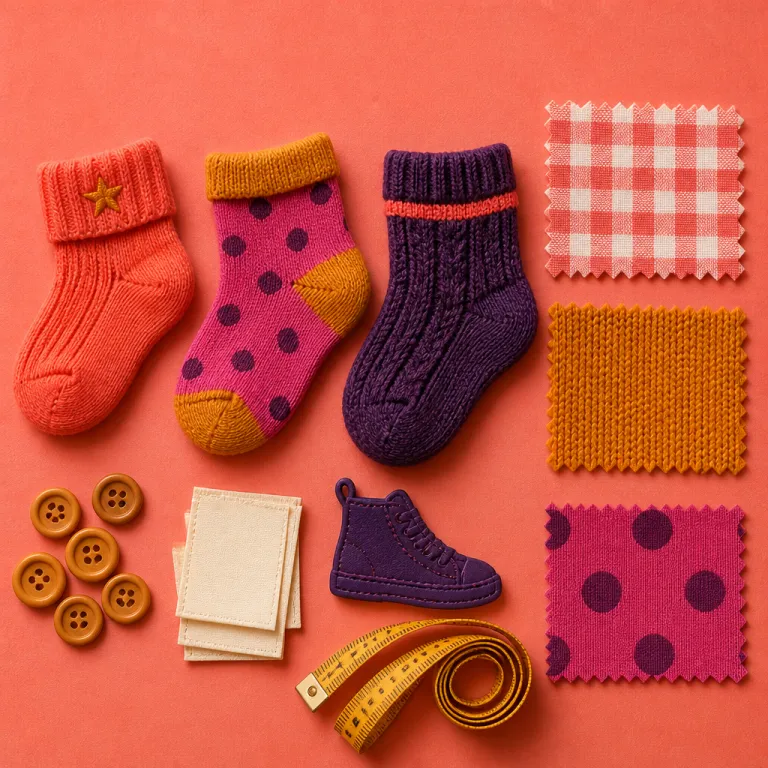
Why tiny socks matter in the first months of style
On a cold morning in the maternity ward, many parents discover that the only thing between their newborn and a drafty corridor is a thin hospital blanket and a pair of tiny socks. Those small items look simple, yet they anchor every baby outfit. When you treat each pair as a considered product, you quietly shape comfort, safety, and early fashion codes. For fashion kid passionate readers, this is where style literacy starts for babies in the first months.
Think of those first 0 to 3 months as a training ground for texture, color, and fit. Soft terry cotton tiny socks in pastel tones teach the eye to read proportion, while bolder crew socks in graphic stripes introduce visual rhythm for girls and boys. The right pairs also prevent slips on smooth floors or changing tables, so style and function merge elegantly in daily life.
Parents often underestimate how many items they need for a full month of wear. A practical socks pack of five to seven pairs usually covers laundry cycles, unexpected mess, and last minute outings. For newborns and babies up to 12 months, I recommend at least two such products, one pack of ankle socks and one pack of higher crew socks, to handle different temperatures and outfits.
From a budget perspective, understanding unit price and price per pair helps you evaluate each pack. A socks pack with a regular price that looks high may actually offer a better unit price when you divide by the number of pairs. Fashion focused parents track the regular price and any sale price to build a stylish drawer of everyday socks without compromising quality.
Safety is non negotiable, especially when babies start to slip and slide. Look for socks with slip resistant designs and discreet grips under the sole, which stabilize first steps without hiding the aesthetic of the tiny socks. These anti slip products reduce the risk of a sudden fall on wooden floors, while still letting you play with color blocking and pattern.
As months turn into years, sizing becomes more complex and more strategic. Brands often label socks by months or by years, so always cross check the size chart rather than relying only on age. A baby with chubby feet may need the next size up in sock shoes or ankle socks, even when the label suggests waiting another month.
Fabric, comfort, and the art of cotton rich tiny socks
Fabric choice defines how tiny socks feel against delicate baby skin. For infants from the first month, high quality cotton or terry cotton blends remain the gold standard for breathability and softness. When you read the content label of products, aim for a cotton rich mix with a small percentage of elastane for stretch.
Pure cotton socks offer excellent moisture management, which keeps tiny toes dry. However, a touch of synthetic fiber helps the sock slide on more easily and stay in place, especially in active months and early toddler years when crawling begins. This balance prevents the classic problem of socks slipping down inside sock shoes or prams.
For winter babies, terry cotton tiny socks add a plush layer of insulation. The looped interior traps warm air, so you can keep outer layers lighter while feet stay cozy. Many best seller items in northern European markets use terry cotton in both ankle socks and crew socks, precisely because it regulates temperature without bulk.
When styling outfits, think of socks as visible accessories, not hidden basics. A ribbed crew silhouette peeking from under rolled leggings instantly sharpens a look for baby girls and boys. Matching the hue of socks pairs to a cotton sweater, such as those highlighted in this guide to the perfect newborn cotton sweater for stylish first outfits, creates a quiet, editorial level harmony.
Comfort also depends on construction details that rarely appear in a simple price tag. Flat toe seams reduce friction for babies who curl their toes constantly, while a gentle cuff prevents a tight ring on the ankle. When comparing products, run your fingers along the inside of the sock to feel any ridge that might irritate sensitive skin over hours or months.
Care routines influence how long tiny socks keep their shape and color. Washing at 30 °C with a mild detergent protects cotton fibers and keeps slip grips intact on the sole. Air drying rather than tumble drying helps maintain the elasticity of ankle socks and crew socks, so the unit price effectively stretches over more seasons of use or hand me downs.
Design details that turn tiny socks into infant style statements
Design is where tiny socks move from necessity to narrative. Every pair of socks tells a small story about the baby’s emerging style and the parent’s fashion eye. For fashion kid passionate readers, this is the playground where you curate motifs, palettes, and textures with intention.
Graphic patterns on socks pairs can echo prints elsewhere in the outfit. Polka dot crew socks under a minimalist romper create a playful focal point, while monochrome ankle socks support a more architectural silhouette. For baby girls, floral motifs in a socks pack can coordinate with dresses like the organic cotton options reviewed in this baby girls organic cotton dress test, but the same patterns work beautifully for boys when styled with neutral separates.
Color blocking with classic designs is a subtle way to train a child’s visual vocabulary. A bright contrast between sock shoes and tiny socks helps babies notice their own feet, which supports body awareness. Over months and years, this repeated visual cue becomes part of how they understand proportion, balance, and even early color theory.
Functional design elements can still feel luxurious. Discreet slip grips shaped like stars or dots on the sole of slip resistant models add charm without overwhelming the upper design. When these grips match the main color of the sock, the overall product reads as refined rather than purely technical.
Packaging also contributes to the fashion narrative around infant essentials. A curated gift box of tiny socks in coordinated tones feels like a miniature capsule wardrobe, perfect for a baby shower or first month celebration. Many best seller products in premium boutiques use such gift box presentations, pairing three to five items in a harmonious gradient.
For older babies in the 12 to 24 month range, playful themes become more relevant. Animal faces at the toe of crew socks invite interaction during dressing, turning a routine task into a moment of connection. At this stage, you can introduce seasonal socks pack assortments, such as autumnal terry cotton designs or summer light cotton ankle socks, always balancing whimsy with practicality.
Pricing, value, and how to read tiny socks labels like a pro
Understanding price structures helps you invest wisely in tiny socks. Many parents focus only on the final price in usd, yet fashion conscious buyers look deeper at unit price and long term value. When you compare products, always calculate the price per unit by dividing the total cost by the number of pairs or items in the pack.
A socks pack with a higher regular price can still be the smarter choice. If the cotton quality is superior and the construction more durable, the effective cost per month of wear drops significantly. This is especially true for terry cotton best seller models, which often survive multiple years of hand me downs, turning an initially high regular price into a strong investment.
Retailers frequently highlight a sale price, but context matters. Check whether the discount applies to timeless colors and classic crew shapes, or only to seasonal novelty products. For a baby wardrobe built to last from early months to toddler years, prioritize discounted everyday designs in versatile shades like cream, grey, and navy.
Online, transparency around delivery and free shipping policies influences overall value. A slightly higher price in usd may be offset by free shipping and faster delivery, especially when you need new socks pairs urgently after a growth spurt. Always read the content of the product page carefully, noting whether free returns apply if the size or slip grips performance disappoints.
Label reading extends beyond price tags into technical details. Look for clear information on cotton percentage, recommended washing temperature, and whether the slip resistant features are laboratory tested. Brands that specify these data points tend to treat infant essentials as serious products, not just low attention add on items.
For fashion kid passionate readers building a three year strategy for kidswear, it helps to think in wardrobe cycles. Resources like this guide to the three year wardrobe for kids clothes show how to align purchases with growth patterns. Apply the same logic to tiny socks by planning when to size up, how many units to buy per stage, and which premium products justify a higher unit price because they bridge several stages of wear.
Age specific tiny socks essentials from newborn to three years
Each age band demands a different approach to tiny socks. For newborns in the first months, the priority is warmth, softness, and a secure yet gentle fit. At this stage, ankle socks in brushed cotton or terry cotton with minimal slip grips are ideal, because babies are mostly carried or lying down.
From 6 to 12 months, mobility changes everything. Babies start to roll, crawl, and attempt to stand, so slip resistant technology becomes essential on smooth floors. Choose crew socks or slightly higher ankle socks with full sole grips, ensuring the product still feels flexible enough for natural foot development.
Between 12 and 24 months, many children experiment with independent walking. Here, sock shoes hybrids can bridge the gap between bare feet and structured footwear, especially indoors. These products often combine a soft cotton upper with a flexible sole, and pairing them with thin tiny socks helps manage hygiene and comfort.
For 2 to 3 years, style expression becomes more visible. Toddlers start to choose their own socks pairs, often gravitating toward bold colors or character motifs. Curating a drawer that mixes playful designs with understated basics lets them exercise taste while you maintain a coherent wardrobe.
Gendered marketing around socks for girls and boys can be limiting. Many of the most elegant tiny socks designs work beautifully across genders, especially in neutral palettes and refined stripes. Focus less on labels like girls or baby boy and more on how each pack of products complements the broader wardrobe in terms of color and silhouette.
Quantity planning also shifts with age. A newborn might manage with 6 to 8 pairs per month, while an active toddler who plays outdoors may need 10 to 12 pairs to cover laundry and unexpected mess. Tracking how often you reach for emergency items gives you real data to adjust the number of units you buy in the next size.
Gifting, storage, and long term care for tiny socks collections
Tiny socks make an unexpectedly powerful gift when curated thoughtfully. A gift box of coordinated socks pairs in premium cotton feels both practical and indulgent for new parents. To elevate the gesture, mix ankle socks, crew socks, and one or two terry cotton options, covering different temperatures and months.
When selecting such a gift, pay attention to size ranges expressed in months or years. A box labeled 0 to 6 months may be outgrown quickly by a larger baby, so consider choosing 3 to 12 months for more flexibility. Including a note that explains the logic behind the sizing shows real expertise and care, especially for first time parents.
Storage at home influences how long tiny socks stay in rotation. Drawer dividers or small boxes sorted by size and function — everyday pairs, special occasion products, and outdoor sock shoes companions — make dressing faster and more intentional. Rotating items so that each pair gets equal wear also maximizes the value of the original price in usd you paid.
Long term care routines should respect both fabric and slip grips technology. Washing socks pack assortments inside a mesh bag prevents them from tangling or losing shape, particularly for delicate cotton blends. Avoid fabric softener on slip resistant models, because it can coat the grips and increase the risk of a slip during play.
As children grow out of sizes, thoughtful passing on extends the life of each unit. High quality best seller designs in neutral colors resell or donate well, especially when you can show that the original regular price reflected durable construction. Keeping a simple record of purchase month and approximate years of use helps you evaluate which brands offer the best long term unit price value.
For fashion kid passionate families, these practices turn tiny socks into part of a broader sustainability narrative. You are not just buying isolated items; you are curating products that move through siblings, cousins, and friends. Over time, a well managed collection of tiny socks tells a story of style, care, and respect for both budget and planet.
Key figures and market insights on tiny socks for babies
- According to Euromonitor International’s global childrenswear market brief Childrenswear in the US (2022), the global childrenswear market recently surpassed an estimated 250 billion usd, with socks and hosiery representing a steadily growing segment as parents prioritize comfort and safety for early months. This report is available through Euromonitor’s paid database and is widely cited in apparel industry analyses.
- Consumer surveys from Cotton Incorporated’s Lifestyle Monitor panel (for example, “Lifestyle Monitor™: Parents and Children’s Apparel,” 2021 and 2022 editions) report that over 80 % of parents prefer cotton rich socks for babies, citing breathability and softness as primary reasons, which reinforces the dominance of cotton and terry cotton in infant tiny socks collections.
- Data published in quarterly reports by several European online retailers between 2021 and 2023, such as Zalando SE’s “Q2 2022 Interim Report” and About You Holding SE’s “FY 2021/2022 Annual Report,” indicate that products labeled with slip resistant or slip grips features experience up to 30 % higher repeat purchase rates, suggesting strong trust in anti slip technology for crawling and early walking stages.
- Retail analytics from major marketplaces such as Amazon and Zalando, summarized in their 2022–2023 category insights for childrenswear (for instance, “Amazon Fashion: 2022 Category Trends” and “Zalando Fashion Market Report 2022”), suggest that multi pair socks pack offers account for more than 60 % of baby socks sales volume, confirming that parents favor value driven unit price structures over single unit items.
- Logistics reports and investor updates from leading e commerce platforms, including Amazon.com, Inc. “2022 Annual Report” and Zalando SE “Annual Report 2022,” highlight that free shipping thresholds significantly influence basket size, with many parents adding extra socks pairs or a gift box of tiny socks to reach the minimum for free delivery.
FAQ about tiny socks and infant fashion essentials
How many pairs of tiny socks does a newborn really need ?
For a newborn in the first months, 6 to 8 pairs usually cover daily wear, minor accidents, and laundry gaps. If your baby spits up frequently or you live in a colder climate, consider 10 pairs to avoid urgent washing. A mixed socks pack with both ankle socks and crew socks offers enough flexibility for different outfits and temperatures.
What is the best fabric for baby tiny socks ?
Cotton rich blends remain the most reliable choice for baby socks. A high percentage of cotton with a small amount of elastane or similar fiber ensures softness, breathability, and a secure fit that does not slip easily. Terry cotton is particularly suitable for cooler months, because its looped interior traps warmth without adding heavy bulk.
When should I switch to slip resistant tiny socks ?
Introduce slip resistant designs as soon as your baby starts to roll and push up, typically around 6 to 9 months. At this stage, grips on the sole help prevent a sudden slip on smooth floors during early attempts to stand. For confident walkers in the 12 to 24 month range, full sole slip grips on crew socks or ankle socks become essential for safe indoor play.
How can I judge whether the price of tiny socks is fair ?
Always compare the unit price by dividing the total cost by the number of pairs in the pack. Then evaluate fabric quality, construction details like flat seams and durable slip grips, and expected months of wear. A higher regular price or sale price can still represent good value if the socks last through multiple sizes or can be passed on to other children.
Are gendered designs necessary for baby socks ?
Gendered labels such as socks for girls or boys are largely marketing choices rather than functional needs. Many of the most elegant tiny socks designs in stripes, dots, or neutral tones work beautifully across genders and across years. Prioritize quality, comfort, and how each product integrates with the overall wardrobe instead of relying on gendered packaging.