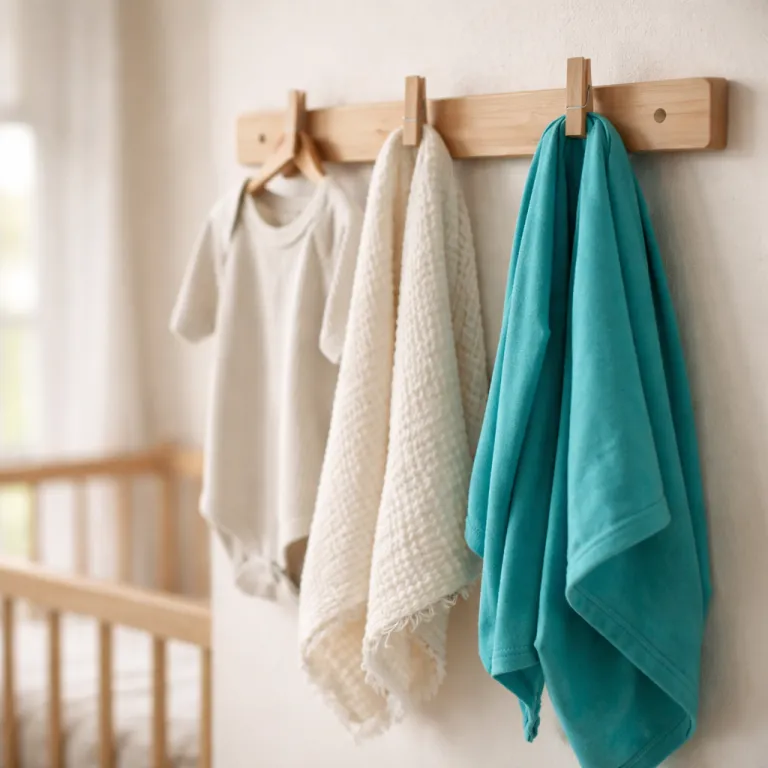

Building a newborn wardrobe that actually works
Think of this newborn baby clothes guide as your edit, not your haul. A newborn needs fewer clothes than most parents buy, yet those pieces must keep the baby cozy, safe and stylish through constant changes. The aim is a tight rail of newborn essentials that respects delicate skin, supports healthy temperature regulation and fits real life.
Start with function before fashion when you choose baby clothes and newborn clothes for the first three months. Prioritise infant clothes that open fully at the front with snaps or zips, because they make diaper changes easier at 3 a.m. and help you keep baby calm instead of wrestling fabric over a wobbly newborn head. For newborns, wrap-style tops, bottoms, sets and kimono onesies avoid that awkward over-the-head moment and protect the umbilical stump, which paediatric dermatology guidance notes should stay clean, dry and minimally disturbed (for example, the American Academy of Pediatrics and NHS umbilical cord care advice).
Quantity is where many parents fall into the 0–12 month sizing trap. You do not need thirty pieces of newborn clothing; you need around seven to ten onesies, five to seven baby pajamas, three to five daytime outfits and a couple of warm layers that keep the infant cozy outside. Buy more in size 0–3 months than in pure newborn size, because babies grow fast and you want clothes that keep some room for growth without swallowing their tiny frame or bunching dangerously around the face.
Fabric is the second non-negotiable pillar in any serious newborn baby clothes guide. Choose soft, breathable materials that sit directly on the skin, with organic cotton as the baseline for every layer that touches your baby. Breathable fabrics such as fine ribbed cotton, muslin and lightweight merino help regulate temperature, keep the baby warm without bulk and reduce the risk of overheating, which paediatric sleep safety organisations, including the AAP and NHS, link to higher rates of sudden infant death in very young babies.
Fabric deep dive: what really touches newborn skin
For the first six months, your newborn’s skin barrier is still developing and more permeable than adult skin, according to paediatric dermatology research published in journals such as Pediatric Dermatology and the British Journal of Dermatology. That is why every credible newborn baby clothes guide starts with fabric, not prints, and why organic cotton remains the gold standard for baby clothing that sits closest to the body. When you dress the baby, think in layers of soft, breathable textiles that respect comfort and safety before anything else.
GOTS-certified organic cotton baby clothes and newborn clothes guarantee that the cotton was grown without certain synthetic pesticides and that dyes meet strict toxicity limits set out in the Global Organic Textile Standard. For parents, that means onesies, long-sleeve tops and baby pajamas that feel soft against newborn skin and stay safe after repeated washing. Look for labels like Nui Organics, Mightly or Quince, which build their infant clothes ranges around organic cotton basics rather than trend-driven outfits, and always check care tags for clear fibre content and certification details that match the GOTS public criteria.
Bamboo viscose often appears in marketing as an eco miracle, especially in pajamas and sleep baby pieces. The fibre can feel silky and help keep baby cool, yet the chemical processing means it is not automatically safer than cotton, so always check for Oeko-Tex Standard 100 certification on any bamboo-based clothing, a label that independently tests finished garments for harmful substances and publishes its testing framework. If you want a deeper dive into fabric performance for nightwear, pair this newborn baby clothes guide with a read on a cocoon swaddle article that explains how different weaves affect sleep, warmth and moisture management.
Merino wool deserves a place in a fashion-forward newborn wardrobe, especially in cooler climates. Ultra-fine merino layers can keep the baby warm while remaining breathable, helping to prevent overheating in prams or baby carriers, and they work beautifully as long-sleeve base layers under cotton tops, bottoms and sets. Always choose machine-washable merino designed for babies, because real life with newborns does not allow for hand-wash-only fantasies and frequent laundering at 30–40°C on a gentle cycle helps remove sweat, milk and detergent residues that might irritate sensitive skin.
Sleepwear strategy: night clothes that respect real nights
Nighttime is where theory meets reality for every newborn baby clothes guide. The goal is simple: keep the baby cozy enough to sleep, yet cool enough to prevent overheating when room temperatures fluctuate, a balance highlighted in safe sleep advice from paediatric associations such as the American Academy of Pediatrics and NHS safer sleep guidance. Your tools are well-chosen baby pajamas, onesies and sleep sacks in breathable fabrics that make diaper changes easy in the dark.
For most babies, a long-sleeve organic cotton onesie plus a zip-front sleep sack works for much of the year. Choose baby clothing with two-way zips or bottom snaps so you can handle diaper changes without fully undressing the infant and losing all that carefully built warmth. Prioritise newborn clothing that keeps feet warm with built-in footies, because socks on newborns rarely stay put through a full sleep cycle and loose socks can become a minor choking or circulation hazard.
When you select pajamas and newborn clothes for night, avoid thick fleece that traps heat and ignores comfort and safety. Instead, opt for soft, breathable cotton or merino blends that keep baby warm while allowing excess heat to escape, especially if you swaddle or use a cocoon-style wrap. For parents who love character prints, focus on certified dyes and pair any statement sleep baby piece with a trusted organic cotton layer underneath, much like you would style a playful licensed set of bamboo pajamas under a classic knit cardigan for an older child, as explored in many toddler wardrobe features.
Always adjust layers, not just blankets, when room temperatures shift. A newborn in a pram with a long-sleeve onesie, baby pajamas and a muslin sleep sack may need one less layer once you come indoors to prevent overheating and sweating. Think of sleepwear as modular outfits that you can strip back or build up while keeping baby settled, drowsy and within the temperature range recommended by paediatric sleep guidelines (often around 20–22°C with a sleep sack in the 0.5–2.5 TOG range, depending on season and base layers).
Daytime outfits: style, practicality and the sizing trap
Daytime is where fashion-kid-passionate parents want outfits that feel like them. The trick is curating baby clothes that look sharp in photos yet still keep the baby cozy, safe and free to stretch on a playmat. This newborn baby clothes guide leans on a capsule wardrobe mindset borrowed from older kids, then translated into infant scale so every piece earns its place.
Start with three to five hero outfits for newborns built around tops, bottoms and sets in organic cotton or other breathable fabrics. Think a ribbed long-sleeve wrap top, footed leggings and a matching hat, or a soft dungaree over a cotton bodysuit that keeps baby warm without bulky layers. These outfits should allow easy diaper changes through snaps at the crotch or legs, because you will repeat that movement many times a day and anything fiddly quickly becomes impractical.
Avoid buying too many structured newborn clothes like stiff jeans or dresses with scratchy tulle, no matter how charming they look on the hanger. Instead, lean into soft, breathable knits, jersey and muslin that move with the infant and respect fragile skin, then add style through colour, proportion and accessories. For parents planning ahead, a toddler capsule wardrobe guide can help you see how today’s buying habits scale up, especially when you want a 15-piece wardrobe that actually works rather than an overflowing drawer of barely worn baby clothing.
When it comes to sizing, always check the weight and length ranges on labels, not just the age. Many babies outgrow pure newborn size in days, so buy more in 0–3 months and roll cuffs to keep feet warm without tripping over fabric or covering hands so tightly that circulation is affected. A good rule is to keep baby in clothes that skim the body without pulling at the shoulders or riding up at the crotch, because comfort and safety start with fit, not just fibre content or brand name.
Buying strategy, brands and what to accept as gifts
A sharp newborn baby clothes guide does not just list fabrics; it edits your shopping behaviour. The aim is to help parents keep the baby wardrobe lean, cozy and functional while still leaving space for joy and style. Think of yourself as a curator, not a collector of random infant clothes, and use a simple checklist so every purchase has a purpose.
Stock up intentionally on the workhorse pieces you will reach for daily. That means multiple organic cotton onesies, long-sleeve bodysuits, baby pajamas and a few wrap-style tops, bottoms and sets that keep baby warm and make changes easy, plus two or three cardigans or jackets that layer over any newborn clothing. Wait on statement outfits until you know your newborn’s size curve and your own routine, because real life will quickly reveal which clothes stay in rotation and which never leave the drawer or still carry tags at the three-month mark.
When friends ask what to gift, steer them toward newborn essentials in larger sizes or high-quality blankets rather than another tiny dress baby set that fits for two weeks. Brands like Nui Organics, Mightly and Quince specialise in baby clothing built around breathable fabrics and transparent certifications such as GOTS or Oeko-Tex Standard 100, which makes them safer bets for sensitive skin and heavy wear; you can verify current ranges and standards on each brand’s site and on the GOTS and Oeko-Tex public databases. You can always add one or two fashion-forward pieces later once you understand how your baby moves, spits up and sleeps, and how often you are willing to change full outfits versus just swapping a top.
Finally, remember that keeping baby comfortable is the real luxury in infant style. Choose baby clothes and newborn clothes that keep the baby cozy, prevent overheating and keep feet warm, then let colour and cut do the quiet work of style. The best dressed newborn is the one whose outfits respect naps, spills and growth spurts, aligning with paediatric advice on skin-friendly fabrics and safe layering, not what photographs well, but what survives the playground.
FAQ
How many newborn clothes does a baby really need?
Most newborns manage well with around seven to ten onesies, five to seven baby pajamas, three to five daytime outfits and two or three warm layers. This mix lets parents keep baby in clean, soft, breathable clothing without overloading drawers with rarely worn pieces. Adjust slightly based on how often you do laundry, how much your baby spits up and whether you live in a hot or cold climate.
Which fabrics are safest for newborn skin?
GOTS-certified organic cotton is widely considered the safest baseline for newborn clothing that sits directly on the skin, because the standard restricts certain chemicals and requires safer dye processes. Look for breathable fabrics like fine cotton rib, muslin and baby-grade merino that help prevent overheating while keeping baby warm. Always prioritise certifications such as GOTS or Oeko-Tex Standard 100 over vague claims like natural or gentle, and wash new garments before first wear at about 30–40°C with a fragrance-free detergent to remove finishing residues.
Should I buy more in newborn size or 0–3 months?
Most babies outgrow pure newborn size quickly, so it is smarter to focus on 0–3 months. Keep a small set of newborn clothes for the first days, then rely mainly on slightly larger infant clothes with cuffs you can fold. This approach respects rapid growth while still keeping baby cozy and well fitted, and aligns with paediatric advice to avoid garments that are either very tight or so loose they ride up over the face.
How can I make night diaper changes easier?
Choose baby pajamas and onesies with two-way zips or snaps that open from the bottom. These designs let you handle diaper changes without fully undressing the infant, which helps keep the baby warm and sleepy and reduces stimulation at night. Avoid complicated outfits at night and stick to simple, soft, breathable layers that you can open and close in the dark without fumbling.
What should I ask for as baby clothing gifts?
Suggest practical newborn essentials in larger sizes, such as organic cotton bodysuits, long-sleeve tops and versatile cardigans. High-quality blankets and sleep sacks in breathable fabrics are also useful for keeping baby comfortable across seasons and support safer layering than loose quilts, as highlighted in many safe sleep guidelines from organisations like the AAP and NHS. This strategy prevents an overload of tiny outfits and supports a more functional newborn wardrobe that still feels thoughtful and generous.