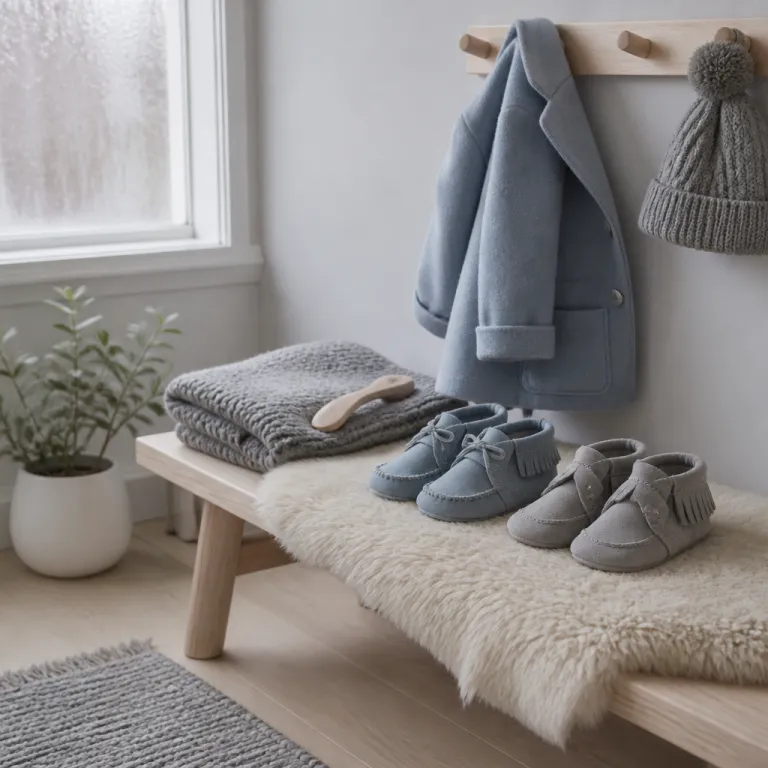
Why children’s moccasins define modern toddler style
Children’s moccasins sit at the crossroads of comfort and elegance. For fashion-passionate kids and parents, this type of shoe instantly signals taste while still respecting tiny feet that will keep growing quickly. Thoughtful brands have designed toddler moccasins to feel like soft socks yet look polished enough for a gallery visit or a family celebration.
When you select moccasins for toddlers, you balance three priorities: healthy development, playful aesthetics, and practical details that survive nursery life. The best pairs respect the natural shape of kids’ feet, with flexible soles and enough room in every size to let toes spread and grip the ground. A well-structured heel cup in both a single pair and wider children’s moccasin collections stabilises wobbly first steps without locking the foot in a rigid frame.
Parents often ask whether children’s moccasins are only for special occasions. In reality, a fully lined suede moccasin in a neutral color can work every day, while metallic or embroidered loafers shine for birthdays and photos. When you add subtle details like contrast stitching or tassels, the same pair will move gracefully from playground to piano lesson.
Age specific fit and size rules for toddler moccasins
Getting the right size in children’s moccasins matters more than any trend. A toddler’s foot can grow up to 1.5 cm in six months, so you will need to check the insole length regularly and adjust the product choice before seams feel tight. Always measure both feet at the end of the day, when kids have been active and their shoe size needs are most realistic.
For early walkers, soft-sole moccasins are often the best option because they allow natural gripping and balance on indoor surfaces. Once toddlers run confidently outdoors, you will want a thin rubber sole that still bends easily but protects from gravel, heat, and puddles during a busy day. Look for moccasins designed with adjustable straps or elastic collars, since these options keep the shoe secure without squeezing the instep.
Parents who love coordinated looks often pair toddler moccasins with a first backpack, especially for nursery or preschool. When you choose a premium toddler backpack, echo one color from the moccasins to create a refined mini capsule wardrobe. This kind of styling will help kids feel fully prepared and proud of their outfit, which often makes morning dressing smoother for everyone.
To make online selecting easier, follow a simple measuring routine before you click to buy. Place your child’s heel against a wall on a sheet of paper, mark the longest toe, then measure that line in centimetres and compare your measurements with a clear size chart. As a simple reference, many brands use inner sole lengths such as: size 20 (12.5–13 cm), size 21 (13–13.5 cm), size 22 (13.5–14 cm), and size 23 (14–14.5 cm). Always follow the specific chart on the product page, then add around 1–1.5 cm of growing room so the moccasins will last more than one season.
Materials, color stories, and sensory comfort
Material choice in children’s moccasins shapes both comfort and style. Genuine leather moccasins breathe well and mold to the foot, while vegan microfibres can be lighter and easier to clean after a long day at the playground. For sensitive kids, fully lined cotton interiors reduce friction and will minimise complaints about seams or scratchy tags.
Color strategy deserves as much attention as fit when you curate a toddler shoe wardrobe. Soft beige, caramel, and blush moccasins pair effortlessly with patterned leggings, while deep navy or forest green options ground brighter outfits without stealing the spotlight. Parents who enjoy bolder styling can add moccasins in primary colors, using them as the single strong accent against neutral basics.
Texture also plays a role in how kids experience their footwear. Smooth leather feels cool and sleek, whereas suede moccasins offer a velvety touch that many toddlers love to stroke when they sit in the stroller. For warm seasons, consider pairing lightweight slip-on moccasins with breathable outfits and test them against other airy footwear such as lightweight summer shoes for kids to compare flexibility and grip.

Styling children’s moccasins with toddler trends
Toddler trends move quickly, yet children’s moccasins remain a stable anchor. Current kids’ fashion leans toward mini capsule wardrobes, where a few best pieces mix and match across many outfits and every product earns its place. In this context, moccasins designed with clean lines and subtle details will outlast fleeting prints or character themes.
For everyday wear, pair neutral moccasins with rolled denim, a soft sweatshirt, and a well-cut tee that respects toddler proportions. A detailed guide on how to choose infant T-shirts that balance style, comfort, and value helps you align tops with the same thoughtful criteria you apply to shoes. On special days, swap in a linen romper or a cotton poplin dress, then add moccasins in a matching color family to keep the silhouette cohesive.
Accessories can quietly echo the moccasins without overwhelming the look. A slim hair bow, a knitted beanie, or patterned socks that repeat one moccasin color will tie the outfit together in a refined way. When kids participate in choosing these elements, they feel fully involved in their style story and will often take better care of their moccasins and clothes.
Practicalities : care, shipping, and smart returns
Behind every elegant pair of children’s moccasins stands a layer of practical decisions. Parents juggle care instructions, shipping options, and the reality that kids will outgrow each size faster than adults expect. Choosing moccasins designed for easy cleaning and straightforward return processes saves both time and budget.
When you shop online, examine how the store explains its shipping and return policy before you add moccasins to your basket. Clear information about free shipping thresholds, expected delivery day windows, and whether you receive store credit or a direct refund after a return indicates a customer-focused service mindset. If a retailer offers both single-pair exchanges and full order returns, you gain flexibility when one child’s size changes unexpectedly.
Payment details also influence trust. Look for secure credit card processing, visible contact information, and a customer service channel that will answer fit or color questions promptly. A simple click to reach support, combined with transparent store credit rules, shows that the brand stands fully behind its children’s moccasins.
How to evaluate quality when selecting children’s moccasins online
Evaluating quality from a screen can feel challenging, yet several cues help. High-resolution photos that show the moccasins from multiple angles, including close-ups of stitching and soles, will reveal whether the product construction looks precise. Descriptions should specify materials, inner lining, and exact size ranges in centimetres, not just vague age labels.
Thoughtful brands explain how their moccasins are designed to support natural movement, often referencing podiatry guidelines for kids. Look for mentions of flexible soles, wide toe boxes, and secure yet gentle closures as non-negotiable quality markers in both individual listings and broader moccasin collections. Reviews that mention real-life use, such as nursery days or park visits, provide context that polished studio photos cannot show.
When you compare options, pay attention to how the brand handles problems. A responsive contact channel, clear return policy, and willingness to offer store credit or exchanges signal long-term reliability. Over time, these service details matter as much as the initial free shipping promotion or the first-day unboxing excitement.
Key figures shaping the market for children’s moccasins
- According to Euromonitor International’s “Children’s Footwear: Global Industry Overview” (2022, global retail value data for 2017–2022), the global children’s footwear segment grew by around 5% in value recently, with premium toddler shoes such as moccasins outpacing mass-market sneakers in many urban markets.
- Surveys from the American Podiatric Medical Association (APMA, “Today’s Podiatrist Survey: Children’s Foot Health,” 2021, US parents of children under 13) indicate that more than 70% of parents now prioritise foot health features like flexible soles and correct size guidance when buying kids’ shoes, including moccasins.
- Industry data from Statista’s “Children’s Footwear Market Worldwide” dashboard (accessed 2023, based on multi-country online retail panels) shows that online sales account for over 30% of children’s footwear purchases, which makes clear shipping terms, free shipping thresholds, and transparent return policy details critical for families.
- Consumer research by Mintel (“Children’s Footwear – US,” 2021, nationally representative survey of US parents) reports that nearly half of parents are willing to pay more for durable, well-designed moccasins if they can access easy returns and store credit rather than only one rigid refund option.
FAQ about children’s moccasins for toddlers
Are children’s moccasins suitable for first walkers ?
Yes, many children’s moccasins are designed specifically for first walkers, with soft, flexible soles that allow natural foot movement. Choose a product with a wide toe box, gentle heel support, and a size that leaves about 1 cm of growing room. Avoid very stiff moccasins, which can restrict developing muscles and balance.
How should I choose the right size for toddler moccasins ?
Measure your child’s feet in centimetres at the end of the day, then compare the longer foot to the brand’s inner sole length chart. For toddlers, add around 1 to 1.5 cm of extra space to accommodate growth and thicker socks. If you are between sizes, most experts recommend choosing the larger moccasin size and adjusting with snug socks.
Can children’s moccasins be worn outdoors every day ?
Many modern moccasins for kids feature durable rubber soles suitable for pavements and playgrounds. For daily outdoor use, select moccasins with good traction, water-resistant uppers, and reinforced stitching at stress points. Reserve very soft indoor moccasins for home or nursery floors, where surfaces are smoother and cleaner.
How do I care for leather and suede children’s moccasins ?
For smooth leather moccasins, wipe dirt with a damp cloth, let them dry naturally, then condition occasionally with a child-safe leather cream. Suede moccasins respond better to a soft brush and a dedicated suede eraser for stains, followed by a light protective spray. Always check the brand’s care instructions, since some materials are not compatible with strong cleaners.
What should I check in a store’s shipping and return policy ?
Before you click to buy, confirm delivery times, free shipping thresholds, and whether returns are free or paid. A family-friendly retailer will explain if you receive store credit or a refund, how long processing takes, and which conditions apply to worn moccasins. Clear contact details and responsive customer service are strong signs that the brand stands behind its products.
References
- Euromonitor International (2022). Children’s Footwear: Global Industry Overview – global retail value analysis for 2017–2022.
- American Podiatric Medical Association (2021). Today’s Podiatrist Survey: Children’s Foot Health – survey of US parents and podiatrists.
- Statista (2023). Children’s Footwear Market Worldwide – online retail share and market value data from multi-country panels.
- Mintel (2021). Children’s Footwear – US – consumer attitudes and purchasing behaviour study.