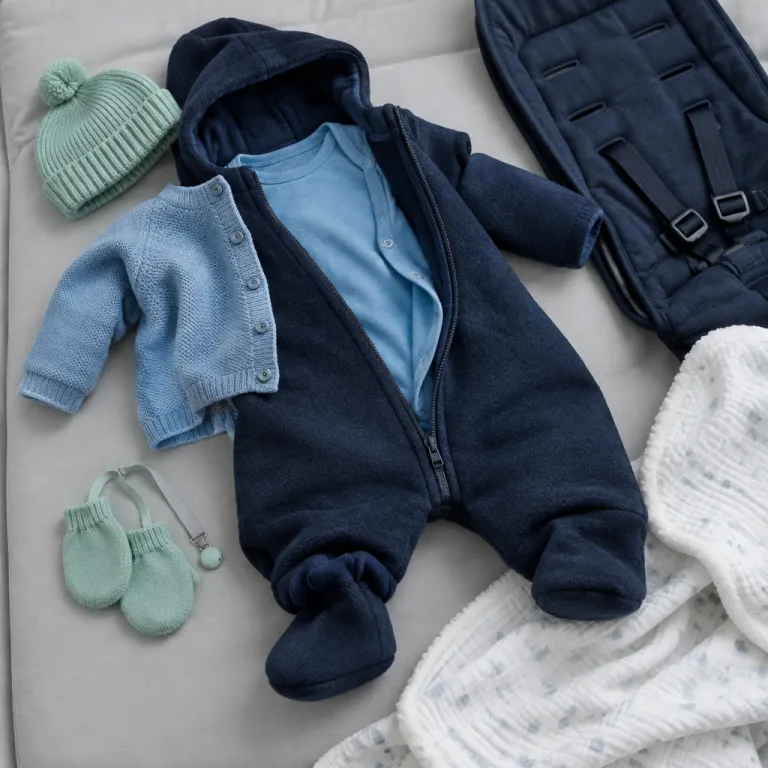
Reading the weather and your newborn’s temperature with style in mind
Knowing how to dress a newborn for winter starts with understanding temperature, not with piling on random clothes. A good rule of thumb for fashion-focused parents is to match your own winter clothing, then add one extra layer of soft, breathable fabric to keep a warm baby without risking a hot baby. When you dress a newborn this way, you respect their delicate temperature regulation while still curating an elegant look that suits the day’s weather.
Newborn skin cannot manage hot–cold shifts as efficiently as adults, so winter babies need thoughtful dressing baby strategies that respond to real conditions, not just the calendar. For baby sleep, organisations such as the Lullaby Trust recommend keeping the nursery between 16 and 20 °C, then adjusting each extra layer of clothing or blankets so the baby feels comfortably warm rather than sweaty or clammy. During the day, always check baby hands and feet, the back of the neck, and the chest to see whether the newborn feels too hot or too cold, and adapt your layer clothing choices accordingly.
Parents often worry more about baby cold than about overheating, yet both extremes are risky for a newborn in winter. A simple good rule is that if your baby feels damp, flushed, or has very hot hands and feet, you should remove an extra layer and choose lighter clothing. When the baby feels cool on the chest or you notice slightly mottled skin in cold weather, you can safely keep warm comfort by adding one more layer of clothes or a light blanket while maintaining a refined, coordinated outfit that still lets the baby move freely.
Building a chic winter base: fabrics, layers, and newborn essentials
Every stylish winter wardrobe for babies begins with a breathable base layer that respects baby temperature while looking refined. Choose long-sleeved cotton or merino bodysuits as the first layer clothing piece, because these regulate hot–cold variations better than synthetic fabrics and keep the newborn comfortable against the skin. When you dress a newborn for winter this way, you create a foundation that lets you add or remove an extra layer without disturbing the overall outfit or making the baby feel restricted.
Over the base, add a soft knit romper or footed sleepsuit so the baby keeps warm while still moving freely. For winter babies who spend more time indoors, this second layer of clothing should feel cosy but never bulky, allowing you to slide a sleep bag over it at night without compressing the baby’s chest. During the day, you can swap the romper for tailored leggings and a fine-gauge sweater to maintain temperature regulation while elevating the fashion narrative of your newborn winter look; one parent might rotate two merino rompers and a cashmere cardigan to keep outfits fresh yet practical.
Accessories matter as much as main clothes when you think about how to dress a newborn for winter in a fashion-forward way. A well-fitted organic cotton hat frames the baby’s face, protects baby ears from drafts, and completes the outfit with subtle texture; for inspiration, explore elegant organic cotton newborn hats in curated collections that prioritise both style and comfort. Always remember that each baby is unique, so you should regularly touch the neck and chest to feel whether your warm baby is drifting toward hot baby territory, then refine your dressing baby choices instead of relying only on the number of layers.
Outerwear, sleep bags, and the art of safe winter layering
Outerwear is where many parents overdo it, turning a chic newborn winter look into something bulky and uncomfortable. When you dress a newborn for winter outings, choose a lightly padded pram suit or bunting that allows the baby to sleep comfortably without overheating, then add blankets over the top of the stroller rather than stacking too many clothes directly on the baby. This approach lets you remove a blanket quickly if the baby temperature rises, keeping temperature regulation under control while preserving the outfit underneath and avoiding a hot baby in the car seat.
For baby sleep, a properly rated sleep bag is safer than loose blankets, which can cover the face or trap too much hot air. The Lullaby Trust and the American Academy of Pediatrics both highlight that overheating and a hot baby environment increase risk, so parents should use tog ratings as a guide and then feel the chest and neck. A good rule is that a long-sleeved bodysuit plus a sleepsuit under a 2.5 tog sleep bag suits a room around 18 to 20 °C, while warmer rooms call for lighter clothing layers and cooler nurseries may need an extra layer clothing item such as a thin vest.
Headwear deserves special attention in winter babies styling, because it influences both warmth and aesthetics. A finely knitted pixie hat can frame the face beautifully, prevent baby hands from scratching the cheeks, and complete a minimalist outfit; style-focused parents can look at the newborn pixie hat as a quiet statement piece of infant style that still respects safe dressing baby principles. Always remove hats and extra layer pieces once you come indoors, so the baby temperature does not climb too high after leaving the cold weather outside and the baby can feel comfortably warm rather than overheated.
Hands, feet, and the subtle cues of baby temperature regulation
Fashion enthusiasts often focus on statement pieces, yet for newborn winter dressing, hands and feet tell the real story. A baby can wear the most exquisite clothing, but if baby hands and feet are icy or sweaty, the outfit fails its primary purpose of helping the baby keep a stable temperature. When you think about how to dress a newborn for winter, you should treat socks, booties, and mittens as both style accents and temperature regulation tools that help the baby keep warm without trapping too much heat.
Cold baby hands do not always mean the baby is cold overall, because circulation in newborns is still maturing. The more reliable check is the chest or back of the neck; if these areas feel comfortably warm and dry, your dressing baby strategy is working, even if the hands and feet feel slightly cooler. If the chest feels cool or the baby sleep seems restless, you can add an extra layer of clothing, such as thicker socks or a soft cardigan, to help the baby keep warm without overwhelming the outfit or relying on heavy blankets.
For winter babies, choose socks with a high cotton or merino content, avoiding tight elastic that could mark the skin or restrict circulation. During the day, coordinate booties with the main clothes palette, using texture and colour to elevate the look while still protecting baby feet from cold surfaces and draughts. At night, remember that a sleep bag plus footed sleepsuit usually provides enough warmth for baby sleep, so you rarely need additional blankets that could push the baby temperature toward hot baby levels or interfere with safe sleep guidance.
Daytime styling versus night dressing: balancing fashion and safety
How to dress a newborn for winter changes subtly between day and night, and fashion-conscious parents should embrace this shift. During the day, you can play with structured knitwear, layered gilets, and coordinated blankets to create depth, always ensuring that each extra layer can be removed quickly if the baby feels too hot or too cold. At night, the priority moves from visual impact to stable baby sleep, with a focus on the right tog sleep bag and minimal, breathable clothing underneath so the baby stays comfortable for longer stretches.
For daytime outings in cold weather, a good rule is to dress newborn babies in one more layer than you are wearing yourself, then use blankets over the stroller as adjustable insulation. Indoors, especially in well-heated apartments, winter babies often need fewer clothes than parents expect, so you should regularly feel the neck and chest to check baby temperature rather than relying on your own sense of cold. If you notice signs of a hot baby, such as flushed cheeks or damp hair, remove an extra layer and choose lighter clothing that still aligns with your aesthetic vision and keeps the baby feeling relaxed.
Night dressing baby routines benefit from consistency, both for style and for sleep quality. Select two or three signature sleep bag designs in appropriate tog ratings, then rotate coordinating bodysuits and sleepsuits so the baby keeps warm without visual clutter or excessive fabrics. This curated approach to newborn winter nightwear respects temperature regulation, supports deeper baby sleep, and still satisfies style-conscious parents who value cohesion and detail in even the simplest night-time clothes.
Raising a style confident child starts with thoughtful newborn winter choices
The way you dress a newborn for winter sets the tone for how that child will later relate to clothes, comfort, and self-expression. When parents treat baby clothing as both functional protection against cold weather and an early language of style, they teach that fashion can coexist with safety, warmth, and respect for the body’s temperature signals. Over time, this mindset helps winter babies grow into children who understand how clothes can help them feel both comfortable and confident in different seasons.
As your baby grows, you will gradually move from controlling every layer clothing choice to guiding them toward their own preferences. Resources on style autonomy for older kids show how letting children participate in outfit decisions improves their sense of agency and comfort, and this journey begins with the way you manage dressing baby in the earliest months. Even in the newborn winter stage, you can choose soft tags, gentle seams, and breathable fabrics so the baby sleep and daytime comfort remain central, proving that fashion is there to support the body, not fight it or ignore baby temperature cues.
Parents who pay attention to baby temperature cues, who use a good rule of one extra layer, and who adjust blankets and clothes rather than forcing a rigid formula, model a flexible, body-aware approach to dressing. This philosophy will later make it easier to transition from curated newborn outfits to guided choices for tweens who want more style autonomy while still needing boundaries. The habits you build now around how to dress a newborn for winter, from checking baby hands and feet to choosing the right tog sleep bag, become the quiet foundation of a lifelong, healthy relationship with fashion and body comfort.
Key figures on newborn winter dressing and sleep safety
- According to the Lullaby Trust, keeping a baby’s sleep environment between 16 and 20 °C significantly reduces the risk of overheating during baby sleep in winter; they note that “a room temperature of 16–20 °C, with light bedding or a lightweight, well-fitting baby sleep bag, is comfortable and safe for sleeping babies.”
- Public Health England guidance on safer sleep notes that using a correctly rated sleep bag instead of loose blankets can lower the risk of accidental head covering, a known factor in unsafe baby sleep situations.
- Studies summarised by the American Academy of Pediatrics on sudden infant death syndrome report that overdressing and a hot baby environment are common in winter babies, highlighting the importance of monitoring baby temperature and avoiding too many clothes.
- Consumer testing by organisations such as Which? indicates that tog ratings on sleep bags can vary slightly between brands, so parents should always combine tog guidance with regular checks of how warm or cold the baby feels at the chest and neck.
FAQ about how to dress a newborn for winter
How many layers should a newborn wear indoors in winter ?
A practical good rule is to dress newborn babies in the same number of layers you are wearing, plus one extra layer if the room feels cool. Combine a cotton bodysuit with a sleepsuit, then adjust blankets or a sleep bag according to the room temperature and how the baby feels to the touch. Always check the chest and neck to ensure the baby feels warm but not sweaty, and reduce layer clothing if you notice damp skin.
What tog sleep bag is best for winter babies ?
For typical heated homes, a 2.5 tog sleep bag suits most newborn winter nights when the room is around 18 to 20 °C. In cooler rooms, some parents use a 3.5 tog option, but only with lighter clothing underneath to avoid a hot baby and maintain safe temperature regulation. Always follow the brand’s tog chart and monitor baby temperature by touch, especially during the first part of the night.
How can I tell if my baby is too hot or too cold ?
Feel the baby’s chest or back of the neck rather than relying on baby hands and feet, which can naturally feel cooler. If the chest is hot, flushed, or sweaty, remove an extra layer of clothing or blankets to help the baby keep a safer temperature and prevent overheating. If it feels cool, add a light layer and recheck after a few minutes to see whether the baby seems more settled and comfortable.
Should I use mittens and hats for baby sleep in winter ?
For safe baby sleep, experts advise against hats and thick mittens indoors, because they can cause overheating and interfere with temperature regulation. Instead, keep warm comfort with a suitable tog sleep bag and well-fitted sleepsuit, using mittens only if the baby scratches their face while awake. Remove outdoor hats as soon as you come inside to prevent a hot baby situation and allow excess heat to escape naturally.
Is it better to use blankets or a sleep bag at night ?
A properly sized sleep bag with the right tog rating is generally safer than loose blankets for newborn winter nights. Sleep bags reduce the risk of blankets covering the face and help maintain a more stable baby temperature throughout the night, supporting calmer baby sleep. If you do use blankets, tuck them securely under the mattress, keep them below shoulder level, and use your hand on the chest and neck as a quick check that your baby feels comfortably warm rather than hot or chilled.