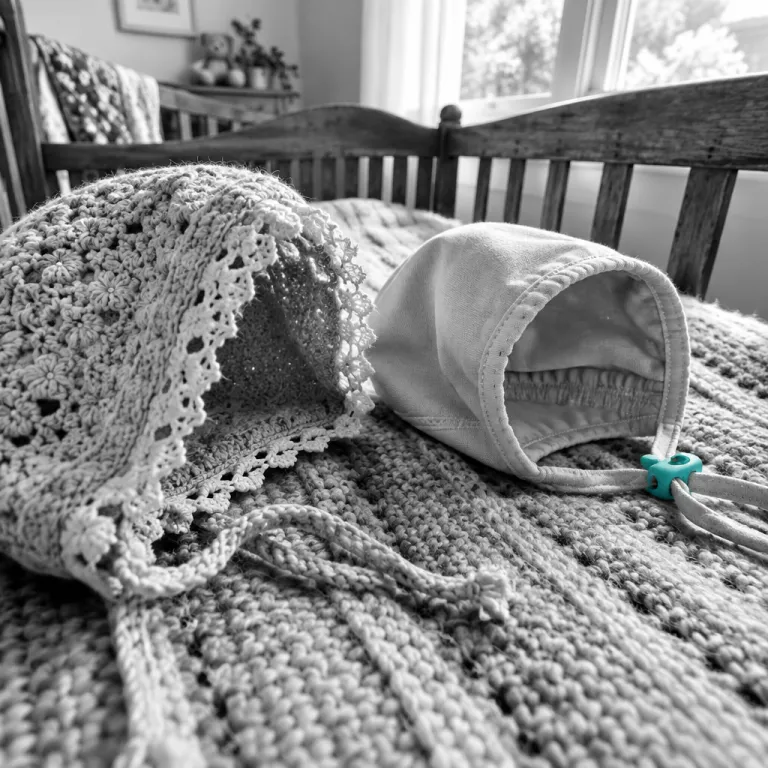

Why the pixie bonnet became an infant style essential
The pixie bonnet has quietly moved from nostalgic accessory to modern nursery staple. Parents who care about every stitch now treat each bonnet as a signature piece that frames the baby face with character and comfort. This shift reflects a deeper desire for infant essentials that balance softness, practicality, and a playful pixie silhouette.
Unlike a generic baby hat, a well designed pixie bonnet wraps the head and neck while keeping the cheeks visible. The pointed shape adds a storybook charm, yet the bonnet remains functional in every season, from the coldest winter days to mild early summer afternoons. Style conscious parents appreciate how one baby bonnet can anchor an outfit, whether paired with a kimono romper or a quilted pram suit.
For design led nurseries, the question is no longer whether to choose a bonnet or a hat. The real decision is which pixie bonnet pattern, which yarn, and which size will best suit a newborn or older baby. That is where thoughtful design, precise knit or crochet work, and fabric certifications such as OEKO TEX transform a simple baby pixie accessory into a trusted wardrobe hero.
Choosing the right bonnet pattern and yarn for newborn comfort
When selecting a pixie bonnet for a newborn, start with the bonnet pattern and the yarn quality. A pattern with clear, row by row instructions helps makers maintain consistent stitches that sit flat against delicate skin. For non knitters, understanding these details still matters, because they directly influence softness, breathability, and overall baby comfort.
Soft cotton yarn remains a gold standard for infant essentials, especially in transitional months such as late winter and early spring when temperatures fluctuate. Many parents now look for OEKO TEX certified yarns, ensuring that each stitch in the baby bonnet or pixie hat touches the baby head without harmful residues. Whether you choose knit or crochet, prioritizing soft fibers over novelty textures keeps the pixie silhouette gentle rather than scratchy.
Thoughtful makers often adapt one bonnet pattern into several versions for different climates and outfits. A lighter soft cotton pixie bonnet works beautifully with an elegant infant kimono wardrobe, while a denser wool blend suits colder evenings in autumn and deep winter. For readers who love children’s fashion, understanding how yarn weight, stitch density, and overall construction change the drape of the bonnet unlocks endless styling possibilities for every baby pixie look.
Mastering size, fit, and row details for a polished baby look
A pixie bonnet only looks refined when the size and fit are exact. Too small, and the bonnet pulls at the forehead; too large, and the pointed pixie crown collapses and hides the baby eyes. Precision begins with accurate head measurements and continues through every counted row and carefully balanced stitch.
Parents who knit or crochet often rely on a detailed bonnet pattern that specifies each knit row, each purl row, and every shaping row near the crown. These technical notes prevent uneven stitches and help maintain the clean pixie line that distinguishes a pixie hat from a standard rounded hat. Even when you buy ready made, brands that share their sizing charts and construction details signal a higher level of transparency and craftsmanship.
For those curating a capsule wardrobe, a reliable infant hat size chart becomes as essential as a shoe guide. It allows you to plan several pixie bonnet sizes across the months without guesswork. As a simple reference, many newborns fit head circumferences around 34–36 cm, while babies at six months often measure closer to 43–45 cm. The table below offers an illustrative guide that many parents use when choosing a baby pixie bonnet:
| Age (approx.) | Head circumference | Typical bonnet size |
|---|---|---|
| Newborn | 34–36 cm | 0–1 month |
| 3 months | 40–42 cm | 0–3 months |
| 6 months | 43–45 cm | 3–6 months |
This structured approach ensures that every baby bonnet, from the tiniest newborn size to the larger baby pixie version, frames the face neatly and photographs beautifully.
Seasonal styling: pixie bonnets from january to december
Seasonality plays a decisive role in how a pixie bonnet integrates into an infant wardrobe. In the cooler stretch from late autumn to midwinter, parents gravitate toward thicker yarn and denser stitches that trap warmth around the ears. During these months, a pixie hat in brushed wool or lined soft cotton can replace a hood, keeping the baby profile elegant rather than bulky.
Transitional periods such as the shift from winter into spring, or from spring into early summer, invite lighter interpretations of the classic bonnet. Here, a baby bonnet in breathable soft cotton yarn with a looser stitch pattern offers just enough coverage for breezy pram walks. Fashion oriented parents often coordinate bonnet patterns with cardigans or blankets, repeating a subtle pattern motif or color across several pieces for a cohesive look.
Summer months from june through august call for ultra soft, almost weightless pixie bonnet designs. A baby pixie style in fine OEKO TEX certified cotton protects the scalp from sun without overheating the baby. In late season windows like early autumn or the run up to the holidays, layering becomes key, with a standard hat sometimes worn under a slightly larger pixie bonnet for extra insulation while preserving that distinctive pointed silhouette.
Price, value, and the new standard of ethical infant accessories
Price is always part of the conversation, yet parents who care about style and comfort increasingly evaluate a pixie bonnet through a value lens. A higher price can be justified by OEKO TEX certification, premium yarn, and a refined bonnet pattern that ensures long lasting shape. When a baby bonnet survives multiple seasons and siblings, the cost per wear often undercuts cheaper, less durable options.
Ethical production has become a new standard for many families who care about what touches their baby skin. Transparent brands now share information about yarn sourcing, factory conditions, and even the number of stitches or rows used to reinforce stress points such as ties and edges. This level of detail, from the first knit row to the final finishing row, reassures parents that every stitch in the pixie hat reflects both style and responsibility.
Online shopping adds another layer, where free or low cost delivery can influence the perceived price of a pixie bonnet. Some retailers offer bundles of matching bonnets and hats, allowing parents to compare patterns, sizes, and textures across a single order. For tech savvy families, pairing a beautifully crafted bonnet with a connected accessory such as a kids GPS watch creates a modern, safety conscious take on traditional baby styling.
Knit versus crochet: texture, stitches, and creative freedom
The choice between knit and crochet defines the final character of a pixie bonnet. Knitting typically produces a smoother fabric, where each stitch and purl row lies in a subtle rhythm that flatters minimalist outfits. Crochet, by contrast, can create sculptural textures that turn a simple baby bonnet into a statement piece.
For knit enthusiasts, mastering the balance between knit and purl row sequences is essential to maintain elasticity around the baby face. Strategic decreases along specific row counts shape the pointed pixie crown without creating bulk at the back of the head. Many advanced makers experiment with alternating stitch patterns, using one pattern for the bonnet body and another for the edging to frame the cheeks.
Crochet lovers often appreciate the speed and structural integrity of crochet stitches, especially when working multiple pixie bonnet patterns as gifts. A crochet pixie hat in soft cotton yarn can hold its shape even after frequent washing, which is crucial for daily wear from spring through early winter. Whether you favor knit or crochet, the key is to respect gauge, row structure, and yarn choice so that every baby pixie bonnet feels as refined as it looks.
Building a curated infant wardrobe around the pixie bonnet
Thoughtful parents now treat the pixie bonnet as a starting point for building a cohesive infant wardrobe. By selecting one signature bonnet pattern in several sizes, they can plan outfits that evolve from newborn days through the busy months of the first year and beyond. This approach turns each baby bonnet into a visual thread that ties together photos, milestones, and family memories.
A curated wardrobe might include a soft cotton pixie hat for everyday wear, a textured crochet bonnet for special occasions, and a thicker knit version for travel. Coordinating yarn colors with blankets, booties, and outerwear ensures that every stitch feels intentional rather than improvised. Over time, parents learn which size, row structure, and stitch density best suit their baby, refining future patterns and purchases with confidence.
For readers who are passionate about children’s style, the pixie bonnet becomes more than a practical accessory; it is a design language. Each choice of yarn, each carefully counted row, and each seasonal color palette expresses a point of view about childhood fashion. When these elements align with ethical standards, comfortable fit, and thoughtful delivery options, the humble pixie bonnet earns its place as a true icon of infant fashion.
Key figures shaping the pixie bonnet and infant accessory market
- According to the Organic Trade Association’s 2023 Organic Industry Survey (organictrade.org, published May 2023), global sales of organic cotton, including soft cotton yarns used in baby bonnets and hats, have risen steadily over the past five years and reached more than $2 billion in annual revenue, reflecting rising demand for safer fibers near infant skin.
- OEKO TEX reports in its 2023 Annual Report (oeko-tex.com, data as of December 31, 2022) that more than 21,000 manufacturers, brands, and retailers worldwide now hold STANDARD 100 by OEKO TEX certifications, giving parents more options for certified pixie bonnet and baby pixie accessories than ever before.
- Data from the British Retail Consortium’s Retail Sales Monitor (brc.org.uk, 2022–2023 overview) indicates that online sales of baby clothing and accessories, including bonnet patterns and ready made pixie hats, account for a substantial share of total category revenue in the United Kingdom, underlining the importance of clear size charts and reliable delivery.
- Consumer surveys from the Good Housekeeping Institute (goodhousekeeping.com, 2022 baby gear reports) show that more than 70% of parents rank softness and comfort as the top criteria when choosing a baby hat or bonnet, ahead of price and brand name, which reinforces the focus on yarn quality and stitch construction.
- Market research by Grand View Research in its “Baby Apparel Market Size, Share & Trends Analysis Report” (grandviewresearch.com, updated 2023) estimates that the global baby apparel market will continue to grow at a compound annual rate above 4% through 2030, with premium and ethically produced items such as OEKO TEX certified pixie bonnets outpacing mass market basics.
FAQ about pixie bonnets for babies
How should a pixie bonnet fit on a newborn head ?
A newborn pixie bonnet should sit just above the eyebrows, cover the ears fully, and tie comfortably under the chin without pulling. There should be enough room to slide two fingers between the tie and the baby neck. If the pointed crown collapses or the edges ride up, the size or row count likely needs adjustment.
Is knit or crochet better for a baby pixie bonnet ?
Both knit and crochet can work beautifully, but they offer different textures and levels of stretch. Knitting usually provides a smoother, more elastic fabric that hugs the head gently, while crochet creates a firmer structure that holds the pixie shape very well. The best choice depends on your climate, yarn, and whether you prefer a sleek or more textured look.
Which yarn is safest and softest for infant bonnets ?
Soft cotton and certified organic fibers are widely recommended for direct contact with baby skin. OEKO TEX or similar certifications indicate that the yarn has been tested for harmful substances, which is especially important for items like bonnets that touch the face. For colder months, many parents choose a cotton blend or extra fine merino that balances warmth with breathability.
How many pixie bonnets does a baby really need ?
Most families find that three to five bonnets cover everyday needs and special occasions. A practical mix might include one lightweight soft cotton pixie bonnet, one mid weight option, and one warmer style for outdoor use. Having multiple pieces also allows for washing rotation, which is crucial in the early months.
Can a pixie bonnet be passed down between siblings ?
Yes, a well made pixie bonnet in quality yarn can become an heirloom piece. To ensure longevity, choose sturdy stitches, reinforced ties, and yarn that tolerates gentle machine washing or careful hand washing. Storing the bonnet clean and fully dry between babies helps preserve both the color and the distinctive pixie shape.