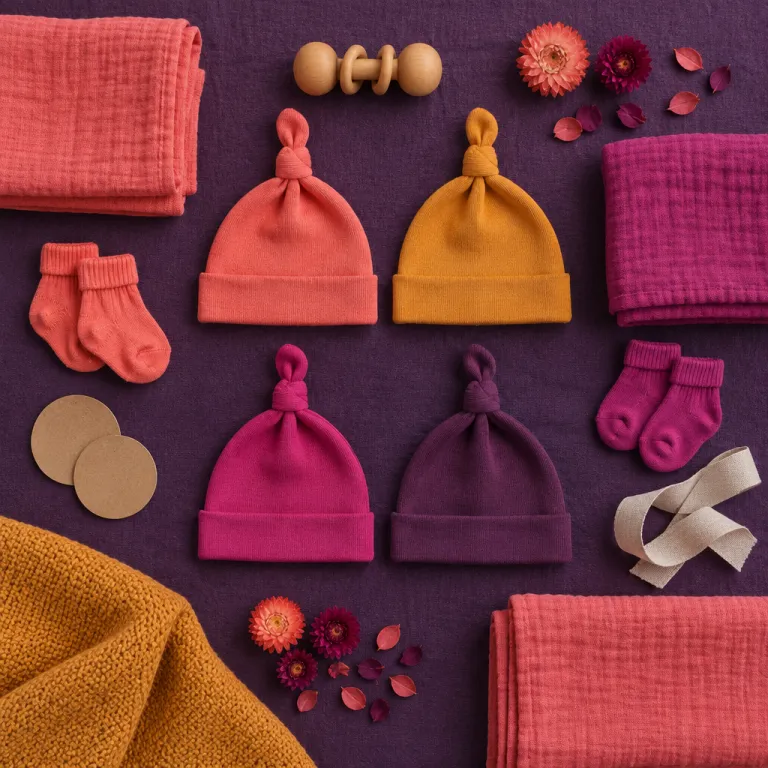

Why organic cotton newborn hats matter for style and comfort
For a fashion focused parent, the first baby hat is never just practical. It is a statement that organic values, refined style, and infant comfort can coexist in one small piece of clothing. When you curate organic cotton newborn hats, you are shaping how your newborn meets light, air, and touch.
Newborn baby skin is thinner, more permeable, and more reactive than adult skin, so choosing organic cotton for baby hats and other textile items is not a niche preference but a safety oriented decision. Organic textile fibers are grown without synthetic pesticides, and these farming practices reduce residue on the final products while also lowering environmental impact along the supply chain. When a cotton baby beanie or knit hat is made from organic cotton, the fabric usually feels softer against delicate skin and regulates temperature more evenly.
Parents who care about fashion often care about ethics, and organic textile production links both worlds in a tangible way. When you select organic cotton newborn hats that are GOTS certified under the Global Organic Textile Standard, you are supporting global organic farming practices and stricter chemical management in dye houses. Under GOTS, products labeled “made with organic materials” must contain at least 70 percent certified organic fibers, while items described as “organic” must reach a minimum of 95 percent organic fiber content. This means every beanie hat, sun hat, or bucket hat in your baby clothing rotation can align with your values while still meeting your expectations for refined design.
Understanding standards, certifications, and real quality signals
Not all organic cotton newborn hats are created equal, and serious fashion parents quickly learn to read labels with a critical eye. The Global Organic Textile Standard, often called the textile standard GOTS, is currently the most widely recognized global organic textile standard for baby clothing and accessories. When a product is described as GOTS certified, it means that at least 70 percent of its fibers are organic and that strict environmental and social criteria apply throughout processing.
Look for clear wording such as “GOTS certified organic cotton” on the product label, rather than vague claims that a hat is simply organic or eco friendly. A newborn baby beanie or knit hat that carries the full standard GOTS logo has been audited from farm to finished product, including dyeing, printing, and even packaging practices. This level of traceability matters when you are building a capsule wardrobe of baby hats, beanies, and sun hats that will sit directly against sensitive baby sun exposed skin.
Quality signals go beyond certification, and they include stitching density, fabric weight, and finishing details on each hat or beanie hat. When you compare the price of different products, remember that a higher price can reflect better cotton fiber length, more responsible farming practices, and safer dyes, not just a premium brand name. One parent described the difference this way: “Our GOTS certified ribbed beanie kept its shape and softness through daily wear and constant washing, while the cheaper hat we bought as a backup pilled and stretched out within a month.” For a deeper dive into how thoughtful standards shape infant essentials, the piece on the baby kimono onesie as a newborn style essential offers a useful parallel to what is happening in the world of organic cotton newborn hats.
Design details that elevate organic cotton newborn hats
Style obsessed parents know that the smallest design decisions can transform simple organic cotton newborn hats into signature wardrobe items. The silhouette of each hat, from snug baby beanie to relaxed bucket hat, shapes the entire proportion of a newborn outfit. When you coordinate a cotton baby knit hat with a wrap style kimono onesie, the look feels intentional rather than improvised.
For everyday wear, many parents prefer a classic beanie hat in soft ribbed organic cotton, which stretches gently as the baby grows without losing its shape. A slightly deeper cuff on the beanie creates a clean line around the face, and this detail works beautifully on both boys and girls when styled with minimal, neutral clothing. When the family steps outside, a structured sun hat or compact bucket hat in tightly woven organic textile fabric adds both sun protection and a more directional fashion attitude.
Color also plays a crucial role, and the rise of brands working with colored organics has expanded the palette far beyond beige basics. You can now join a new wave of parents who choose muted terracotta, eucalyptus green, or soft lilac organic cotton newborn hats that still respect strict textile standard rules. One mother of twins summed it up neatly: “We kept the clothes simple and let the hats do the talking—our terracotta beanies became the signature of every newborn photo.” For a refined take on infant headwear that pairs effortlessly with kimono style layers, the editorial on infant kimono elegance in newborn wardrobes shows how hats, wraps, and blankets can form a cohesive visual story.
Seasonal needs, sun protection, and real life styling
Seasonality is central when curating organic cotton newborn hats, because a baby’s thermoregulation is still immature. In cooler months, a double layered cotton baby beanie or knit hat traps warmth without the bulk of synthetic fleece, which can cause overheating indoors. For winter outings, some parents layer a snug beanie hat under a slightly larger hood, ensuring that the hat stays in place while the outer clothing changes.
Once the sun grows stronger, the focus shifts from insulation to sun protection, and this is where a well designed organic cotton sun hat becomes indispensable. A wide brim bucket hat in tightly woven cotton shields the face, ears, and neck from direct baby sun exposure, while still allowing air circulation around the scalp. Look for baby hats with adjustable chin ties and soft inner seams, so the newborn baby can nap comfortably in a stroller without pressure marks.
Fashion driven parents often coordinate sun hats with lightweight organic clothing items such as muslin rompers, kimono tops, or soft jersey leggings. Matching or complementary colors across hats, beanies, and other products create a polished look that still feels effortless on both boys and girls. For active families who already invest in performance gear like technical cross country ski boots for kids, applying the same attention to functional design in baby sun hats is a natural extension of their style philosophy.
Ethical farming practices, pricing, and conscious consumption
Behind every piece of organic cotton baby clothing lies a chain of decisions that starts on the farm. Organic farming practices prohibit genetically modified seeds and synthetic pesticides, which protects soil health and the workers who tend the cotton plants. When these fibers enter a certified global organic supply chain, they support a textile standard that values both environmental and social responsibility.
Parents sometimes question whether the higher price of GOTS certified organic cotton newborn hats is justified, especially when babies outgrow items quickly. The reality is that the cost of each product reflects not only the quality of the cotton but also fairer wages, safer dye houses, and more rigorous wastewater treatment practices. When you choose a GOTS certified beanie, knit hat, or sun hat, you are effectively voting for a system where textile workers and ecosystems are treated with greater respect.
Conscious consumption in the newborn phase does not mean buying more products, but buying fewer, better items that work hard in rotation. A tight edit of baby hats, including two beanie hats, one bucket hat, and one structured sun hat, can cover most scenarios for both boys and girls in the first months. By focusing on versatile organic textile pieces in neutral tones, you also increase the chance that these hats will be passed on to another baby, extending the life of each product and improving its overall impact.
Building a newborn hat wardrobe for fashion forward families
Curating a newborn hat wardrobe is similar to building a capsule collection, with each piece serving a clear purpose. Start with the essentials by selecting at least two organic cotton newborn hats in beanie form, one slightly lighter for indoor wear and one thicker knit hat for cooler days. These core baby beanie styles should coordinate with your main newborn clothing items, from kimono onesies to footed leggings.
Next, add a dedicated sun hat and a compact bucket hat, both made from tightly woven organic cotton that offers reliable sun protection without chemical coatings. For babies with very fair skin or families living in high UV regions, consider a slightly longer brim at the back of the hat to shield the neck during baby sun exposure. Many fashion conscious parents also like to include one statement piece in colored organics, such as a muted clay or deep ocean blue beanie hat that photographs beautifully for milestones and baby shower announcements.
Practical details complete the wardrobe, and they matter as much as aesthetics in daily life. Prioritize hats and beanies with soft labels, flat seams, and gentle elastication, because newborn baby skin reacts quickly to friction and pressure. To keep fabrics soft and colors rich, wash organic cotton newborn hats in cool water with a mild, fragrance free detergent, avoid optical brighteners, and air dry or tumble dry on low heat. When you join the growing community of parents who treat organic cotton newborn hats as both style anchors and ethical products, you set a new standard for what infant essentials can be in the global fashion conversation.
Key statistics on organic cotton newborn hats and baby textiles
- According to Textile Exchange’s Organic Cotton Market Report 2023, organic cotton represented roughly 1 to 2 percent of global cotton production by volume in recent years, yet demand for organic textile products in the baby segment has grown significantly faster than conventional cotton baby clothing over the past decade (Textile Exchange, Organic Cotton Market Report 2023).
- Dermatology research published by pediatric skin specialists has shown that newborn skin is about 20 to 30 percent thinner than adult skin, which increases the relevance of choosing soft, breathable fibers such as organic cotton for baby hats, beanies, and other items that stay in close contact with the scalp (American Academy of Pediatrics, clinical overviews on newborn skin care, 2021).
- Lifecycle assessments comparing organic cotton to conventional cotton have reported water use reductions of up to around 80 percent in some farming regions, which means that every GOTS certified organic cotton newborn hat can carry a measurably lower water footprint than a similar conventional product (Textile Exchange, Organic Cotton Life Cycle Assessment, 2014, summary updated 2020).
- Consumer surveys in Europe and North America indicate that parents are willing to pay a price premium of around 10 to 20 percent for certified organic baby products, especially when clear information about standards, farming practices, and delivery transparency is provided at the point of sale (Textile Exchange, Preferred Fiber & Materials Market Report 2022).
- Market analyses of baby shower gifting trends show that practical yet stylish items such as organic cotton baby hats, beanie hats, and sun hats consistently rank among the top requested gifts, reflecting a shift from purely decorative presents toward functional, long lasting products (American Academy of Pediatrics, guidance on newborn essentials and registry planning, 2020).
FAQ about organic cotton newborn hats
Are organic cotton newborn hats really better for sensitive baby skin ?
Organic cotton newborn hats are generally better tolerated by sensitive baby skin because the fibers are grown without synthetic pesticides and processed under stricter chemical controls. When a hat is GOTS certified under the Global Organic Textile Standard, it must meet limits on residues from dyes, bleaches, and finishes. This combination of cleaner farming practices and safer processing reduces the risk of irritation for newborns.
How many newborn hats does a baby actually need ?
For most families, four to six organic cotton newborn hats are sufficient for daily life. A practical mix could include two lightweight beanie hats for indoor wear, one thicker knit hat for cooler days, one sun hat, and one bucket hat for outdoor use. This small rotation covers both functional needs and styling options for boys and girls without unnecessary excess.
What should I look for when checking certifications and labels ?
When evaluating baby hats and other clothing items, look for a clear reference to the Global Organic Textile Standard and a valid GOTS certified logo. The label should specify that the main fiber is organic cotton and ideally mention the percentage of organic content in the product. Avoid vague claims such as “green” or “natural” without any recognized textile standard to support them.
Do organic cotton sun hats provide enough sun protection on their own ?
A well designed organic cotton sun hat or bucket hat with a dense weave can provide good physical sun protection for a newborn’s head, face, and neck. However, pediatric dermatologists still recommend combining hats with shade, appropriate clothing, and limited direct sun exposure, especially for babies under six months. For older babies, you can add mineral sunscreen on exposed areas while continuing to rely on hats as the first line of defense.
Are organic cotton newborn hats worth the higher price compared to conventional options ?
Many parents consider the higher price of organic cotton newborn hats worthwhile because it reflects better farming practices, stricter chemical controls, and often higher quality construction. These hats tend to be softer, more breathable, and more durable, which is important when they are worn daily and washed frequently. If you plan to pass items on to another baby or within the family, the cost per wear of a well made organic hat can be very competitive.
References
- Textile Exchange – Organic Cotton Market Report 2023; Organic Cotton Life Cycle Assessment (2014, summary updated 2020); Preferred Fiber & Materials Market Report 2022.
- Global Organic Textile Standard (GOTS) – Public Standards and Criteria, including 70% and 95% organic content thresholds.
- American Academy of Pediatrics – Guidance on newborn skin care, textile choices, sun protection, and newborn essentials (clinical and parent resources, 2020–2022).