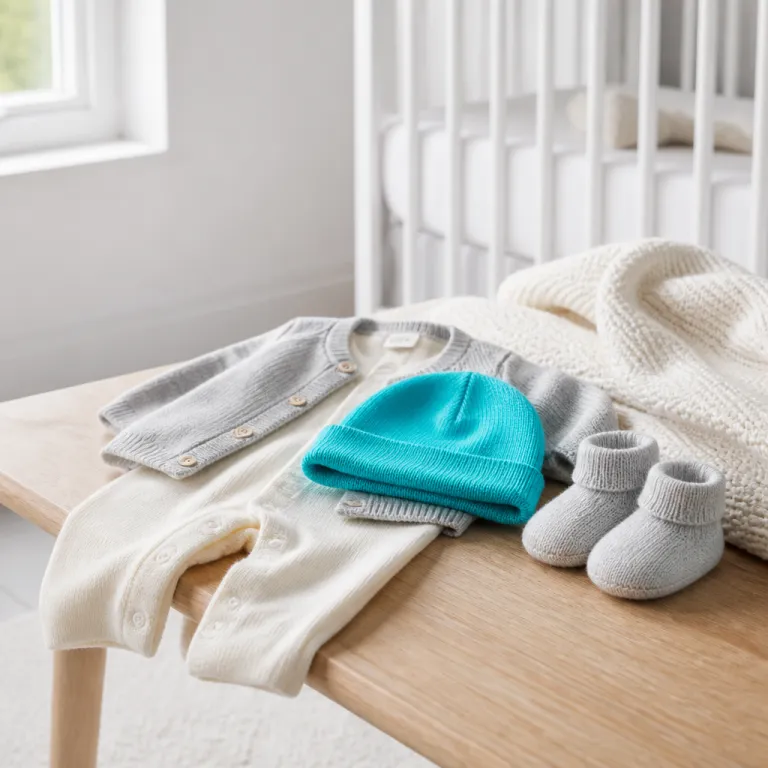

Merino wool baby clothes: a style-first guide for the first year
Why merino wool baby clothes matter for the first year
Merino wool baby clothes sit at the sweet spot between comfort and couture. For fashion-focused parents, this merino-based clothing offers a refined foundation for every baby outfit while still respecting delicate skin. The right wool garment becomes a quiet luxury statement in the nursery wardrobe rather than just another basic.
Unlike regular wool, fine merino fibres bend easily, which reduces itching and keeps baby skin calm during long naps and active play. This softness makes merino wool ideal as a base layer under more structured kids’ clothing, from denim rompers to special occasion dresses. When you treat merino as both a technical fabric and a style tool, you start planning outfits around its performance instead of adding it as an afterthought.
Parents often compare the price of pure merino pieces with synthetic fleece or regular cotton basics. The regular price of high-quality kids’ merino garments can feel steep, yet the cost per wear drops quickly when one long-sleeve wool base layer replaces several cheaper items. Many brands now show a quick view of fabric composition, care instructions, and customer reviews on product pages, which helps you judge value beyond the initial sale tag.
For newborns, merino wool sleep sacks and wool sleep gowns regulate temperature more effectively than standard organic cotton sleeping bags. This thermoregulation matters because babies cannot adjust their own body heat, especially during deep sleep cycles. Choosing merino wool baby clothes as the base for sleepwear means fewer night-time outfit changes and more consistent rest for both baby and parents.
From a sustainability perspective, organic merino and other naturally sourced wool fibres age gracefully, unlike synthetic fleece that pills and loses shape quickly. When you select GOTS-certified organic merino or boiled wool pieces, you invest in garments that respect both the planet and your baby’s skin. These thoughtful choices build a coherent infant wardrobe where every garment earns its place on the rail.
Understanding fibre science, sizing, and base layers for infants
Building an infant wardrobe around merino wool baby clothes starts with understanding fibre behaviour. Merino fibres trap air in their natural crimp, creating a breathable wool base that insulates without bulk. This structure makes merino wool ideal for layering under more decorative kids’ clothing without overheating the baby.
When you compare merino wool with organic cotton, think in terms of performance rather than softness alone. Organic cotton clothing feels gentle but absorbs moisture and stays damp, while merino wool wicks sweat away and keeps the base layer drier against the skin. For babies who run warm or sleep in shared family spaces, that difference in moisture management can transform overall sleep quality.
Correct sizing is crucial because a merino garment works best when it sits close to the body without constricting movement. Many premium brands now offer detailed infant size charts, and pairing those with a refined infant hat size chart helps you coordinate headwear with base layers. When you view merino sizing as part of a complete outfit strategy, you avoid the common mistake of buying wool fleece pieces that are either too loose to insulate or too tight to layer.
For daywear, a long-sleeve kids’ merino top works as the central base layer under rompers, dungarees, or even tulle skirts for older siblings. Many collections now include matching wool fleece leggings that function as thermal base layers in colder climates and as standalone clothing indoors. A quick view of each product’s garment weight, usually listed in grams per square metre (for example, 180–200 gsm for year-round wear), helps you decide whether it suits your local weather.
Parents often ask whether boiled wool is suitable for very young babies or better reserved for toddlers. Boiled wool jackets and buntings provide excellent wind resistance, yet they work best layered over softer merino wool base layers to avoid any potential friction on newborn skin. By combining pure organic merino under boiled wool outerwear, you create a sophisticated, functional system that adapts from pram walks to indoor play without constant outfit changes.
Sleep sacks, wool sleep systems, and night time elegance
Nightwear is where merino wool baby clothes quietly outperform most other infant essentials. A merino wool base layer under a wool sleep sack creates a microclimate that keeps babies warm without overheating. This combination is especially valuable for fashion-focused parents who want sleepwear that looks refined yet works hard through every sleep cycle.
Modern sleep sacks made from organic merino or lined with wool fleece offer more than just warmth; they manage humidity, which reduces the clammy feeling that often wakes babies. When you pair these sleep sacks with long-sleeve kids’ merino bodysuits, you minimise the need for extra blankets and simplify the bedtime routine. Many brands now provide a quick view of tog ratings, fabric composition, and verified reviews so you can match each garment to your nursery temperature—for example, a 1.0–1.5 tog merino sleep sack for rooms around 20–22 °C.
For style-conscious families, nightwear still matters because photos, visitors, and shared moments rarely stop at bedtime. A coordinated wool base in soft neutrals under a sculptural boiled wool sleep sack can look as considered as any daytime outfit. Accessories such as refined beanies, like those discussed in this guide to how infant beanies elevate early style, complete the look while keeping tiny heads warm.
From a practical angle, merino wool sleep systems reduce laundry volume because wool naturally resists odours and stays fresher between washes. Parents who track every regular price and sale price quickly notice that fewer garments in rotation offset the higher initial price of pure merino pieces. When you view merino as a long-term investment in better sleep, the overall price–value equation becomes more favourable.
Wool naturally contains lanolin, which offers mild antibacterial properties and supports a healthier microclimate against baby skin. This is one reason many GOTS-certified organic merino brands emphasise minimal chemical treatments and gentle finishing processes. For style-driven readers, that means you can prioritise both aesthetics and skin health without compromising on either side of the equation.
Care, washing rituals, and preserving garment beauty
Owning merino wool baby clothes means adopting a different care mindset from regular cotton basics. Wool fibres respond best to gentle washing routines that respect their natural structure and lanolin content. When you treat each merino garment as a long-term wardrobe piece, your care rituals become part of your fashion practice.
Most high-quality kids’ merino clothing can be machine washed on a wool cycle using a mild detergent formulated specifically for wool. Cold or low-temperature washing protects the fibre scales, which helps maintain softness and prevents shrinking, especially in base layers and long-sleeve tops. Always check the quick view care tab on product pages, because some boiled wool and wool fleece pieces require hand washing or spot cleaning only.
Drying methods matter as much as washing when you want to preserve the original sizing and drape of each garment. Lay merino wool flat on a towel, reshape gently, and avoid hanging heavy wet pieces that might stretch, particularly sleep sacks and thicker wool base layers. Direct heat sources can damage organic merino fibres, so keep garments away from radiators and strong sunlight.
Parents sometimes worry that the higher price of pure merino will be wasted if stains ruin the clothing. In reality, wool naturally repels many water-based spills, which often bead on the surface and can be blotted quickly before they set. For tougher marks, apply a wool-safe stain solution to the affected area, work it in gently with your fingers or a soft cloth, and rinse with cool water before allowing the garment to dry flat.
Reading customer reviews regularly can reveal how specific merino wool baby clothes behave after months of real family use. Look for comments about pilling, colour fastness, and how the garment handles frequent washing, especially for everyday base layers. When you consistently view merino care as part of the styling process, you extend the life of each piece and keep the entire infant wardrobe looking editorial-ready.
Price, value, and how to shop merino wool like a stylist
Evaluating merino wool baby clothes through a stylist’s lens changes how you read price tags. Instead of comparing only the regular price between wool and cotton, you assess versatility, durability, and the number of outfit combinations each piece unlocks. This approach turns every merino garment into a strategic base for multiple looks rather than a single-purpose item.
Start by identifying three core categories: base layer sets, sleep sacks, and outer wool fleece or boiled wool pieces. Allocate most of your budget to kids’ merino base layers, because these touch the skin daily and influence comfort more than any other clothing. A single long-sleeve wool base top in a neutral tone can sit under rompers, dungarees, or even statement dresses like this tutu skirt for girls when styling siblings together.
When browsing collections, use the quick view function to compare fabric composition, GOTS-certified labels, and care instructions before focusing on price. Many retailers show both regular price and sale price, which helps you track when a promotion brings premium organic merino within reach. Prioritise pure merino or high-merino-content blends over cheaper wool mixes that may not deliver the same performance.
Value also appears in how well garments resell or pass down between siblings and friends. Merino wool baby clothes that maintain their shape and colour after repeated washing often command strong second-hand prices, especially from respected kids’ merino brands. Reading detailed reviews on a regular basis gives you insight into which specific garments hold up best in real family wardrobes.
For style-led readers, curating a tight edit of merino wool pieces encourages more intentional styling. Instead of overflowing drawers of impulse buys, you build a capsule of base layers, sleep sacks, and outer garments that all work together. This disciplined approach respects both your budget and your aesthetic, proving that thoughtfully chosen wool-based wardrobes can be both luxurious and efficient.
Styling merino wool baby clothes for everyday and editorial moments
Merino wool baby clothes are not just practical; they are a powerful styling tool. A slim merino base layer in a muted tone creates a clean canvas for bolder textures and colours. This balance lets you dress babies in visually rich outfits without sacrificing comfort or mobility.
For daytime looks, pair long-sleeve kids’ merino bodysuits with soft organic cotton bloomers or linen rompers. The merino wool base regulates temperature, while the outer clothing carries the visual story through prints, pleats, or embroidery. Wool fleece leggings in complementary shades add depth and warmth, especially when layered under dresses or tunics for cooler days.
When styling for photoshoots or special events, think in terms of contrasts between matte and lustrous surfaces. A pure organic merino top under a silk or tulle pinafore creates a sophisticated mix that still feels baby-appropriate. Boiled wool jackets or capes add sculptural volume, framing the smaller merino base layers without overwhelming the baby’s proportions.
Accessories play a quiet but crucial role in finishing merino-based outfits for kids. GOTS-certified wool beanies, booties, and mittens echo the texture of the main garment while keeping extremities warm. Coordinating colours across these pieces helps the eye read the outfit as intentional rather than improvised.
Parents should also consider how merino wool baby clothes transition between indoor and outdoor settings. A baby dressed in layered base layers and a light boiled wool cardigan can move from pram to playmat without full outfit changes. This flexibility supports a more fluid daily rhythm, where style and practicality reinforce each other instead of competing.
Key figures and data on merino wool for babies
- Industry guidance from The Woolmark Company notes that fine merino fibres typically measure between about 17 and 23 microns in diameter, while many types of regular wool exceed 30 microns. This difference in fibre thickness helps explain why merino generally feels significantly softer against baby skin (Woolmark fibre diameter guidelines, accessed 2024).
- A clinical crossover study published in the British Journal of Dermatology in 2017 by Su and colleagues (Su et al., 2017, DOI: 10.1111/bjd.15545) followed 39 children with mild to moderate eczema over two six-week periods. The researchers reported that those wearing superfine merino experienced reduced eczema severity compared with periods wearing standard cotton, highlighting the potential benefits of merino wool baby clothes for sensitive skin.
- Data summarised by the International Wool Textile Organisation indicate that wool can absorb up to around 30% of its own weight in moisture vapour without feeling wet to the touch. This capacity supports the use of merino wool base layers and sleep sacks for better thermal comfort and humidity control during infant sleep.
- Lifecycle assessments referenced by the Campaign for Wool suggest that wool garments often have a longer average lifespan and are washed less frequently than synthetic equivalents. When parents choose durable kids’ merino pieces and wash them thoughtfully, this extended wear can reduce the overall environmental impact of a baby’s wardrobe.
- Certification bodies report that GOTS-certified wool and organic cotton now represent a growing share of premium baby clothing collections. This trend reflects increased demand from parents who want traceable, low-impact fibres in both base layers and outer garments, and who value transparent supply chains.
FAQ about merino wool baby clothes
Are merino wool baby clothes safe for newborns with sensitive skin?
Superfine merino wool is generally well tolerated by newborns because the fibres are much finer and more flexible than regular wool. Many dermatologists now consider high-quality merino suitable even for babies with mild eczema, provided the garments are GOTS certified and free from harsh chemical finishes. Always test a new garment for short periods first and monitor the skin for any reaction.
How many merino base layers does a baby really need?
For most families, three to five merino base layers in long-sleeve and short-sleeve styles cover daily needs. This rotation allows for washing and drying time while keeping at least one clean garment ready for unexpected outfit changes. If you live in a colder climate, adding extra wool base layers and one or two wool fleece leggings provides more flexibility.
Can merino wool sleep sacks replace blankets in the cot?
Merino wool sleep sacks are designed to reduce the need for loose blankets, which many safety guidelines advise against for young babies. When paired with an appropriate merino base layer and matched to the room temperature, a sleep sack usually provides sufficient warmth. Always follow the manufacturer’s tog guidance and check your baby’s neck or chest to ensure they are comfortably warm, not hot.
Is the higher price of organic merino worth it compared with regular cotton?
While the regular price of organic merino garments is higher than standard cotton, the cost per wear often becomes lower over time. Merino wool baby clothes can be worn across a wider temperature range, resist odours, and usually require less frequent washing, which extends their lifespan. Many parents also value the sustainability and traceability of GOTS-certified organic merino when assessing overall value.
How should I wash and dry merino wool baby clothes to avoid shrinking?
Use a gentle wool cycle with cold or low-temperature water and a detergent formulated specifically for wool. Avoid fabric softeners, as they can coat the fibres and reduce performance, and always reshape garments while damp before drying them flat on a towel. Never tumble dry pure merino or boiled wool pieces, because high heat can cause irreversible shrinking and distortion.