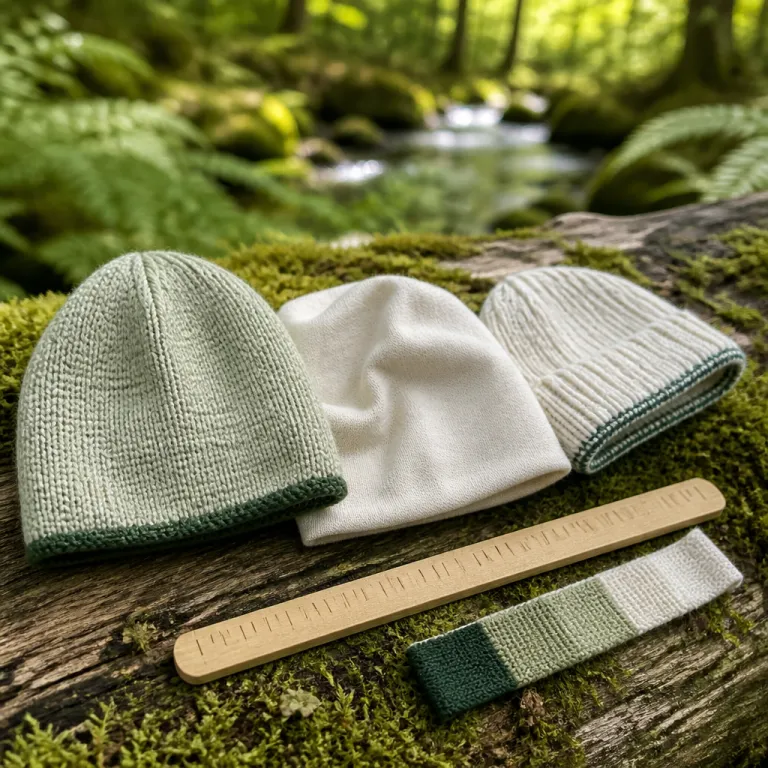

Why an infant hat size chart is a style essential
An elegant infant hat size chart is the quiet backbone of baby style. When you understand how each hat size relates to your baby’s growth in months, you stop guessing and start curating headwear that frames the face beautifully while protecting the delicate head. This level of precise sizing turns every baby hat into a considered fashion statement rather than a random accessory.
For fashion kid passionate readers, the relationship between head circumference in centimetres and inches and overall outfit balance is non negotiable. A refined size chart translates those head measurements into clear hat sizes, so a crochet hat or knit hat sits at the perfect crown height without slipping over the eyes or leaving red marks. The right hat measurement also ensures that textures, from baby crochet lace to chunky knit, drape correctly and photograph impeccably.
Think of a well structured sizing chart as your personal size guide for infant headwear. It connects each age range in months and early years to a specific hat circumference, allowing you to plan seasonal hats ahead of time. With a reliable measurement chart at hand, you can compare different hat patterns, evaluate hat sizing between brands, and build a capsule wardrobe of hats that fit as beautifully as they look.
How to measure an infant head for precise hat sizing
Accurate measurement is the foundation of any trustworthy infant hat size chart. To measure your baby’s head, place a soft tape around the widest part of the head, passing just above the eyebrows and the fullest part of the back, then note the head circumference in centimetres and inches. This single measure, repeated every few months, becomes your most powerful styling tool for hats.
Stylists who work with baby fashion often keep a small notebook of head measurements and dates. Recording each head measurement in both centimetres and inches lets you track growth across months and years, then align those numbers with a preferred size chart from your favourite brands. When you compare these measurements with a detailed measurement chart, you can see exactly when to move from one hat size to the next without waiting for a hat to feel tight.
For parents who love artisanal pieces, precise head circumference data is even more crucial. When commissioning a crochet hat or knit hat from an independent maker, you will usually be asked for exact hat measurements rather than clothing age in months. Sharing your updated measurement chart notes ensures the finished baby hat arrives with impeccable hat sizing, matching both your aesthetic expectations and your baby’s comfort, just as carefully as you would match refined muslin accessories from a curated muslin burp cloth style edit.
Reading an infant hat size chart like a fashion editor
Once you have reliable measurements, the next step is learning to read an infant hat size chart with an editor’s eye. Most size charts list age in months or years, head circumference in centimetres and inches, and corresponding hat sizes, but the most fashion forward parents look beyond the basic numbers. They consider how different materials, from fine crochet baby yarns to dense knit structures, respond to the same hat measurement.
When you study a sizing chart, start by locating your baby’s current head circumference, then check the recommended hat circumference and any notes about negative ease. Negative ease means the finished hat circumference is slightly smaller than the head circumference, allowing a crochet hat or knit hat to stretch gently and stay in place without sagging. For soft crochet hats and flexible knit hats, a small amount of negative ease usually creates a sleek crown line that flatters the baby’s features.
Fashion kid passionate readers should also compare multiple size guides and measurement charts from different labels. One brand’s hat sizes may run generous, while another label’s size chart might assume more negative ease, which changes how a baby hat frames the face. When you combine your own head measurements with a clear chart crochet reference and a trusted editorial on refined infant beanies, you gain the confidence to select hat patterns and ready made pieces that align with your personal aesthetic.
Design details that influence infant hat sizes and patterns
Not all infant hats are drafted the same way, even when the infant hat size chart suggests identical measurements. The shape of the crown, the depth of the hat, and the chosen pattern all influence how a given hat size feels on the baby’s head. A shallow crown with a wide brim will sit differently from a deep beanie style, even if both share the same hat circumference on paper.
When working with crochet baby designs, chart crochet diagrams often specify crown increases row by row, which directly affects the final head circumference. A pattern that stops crown increases early will create a taller, more fitted silhouette, while extra increase rounds produce a broader crown that may require adjusted hat sizing. For knit hat designs, the pattern usually lists both the intended head circumference and the finished hat circumference, allowing you to evaluate negative ease before casting on.
Experienced makers rely on a personal size guide that links favourite hat patterns to real world measurements. They note how each crochet hat or knit hat behaves after washing, whether the yarn relaxes and increases the effective hat measurements, or tightens and reduces the practical size. Over several years of styling and making, this evolving measurement chart becomes as valuable as any commercial sizing chart, helping you predict how a new baby hat will integrate into a carefully planned wardrobe.
Building an age specific infant hat wardrobe with confidence
A thoughtful infant hat size chart allows you to plan a complete hat wardrobe for each stage of early childhood. Instead of buying random hats in multiple sizes, you can map out key pieces for different months and years, from newborn beanies to sun hats and statement crochet hats. This approach respects both your baby’s comfort and your desire for a cohesive, fashion forward aesthetic.
Start by listing essential categories, such as a lightweight crochet baby cap, a structured knit hat for cooler days, and a dressy baby hat for special occasions. For each category, match your baby’s current head circumference to the recommended hat circumference on your preferred size chart, then note any negative ease suggested by the pattern or brand. Over time, you will see clear sizing patterns emerge, allowing you to anticipate when to size up and which hat sizes to skip entirely.
Parents who enjoy mixing fashion and function can also coordinate hats with other style focused accessories and smart wearables. For example, pairing a sleek knit hat with a colourful GPS watch from a curated kids tech edit such as this 4G kids smart watch style review creates a modern, urban look. The key is to let your measurement chart and sizing chart guide the technical fit, while your eye for pattern, colour, and proportion shapes the overall outfit narrative.
Translating charts into custom crochet and knit creations
For many fashion kid passionate readers, the real magic begins when an infant hat size chart becomes the starting point for custom crochet and knit projects. A clear size guide transforms raw head measurements into stitch counts, crown depths, and brim lengths that suit your baby’s unique proportions. This translation from measurement chart to finished hat allows you to control every design detail, from yarn choice to pattern complexity.
When adapting crochet hats, begin with the target head circumference and decide how much negative ease you want for the final hat circumference. Use chart crochet references or written hat patterns that list crown diameter in centimetres and inches, then adjust increase rounds until the crown measurement matches your plan. For knit hat projects, swatch carefully, calculate stitches per centimetre, and multiply by the desired hat measurement to obtain an accurate cast on number.
Over several years of making, you will likely build a personal library of baby crochet and knit hat patterns annotated with real world hat measurements. Notes such as “fits at 44 centimetres head circumference with 2 centimetres negative ease” or “best for 6 to 9 months when using cotton yarn” turn a simple size chart into a living archive of sizing knowledge. This blend of technical measurement and creative pattern work ensures every baby hat you produce feels tailored, even when based on widely available hat sizing templates.
Common sizing mistakes and how to refine your infant hat chart
Even with a detailed infant hat size chart, certain recurring mistakes can undermine both comfort and style. The most frequent issue is relying solely on age in months or years instead of actual head measurements, which often leads to hats that are too tight across the crown or too loose at the brim. Another common error is ignoring negative ease recommendations, especially for stretchy knit hat and crochet hat designs.
To refine your personal size guide, update your measurement chart every few months and compare the recorded head circumference with how existing hats fit. If a baby hat marked for a specific size consistently leaves marks on the head, adjust your internal hat sizing notes for that brand or pattern by at least one size. Over time, these corrections will align your practical hat measurements with the theoretical sizes listed on commercial size charts.
Pay attention as well to how different fibres and stitch patterns affect hat circumference and overall hat measurement. Dense crochet baby stitches may require less negative ease than open lace patterns, while ribbed knit hats can comfortably stretch several centimetres beyond their resting hat circumference. By documenting these nuances alongside your chart crochet references and favourite hat patterns, you transform a static sizing chart into a responsive tool that evolves with your baby’s growth and your styling ambitions.
Key figures that shape infant hat sizing decisions
- Average newborn head circumference ranges from about 33 to 36 centimetres (roughly 13 to 14 inches) according to World Health Organization growth standards, which typically corresponds to the smallest infant hat sizes on most size charts.
- By around three months, many babies reach a head circumference close to 40 centimetres, meaning parents often move from the first hat size to the next on their preferred infant hat size chart, as reflected in standard paediatric growth curves.
- Head circumference growth slows after the first year, with an average increase of about 1 centimetre every three months, allowing fashion focused parents to plan hat purchases and custom projects more strategically while staying within typical WHO percentile ranges.
- Studies published by paediatric growth researchers consistently show that accurate head measurement is a more reliable indicator for hat sizing than clothing age labels, which can vary widely between brands and regional markets.
- Many knit and crochet designers recommend between 2 and 5 centimetres of negative ease for infant hats, a guideline echoed across mainstream pattern books and designer size charts to ensure a secure yet comfortable fit that adapts to minor changes in head circumference.
FAQ about infant hat size charts and measurements
How often should I re measure my baby’s head for hat sizing ?
During the first year, re measure your baby’s head circumference every four to six weeks, then update your infant hat size chart notes accordingly. After the first year, measuring every three to four months is usually sufficient for accurate hat sizing. This schedule keeps your size guide aligned with real growth rather than relying on approximate age ranges.
What is negative ease in infant hats, and why does it matter ?
Negative ease means the finished hat circumference is slightly smaller than the actual head circumference, usually by 2 to 5 centimetres. This difference allows crochet hats and knit hats to stretch gently and stay in place without slipping over the eyes. For infants, controlled negative ease creates a secure, polished look while avoiding uncomfortable pressure on the crown.
Can I use one size chart for both crochet and knit infant hats ?
You can use the same head measurements for both crochet and knit projects, but you should interpret the size chart differently for each technique. Knit fabrics generally stretch more than crochet, so knit hat patterns often include greater negative ease than comparable crochet hat designs. Always check the designer’s measurement chart and adjust your expectations based on fibre content and stitch structure.
Why do some baby hats fit differently even when the label shows the same size ?
Differences in pattern drafting, crown depth, yarn elasticity, and brand specific hat sizing standards all influence how a labelled size feels on the head. Two baby hats marked with the same size can vary several centimetres in actual hat circumference or crown height. Comparing your own head measurements with each brand’s detailed sizing chart is the most reliable way to predict fit.
How can I adapt a favourite hat pattern as my baby grows ?
Start by updating your baby’s head circumference and comparing it with the original pattern’s target measurements. Then adjust the number of crown increase rounds, stitch counts, or brim length so the finished hat measurement matches your new size guide. Keeping careful notes on each adaptation turns a single pattern into a flexible template that can follow your child through multiple years of stylish wear.