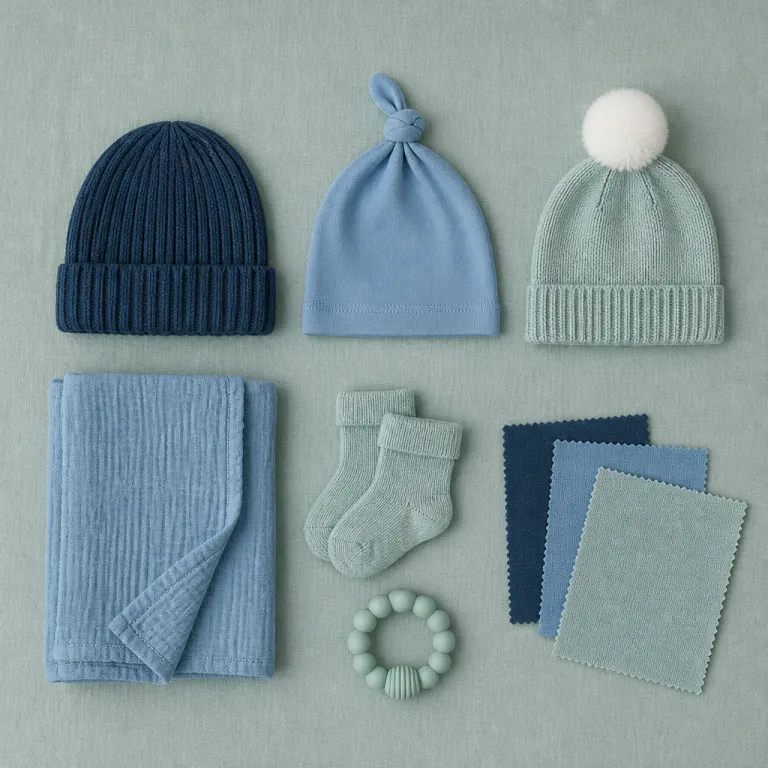

Why infant beanies matter in the first months of life
For a fashion-focused parent, infant beanies are never just practical. A thoughtfully chosen baby beanie frames the baby’s face, protects delicate skin, and quietly signals your aesthetic values to the world. When you curate several knit beanies for each early stage, you build a wearable story that evolves with every growth spurt.
Thermal regulation is the first reason every baby needs a reliable hat wardrobe. During the first months, tiny bodies lose heat quickly through the head, so a soft knit beanie in breathable cotton or merino helps maintain a stable temperature while still looking refined in photos and daily life. Many parents now treat the infant hat as a signature accessory, matching beanies to blankets, prams, and even parents’ outfits for a cohesive family look.
Colour plays a central role in this early style language for boys, girls, and non-gendered wardrobes. Classic white infant beanies feel pure and minimal, while oatmeal and soft grey tones create a calm, Scandinavian-inspired mood that photographs beautifully indoors. A more edited palette of navy, blue, green, brown, red, pink, or deep black beanies adds graphic contrast against tiny features and works especially well for style-conscious readers who enjoy editorial-level kids’ fashion.
Choosing the right knit, shape, and size for every infant
When you evaluate any infant beanies selection, start with the knit structure and fibre content. A fine-gauge knit beanie in combed cotton feels smooth against sensitive skin, while chunkier knits in merino or cashmere add sculptural volume that instantly elevate a simple baby outfit. Always stretch the beanie gently in store or at home to check recovery, because a hat that bags out quickly will slide over the eyes and ruin both comfort and silhouette.
Shape is equally important for style-conscious parents of boys, girls, and twins. A classic rounded baby beanie hugs the crown and suits minimalist wardrobes, whereas a slightly taller hat with a soft peak or a folded cuff creates a more directional, streetwear-inspired profile on even a three-month-old baby. For newborns, prioritise seamless or flat-seam construction around the crown, since bulky seams can press into the infant scalp when lying in a pram or carrier.
Colour curation turns a practical purchase into a miniature capsule wardrobe. Start with two neutral beanies in white or oatmeal, add one grey or black hat for graphic contrast, then layer in navy, blue, green, brown, red, or pink options for bolder styling moments. If you are planning a personalised outfit with a monogrammed gown, coordinate your knit beanie with the tones of a personalised newborn gown to create a cohesive coming-home look that feels editorial yet timeless.
Colour stories and outfit building with infant beanies
Thoughtful colour stories transform infant beanies from afterthoughts into anchors of the entire outfit. A single white baby beanie can soften a bold patterned romper, while a navy or black knit beanie sharpens the lines of a pale onesie and makes tiny facial features stand out in photographs. For fashion-focused parents, this balance between softness and structure is where real styling creativity begins.
Neutrals remain the backbone of any infant hat selection, because they pair effortlessly with seasonal pieces. Oatmeal and grey beanies work beautifully with natural fibres such as unbleached cotton muslins and elevated burp cloths, especially when you choose premium textiles similar to those highlighted in guides to elevated cotton burp cloths. Once these neutrals are in place, you can introduce a tighter edit of blue, green, brown, red, or pink hats to echo a stripe in a cardigan or the trim on a pram blanket.
Parents often underestimate how quickly a young baby will outgrow early sizes, so plan colour stories across sizes rather than single pieces. For example, you might start with a newborn knit beanie in soft pink, then move into a slightly larger baby beanie in a deeper rose, and finally a toddler beanie in muted berry, creating a tonal progression that feels intentional. The same approach works for boys, girls, and gender-neutral wardrobes using navy, blue, or forest green, ensuring that every infant beanie supports a long-term visual narrative instead of feeling like a random purchase.
Fabric quality, comfort, and safety in baby beanies
Fabric quality in infant beanies is not a luxury detail; it is a safety and comfort essential. Always check that any knit beanie touching a newborn head uses fibres that are either organic cotton, extra-fine merino, or another certified skin-friendly yarn, because synthetics can trap heat and cause irritation. A high-quality baby beanie should feel soft, spring back after gentle stretching, and show no loose threads or poorly finished seams inside the hat.
Comfort also depends on weight and breathability, especially for a baby who spends long periods lying down. Lightweight cotton beanies in white, oatmeal, or pale grey are ideal indoors, while slightly denser knits in navy, blue, green, brown, or red work better for outdoor strolls in cooler air. Avoid overly tight hats, since constriction around the forehead can leave marks and distract from the relaxed, effortless look that fashion-focused parents usually seek.
Safety details deserve the same attention you give to style and colour. Skip content such as large decorative bows, stiff labels, or metal embellishments on any infant hat, because these can press into the scalp or pose choking risks if they detach. Instead, focus on clean designs where the knit itself provides visual interest, and always wash new beanies before first wear to remove finishing agents that might irritate sensitive baby skin.
Building a strategic beanie wardrobe from newborn to toddler
A strategic wardrobe of infant beanies helps you manage both style and budget over time. Start by mapping the first twelve months of baby growth into three phases, then assign a small but focused selection of beanies to each stage rather than buying random hats whenever you see something cute. This approach mirrors capsule wardrobe thinking in adult fashion and keeps every baby beanie working hard in daily outfits.
Phase one covers the newborn period, when a snug knit beanie in white or oatmeal is worn almost constantly indoors and outside. Here you need at least three beanies in rotation, mixing one neutral hat, one darker option such as navy or grey for outings, and one statement colour like pink, blue, green, brown, red, or even black for photos and special visits. Phase two, from roughly three to six months of age, allows for slightly slouchier shapes and bolder textures, so you might introduce ribbed hats or waffle knits that echo the structure of cardigans and blankets.
Phase three, from six months into the toddler stage, is where infant beanies begin to intersect with broader kids’ fashion. At this point, you can align your hat choices with long-term wardrobe planning using resources such as this guide to buying kids clothes that outlast growth spurts. Matching a navy or grey knit beanie to outerwear, or repeating a pink or green accent from shoes to hat, creates a polished, editorial feel that still respects the practical needs of active boys, girls, and non-binary kids.
Evaluating price, value, and ethical choices in infant beanies
Price in the infant beanies market varies widely, but value depends on cost per wear rather than the number on the tag. A mid-range knit beanie in organic cotton that your baby wears daily for three months often delivers better value than a cheaper hat that loses shape after a few washes. When comparing price points, consider fibre quality, construction, and whether the brand offers transparent information about sourcing and labour.
Ethical considerations now sit at the heart of many fashion-focused decisions, especially for infant purchases. Look for certifications such as GOTS for organic cotton or standards for responsibly sourced wool, and check whether the brand explains how it handles customer data and supply chain transparency in a clear privacy policy or similar statement. Brands that treat their team and manufacturing partners fairly usually invest the same care into the baby beanie itself, resulting in better comfort and durability for your infant.
Colour and versatility also influence perceived value across your beanie selection. A white or oatmeal hat may feel basic, but it will pair with almost every outfit, while a navy, grey, or black beanie can anchor bolder prints and colours such as blue, green, brown, red, or pink. By balancing a few statement hats with several hard-working neutrals, you create a compact infant beanies wardrobe that respects both your aesthetic standards and your budget over the entire first-year baby timeline.
Key figures shaping the infant beanie market
- Industry data on fine merino wool fibres suggests that many premium yarns used in baby beanies measure well under 20 microns in diameter, which makes merino knit beanies noticeably softer and more suitable for infant skin than many standard wool hats.
- Surveys from organic textile organisations report strong growth in global sales of organic cotton apparel, reflecting rising parent demand for organic infant beanies and other baby essentials.
- Research summarised by circular-fashion advocates shows that extending the life of a garment by several months can significantly reduce its overall carbon footprint, which supports investing in higher-quality baby beanies that last through multiple growth stages or siblings.
- Guidance from paediatric experts notes that newborns can lose a meaningful share of their body heat through the head, underscoring the functional importance of a well-fitting infant hat in the first weeks of life.
FAQ about infant beanies for style conscious parents
How many infant beanies does a newborn really need?
Most newborns benefit from three to five infant beanies in rotation, including at least two lightweight cotton hats for indoor wear and one or two slightly warmer knit beanies for outdoor use. This allows for frequent washing after spit-ups without sacrificing style or comfort. If you live in a colder climate, add one extra baby beanie in merino or cashmere for pram walks.
Which fabrics are safest and most comfortable for a baby beanie?
Organic cotton and extra-fine merino wool are generally the safest and most comfortable fibres for an infant hat, because they regulate temperature and wick moisture away from the skin. Avoid rough acrylic blends or heavily textured knits that can cause irritation on a baby’s scalp. Always wash new beanies before first wear using a gentle, fragrance-free detergent.
What colours work best for boys girls and gender neutral styling?
For gender-neutral wardrobes, white, oatmeal, grey, navy, and soft green infant beanies offer maximum versatility and pair well with most outfits. Parents who enjoy more traditional palettes can lean into blue and navy for boys and pink or red accents for girls, while still keeping a few neutral hats for everyday wear. The key is to build a balanced selection that mixes neutrals with one or two statement colours.
How should I care for knit beanies to keep their shape?
Always follow the care label, but as a rule, wash knit beanies in cool water, reshape them while damp, and dry them flat away from direct heat. Avoid hanging a wet baby beanie by the edge, because this can stretch the fibres and distort the hat opening. Storing beanies folded rather than rolled also helps maintain a clean silhouette over time.
Does beanie price really reflect quality for infant styles?
Price often reflects fibre quality, construction, and ethical production, but it is not a guarantee of excellence. A mid-priced infant beanie in certified organic cotton with tight, even stitches can outperform a more expensive designer hat made from harsh synthetics. Evaluate each purchase by touch, stretch recovery, and transparency about materials rather than relying on branding alone.