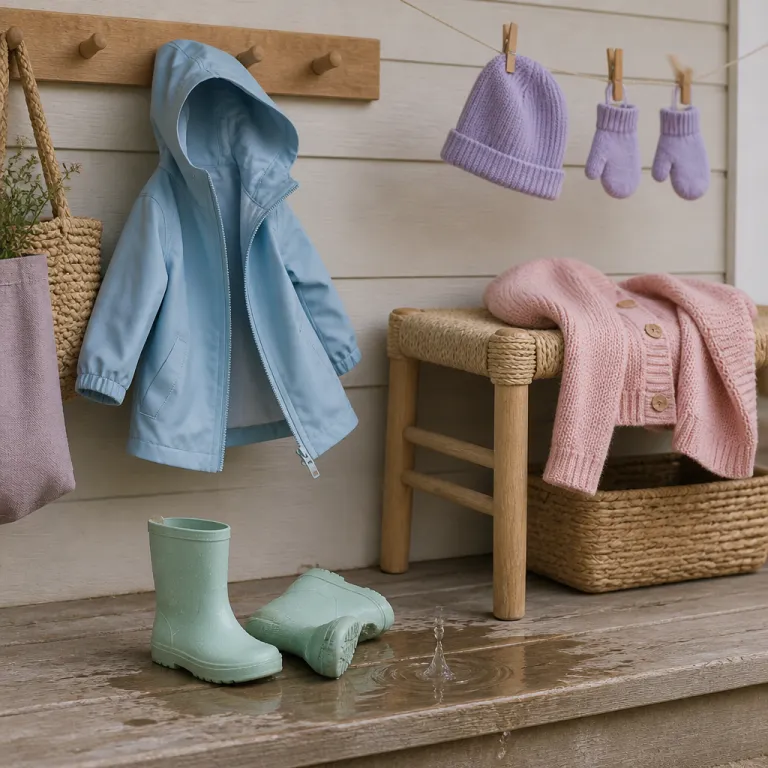
Why toddler fall wardrobe essentials 2026 start with smart layering
September is the month when a toddler leaves home in mist and comes back flushed from playground sun. For parents curating toddler fall wardrobe essentials 2026, the first rule is simple ; every piece of clothing must work across at least two temperature zones in one day. Think of your child’s fall wardrobe as a living system, not a Pinterest board.
For fashion focused parents of kids aged one to five, the aim is a capsule wardrobe that handles chilly mornings, warm classrooms and damp park benches without constant outfit changes. That capsule should include long sleeve organic cotton tops, soft pants with elastic waists, and a lightweight quilted vest that layers over everything from baby onesies to toddler girl dresses. When you plan outfits this way, each item earns its price by working hard across the whole season.
Start with base layers that feel like underwear but look like real clothes, because toddlers rarely tolerate fussy changes once the day starts. A child in breathable organic cotton leggings and a long sleeve tee can add or remove a vest or cardigan as the fall weather shifts. This is where toddler fall wardrobe essentials 2026 become less about trends and more about engineering comfort for active children.
The non negotiable outer layers for toddler fall and early winter
Outerwear is where many parents overspend on kids clothing that looks chic but fails the daycare test. For toddler fall wardrobe essentials 2026, two pieces matter more than any others ; a cotton lined rain jacket and a lightweight quilted vest. The jacket protects against sudden fall showers, while the vest carries your child from late summer into early winter without bulk.
Choose a rain jacket that reaches just below the child’s hips, with room for a long sleeve sweatshirt underneath but not so oversized that it catches on playground equipment. Look for taped seams, a soft jersey lining in organic cotton, and a hood that actually stays up when a toddler runs. In the United Kingdom, Scandinavian labels like Polarn O. Pyret and British brands such as Frugi have refined this balance between technical performance and kid friendly clothing design.
Footwear is the other non negotiable ; closed toe sneakers with grip for dry days and flexible boots for wet playgrounds. When you test sneakers, use a real life benchmark like the Nike Star Runner kids sneaker review, which shows how a shoe behaves after repeated park runs. A toddler in supportive sneakers and light boots will move confidently through the season, and every other piece of clothing in their fall wardrobe becomes more practical as a result.
Building a toddler capsule wardrobe that actually survives daycare
A true kids capsule for fall is not about minimalist aesthetics ; it is about reducing morning stress and laundry chaos. For toddler fall wardrobe essentials 2026, aim for a capsule wardrobe of around ten to twelve core pieces per child, excluding underwear and outerwear. That number gives enough outfits for a busy week without forcing you into constant mid week washing.
For a typical toddler girl or baby boy between eighteen months and three years, this capsule might include three to four long sleeve tees, two to three soft pants or leggings, one pants set for slightly smarter days, and one or two easy throw on dresses or rompers. Add one quilted vest, one cotton lined rain jacket, and one pair of everyday boots, and you have a functional fall winter bridge. The key is that every top works with every bottom, so outfits assemble in seconds while your toddler negotiates over which toy comes to daycare.
Accessories deserve the same rigour ; a knitted beanie, scarf and gloves set should pass the nap test, not just the photo test. Look for soft yarns and flat seams, as seen in many curated sets like this type of winter beanie and gloves set for girls. When accessories are comfortable, kids keep them on, and your carefully planned capsule wardrobe actually does its job in cold playground winds.
Fabrics, certifications and why organic cotton matters in fall
Fabric choice is where toddler fall wardrobe essentials 2026 either succeed quietly or fail dramatically. For base layers and everyday kids clothing, organic cotton jersey, French terry and brushed fleece are the workhorses of the season. These fabrics handle repeated washing at 40 °C or higher, which is non negotiable when a child spends days in paint, sand and snack crumbs.
Parents often ask whether the organic label justifies a higher price, especially when comparing regular price and sale price tags. With toddlers, the answer usually lies in skin comfort and durability ; organic cotton tends to pill less, breathe better and hold colour through the fall winter wash cycle. When you see an Oeko Tex Standard 100 label on baby clothes or toddler outfits, it signals that the textile has been tested for harmful substances, which matters when fabric sits directly against delicate baby skin.
For outer layers and pants, blends with a small percentage of elastane or recycled polyester can add stretch and resilience without sacrificing comfort. A pair of soft corduroy pants with two to three percent elastane will move better on a climbing frame than rigid denim, especially for a toddler girl who alternates between running and floor play. In the end, the best toddler fall wardrobe essentials 2026 are those where fabric choices quietly support movement, warmth and easy care, rather than chasing fleeting kids fashion trends.
Colour, silhouettes and the AW trends translated for real children
Seasonal trends only matter when they respect how kids actually move. For toddler fall wardrobe essentials 2026, three colour stories feel both current and practical ; lavender, spicy red and warm neutrals like biscotti and caramel. These tones sit beautifully on organic cotton and wash well, which is crucial when clothing cycles through mud kitchens and daycare art corners.
Oversized silhouettes are everywhere in adult fashion, but toddlers need a more considered approach. Look for relaxed joggers with soft elastic waists, boxy sweatshirts that leave room for a long sleeve base layer, and quilted vests that skim the body without swallowing it. A child should be able to squat, climb and nap without fabric bunching under straps or digging into bellies, and that is the standard every piece in a fall wardrobe must meet.
Prints can be playful without tipping into visual noise ; think wide stripes, simple florals or graphic animals that appeal to both baby girl and baby boy tastes. When you build outfits around a calm base of neutrals, a single spicy red sweatshirt or lavender pants set becomes the highlight rather than visual clutter. Style forward parents get their fashion fix, while children get clothes that feel like them, not like mini runway looks.
Practical shopping strategy, pricing and how to read value
Shopping for toddler fall wardrobe essentials 2026 is less about chasing a promo code and more about understanding value per wear. Start by listing what your child actually needs for this specific fall season ; count daycare days, weekend outings and any special events. Then map those needs against what already sits in the wardrobe, so you only shop for genuine gaps.
When comparing brands, ignore the noise of regular price versus sale price for a moment and calculate the real unit price per wear. A pair of organic cotton pants that costs more upfront but survives two children and a full fall winter cycle often beats cheaper kids clothing that fades or loses shape by October. If a brand offers a price sale or promo code on pieces you already identified as essentials, that is a bonus, not a reason to add unnecessary clothes.
Online, filter by fabric, certification and care instructions before you even look at colours. Prioritise Oeko Tex certified organic cotton for underwear, long sleeve tees and leggings, because these pieces sit closest to a child’s skin all day. For accessories like hats, use detailed guides such as the refined infant hat size chart to avoid the common mistake of buying cute but unwearable sizes.
Accessories, sizing and planning for growth through the season
Accessories are where a toddler fall wardrobe either becomes truly weatherproof or quietly fails. Think beyond aesthetics to how each piece behaves across a full daycare day ; can your child nap in that beanie, pull those boots on alone, or manage that scarf without help. If the answer is no, it does not belong on the list of toddler fall wardrobe essentials 2026.
For boots, prioritise flexible soles, warm but breathable linings and easy closures that small hands can manage. A child who can pull on their own boots gains independence, and you gain precious minutes on rushed mornings. Choose one everyday pair that works with most outfits and, if budget allows, a second pair for wetter days, rather than multiple fashion pairs that rarely leave the closet.
Sizing is both art and science ; aim for half a size of growing room in shoes and a little extra sleeve length in outerwear, but never so much that a toddler trips or catches fabric on play equipment. When you plan purchases this way, each item carries your child from early fall into the edge of winter without constant replacements. Style that respects growth, comfort and play is the quiet luxury of modern kids fashion.
Key figures on toddler fall wardrobes and kids clothing habits
- Market research from the NPD Group reported that children’s apparel sales in the United States grew by around 5 % year on year recently, with fall and back to school periods representing a significant share of annual kids clothing purchases.
- Surveys from the Cotton Incorporated Lifestyle Monitor have shown that over 70 % of parents prefer cotton rich fabrics for their children’s clothes, which aligns with the emphasis on organic cotton and breathable layers in toddler fall wardrobe essentials 2026.
- Consumer studies by the Ellen MacArthur Foundation indicate that extending the life of a garment by just nine months can reduce its carbon footprint by 20 to 30 %, which supports investing in durable capsule wardrobe pieces for toddlers rather than frequent fast fashion replacements.
- Reports from the Global Organic Textile Standard organisation highlight steady growth in certified organic cotton production, reflecting increased demand from parents for safer, more sustainable fabrics in baby and toddler clothing.
FAQ about toddler fall wardrobe essentials
How many outfits does a toddler really need for fall ?
Most toddlers manage well with a capsule of ten to twelve core pieces for fall, excluding underwear and outerwear. That usually means three to four long sleeve tops, two to three pants or leggings, one or two dresses or rompers, plus a quilted vest and a rain jacket. This mix covers daycare, weekends and small accidents without overwhelming the wardrobe.
What fabrics are best for toddler fall layers ?
Organic cotton jersey, French terry and brushed fleece are ideal for toddler fall layers because they are soft, breathable and machine washable at 40 °C or higher. These fabrics work well as base layers and mid layers under vests or jackets. Avoid scratchy wool blends directly on skin and reserve them for outer pieces if your child tolerates them.
Do I need separate fall and winter coats for my child ?
Many families manage with a layered system instead of two completely separate coats. A cotton lined rain jacket plus a lightweight quilted vest can handle most fall days and early winter in milder climates. In colder regions, you may add a heavier winter coat later, but the fall layers still work underneath or on their own in shoulder seasons.
How can I keep my toddler stylish without constant shopping ?
Choose a simple colour palette with two or three accent shades and buy pieces that all mix and match. Focus on comfortable silhouettes and quality fabrics so clothes last through growth spurts and frequent washing. Then refresh style each season with a few statement items, like a printed sweatshirt or coloured boots, instead of replacing the entire wardrobe.
What should I prioritise if I am on a tight budget ?
On a tight budget, prioritise good shoes, a reliable rain jacket and comfortable base layers in breathable cotton. These items affect daily comfort and health more than occasional statement pieces. Fill gaps with second hand finds or swaps for extras like party outfits, while keeping the core fall wardrobe focused and functional.