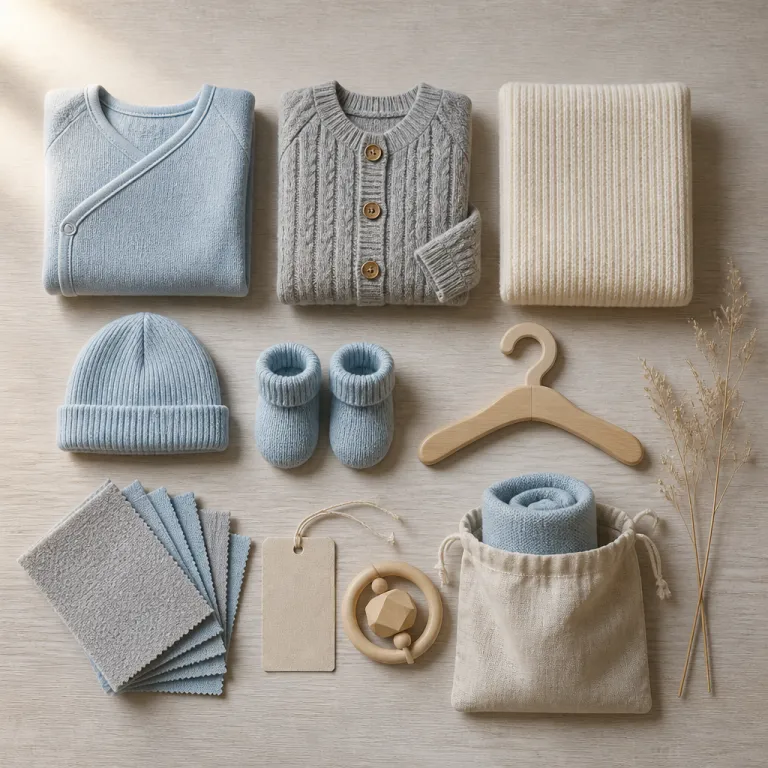

Why wool baby clothes matter for fashion focused infant wardrobes
Wool baby clothes now sit at the base of many curated layettes. For style driven parents, the right merino garment balances runway worthy aesthetics with technical performance that keeps a baby comfortable in changing temperatures. When you view wool baby clothes as long term wardrobe investments, the price per wear often becomes surprisingly reasonable, especially when pieces are shared between siblings.
High quality merino wool regulates a baby’s body heat better than most synthetic clothing. This natural fibre traps warm air in its fine wool fleece structure, yet it also releases excess heat and moisture to protect kids from overheating during sleep and daytime naps. Because merino fibres are naturally elastic, a single base layer or long sleeve romper often adapts to rapid baby growth and extends regular sizing ranges beyond a single season.
Parents who prioritise organic choices increasingly seek organic merino and organic cotton blends for infant clothing. These fabrics feel exceptionally soft against delicate baby skin, and when they are GOTS certified they also meet strict criteria for dyes, processing, and fibre sourcing. Choosing pure merino wool or boiled wool pieces from transparent brands such as Disana or Engel Natur builds trust and supports a more responsible kids fashion ecosystem.
Understanding fibres, base layers, and wool sleep performance
For newborns and young kids, the base layer is the quiet hero of every outfit. A merino wool base worn directly on the skin manages moisture during naps and night time sleep, which helps maintain a stable microclimate under sleep sacks or blankets. When parents compare wool baby clothes, they should always view merino quality, fabric weight, and garment construction before focusing on price alone or colour trends.
Merino fibres are generally finer than regular wool, which explains why kids merino pieces rarely feel itchy. The International Wool Textile Organisation notes that many superfine merino fibres measure under 18.5 microns in diameter, while conventional wool is often significantly thicker. This softness matters for wool sleep garments, because any irritation can disrupt a baby’s sleep cycles and make even premium sleep sacks feel uncomfortable.
Boiled wool and wool fleece each play a distinct role in infant wardrobes. Boiled wool jackets and buntings provide wind resistant warmth for outdoor strolls, while lighter wool fleece layers work beautifully over a merino base layer in cooler interiors. When you study a detailed infant hat or bonnet guide such as the refined infant hat size chart every fashion focused parent needs at this specialised sizing resource, you see how carefully calibrated sizing transforms the performance of every wool garment.
Design details that elevate wool baby clothes from basic to collectible
Stylish parents no longer accept wool baby clothes that feel purely functional. They want merino wool pieces with refined detailing, from tonal topstitching to sculpted hoods that frame a baby’s face elegantly. When brands pair organic merino with organic cotton linings, the resulting garment often drapes more beautifully while still supporting wool naturally breathable performance and year round wear.
Thoughtful design also shows in how quickly a parent can change a baby without disturbing sleep. Two way zips on wool sleep sacks, side snaps on long sleeve bodysuits, and strategically placed openings on base layers all contribute to a smoother night routine. A custom pacifier clip styled as a chic hero of infant essentials, such as those analysed in the feature on how a custom pacifier clip becomes the chic hero of infant essentials at this design focused article, can even coordinate with wool clothing palettes for a cohesive look.
Parents who love children’s fashion often curate mini capsules built around a few pure merino wool showpieces. A boiled wool coat in a muted tone, a wool fleece pram suit, and a set of matching base layers can anchor an entire season’s wardrobe for kids. When these garments are GOTS certified and produced in small European ateliers, the narrative around each piece becomes part of the family’s style story and supports slow fashion values.
Price, value, and how to read wool baby clothes product pages
When you first compare the regular price of premium wool baby clothes with cotton basics, the difference can feel significant. Yet a closer view of cost per wear, hand me down potential, and reduced need for multiple layers often reframes the price discussion. For example, if a €40 merino base layer is worn three times a week for six months, the cost per wear drops below €1, and many parents report that a single merino wool base layer replaces two or three regular cotton garments during cooler months.
On product pages, the quick view or full quick view options can reveal crucial details about fibre composition and care. Look for clear information on merino content, whether the piece uses organic merino or blends with organic cotton, and how the brand positions its wool base layers within the collection. A transparent brand will also separate regular price from any sale price or price sale promotions, making it easy to understand the garment’s true value and seasonal markdowns.
Reviews matter as much as the technical description, especially for kids merino pieces. Parents often leave reviews about washing results, wool sleep performance, and real world sizing feedback, which can function as informal reviews regular readers trust. For a broader strategy on building a three year wardrobe that outlasts growth spurts and maximises every euro spent, the guide on a three year wardrobe for kids at this wardrobe planning article offers a useful framework that applies directly to merino wool investments.
Care, washing rituals, and extending the life of merino garments
Proper care is the quiet secret behind beautiful wool baby clothes that last through multiple kids. Merino wool fibres contain natural lanolin, which helps resist odours and allows more wear between washing cycles than regular cotton clothing. This means that even when the initial price feels high, reduced washing and longer life can offset the investment and support a smaller, higher quality wardrobe.
Parents should always read the care label on each garment before the first wash. Many merino wool and wool fleece pieces are machine washable on a gentle cycle at around 30 °C, but some boiled wool items require hand washing or specialised wool programmes to preserve structure. As a simple checklist, use a wool specific detergent, avoid fabric softeners and bleach, wash at 30 °C or cooler, and reshape garments while damp to maintain the integrity of base layers, long sleeve tops, and sleep sacks.
Air drying on a flat surface protects the wool base and prevents stretching, especially for heavier kids merino knits. Storing wool baby clothes in breathable cotton bags with natural moth deterrents keeps the fibres safe between seasons and supports wool naturally resilient properties. When parents share detailed reviews about care and washing experiences, they help other families choose the right balance between pure merino luxury and practical maintenance.
Sizing, layering strategies, and age specific styling for infants
Age specific styling for infants starts with precise sizing and thoughtful layering. Because merino wool stretches gently, many parents size slightly up for base layers and long sleeve bodysuits, allowing the garment to adapt as the baby grows. For outer pieces in boiled wool or wool fleece, staying closer to regular sizing prevents drafts and keeps kids warm without bulk or restricted movement.
Layering begins with a thin wool base next to the skin, followed by mid weight clothing, and finally a protective outer garment. This system lets parents adjust quickly when moving a baby from a cool street to a warm café, simply by removing or adding one layer while keeping the base layer intact. Sleep sacks designed with merino wool linings or full wool sleep constructions integrate seamlessly into this approach, maintaining a stable temperature during naps and night time sleep without constant outfit changes.
For families who enjoy styling outfits, working with wool baby clothes also means playing with texture and proportion. A slim merino base layer under a softly structured boiled wool romper creates a refined silhouette that photographs beautifully, while still allowing full freedom of movement for kids. When parents view merino collections as modular base layers rather than single use outfits, they unlock far more styling options from a compact, high quality wardrobe.
Key figures shaping the rise of wool baby clothes
- Industry sources such as the International Wool Textile Organisation often describe superfine merino wool fibres as measuring well under 20 microns in diameter, while many regular wool fibres are noticeably thicker, which helps explain why merino garments feel significantly softer on baby skin.
- Independent lifecycle assessments, including work by the Australian Wool Innovation and academic partners, have repeatedly found that wool garments tend to be worn more frequently and kept in use for longer than comparable cotton items, increasing the effective value of a higher initial price.
- GOTS certified textiles now represent several million tonnes of fibres processed globally each year, and the Global Organic Textile Standard reports that a growing share of this volume is allocated to organic merino and organic cotton blends for baby and kids clothing.
- Consumer surveys from European children’s wear associations frequently report that a majority of parents who buy kids merino base layers cite improved sleep quality and easier temperature regulation as the main reasons for choosing wool baby clothes.
FAQ about wool baby clothes for style focused parents
Are wool baby clothes safe for newborns with sensitive skin ?
High quality merino wool is generally safe for newborns, because its fine fibres and smooth surface reduce the risk of irritation compared with regular wool. Parents should prioritise GOTS certified organic merino or merino blended with organic cotton, as these fabrics avoid harsh chemicals and heavy metal dyes. If a baby has a history of eczema or allergies, testing a small base layer for short periods helps confirm comfort before investing in multiple garments.
How many merino base layers does a baby really need ?
For most infants, three to five merino base layers and two long sleeve bodysuits provide enough rotation for daily wear and sleep. Because wool naturally resists odours, each garment can often be aired between uses instead of washed after every wear, which reduces laundry frequency. Families in colder climates may add one or two extra base layers and a wool fleece or boiled wool outer piece for outdoor use.
Can wool baby clothes be machine washed without shrinking ?
Many modern merino wool and kids merino garments are machine washable, but only on a gentle wool cycle with cool water and a dedicated wool detergent. Shrinkage usually occurs when pieces are washed at high temperatures, spun aggressively, or tumble dried, so following the care label is essential. Laying garments flat to dry and reshaping them while damp preserves both sizing and the refined look of the clothing.
Are wool sleep sacks warmer than synthetic options ?
Merino lined or fully wool sleep sacks often feel warmer yet more breathable than synthetic versions, because wool regulates temperature instead of simply trapping heat. This means a baby stays cosy without overheating, especially when paired with an appropriate wool base layer underneath. As a practical guide, many parents choose a lighter tog rating for wool sleep sacks than they would for polyester, and always adjust layering to room temperature and safe sleep guidelines.
Is the higher price of merino wool worth it for fast growing kids ?
The higher regular price of merino wool can be justified when parents focus on cost per wear, hand me down potential, and improved comfort. A well made merino base layer or boiled wool coat often fits across multiple sizes, then passes easily to younger siblings or friends. For families who care about both performance and aesthetics, the combination of durability, breathability, and refined design makes wool baby clothes a strategic investment rather than a fleeting trend.