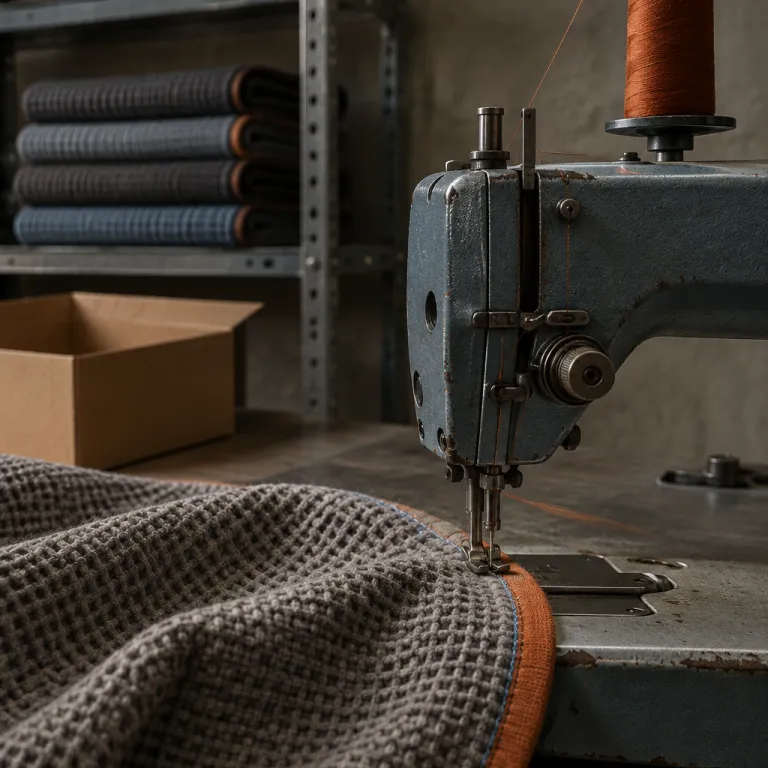

Why the Odin Parker organic baby blanket defines infant essentials
The Odin Parker organic baby blanket has quietly become a benchmark for style-focused nurseries and gift lists. In a market where every newborn throw claims softness and safety, this particular organic cotton design stands out for how it balances aesthetics, sensory comfort, and long-term practicality. For fashion-kid-passionate readers, it shows how a single cotton essential can anchor an entire infant wardrobe narrative while still feeling grounded in real-life use.
Parents drawn to organic textiles are no longer satisfied with plain basics, so they look for a blanket that feels couture yet remains genuinely kind in its sourcing and finishing. Odin Parker presents its baby blankets as made from certified organic cotton, typically aligned with standards such as GOTS (Global Organic Textile Standard), which require fibers to be grown without synthetic pesticides and processed under stricter chemical limits. That difference matters when skin contact lasts for hours every day. When a baby spends tummy time, stroller naps, and evening cuddle sessions wrapped in the same layer, the choice between conventional and organic cotton becomes a daily skincare decision rather than a distant sustainability slogan.
Design-wise, the piece reads like a miniature runway item, yet it still behaves like a hardworking nursery tool. Subtle tones such as peach or soft blush shades pair easily with powder neutrals, French plaid sheets, or a quilted throw in a similar palette, which lets you build layered looks without visual noise. For parents who curate every baby hat, bunny lovey, and teddy companion, this blanket works as the quiet hero that ties together bunny motifs, baby bear prints, and even whimsical ducks or runner ducks illustrations scattered across the room.
Organic cotton, skin health, and why texture matters for infants
Newborn skin is thinner and more permeable than adult skin, so every cotton surface that touches a baby becomes part of their skincare routine. Dermatology research suggests that up to 20% of children in industrialized countries experience atopic dermatitis at some point, which makes low-irritant fabrics especially relevant. When you choose a throw made from high-quality organic cotton, you reduce potential exposure to residual dyes and finishes that can irritate sensitive cheeks, tummies, and tiny hands. That is why many dermatologists and midwives quietly recommend organic fabrics for infants with eczema tendencies or reactive skin.
The Odin Parker organic baby blanket uses a mid-weight knit that feels plush yet breathable, which helps regulate temperature during naps in both warm and cool rooms. A baby wrapped in a kind organic fabric sleeps more comfortably because the fibers wick moisture away without trapping heat, and this is especially important when layering over a kimono onesie or under a thicker French plaid quilt in winter. Parents often notice that a familiar cuddle-kind texture quickly becomes a sleep cue, turning the blanket into a lovey that signals rest even when the family is traveling.
From a fashion perspective, the tactile story is as important as the color palette. A powder-toned design with a subtle gold sprig pattern or tiny ducks embroidery can still feel understated if the weave remains clean and modern. For readers exploring broader infant essentials, the same logic applies to nappies and base layers, and resources such as this guide on why organic cotton nappies are redefining infant essentials show how a consistent cotton approach can reshape the entire baby wardrobe from the inside out.
From blanket to lovey: how babies bond with textiles and characters
Many infants naturally elevate one soft blanket into a primary comfort object, and the Odin Parker organic baby blanket is designed with that emotional journey in mind. Developmental psychologists describe these items as “transitional objects” that help babies move between dependence and independence. When a textile features a gentle bunny character, a soft teddy motif, or a tiny baby bear face, it becomes more than fabric; it becomes a story companion. This is where the line between blanket and lovey blurs, and where design choices around bunny-ear details or bear embroidery start to matter.
Parents who understand this bonding process often introduce the same organic cotton layer during feeding, stroller walks, and bedtime, so the scent and feel become deeply familiar. Over time, the baby may clutch one corner like a blush accent, rub a stitched bunny ear, or trace a gold sprig print while self-soothing, and these repetitive gestures help regulate emotions. One mother described how her son “wouldn’t settle until he had that exact corner in his hand,” a tiny ritual that turned a simple throw into a reliable anchor.
For fashion-kid-passionate families, this emotional role opens a playful styling opportunity. You can layer the Odin Parker organic baby blanket over a minimalist kimono onesie, and this detailed feature on why the baby kimono onesie is redefining newborn style essentials shows how clean lines let the blanket shine as the hero piece. Whether the motif is a sleepy bunny, a shy baby bear, or a parade of runner ducks, the key is to keep the palette cohesive so the cuddle-kind energy of the set feels intentional rather than cluttered.
Styling the Odin Parker organic baby blanket for everyday outfits
Styling an Odin Parker organic baby blanket is less about rigid rules and more about building a coherent visual language around your child. Start with one anchor color from the throw, perhaps a powder blush tone, a peach hue, or a muted French plaid stripe, then echo it in a baby hat, socks, or a soft bunny lovey. This repetition creates a polished look that still feels effortless, which is exactly what fashion-kid-passionate parents aim for during everyday outings.
On cooler days, drape the blanket over a structured pram or stroller canopy so the pattern reads like a mini runway cape, then tuck the edges around your baby for a secure cuddle that does not overwhelm their frame. A design with a gold sprig border or ducks print pairs beautifully with neutral pram fabrics, while a bolder French plaid can stand alone as the statement piece. When you add a teddy toy or a bear lovey in the same palette, the ensemble looks editorial without sacrificing comfort.
Practical styling also means planning for movement and weather. For outdoor play with older siblings, you might pair the Odin Parker organic baby blanket with high-performance outerwear, and this review of children’s waterproof over trousers for outdoor play shows how technical layers can coexist with softer organic pieces in one family wardrobe. Even when the blanket is briefly used as a play mat or nursing cover, its cotton construction and kind organic finish keep it aligned with your overall infant essentials strategy.
Ethical storytelling: what “sold out” really signals in infant fashion
When an Odin Parker organic baby blanket is marked as sold out, that status often reflects more than simple demand. Limited runs in organic cotton require careful planning around harvests, dye batches, and production capacity, so a sold-out colorway can signal that the brand is prioritizing quality over volume. For parents, this scarcity reinforces the idea that each nursery piece is part of a considered capsule rather than an endlessly reproduced commodity.
The language around limited cuddle items and small-batch bunny or bear lovey designs also shapes how families talk about value. Instead of chasing every new drop, many fashion-focused parents now curate a small set of organic essentials that work hard and age gracefully, from a single teddy companion to a versatile French-style throw. When a favorite peach or blush shade disappears from the catalogue, it encourages more intentional purchasing and better care of the pieces already at home.
Ethical storytelling extends to transparency about materials and certifications. Brands that clearly label items as organic products, explain their cotton sourcing, and avoid false greenwashing claims build long-term trust with style-conscious families. In this context, seeing a specific baby bunny motif or ducks print return in a new French plaid colorway feels like part of an ongoing narrative rather than a random marketing trigger, and that narrative is what keeps parents emotionally invested in the Odin Parker organic baby blanket line.
Design details, digital layouts, and the future of infant essentials
Behind every Odin Parker organic baby blanket lies a surprisingly technical design process that blends artistry with digital precision. Graphic designers map motifs such as baby bear faces, bunny characters, or runner ducks onto the template using layout parameters similar to triggeroffsetx, triggeroffsety, and triggersize in design software, which control how far a motif sits from the edge and how large it appears. These invisible decisions determine whether a gold sprig border feels balanced, whether a French plaid grid aligns cleanly, and whether the overall composition flatters a tiny body.
Color calibration is equally meticulous, especially when working with organic dyes that can behave differently from conventional formulas. Achieving a consistent powder tone, a soft blush accent, or a precise peach shade across multiple blanket batches requires test runs and adjustments, and any false step can shift the entire palette. When brands succeed, parents receive a cotton baby piece that matches the online imagery, which is crucial for those building coordinated sets with a bunny lovey, a teddy toy, or a matching baby hat.
The future of infant essentials will likely bring even more integration between ethical sourcing and high-level design. As more families demand kind organic textiles, cuddle-kind textures, and verifiable certifications, brands will refine both their storytelling and their technical workflows. For fashion-kid-passionate readers, understanding these behind-the-scenes details only deepens the appreciation for a thoughtfully made Odin Parker organic baby blanket, turning a simple nursery item into a symbol of how style, comfort, and responsibility can coexist from the very first days of life.
Key figures shaping organic baby textiles and blankets
- Industry reports from organizations such as Textile Exchange describe steady growth in global organic cotton production; its 2022 Organic Cotton Market Report, for example, noted millions of metric tons of certified fiber, reflecting how more parents are choosing organic textiles for health and environmental reasons.
- Dermatology research suggests that a significant share of children experience atopic dermatitis at some point, with estimates around one in five in many regions, which makes low-irritant materials such as organic cotton especially relevant for items like the Odin Parker organic baby blanket that touch skin for many hours daily.
- Consumer surveys from major baby retailers indicate that blankets and swaddles are among the top three most gifted newborn items, meaning a well-chosen organic baby blanket often becomes a family’s most used infant essential and a visible symbol of their values.
- Lifecycle assessments comparing conventional and organic cotton generally show meaningful reductions in water use and chemical inputs for organic systems, so selecting an organic cotton baby blanket can help lower the environmental footprint of a newborn wardrobe without sacrificing comfort.
- Market analyses of premium infant goods reveal that parents are often willing to pay a modest price premium for verified organic products, especially when design quality and durability match their fashion expectations and the brand communicates certifications clearly.
FAQ: Odin Parker organic baby blanket and infant essentials
Why choose an Odin Parker organic baby blanket over a conventional one?
An Odin Parker organic baby blanket uses certified organic cotton, which reduces exposure to potentially irritating chemicals for delicate infant skin. The brand also focuses on refined design details, so you get both health-conscious materials and a visually elevated piece. For fashion-oriented parents, this combination makes it easier to build a cohesive, stylish infant wardrobe around one hardworking blanket.
Is organic cotton really better for sensitive baby skin?
Organic cotton is grown and processed under stricter chemical regulations, which can lower the risk of residues that may irritate sensitive or eczema-prone skin. Because a baby blanket stays in prolonged contact with cheeks, hands, and bare legs, this reduced chemical load can be meaningful. Many pediatric dermatologists therefore recommend organic textiles as a simple, non-pharmaceutical way to support skin comfort.
How many organic baby blankets does a newborn realistically need?
Most families manage well with two to three high-quality organic baby blankets, rotating them between sleep, outings, and laundry. Having at least one Odin Parker organic baby blanket reserved for naps and bedtime helps it become a familiar comfort object. A second blanket can handle outdoor use, pram styling, or playtime on the floor without compromising the cleanliness of the primary sleep piece.
Can a baby blanket safely double as a lovey?
Many babies naturally adopt a favorite blanket as a lovey, and this can be safe when the blanket is lightweight, breathable, and used according to safe sleep guidelines. During supervised naps or awake time, a small Odin Parker organic baby blanket can offer both tactile comfort and emotional reassurance. For overnight sleep, parents should follow current pediatric recommendations, which usually suggest keeping the sleep space clear for very young infants.
How do I style an organic baby blanket for photos and outings?
Choose one or two colors from the blanket, then echo them in a hat, socks, or a soft toy to create a cohesive look. An Odin Parker organic baby blanket in blush, powder, or French plaid tones pairs beautifully with simple cotton basics, letting the blanket act as the statement piece. This approach keeps your baby comfortable while still delivering the polished aesthetic that fashion-kid-passionate parents love.