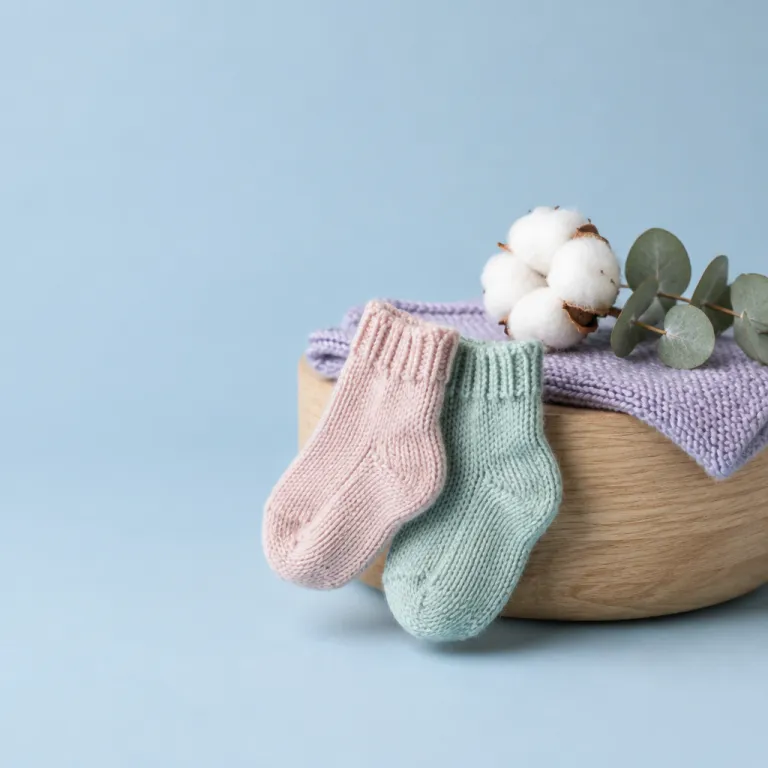

Why organic baby socks matter for fashion focused infant wardrobes
Organic baby socks sit at the intersection of style and infant health. For fashion-conscious parents who care about every detail, each pair of baby socks should look refined while respecting delicate skin and long term comfort. Thoughtful choices in organic cotton or merino wool socks signal a commitment to aesthetics, ethics, and everyday practicality.
Unlike standard polyester blends, organic cotton and merino wool fibers breathe, regulate temperature, and reduce friction on sensitive skin. When a baby wears cotton socks or merino wool socks that are certified organic, the fibers touch the skin without the harsh residues often left by toxic dyes or heavy chemical finishes. This is why many premium kids socks brands now highlight GOTS certified and OEKO-TEX certified materials as key featured elements in their infant lines.
Parents who care about fashion also care about what lies beneath the outfit, and baby socks are the first layer of style. A refined cotton baby sock in a neutral dye free palette frames tiny sneakers or soft booties, while a coordinated multi pair socks pack can anchor an entire infant look. As one London-based childrenswear buyer notes, “When the socks are right, the whole outfit feels considered, not improvised.” For those curating a capsule wardrobe for kids, investing in several packs of organic baby socks at a fair price often requires a careful balance between budget, quality, and long term wear.
Understanding organic standards, certifications, and safe dyes for baby skin
When a label claims organic baby quality, fashion aware parents should immediately look for clear standards such as GOTS and OEKO-TEX. A GOTS certified logo means the organic cotton or merino wool in those baby socks has been created under strict rules that limit toxic chemicals, while OEKO-TEX STANDARD 100 certification focuses on ensuring the final socks are safe for direct skin contact. Together, these certifications reassure you that the fibers touching your baby are genuinely low risk and traceable through the supply chain.
Many premium kids socks now combine GOTS organic cotton with a small percentage of elastic, avoiding standard polyester heavy blends that can trap heat and irritate sensitive skin. Brands that use low impact dyes or fully dye free finishes reduce the chance that a baby with reactive skin will experience redness or itching from their cotton socks. When a socks pack is clearly labeled as GOTS organic and OEKO-TEX certified, you can reasonably expect fewer residues from toxic dye processes, better breathability for everyday wear, and more consistent quality from batch to batch.
Parents who shop for organic socks online should always read the size guide, fiber composition, and customer reviews before they pay. Detailed customer reviews often highlight whether the cotton baby fabric feels soft, whether the price matches the quality, and whether the socks shrink after washing. In one informal home test, a parent measured a pair of GOTS certified organic cotton baby socks before the first wash and again after three gentle 30°C cycles; the length changed by less than 4 percent and the width by around 3 percent, which is typical for high quality organic cotton baby socks and indicates only minimal change in fit.
Designing infant essentials that respect movement, growth, and style
Building an infant wardrobe that feels curated requires more than piling up cute baby socks in a drawer. Each socks pack should be chosen with growth, movement, and layering in mind, especially when you are coordinating with kimono onesies, knit rompers, or quilted pramsuits. Organic baby socks in neutral tones allow you to rotate outfits easily, while a few featured colors add personality without overwhelming the look.
For newborns with very sensitive skin, cotton baby socks in organic cotton or merino wool blends provide warmth without bulk, which is crucial when layering under footed pajamas or soft booties. A GOTS organic label on kids socks signals that the cotton yarns have been produced with strict limits on toxic dyes, making them safer for long naps and stroller rides. When you pair these certified socks with breathable kimono style bodysuits, you create a head to toe system that respects the baby’s thermoregulation and comfort needs.
Parents who love fashion often coordinate socks with other infant essentials such as kimono onesies, cardigans, and soft caps. For styling inspiration that goes beyond socks and explores how base layers shape the entire look, see this feature on baby kimono onesies redefining newborn style essentials. When you shop, use the size guide carefully, because each brand’s fit requires attention to foot length, ankle width, and how quickly your baby is growing.
Materials, comfort science, and what infant feet really require
Infant feet require space, softness, and stable warmth, which is why material choice in organic baby socks matters so much. Organic cotton offers everyday breathability, while merino wool provides superior moisture management and warmth without weight for colder days. Both fibers outperform standard polyester heavy socks when it comes to regulating temperature and reducing sweat against fragile baby skin.
When you compare cotton socks made from conventional fibers with certified organic cotton socks, the difference often lies in the farming and finishing stages. Certified organic production restricts pesticides and harsh processing chemicals, which means fewer residues remain on the fibers that touch your baby’s sensitive skin. If a socks pack is labeled GOTS certified or OEKO-TEX certified, you can expect stricter controls on dyes, finishes, and any potentially toxic additives, as outlined in the Global Organic Textile Standard Version 7.0 (2023) and the OEKO-TEX STANDARD 100 criteria catalog (regularly updated).
Parents should also consider how elastic content and knit density affect comfort and circulation. Designs for kids should hold gently at the cuff without leaving marks, and the size guide should specify foot length in centimeters for precise selection. When you shop, pay attention to customer reviews that mention slipping, sagging, or tightness, because these details reveal whether the design truly meets what infant feet require in daily life.
From boutique shop curation to inventory management for kids fashion
For multi brand kids boutiques, curating organic baby socks is both an aesthetic and logistical exercise. Buyers must balance color stories, price points, and certified organic standards while also managing inventory management constraints such as minimum order quantities and seasonal demand. A well chosen socks pack in core colors can anchor a display, while limited edition featured designs in merino wool or textured cotton attract style driven parents who value both comfort and fashion.
Retailers who shop from brands that offer GOTS organic and OEKO-TEX certified socks gain a clear storytelling advantage at the point of sale. They can explain how organic cotton and merino wool fibers protect sensitive skin, why dye free or low impact dyes matter, and how these options outperform standard polyester heavy basics. Clear labeling of baby socks, kids socks, and cotton baby sizes, supported by an accurate size guide, reduces returns and improves customer satisfaction.
On the back end, inventory management requires close tracking of which colors, sizes, and packs sell fastest. Customer reviews often highlight which price feels fair for a socks pack, whether the baby socks wash well, and which featured shades coordinate best with current kids fashion trends. Smart retailers pay attention to these données and adjust their next shop orders, ensuring that organic socks remain available in the most requested sizes and colors throughout the season.
Styling organic baby socks for age specific looks and active kids
As babies grow into active kids, the role of organic baby socks shifts from pure protection to style and performance. For crawlers, cotton socks with reinforced toes and heels help prevent wear, while still keeping sensitive skin cushioned against hard floors. Once a baby starts walking, minimalist designs with subtle grip patterns support stability without compromising the clean lines of a carefully edited outfit.
Parents who love fashion often coordinate kids socks with sneakers, sandals, or even junior alpine boots for winter holidays. When planning a ski trip, for example, pairing merino wool baby socks under junior boots keeps feet warm and dry, while a stylish outer layer completes the look; for gear inspiration, see this review of junior alpine ski boots for style conscious kids. In everyday city outfits, a neutral socks pack in certified organic cotton allows you to rotate between denim, corduroy, and jersey without clashing colors.
Even as children become more vocal about their preferences, parents can still guide them toward organic socks that respect their skin and the planet. Offering a choice between several featured shades within the same GOTS certified range lets kids express personality while you maintain quality standards. Over time, this approach teaches them that what touches their skin requires as much attention as the visible layers of their fashion forward wardrobe.
Key statistics on organic baby socks and infant essentials
- According to the Global Organic Textile Standard (GOTS) Annual Report 2022, certified organic cotton represented roughly 1 percent of global cotton production in recent seasons, yet demand for GOTS organic baby products has grown significantly faster than conventional basics as more brands add certified infant lines.
- OEKO-TEX reports in its 2023 facts and figures that more than 21,000 manufacturers, brands, and retailers worldwide use its STANDARD 100 label, which means a growing share of baby socks and kids socks are tested for harmful substances before reaching the shop floor.
- Market analyses from organizations such as Textile Exchange, including the Organic Cotton Market Report 2023, indicate that organic cotton cultivation can reduce blue water consumption by up to around 90 percent compared with some conventional cotton systems, making organic baby socks a more sustainable choice for eco conscious families.
- Consumer surveys in Europe, summarized in recent textile consumer studies from 2021–2023, have shown that parents are willing to pay a price premium of about 10 to 20 percent for certified organic baby textiles, especially when clear labeling and customer reviews confirm benefits for sensitive skin.
- Retail data from kids fashion segments suggest that multi pair socks packs in neutral colors achieve higher sell through rates than single pairs, which supports the strategy of curating versatile organic socks packs for infant essentials and capsule wardrobes.
FAQ about organic baby socks for fashion focused parents
Are organic baby socks really better for sensitive skin ?
Organic baby socks made from certified organic cotton or merino wool are produced with strict limits on pesticides, toxic dyes, and finishing chemicals, which reduces residues that can irritate sensitive skin. When you choose GOTS certified or OEKO-TEX certified socks, you gain additional assurance that both the fibers and the finished products have been tested for harmful substances. For babies with eczema or easily irritated skin, these standards often translate into noticeably calmer feet and fewer flare ups around the ankles.
How many pairs of organic baby socks does an infant need ?
Most infants do well with a socks pack of 6 to 10 pairs, depending on how often you do laundry and whether your baby tends to kick socks off. A mix of lightweight organic cotton socks and slightly warmer merino wool pairs covers both indoor and outdoor needs. Fashion focused parents often add a second socks pack in featured colors to coordinate with special outfits and seasonal looks.
What should I look for on the label when I shop for organic socks ?
Check that the label clearly states organic cotton or merino wool content, along with certifications such as GOTS, GOTS organic, or OEKO-TEX STANDARD 100. A detailed size guide in centimeters helps you choose the right fit for your baby or kids, and transparent information about dyes or dye free finishes indicates how gentle the socks will be on skin. Customer reviews can also reveal whether the price matches the quality, how well the socks hold up after repeated washing, and whether the elastic remains comfortable over time.
Are standard polyester blends always bad for baby socks ?
Standard polyester is not automatically harmful, but high polyester content can trap heat and moisture, which may be uncomfortable for babies with sensitive skin. Many high quality organic baby socks use a small percentage of synthetic fibers only to improve stretch and durability, while keeping the main composition in organic cotton or merino wool. The key is to prioritize breathable natural fibers and certified organic standards, rather than relying on heavy synthetic blends.
How can I style organic baby socks as part of a fashion forward infant wardrobe ?
Start with a base of neutral cotton baby socks in cream, grey, or soft beige, then add a few featured shades that echo your baby’s cardigans, rompers, or kimono onesies. Use designs with subtle textures or ribbing to add visual interest without overwhelming the outfit. For older kids, coordinate kids socks with sneakers or boots, keeping the palette cohesive so the socks enhance rather than distract from the overall look.