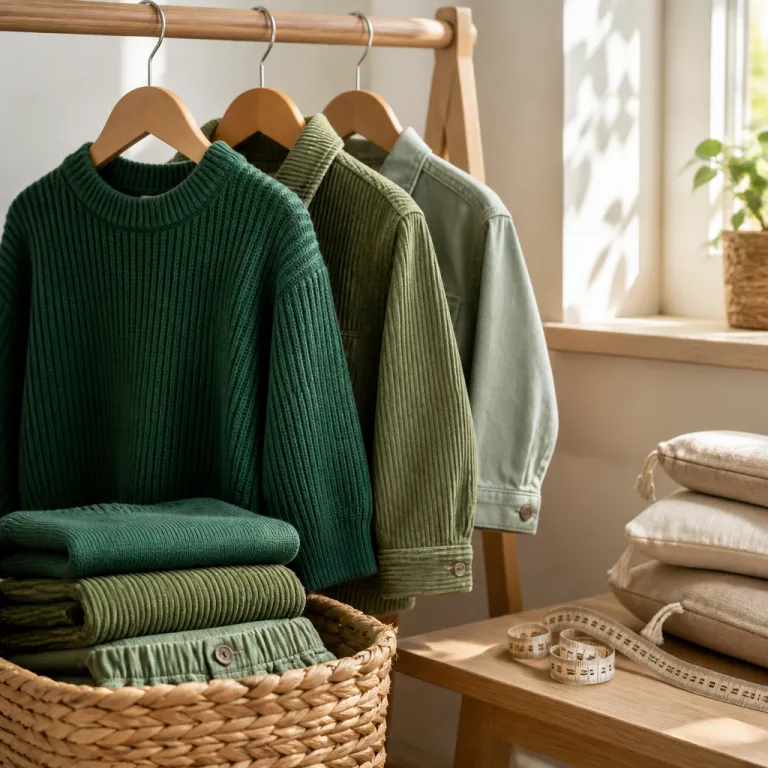
Reading the growth map from birth to first birthday
From the first weeks, your baby grows in silent leaps. In that first year, most kids stretch close to 23 to 25 centimeters, roughly 9 to 10 inches, according to standard pediatric growth charts from the World Health Organization (WHO), so any growth spurt sizing guide for kids’ clothing must start here. Think of this phase as a fast moving runway where clothing sizes change almost as quickly as the photos in your camera roll.
For a newborn, the right size and fit are less about style and more about safety. At this age, a body that is 50 to 56 centimeters in length can outgrow a labeled clothing size in a few weeks, so you need a size guide that respects both centimeters and inches. Brands often write months and sometimes weight in lbs on the label, but those numbers are averages, not a promise of true size, and WHO and CDC charts confirm that healthy babies can sit well above or below those reference lines.
When you choose clothes for a baby under three months, prioritize ease of dressing. Look for a front opening with a soft button or press stud, because wrestling a tiny child into a narrow neck opening on a flat surface at 3 a.m. is not a parenting rite of passage anyone needs. A cotton onesie that lists height, weight, and age on the clothing size tag gives you more data to guide your decisions and helps you compare your baby’s measurements with the brand’s own kids’ clothing size guide.
Make a simple measurement ritual part of your Sunday routine. Lay your baby on a firm surface, gently stretch the legs, and measure from head to heel in centimeters and inches, then note the chest and waist if the brand provides a size chart. Over a month, you will see patterns that turn a vague sense of growth spurts into a clear apparel sizing story and a calmer approach to choosing the next size.
Because growth is so rapid, parents often ask whether to buy larger sizes to anticipate the next jump. For the first three months, stay close to the current clothing sizes, then from three to twelve months you can safely buy one size up if the brand runs small. The real gift to yourself is a small rail of kids’ clothes that overlap in sizes, so you can rotate pieces as soon as the perfect fit starts to look strained and avoid last minute emergency shopping.
From baby to toddler: timing the first big wardrobe reset
Once your child hits the crawling and cruising stage, the game changes. Growth slows slightly after twelve months, but kids still gain around 7 to 8 centimeters in height each year according to typical pediatric growth charts from the CDC and WHO, and those centimeters rarely arrive politely spaced out. Instead, growth spurts come in short bursts, so a smart size and fit guide for children’s clothing treats this period as a series of mini wardrobe resets.
At this age, a size chart on the label is only the starting point. You need to measure kids every eight weeks, checking height, chest circumference, and inseam, because movement exposes every bad fit. A toddler who is 80 centimeters tall but has a solid height weight combination may need different clothing sizes on top and bottom, even within the same brand size, and a quick note in your phone keeps those differences clear.
Look closely at how trousers sit when your child squats or climbs. If the fabric pulls across the diaper or the button strains at the waist, the clothing size is already too small, even if the length in inches still looks acceptable. This is where adjustable waistbands, roll up cuffs, and soft elastic become your quiet allies in the search for a perfect fit and a practical kids’ clothing size guide you can trust.
Outerwear deserves special attention, because a coat has to last through at least one cold season. When you buy a water resistant softshell jacket, such as a travel ready navy style for kids aged around nine to ten years, always compare the brand size information with your own measurement notes before ordering sight unseen. A well cut jacket with room in the chest and sleeve length can comfortably bridge two growth spurts without looking borrowed, especially if the brand explains how to measure a child for clothes in its product description.
For everyday kids’ apparel, think in capsules rather than single outfits. Keep two clothing sizes in rotation, one that is the current true size and one that is the next size up, so you can swap pieces the moment a hemline creeps too high. This approach respects both your budget and your child’s comfort, and it keeps panic buying to a minimum when the next growth spurt hits overnight.
Brand sizing, size charts, and the myth of one true size
Parents quickly learn that a labeled size is more suggestion than fact. A size six from one high street label can be up to five centimeters longer than the same size from another, which means any kids’ clothing size guide must treat brand size as a variable, not a rule. The only constant is your child’s actual height, chest, and proportions.
Start by building your own personal size guide for the brands you buy most. Keep a simple note on your phone with each label, the clothing size that fits best, and whether it runs small, large, or true to size for your child’s height weight combination. Over time, this private archive of size charts and real world fit notes becomes more reliable than any printed chart on a swing tag and turns online shopping into a calmer, data based task.
When you shop online, ignore the age printed next to the size until you have checked the detailed size chart. Focus on the measurements in centimeters and inches, especially chest, waist, and inside leg, then compare them with your latest notes from home. If a brand does not publish full apparel sizing, treat that as a warning sign rather than a minor inconvenience, because it makes it harder to measure a child for clothes accurately.
Families navigating different body types or disabilities will find that standard clothing sizes often fail them. Adaptive and size inclusive kids’ apparel, highlighted in thoughtful features on the quiet rise of adaptive and size inclusive kids’ fashion, shows how brands can design for real variations in body shape instead of a single template. These collections often provide more detailed size charts and clearer guidance on how to measure kids for a perfect fit, including notes on room for medical devices or sensory sensitivities.
Remember that no brand owns the right size for your child. Your job is to translate their clothing sizes into your child’s reality, using height, weight, and age or weight in lbs data as reference points rather than orders. Once you trust your own measurements more than the label, you stop chasing the mythical universal size and start dressing the actual child in front of you.
The measurement ritual: tape measures, growth spurts, and calm decisions
A tape measure is the most underrated accessory in a stylish nursery. Instead of guessing whether kids’ clothes still fit, you can build a calm, repeatable ritual that turns growth spurts into data rather than drama. This is the quiet backbone of any serious approach to children’s clothing sizes and a practical way to keep your personal kids’ clothing size guide up to date.
Choose a flexible sewing tape and mark one wall as your measuring surface. Every eight weeks for under fives, and every three months for older kids, measure height in bare feet, then note chest, waist, and hip in centimeters and inches. For babies, add head circumference and record age and approximate weight in lbs if your pediatrician provides them, because height weight patterns help you anticipate which clothing sizes will work next.
When you measure at home, keep the child relaxed. Ask them to stand with their back against the wall, heels together, and look straight ahead, then place a book on their head to mark the height before you measure. For arm length and inseam, measure from shoulder to wrist and from crotch to ankle, because these numbers matter more for the perfect fit of jackets and trousers than the vague age printed on a tag.
Use these measurements to build your own size charts in a notebook or a one page checklist you keep in the wardrobe. For each age checkpoint, write the date, the child’s height, chest, and the clothing size that currently offers the best fit in key brands, then adjust when a growth spurt shifts everything. Over a year, you will see that growth is not random; it follows patterns that let you plan purchases instead of reacting to every tight button.
This ritual also helps you decide when to let go. When a garment is more than two sizes below the current true size, or when the fabric strains even though the length still works, it is time to pass it on as a gift or donation. Clothes that respect the child’s body, not just the label’s promise, are the ones that actually get worn and loved.
Comfort meets style: adjustable design, wardrobe audits, and what to keep
Style for kids is not a miniature version of adult fashion. It is a choreography between movement, fabric, and the relentless pace of growth spurts, which is why any practical guide to kids’ clothing sizes must end with comfort as the non negotiable baseline. The most beautiful outfit fails if a child cannot climb, nap, or spill juice in it.
Look for design details that quietly extend the life of kids’ apparel. Adjustable waistbands, roll up cuffs, and grow with me hems can add four to eight months of wear to a single clothing size, especially when the chest and overall height measurements sit between standard sizes. A soft elastic waist with a hidden button tab offers more ease than a fixed waistband, and it respects the way kids’ height weight ratios shift during each age phase.
Accessories deserve the same scrutiny. A set of multicolor hair ties that do not crease fine hair can be a small but mighty gift, especially when they stay put through playground sprints and nap time. When you choose such details, think about how they interact with the rest of the clothes, from the neckline to the button placement, because comfort is a full outfit equation and part of a realistic kids’ clothing size guide.
Build a regular wardrobe audit into your calendar. Every two months for younger kids, lay out their kids’ clothes on a flat surface, check each piece against your latest notes, and decide whether it still offers a perfect fit, has room to grow, or needs to move on. Tailoring rarely makes sense for everyday children’s apparel; it is usually better to pass a too small garment to another child and invest in a new size that respects current measurements.
When you do keep a piece that is slightly large, style it with intention. Roll cuffs neatly, layer a slim tee under a wider shirt, and choose kids’ clothing with fabrics that drape rather than stiffen, so the size and fit read as relaxed rather than sloppy. In the end, the best wardrobe is not what photographs well, but what survives the playground.
FAQ
How often should I check my child’s clothing size during growth spurts ?
For babies and toddlers under five years, check size and fit every eight weeks, because they can grow several centimeters in height in a short burst according to standard growth charts from WHO and CDC. School age kids benefit from a wardrobe audit and fresh measurements every three months, especially before a new season. Use these checkpoints to compare your notes with each brand’s size chart and adjust clothing sizes calmly.
Is it better to buy kids clothes one size bigger to prepare for growth ?
Buying one size up can work if the garment has adjustable features and the overall width is not overwhelming. For structured pieces like coats or denim, choose the current true size in chest and inseam, then rely on roll up cuffs or elastic waists to bridge growth spurts. Oversizing too aggressively often leads to clothes that feel awkward, so your child simply will not wear them.
Why do clothing sizes vary so much between kids’ brands ?
Each label uses its own base model for height weight and body proportions, which means a brand size six from one company can differ by several centimeters from another. Some brands cut for slimmer kids, others for broader frames, and a few publish detailed size charts that explain their apparel sizing logic. This is why measuring your child and tracking which clothing size fits in each brand is more reliable than trusting the age printed on the tag.
When should I stop keeping smaller clothes and pass them on ?
Once a garment is more than one full size below your child’s current measurements, or when the button strains and movement looks restricted, it is time to let go. Keep only a small archive of sentimental pieces and pass the rest on as a gift or donation while they are still in good condition. This habit keeps the wardrobe focused on clothes that match your child’s present height, comfort, and style.
Do I need professional tailoring to get a perfect fit for my child ?
Tailoring is rarely necessary for everyday kids’ apparel, because growth spurts quickly erase any precise adjustments. Instead, choose designs with flexible features, consult each brand’s size guide, and rely on your own measurements to find a near perfect fit off the rack. Save tailoring for special occasion pieces where a short term flawless look justifies the extra effort.
Quick reference: basic measurement conversions
Use this simple conversion table when you read a kids’ clothing size guide that lists only one unit:
- 1 inch ≈ 2.54 centimeters
- 5 inches ≈ 12.7 centimeters
- 10 inches ≈ 25.4 centimeters
- 20 inches ≈ 50.8 centimeters
- 30 inches ≈ 76.2 centimeters
Keep these numbers on a one page checklist with your child’s latest height, chest, waist, and inseam so you can quickly measure a child for clothes and compare those figures with any brand’s size chart.