Key features that define truly school ready loafers
When evaluating the best loafers for kids, start with structure and support rather than logo or hype. A balanced loafer for school should combine a firm heel counter, a softly padded insole, and a flexible yet protective leather sole or rubber hybrid. This blend keeps feet stable during playground sprints while preserving the elegant line that makes loafers so distinctive.
Leather quality is the next non‑negotiable, because low‑grade leather tends to crack quickly under daily school wear. Look for smooth full‑grain leather loafers that resist scuffs and can be polished back to life after a week of classroom adventures. If your child walks or cycles to school, pairing loafers with a light waterproof school jacket keeps the overall style cohesive and practical.
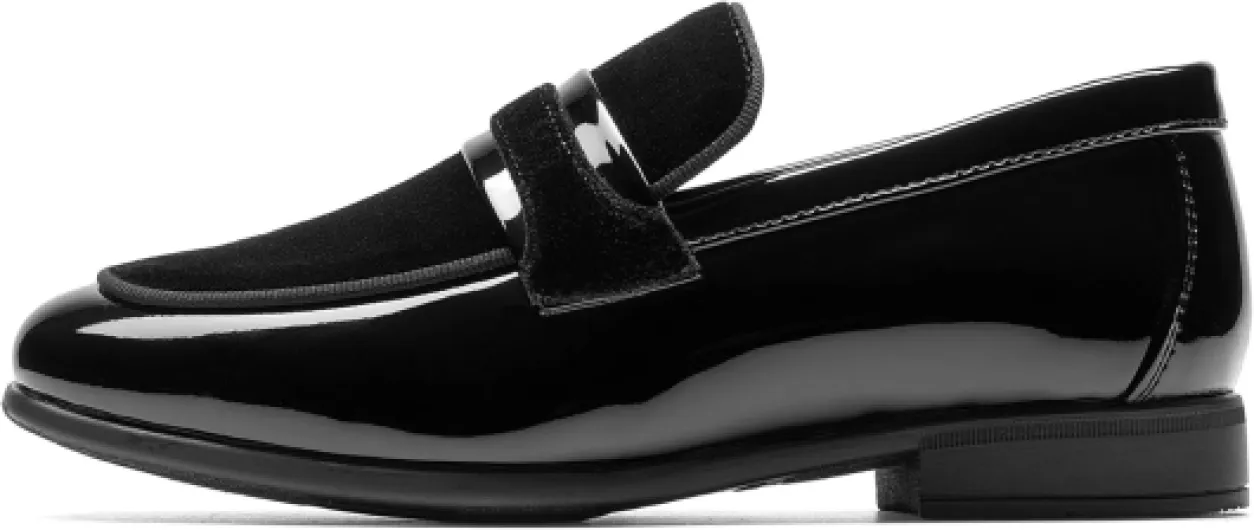
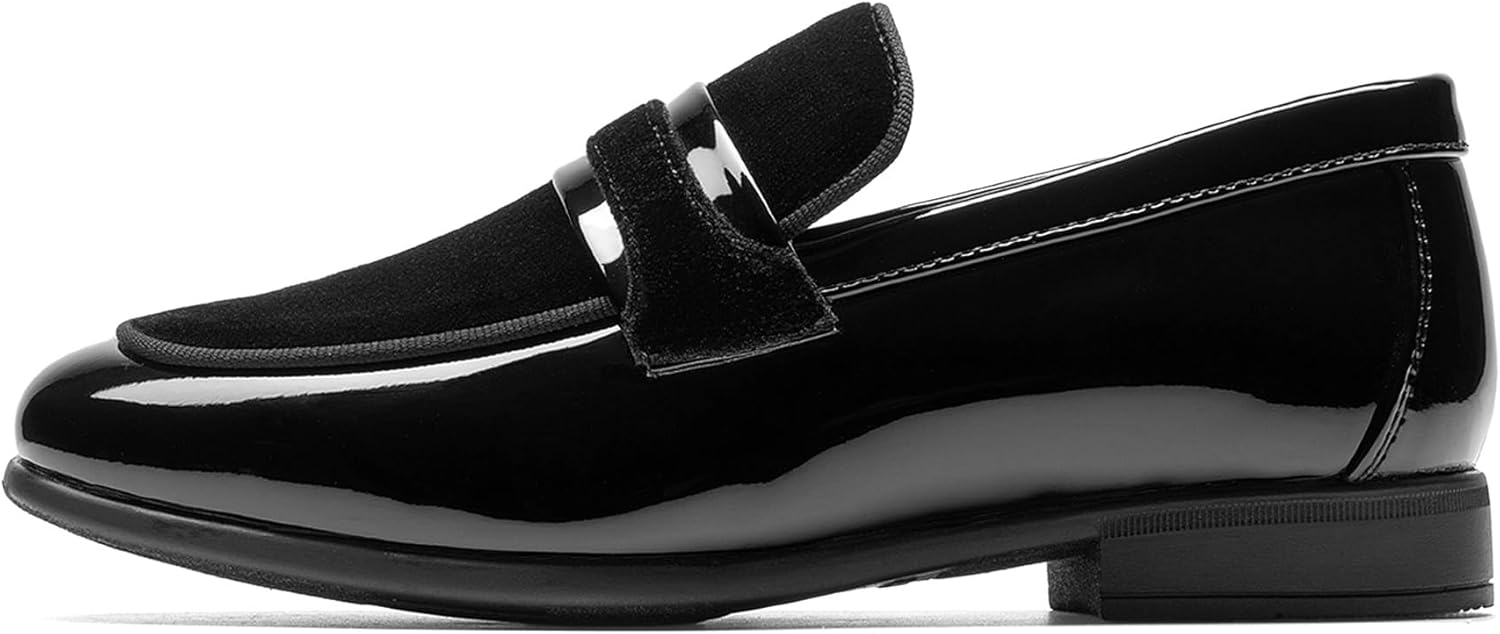
Slip‑on ease is another decisive factor, especially for younger pupils managing changing rooms and sports days. A classic penny loafer with a slightly elasticated opening lets kids slide in quickly without compromising the refined shape. For those who prefer a touch of flair, tassel loafers offer movement and personality while remaining appropriate for strict school dress codes.
Translating iconic loafer heritage into kids school outfits
Many of the best loafers for adults have roots in heritage brands, and their design language adapts beautifully to children. The famous Bass Weejuns story, for instance, inspires mini versions of Weejuns loafers that echo the original penny‑slot detail. When scaled for kids, these Weejuns‑inspired shapes keep the same classic proportions but soften the leather and lining.
Parents who love the look of men’s loafers from labels like Alden or Grant Stone often search for similar quality in smaller sizes. While true Alden or Grant Stone kids’ ranges are limited, their design codes influence many high‑quality school shoes with clean aprons, neat stitching, and understated hardware. A child wearing a polished pair of loafers in this vein instantly channels a subtle preppy style that feels timeless rather than trendy.
Accessories complete the story, and a thoughtfully chosen backpack can elevate the whole image. A characterful yet ergonomic option such as a design‑led kids’ backpack balances the formality of leather loafers with playful energy. The resulting outfit proves that a child can wear classic shoes and still feel completely at ease in a modern school environment.
Balancing comfort, durability, and price point for families
For many families, the real challenge is aligning comfort, durability, and price when choosing the best loafers for school. A well‑constructed loafer with a stitched leather sole and reinforced heel may cost more initially, yet it often survives multiple terms and sometimes even a younger sibling. That long‑term performance changes how parents evaluate the true price point of each pair.
Construction methods matter here, and understanding them helps fashion‑aware parents make sharper decisions. A Goodyear welt, for example, creates a robust bond between upper, welt, and sole, allowing resoling and extending the life of the shoe significantly. Blake‑stitch construction is slimmer and lighter, which many kids prefer for school days, though it is usually less water‑resistant than a full Goodyear‑welt build.
When comparing options, look closely at how the leather feels in hand and how the loafer flexes at the ball of the foot. High‑quality leather should bend smoothly without creasing sharply, and the shoe should return to shape rather than collapsing. If a brand offers a slightly higher price for noticeably better materials and construction, that premium often pays back in reduced replacements and happier feet.
Styling school day outfits around loafers for fashion forward kids
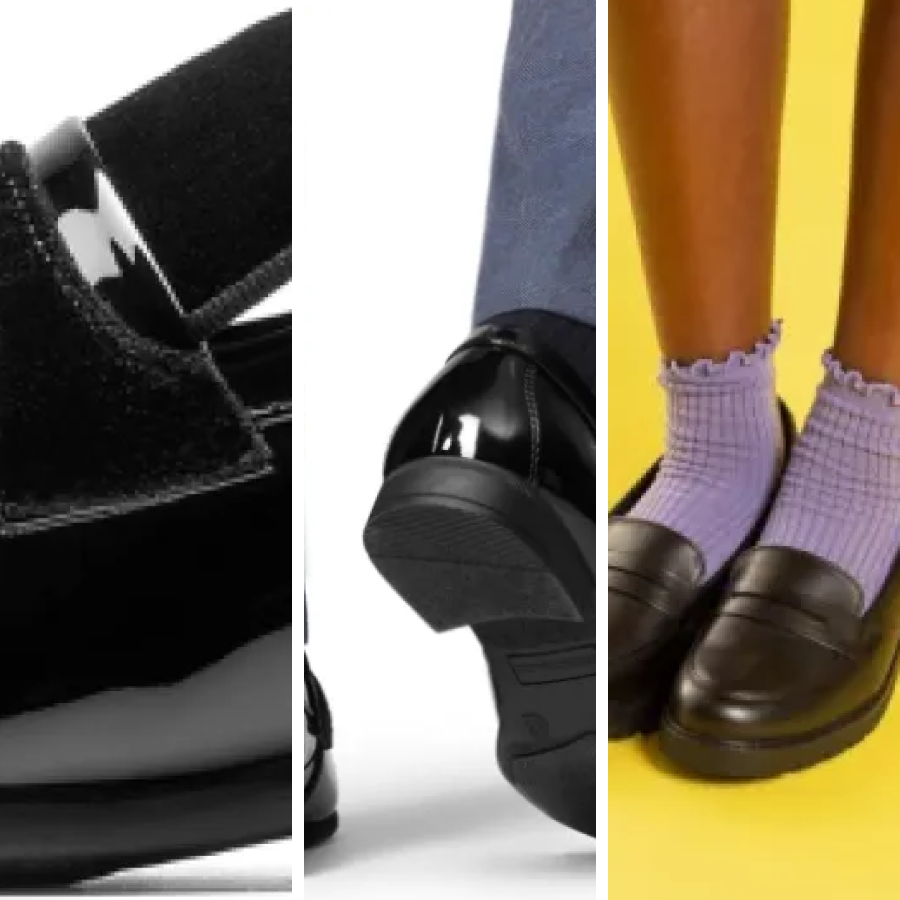
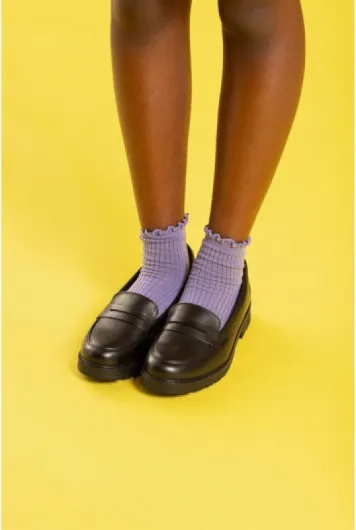
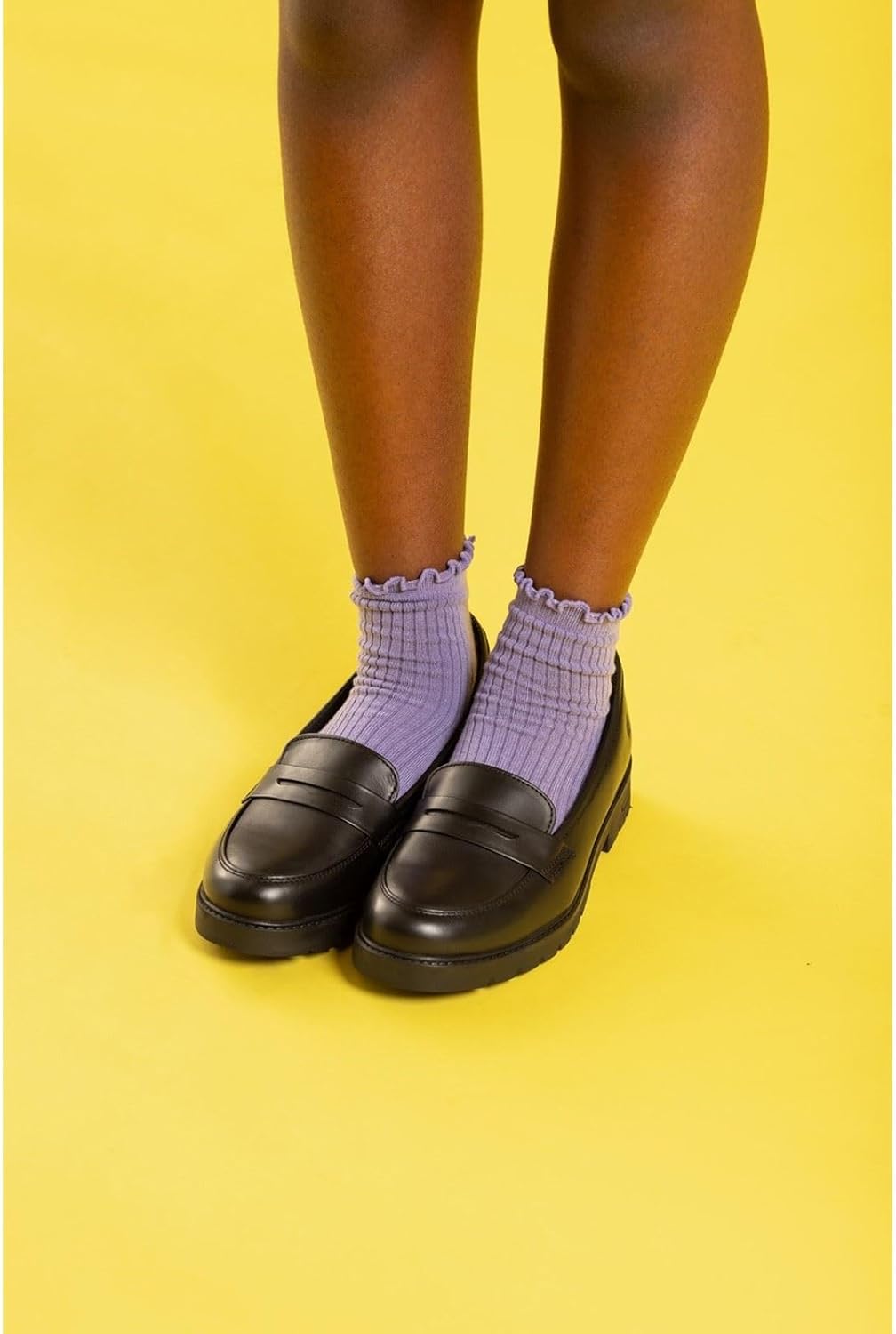
Once you have chosen the best loafers, the real fun begins with styling school outfits. For uniforms with blazers and ties, a polished penny loafer in dark leather instantly sharpens the look while staying age‑appropriate. Pair those shoes with ribbed socks in subtle colours to add texture without clashing with school rules.
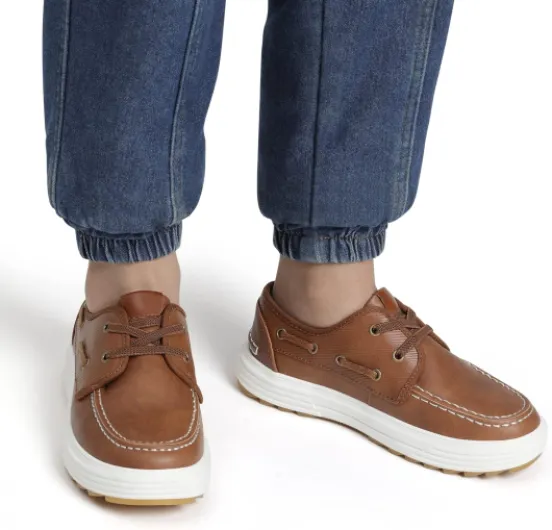
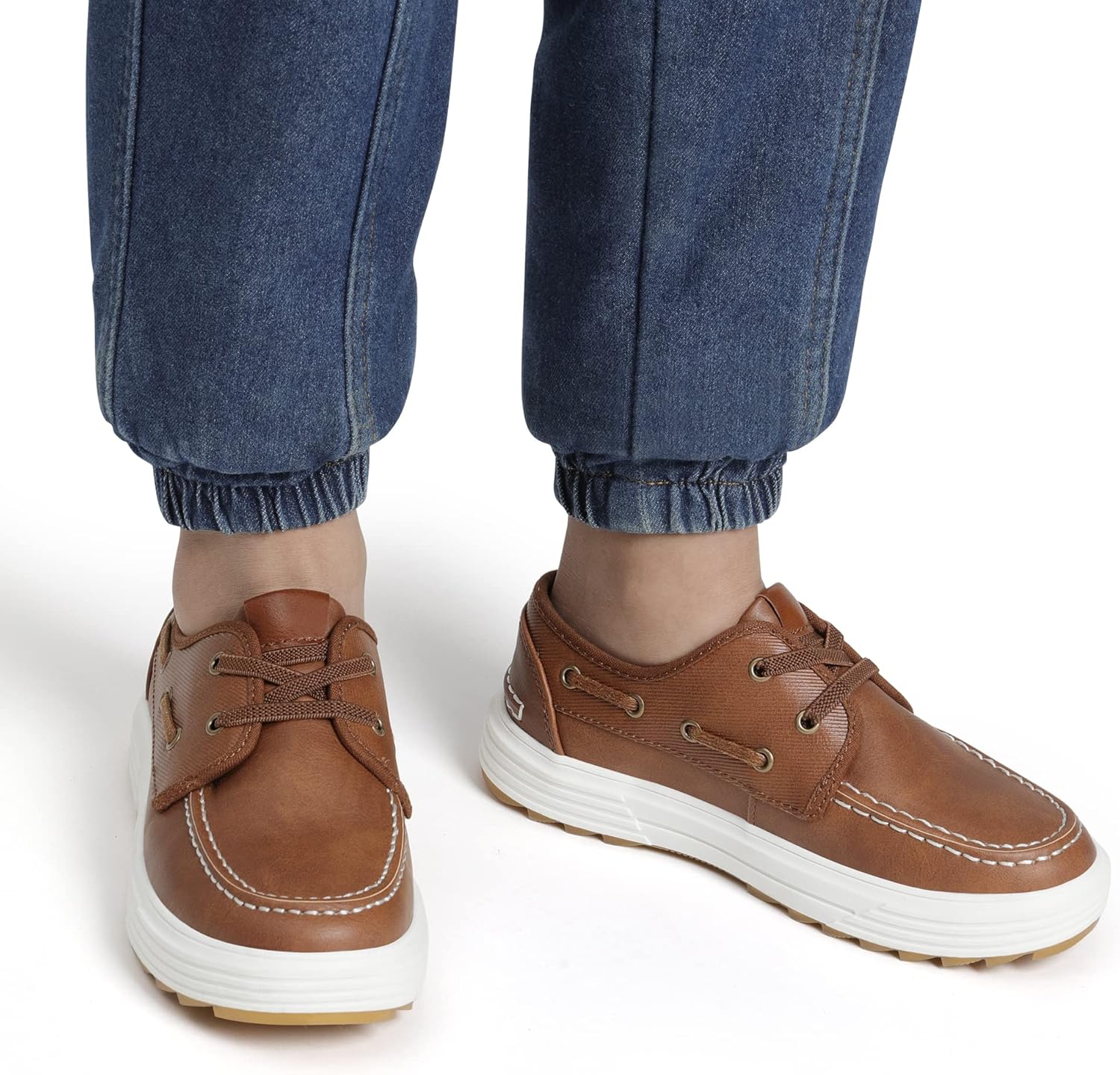
On more relaxed dress‑code days, kids can lean into casual style without losing the refinement of leather loafers. Think slim chinos, a soft knit, and a tassel loafer in mid‑brown leather for a quietly luxurious mood. For colder months, layering with a tailored coat and neat scarf keeps the silhouette clean while the loafers ground the outfit elegantly.
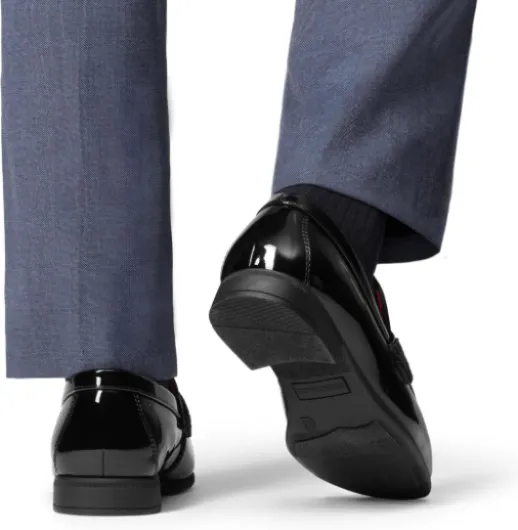
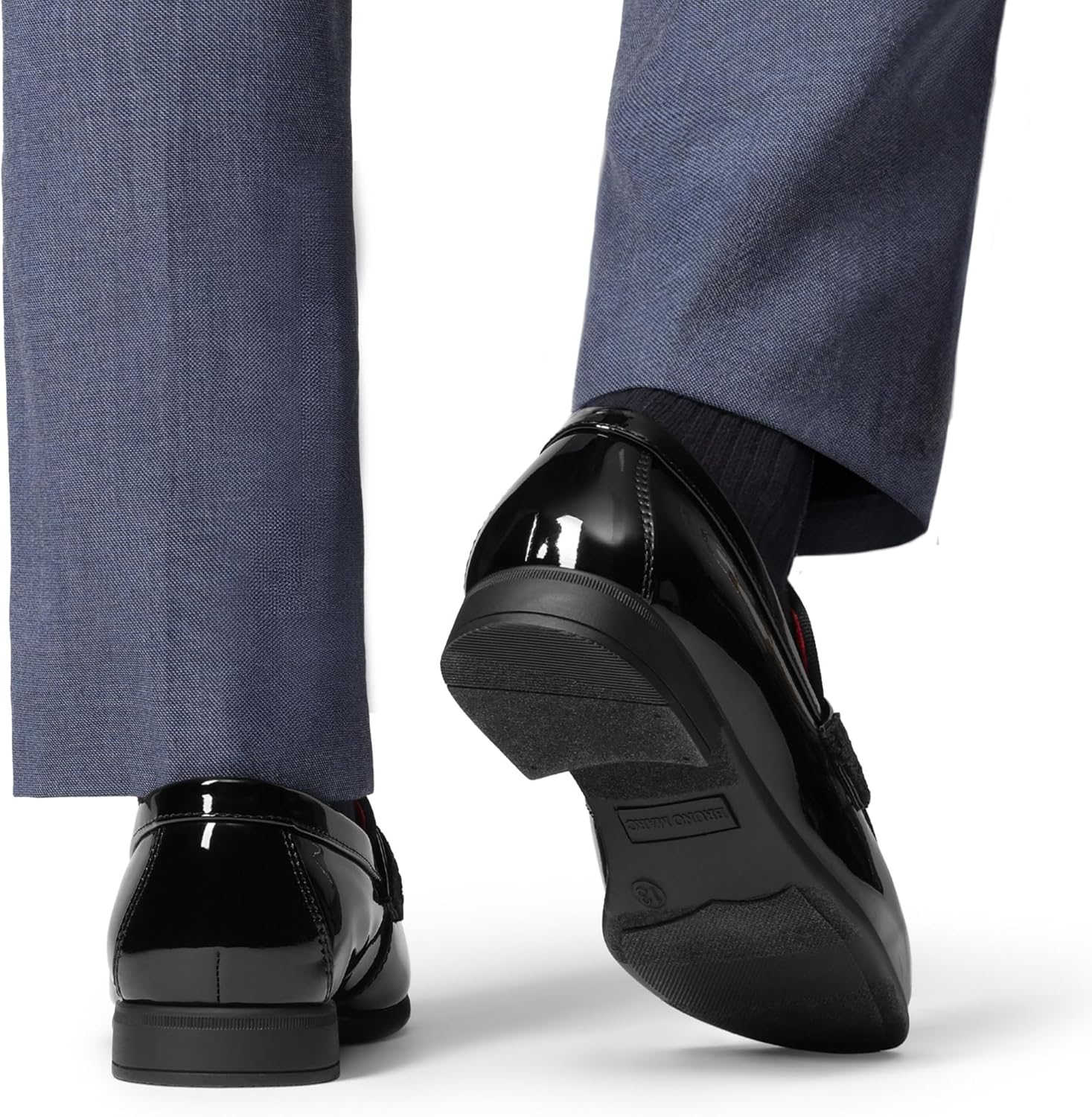
Special events at school, such as concerts or prize days, call for slightly elevated combinations. A navy suit from a dedicated boys’ formal suit set pairs beautifully with glossy penny loafers or discreet tassel loafers. The result feels polished enough for photographs yet comfortable enough for children to move, perform, and celebrate.
How adult loafer culture shapes kids choices and expectations
Children who follow fashion media quickly notice how men’s loafers appear in street‑style images and runway shows. They see Gucci horsebit loafers, Bass Weejuns classics, and sleek Grant Stone designs worn with everything from denim to tailoring. This visual culture subtly informs what young style enthusiasts expect from their own school shoes.
While kids do not need luxury labels, they often appreciate echoes of that aesthetic in their own pair of loafers. A school‑appropriate loafer that references the clean vamp of a Gucci classic or the penny slot of Bass Weejuns feels aspirational yet accessible. Parents can use these references to explain why certain shapes, colours, and materials feel more timeless than heavily branded sneakers.
It is also worth discussing with older children how marketing and affiliate links sometimes earn commission for influencers recommending men’s loafers or other shoes. Understanding that context helps them evaluate whether a glowing review of the best loafers focuses on genuine quality or mainly on sales. Bringing kids into that conversation builds both fashion literacy and critical thinking around price, value, and authenticity.
Technical details that elevate kids loafers from basic to exceptional
Behind every pair of the best loafers for school lies a set of technical decisions that most children never see. The choice between a full leather sole and a rubber or composite sole, for instance, changes grip, flexibility, and long‑term wear. Many parents opt for a leather sole with a discreet rubber insert at the forefoot, gaining elegance without sacrificing playground practicality.
Stitching methods also separate average loafers from truly high‑quality options. A carefully executed Blake stitch keeps the profile slim and refined, which works beautifully with narrow school trousers and tailored shorts. In contrast, a Goodyear welt adds a touch of visual heft but offers superior longevity, making it ideal for heavy wearers who are tough on every shoe.
Details such as the cut of the penny strap, the shape of a tassel‑loafer knot, or the depth of the apron seam all influence how the loafer reads on a child’s foot. Subtle references to icons like classic Weejuns loafers can appear in kids’ designs without direct branding, preserving that traditional lineage. When parents and young fashion lovers pay attention to these elements, they move from simply buying shoes to curating a thoughtful school‑day wardrobe.
Key figures shaping the kids loafer and school shoe market
- Industry analysts estimate that the global children’s footwear market is worth tens of billions of euros annually, with school shoes representing a significant share of spending; recent market‑research summaries consistently place the segment in that broad range.
- Foot‑health organisations and podiatry associations frequently report that many adult foot problems can be traced back to ill‑fitting childhood shoes, underlining the importance of supportive loafers during school years, even if individual statistics vary between studies.
- Surveys from footwear trade bodies suggest that parents typically buy between two and three pairs of school shoes per child each year, but high‑quality leather loafers can reduce that number by lasting longer between replacements when properly cared for.
- Research on sustainable fashion indicates that extending the life of a single pair of shoes by several months can noticeably reduce its carbon footprint, which supports investing in durable leather and repairable constructions such as Goodyear welt or Blake stitch rather than disposable options.