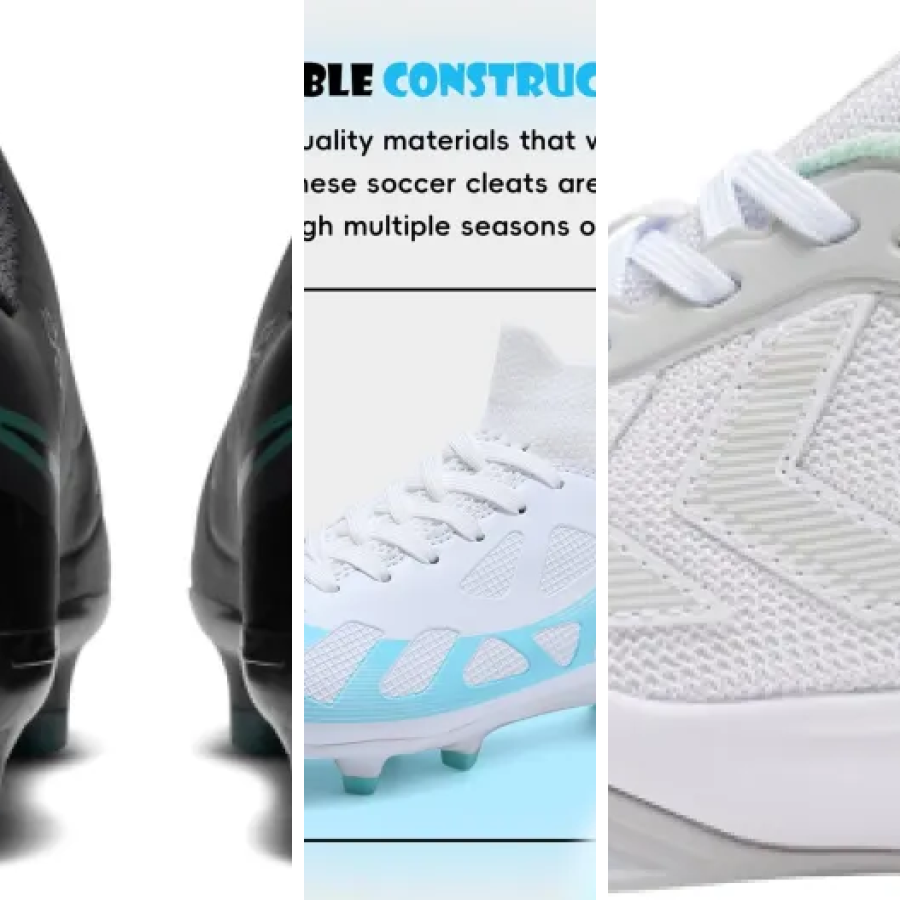
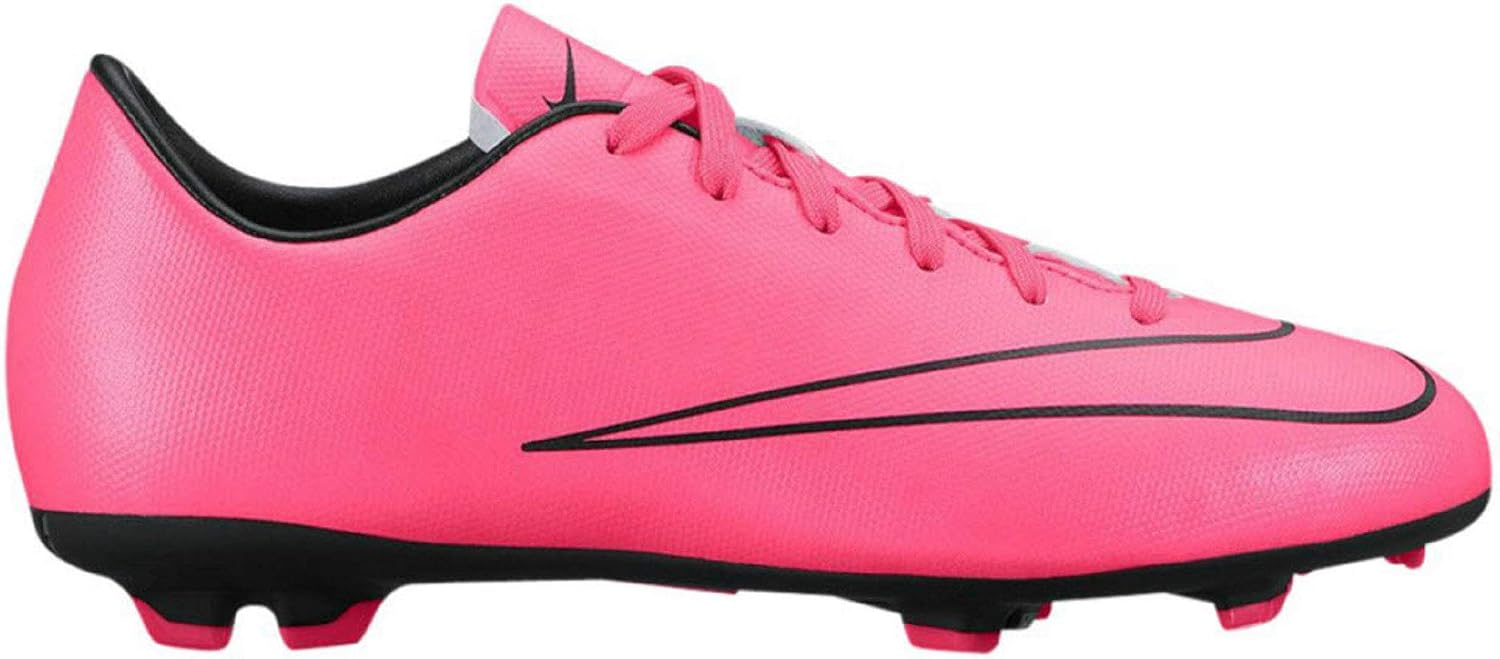
Understanding ground types, studs and materials for kids
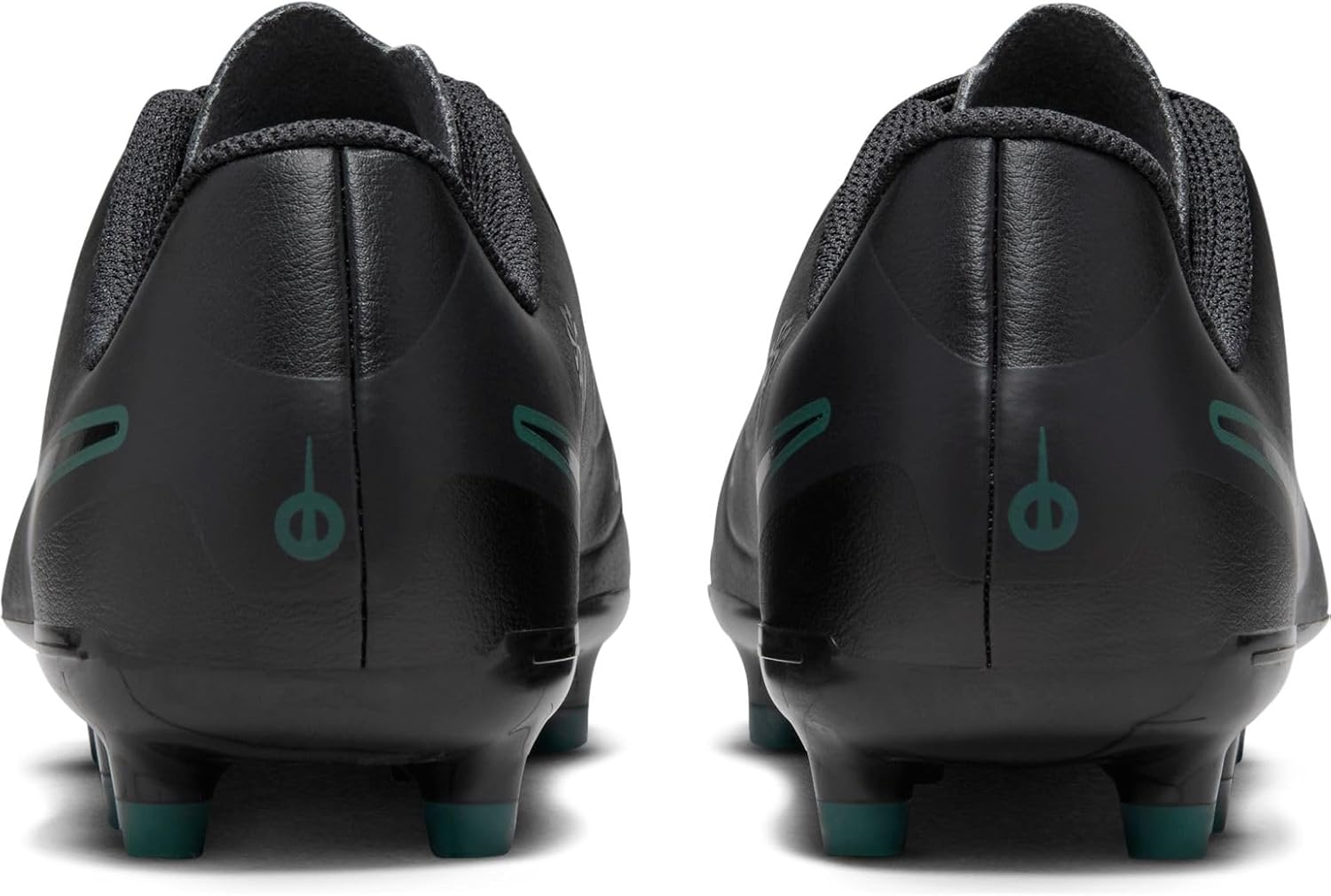
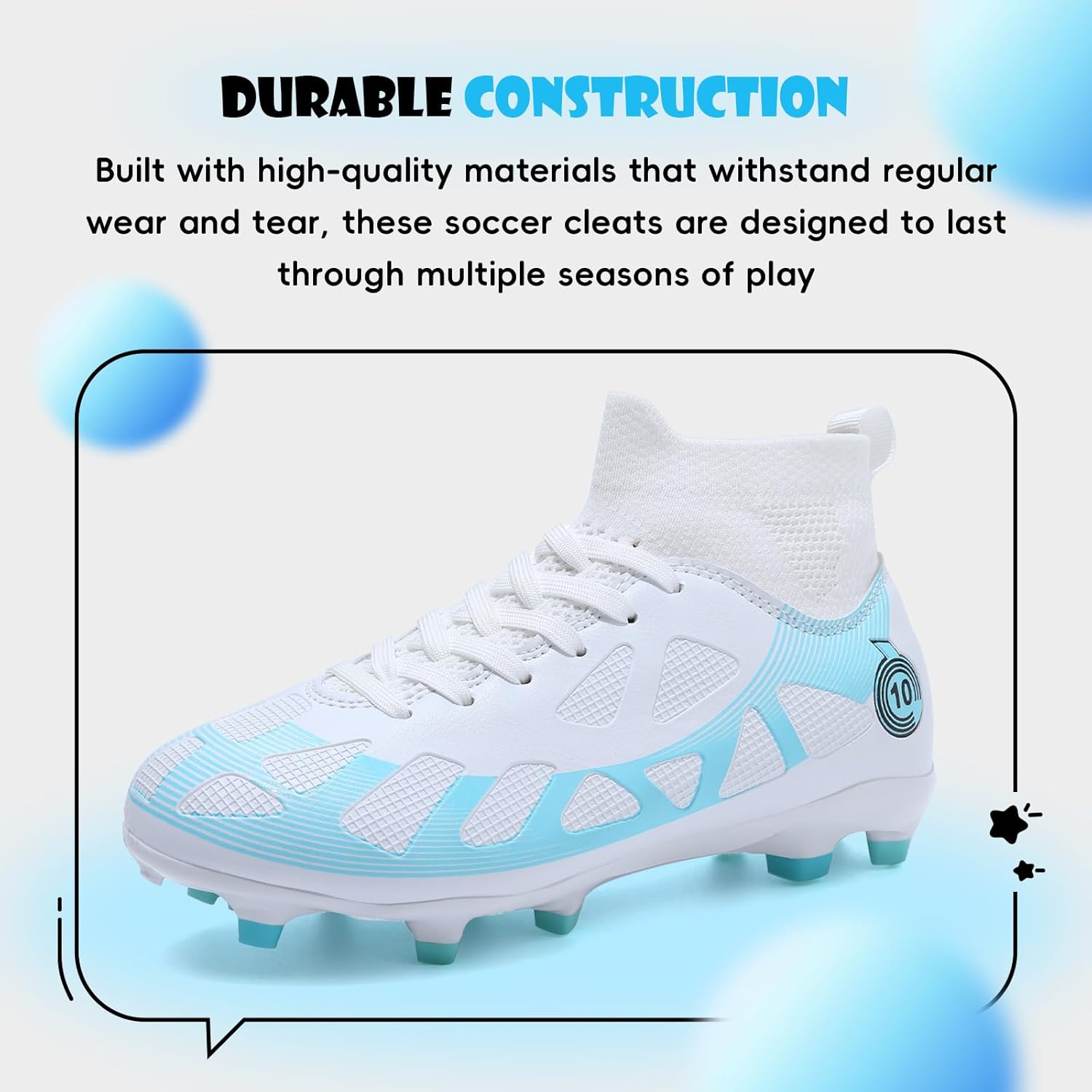
Every young player who loves fashion must first understand the ground beneath their cleats. Firm ground layouts suit natural grass pitches that stay relatively dry, while soft ground patterns work better when the grass is wet and the mud is deep. Artificial grass and turf surfaces demand specific turf or multi ground plates that reduce stud pressure on small feet.
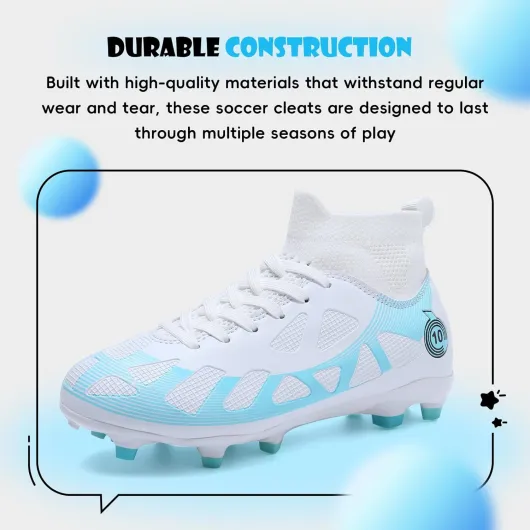
Brands label firm ground or multi ground plates differently, yet the logic stays consistent for soccer shoes. A firm ground model usually has conical or bladed studs that grip grass without locking in, whereas a turf or indoor soccer shoe uses many tiny rubber nubs for even weight distribution. When kids alternate between artificial pitches and natural grass, a versatile multi ground plate can be the best compromise for training and school leagues.
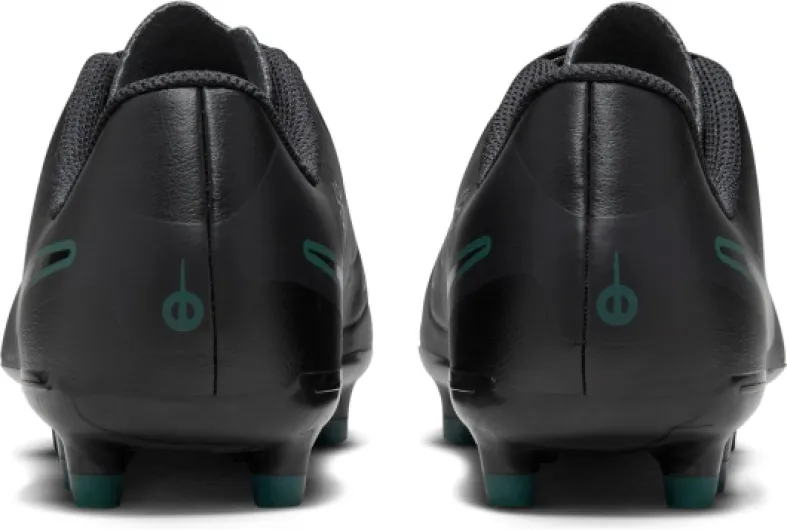
Upper materials also shape both style and feel for young players. Synthetic uppers on Nike Phantom or adidas models allow bold graphics and colors, while premium synthetic blends on elite Nike or Nike Tiempo lines wrap the foot more softly. Parents should check that any synthetic or leather like finish remains flexible, because stiff soccer boots can cause blisters and distract kids from the ball.
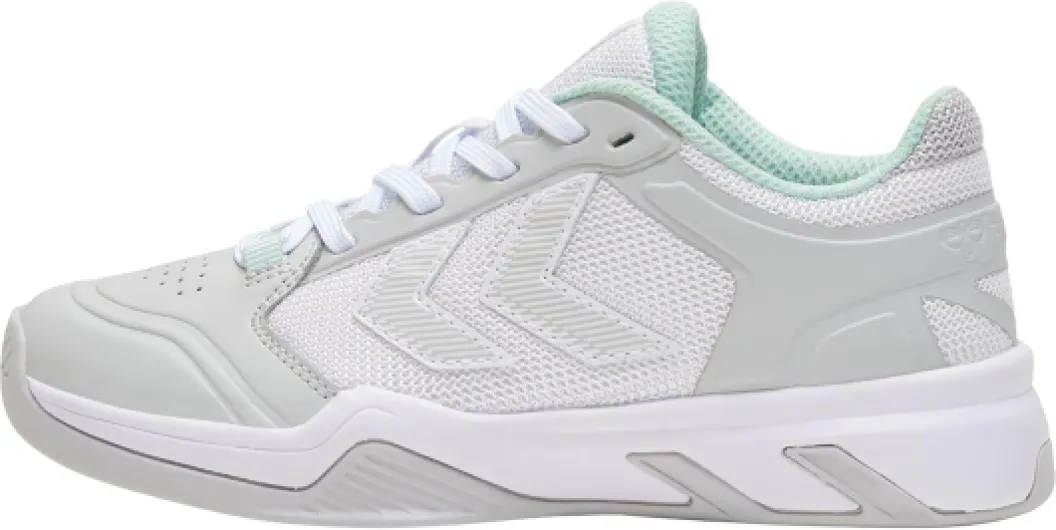
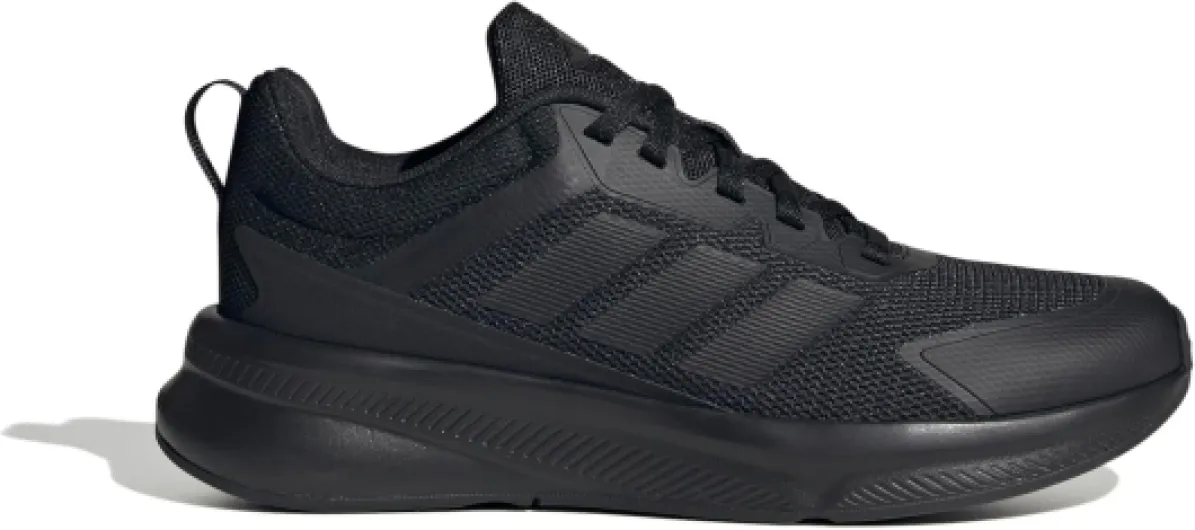
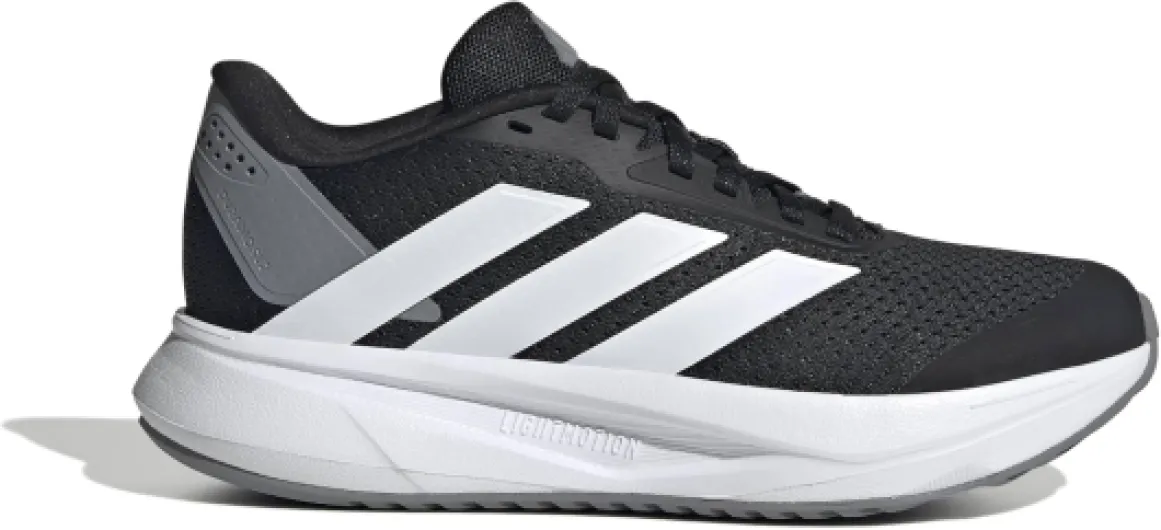
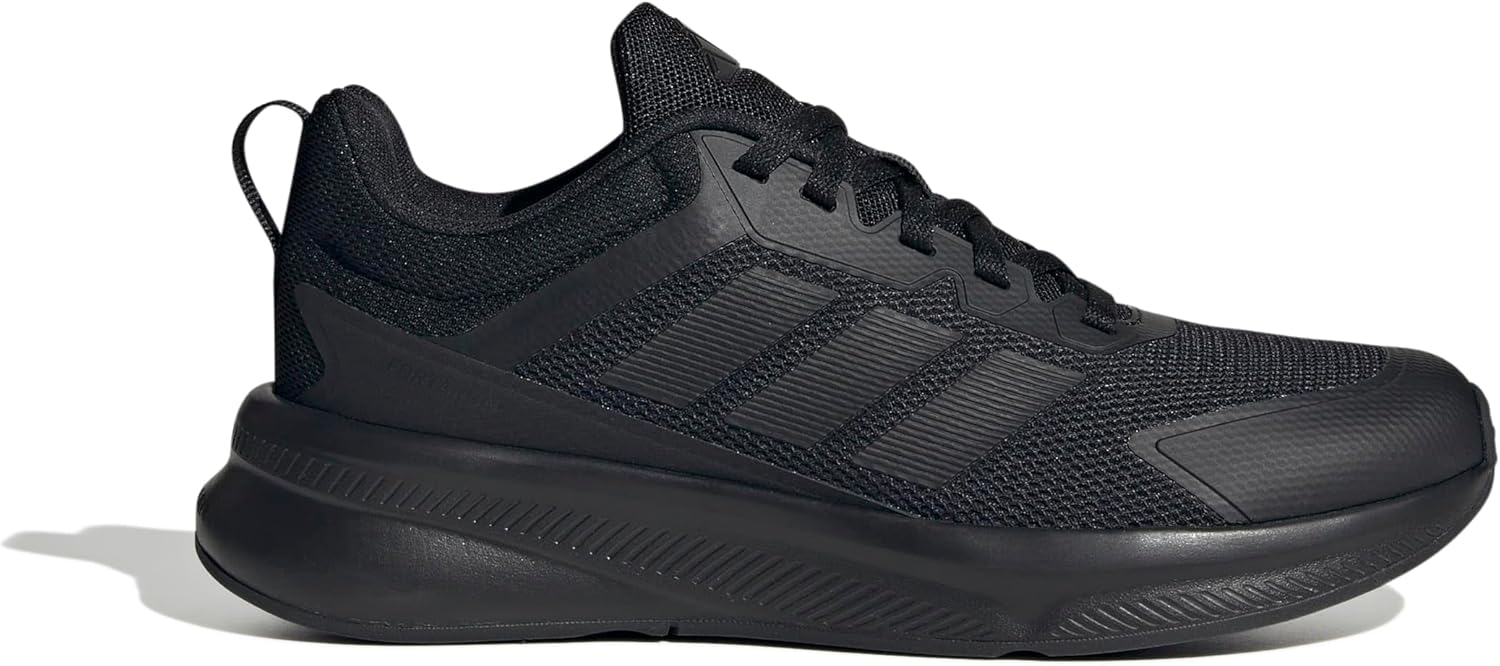
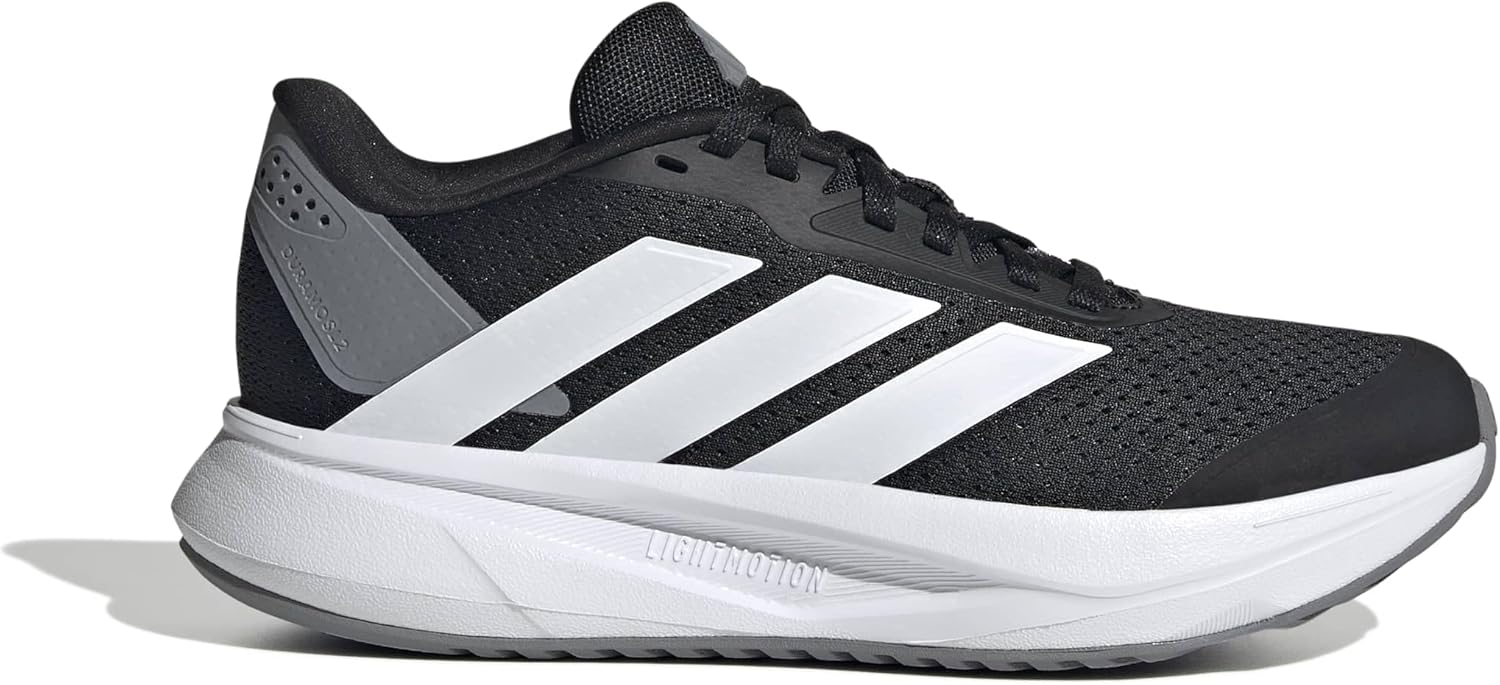
For running sessions or mixed sport days, pairing a child’s cleats with dedicated running shoes keeps their look curated and their body protected. A versatile pair such as these lightweight kids running shoes can complement bold soccer footwear without competing visually. This separation between cleat and shoe roles extends the life of each pair and preserves the elite aesthetic of match day footwear.
Iconic kids lines from nike and adidas for style obsessed families
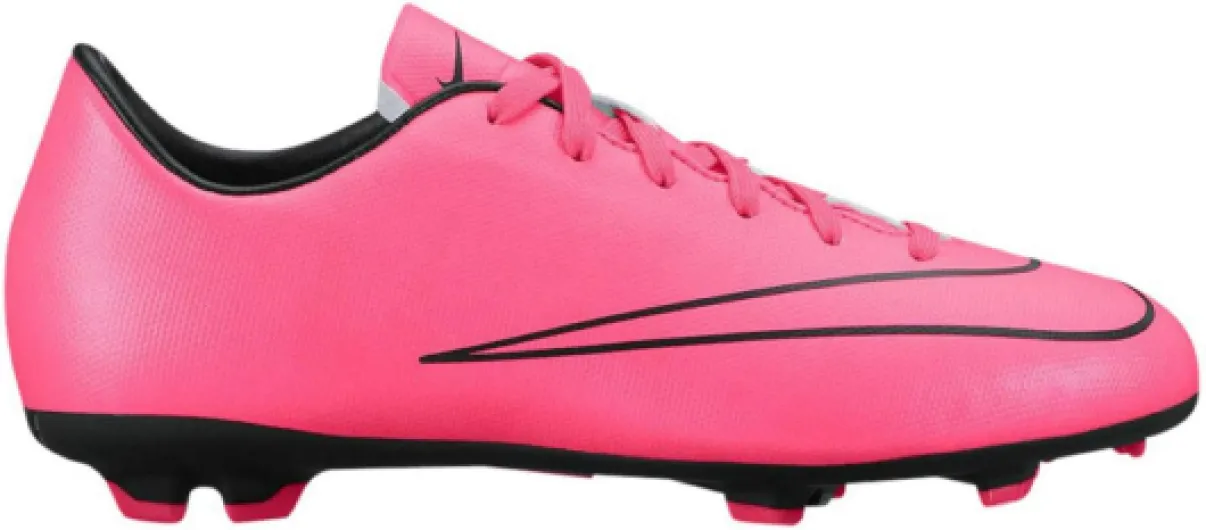
Among fashion conscious kids, Nike remains a reference for the best cleats that blend speed and style. The Nike Mercurial line speaks to sprinters who want a razor sharp profile, while Nike Phantom boots appeal to creative players who love bold textures and graphic details. For defenders or composed passers, Nike Tiempo silhouettes offer a more classic leather inspired look that still feels premium on the pitch.
Adidas counters with streamlined soccer cleats that often feature lightweight synthetic uppers and daring color blocking. Many young players pair adidas soccer shoes with matching training tops and slim fit tracksuits to create a coherent tunnel to pitch aesthetic. When kids compare cleats Nike options with rival adidas models, they usually focus on how each boot frames the ball during first touch and shooting.
Parents who value tailoring sometimes coordinate match day outfits beyond the pitch. A structured blazer such as this smart navy kids blazer can turn a post match event into a mini runway moment. The contrast between polished streetwear and grass stained cleats underlines how deeply soccer culture now shapes kids fashion narratives.
From erling haaland to playground heroes : aspirational styling for kids
When young fans watch Erling Haaland score, they notice his cleats before his celebration. The link between Haaland and specific Nike Phantom or Nike Mercurial colorways fuels demand for similar soccer boots in kids sizes. For many children, wearing a cleat inspired by Haaland turns an ordinary training session into a stage for big dreams.
Parents can harness this aspirational energy while still prioritizing fit, safety and age appropriate styling. Instead of chasing every elite Nike launch, focus on one or two favorite silhouettes that echo a star player’s look through color and graphic choices. A neon accent on a firm ground plate or a bold swoosh on artificial grass models can satisfy the fantasy without overspending on top tier elite constructions.
On school pitches and community turf fields, kids often compare not only brands but also surfaces. One child might wear a turf shoe with a flat rubber base, while another prefers a multi ground cleat that works on both grass and artificial ground. The key is explaining why certain turf focused designs suit synthetic fields better, so style driven players understand that the ultimate look also respects performance realities.
Off the pitch, full soccer outfits help extend this identity building process. A complete kids football kit with coordinated socks, guard plates and bracelets, such as the sets presented in this detailed kids football kit review, lets young players match their cleats to jerseys and accessories. This harmony between ball, boots and clothing reinforces confidence every time they step onto any ground.
Fit, sizing and comfort : non negotiables for growing feet
Even the best cleats lose their magic if the fit is wrong for a child. Growing feet need around a thumb’s width of space at the toe, yet the boot must still hug the midfoot securely. A well fitted pair allows kids to feel the ball clearly without painful pressure points on grass or artificial grass.
When testing soccer shoes, ask your young player to jog, cut and strike the ball several times. Watch how the heel sits inside the cleat, because slipping at the back often leads to blisters during firm ground matches or turf training. If the child uses indoor soccer shoes as well, ensure each pair has a consistent length and width to avoid confusion when switching surfaces.
Lacing systems also influence comfort and style for fashion aware kids. Some Nike Phantom and Nike Mercurial models use off center lacing that creates a cleaner strike zone, while certain adidas soccer cleats experiment with laceless constructions. Whatever the design, the ultimate goal is a secure wrap that lets players focus on smart decisions rather than adjusting shoes mid game.
Parents should remember that synthetic uppers often stretch slightly after a few sessions. Choosing a snug but not painful fit in both cleats and everyday shoes keeps the silhouette sleek without compromising circulation. Rotating between a primary firm ground pair and a secondary artificial ground option for turf extends lifespan and maintains that fresh from the box look longer.
Quick kids cleat fit guide
- Toe room: about a thumb’s width between the longest toe and the front of the boot.
- Width: upper should touch the foot without bulging or pinching at the sides.
- Heel: no more than a small slip when the child jogs or changes direction.
- Try on: test with soccer socks, later in the day when feet are slightly swollen.
Styling tips : coordinating cleats with kids fashion on and off the pitch
For young style enthusiasts, the best cleats are part of a wider wardrobe story. Start by choosing a color palette that links boots, socks and jerseys, then echo those tones in training jackets or streetwear pieces. A neon accent on a firm ground plate can reappear on a cap or backpack, creating a subtle but elite visual thread.
Monochrome soccer cleats from Nike or adidas offer a refined base for bolder clothing choices. A black Nike Tiempo or white Nike Phantom pair lets patterned shorts and graphic tops shine, while still signaling serious intent with the ball. Kids who prefer louder cleats Nike designs can balance them with simple, well cut joggers and minimal logo hoodies.
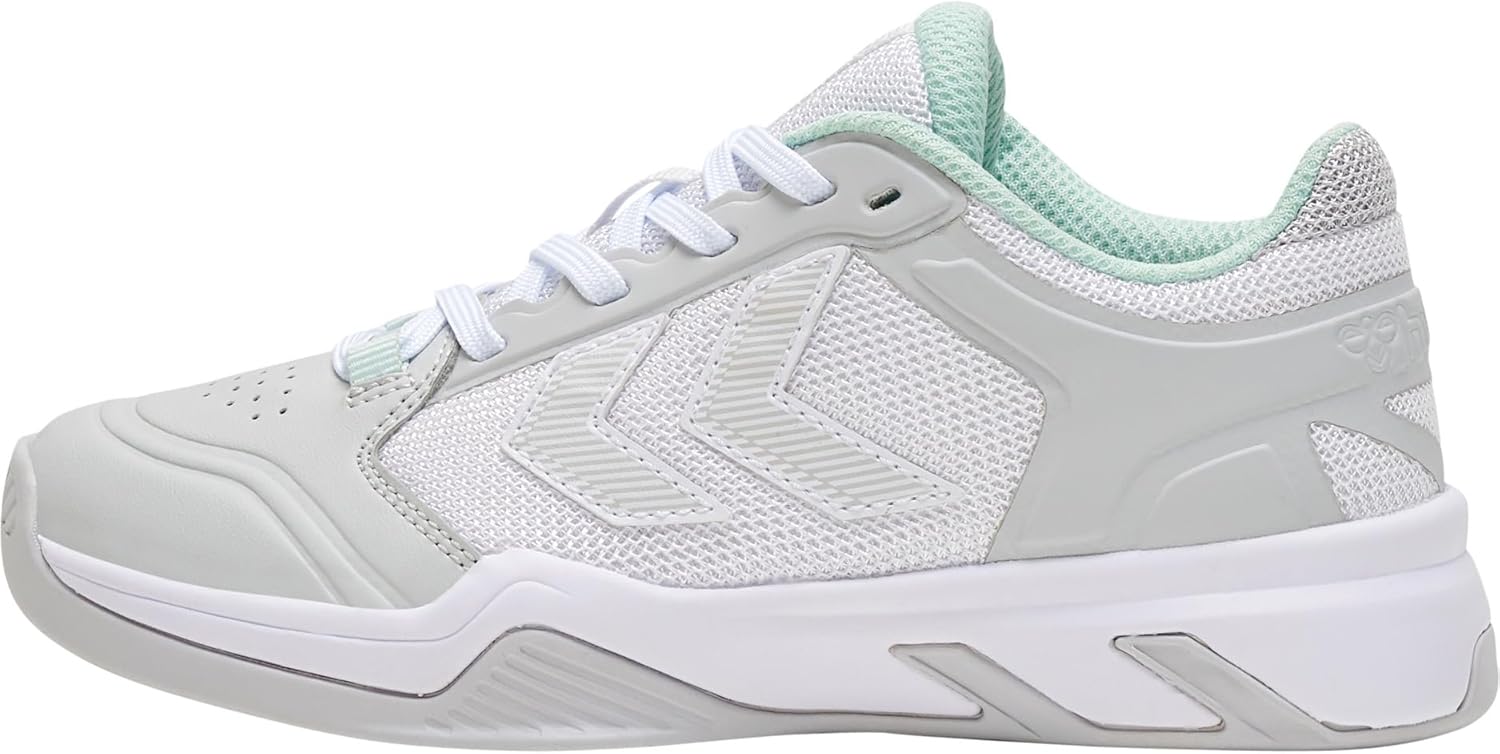
Surface specific styling also matters when moving between grass, artificial grass and indoor courts. On turf, a low profile shoe or multi ground model pairs well with tapered training pants that avoid catching on studs. For indoor soccer, many families choose gum soled shoes that double as lifestyle sneakers, allowing kids to transition from futsal halls to city streets without changing footwear.
Parents should treat cleats best choices as long term style anchors rather than disposable trends. Investing in one ultimate pair for firm ground and one reliable artificial ground option for synthetic pitches gives kids a consistent visual identity across competitions. Over time, these carefully chosen silhouettes become part of their personal soccer story, from first team selection to weekend matches with friends.
Key figures shaping the kids cleats and soccer footwear market
- Industry reports from the Sports & Fitness Industry Association (SFIA) describe youth soccer as one of the largest team sports in the United States, with several million regular participants, which keeps demand for kids soccer cleats and soccer shoes consistently high.
- Market research platforms such as Statista estimate that the global soccer footwear segment generates several billion U.S. dollars in revenue each year, with Nike and adidas together holding a substantial share of the market for cleats and related products.
- Summaries from the American Academy of Pediatrics – Council on Sports Medicine and Fitness – note that inappropriate footwear can contribute to lower limb overuse injuries, underlining why correctly matched firm ground, turf and indoor soccer shoes are essential for growing players.
- Consumer surveys from major retailers suggest that parents are often willing to pay a noticeable premium for elite or signature cleat models associated with top players, which helps explain the popularity of lines linked to stars such as Erling Haaland.
Trusted sources for further reading
- Sports & Fitness Industry Association (SFIA)
- American Academy of Pediatrics – Council on Sports Medicine and Fitness
- Statista – Global sports footwear and soccer equipment reports