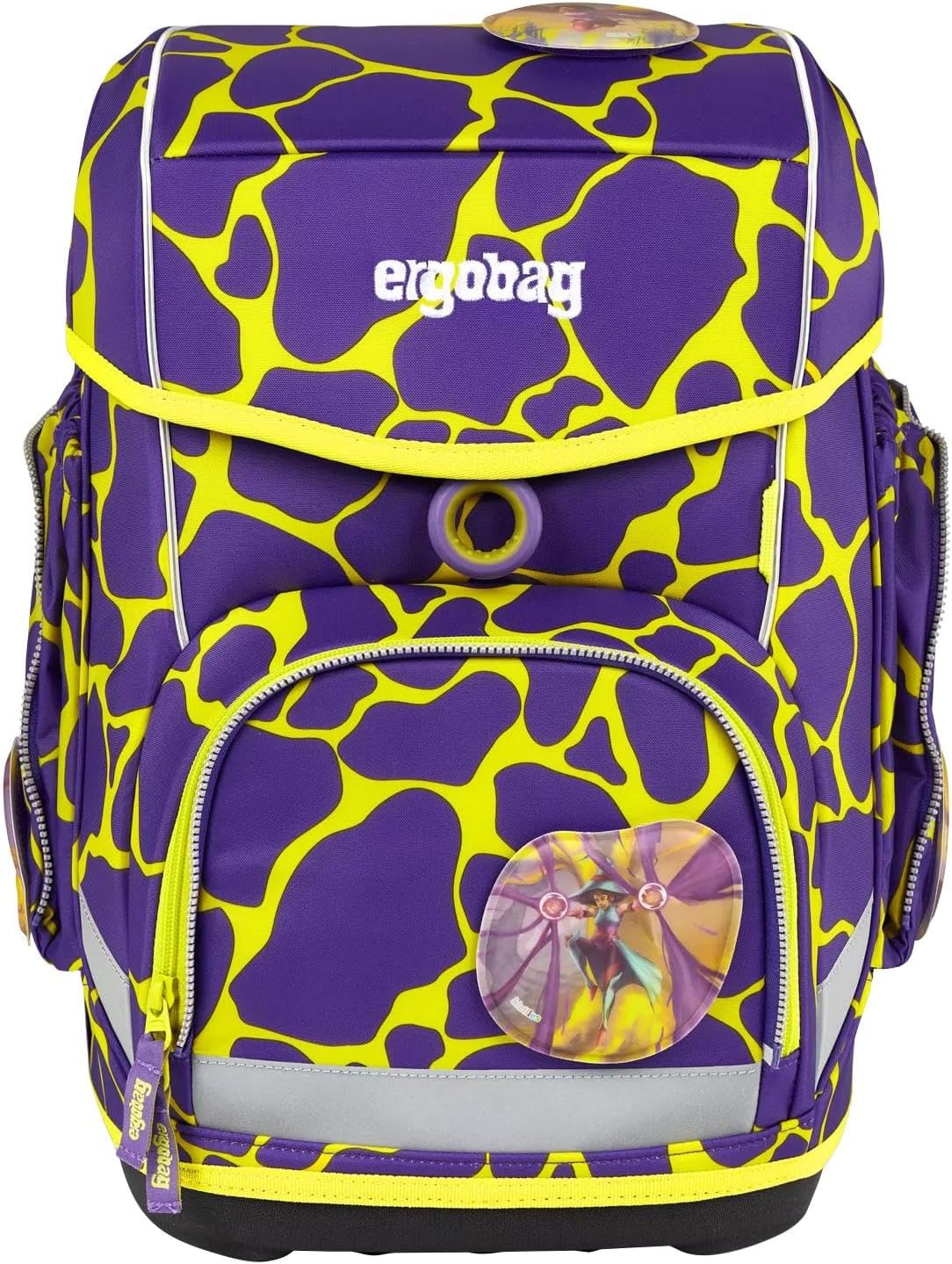
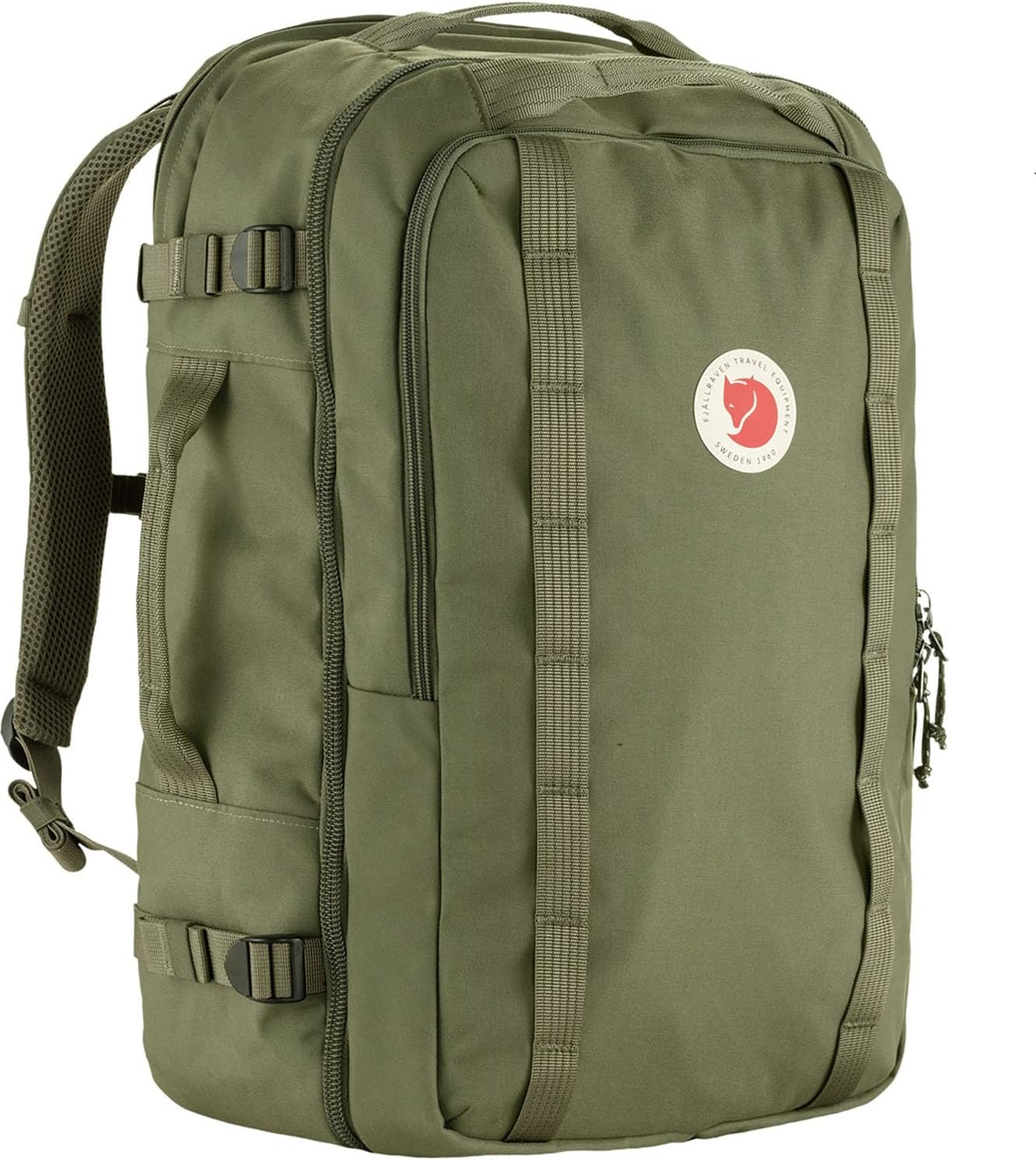
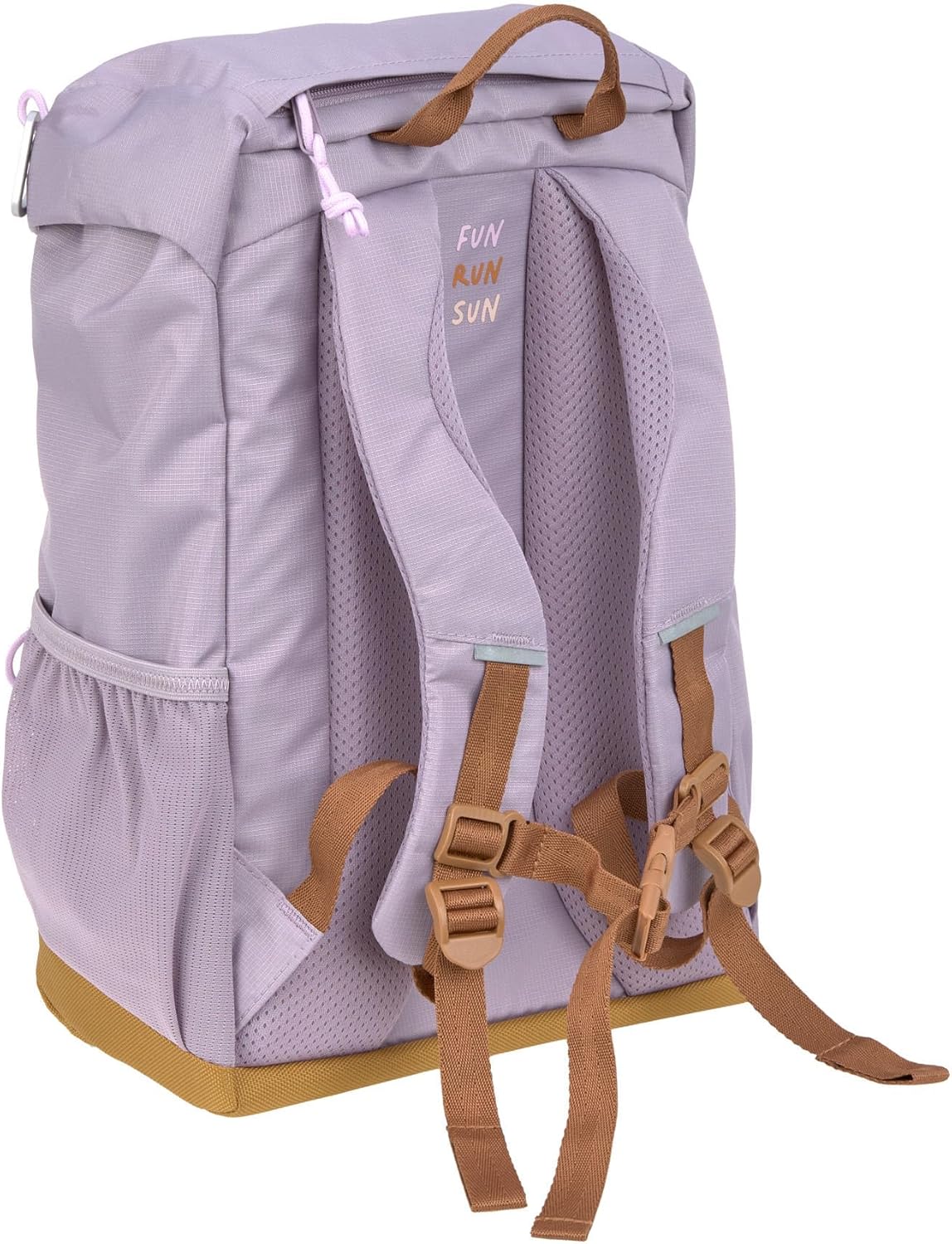
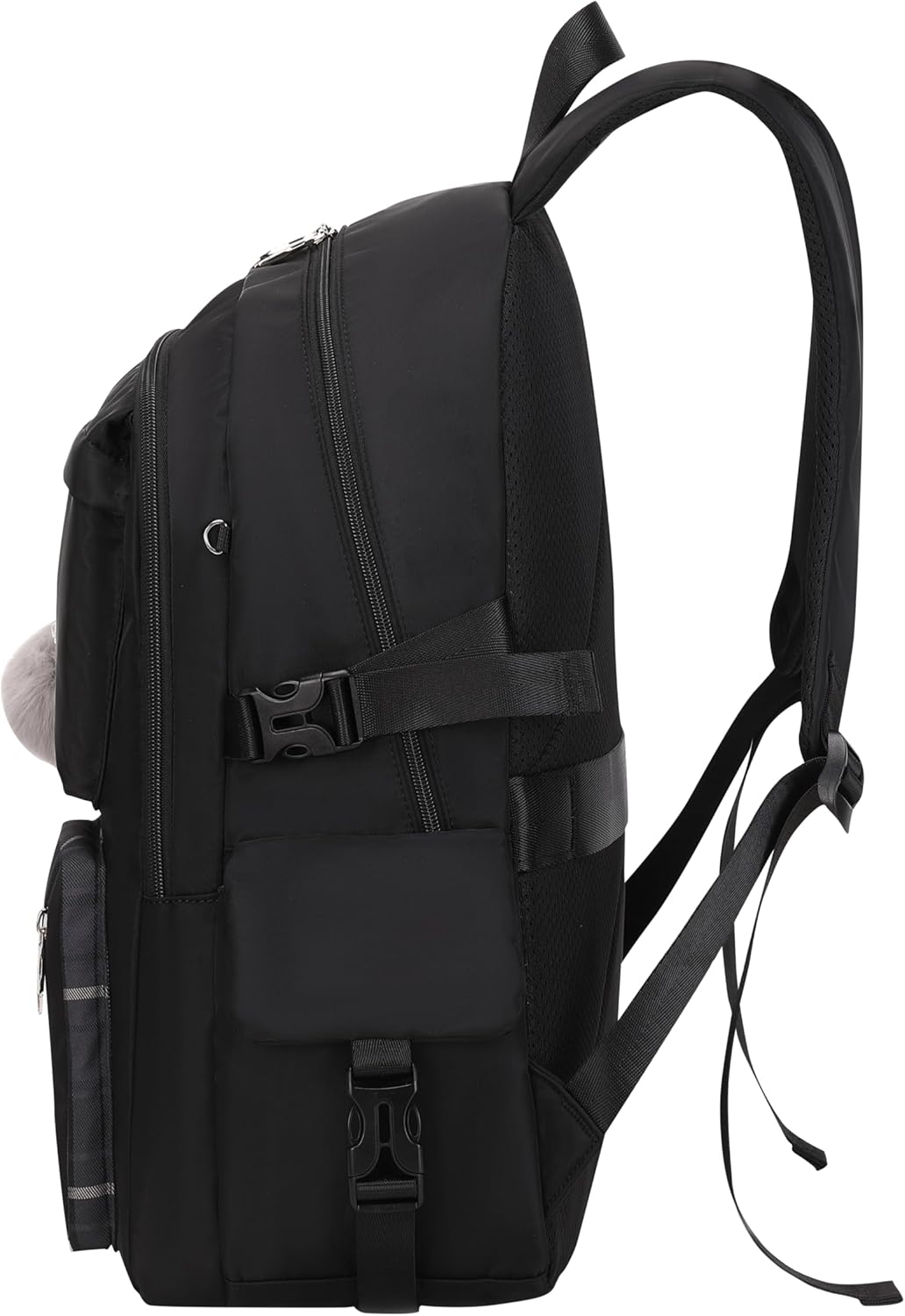
Balancing comfort, weight and healthy carry for young shoulders
Even the best backpacks lose their charm if they hurt a child’s back. For everyday school use, aim for a backpack weight under one kilogram (about 2.2 lb) when empty, then check that the total weight in kilograms stays below roughly ten to fifteen percent of the child’s body weight. This simple rule keeps the carry comfortable and helps maintain a confident, upright posture that shows off their clothes well.
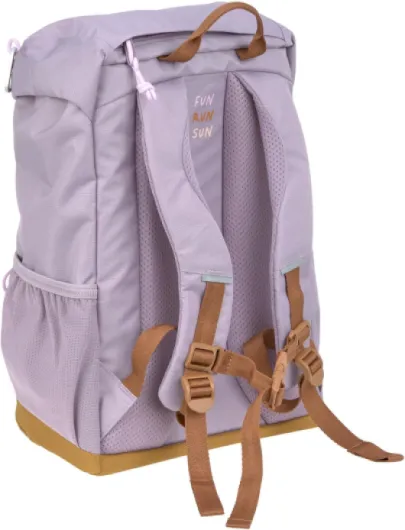
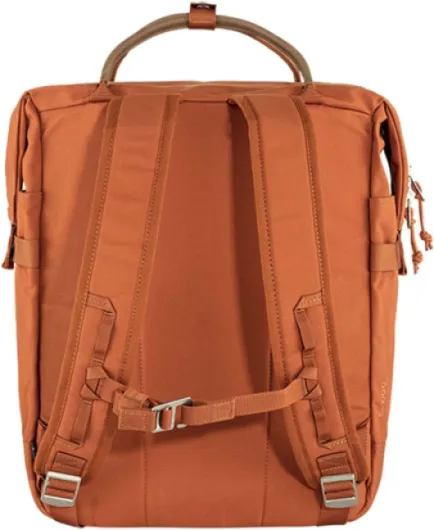
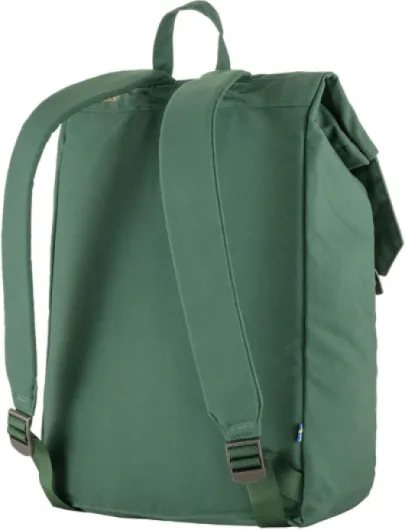
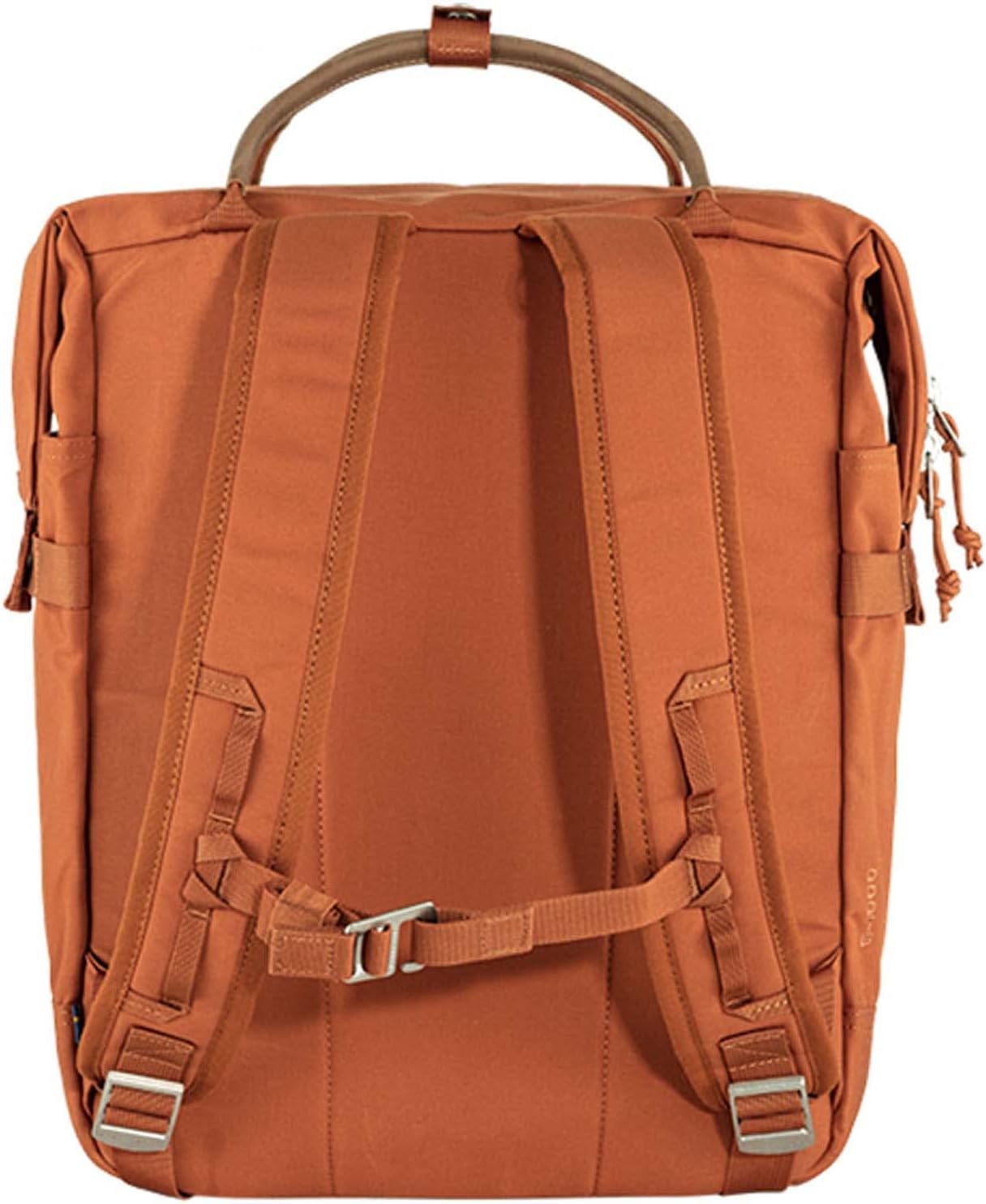
Prioritize wide, padded shoulder straps that sit flat and do not twist, because narrow straps dig into shoulders and ruin both comfort and the line of a blazer or coat. A lightly padded hip belt on larger travel backpacks can shift some load to the hips, which is especially useful for kids who pack sports gear or art supplies. When you adjust the shoulder straps so the bag rests high on the back, the backpack looks neater and the outfit underneath stays visible.
Interior structure matters as much as exterior style for healthy carry. A dedicated laptop compartment or firm laptop sleeve, even when used for books instead of an actual laptop, keeps heavy items close to the spine and reduces strain. For kids who wear statement glasses, pairing a well fitted backpack with sleek unisex kids clear lens glasses creates a balanced, studious look that still feels fashion forward.
Smart compartments, pockets and capacity for organized mini trendsetters
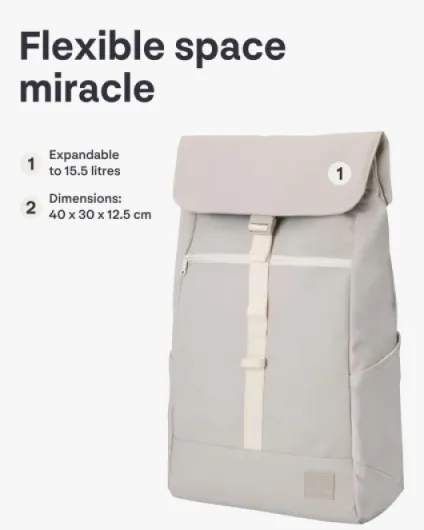
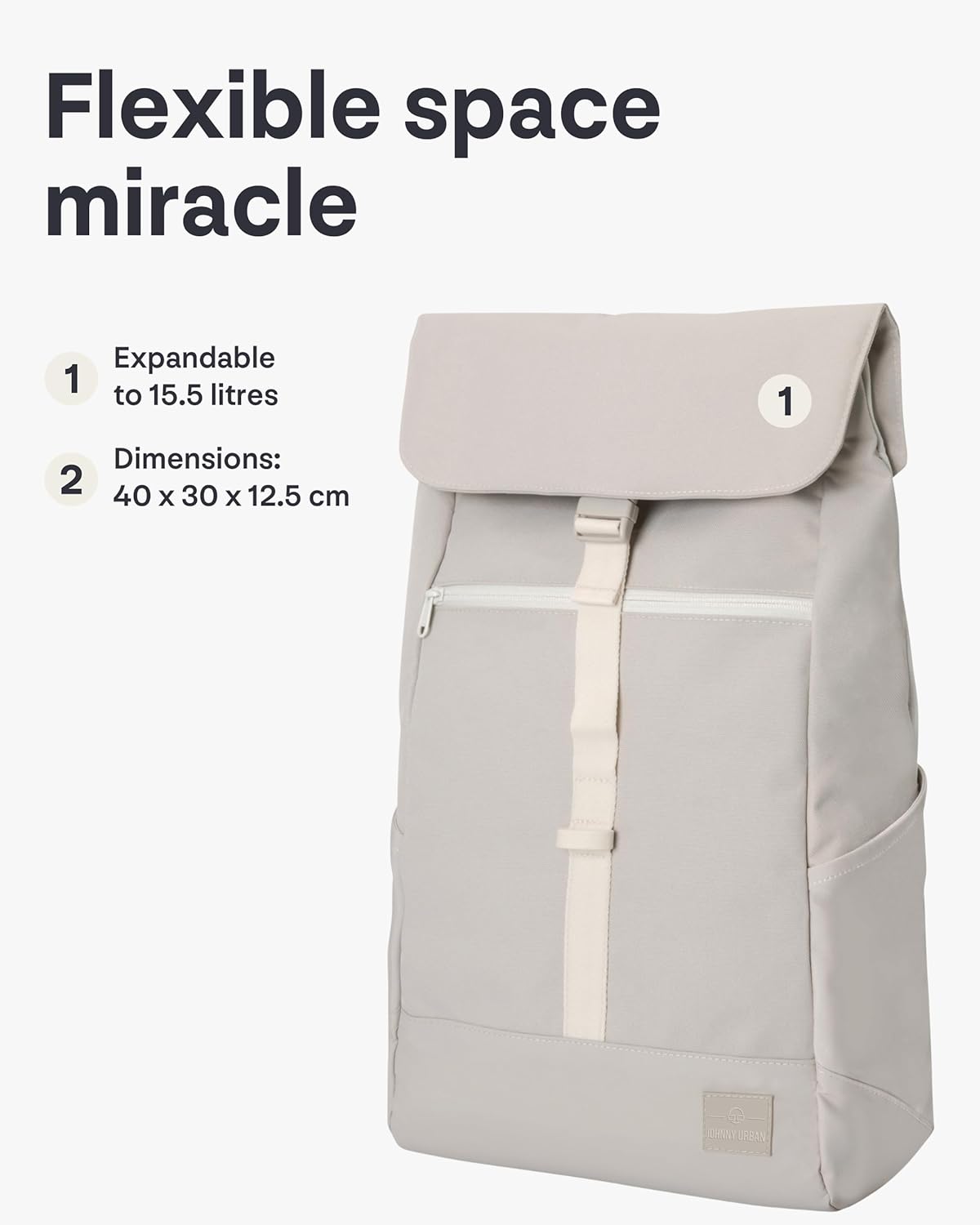
Organization inside the best backpacks is a styling tool, because a tidy bag keeps outfits crisp and unwrinkled. Look for a main compartment that opens wide, with a clear structure so kids can pack layers, gym kits and accessories without crushing them. When the capacity in liters matches their schedule, they avoid overstuffing that distorts the bag’s shape.
Multiple pockets help separate school supplies from fashion accessories and small treasures. A front pocket works well for hair clips, mini combs and lip balm, while side bottle pockets keep the water bottle upright and away from notebooks or a cherished 13 inch laptop used for creative projects. Interior zip pockets are ideal for jewelry pouches, especially if your child loves stacking bracelets or rotating pieces from a favorite wooden jewelry collection.
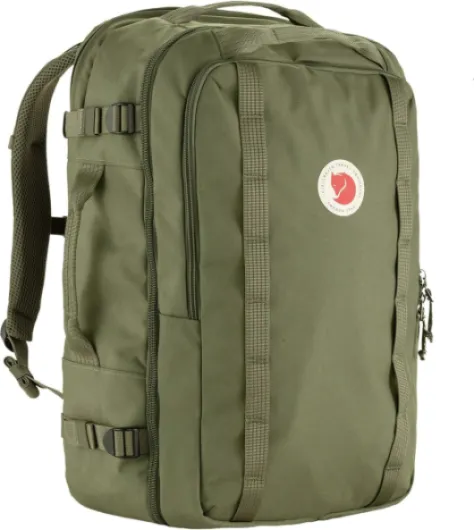
For travel days or overnight stays, a compact travel pack with a clear laptop compartment and a few mesh pockets makes it easy to separate outfits by day. Many parents now use slim packing cubes inside kids’ bags, which keeps socks, tees and accessories grouped and easy to reach. When every compartment has a purpose, children learn to pack their own gear and protect their carefully chosen clothes.
From classroom to weekend travel pack: styling versatility
Fashion forward kids often want one hero backpack that works for school, activities and weekend travel. To achieve this, choose a bag whose design feels polished enough for the classroom yet relaxed enough for a city stroll or museum visit. Neutral bases such as navy, charcoal or soft beige pair beautifully with brighter outfits and let statement shoes or jackets stay in the spotlight.
For short trips, a small travel backpack with a structured main compartment and a discreet laptop sleeve can double as a stylish overnight bag. Encourage kids to roll outfits and use packing cubes, placing heavier items near the laptop compartment so the weight distribution stays balanced. When they carry the same backpack from train to café to playground, consistent styling details like matching keychains or scarf wraps keep the look cohesive.
Some families invest in travel backpacks inspired by brands such as Peak Design, known for sleek lines and thoughtful access points. While many of these models are sized for adults, scaled down versions or youth specific designs borrow the same clean aesthetic and smart pocket layout. For fashion kid passionate readers, this means a travel pack that photographs beautifully while still protecting clothes, sketchbooks and tech gear.
Fashion accessories that elevate every backpack outfit
Accessories turn even simple backpacks into style statements that feel personal. Start with practical add ons such as reflective zipper pulls, embroidered patches or removable charms that echo colors from their sneakers or knitwear. A slim scarf tied around the top handle can coordinate with a coat lining or hat, creating a subtle but polished link.
Jewelry and small leather goods also interact with the backpack’s lines. When a child wears layered necklaces or wooden bangles, choose a bag with smooth shoulder straps that will not snag delicate pieces or compete visually. Coordinating a mini wallet or cardholder with the backpack bag color, then pairing both with chic kids loafers from a curated selection like the one at this top loafers guide, creates a head to toe story.
Hair accessories deserve equal attention, especially for kids who love bold clips or headbands. A backpack with a clean back panel and minimal external bags or straps prevents tangling and keeps hairstyles intact. When every accessory, from pocket details to earrings, relates to the backpack’s palette, the overall outfit feels intentional rather than busy.
How to evaluate quality, price and long term value
Choosing the best backpacks for kids with strong style opinions means weighing aesthetics against durability and cost. Inspect stitching, zippers and fabric density, because a slightly higher price often reflects construction that survives daily school runs and weekend travel. Parents can think in terms of cost per wear, dividing the price by the number of expected uses to judge real value.
Quality materials also protect the clothes and accessories inside. A lined laptop compartment or padded laptop sleeve shields not only a laptop but also sketchpads, magazines and delicate hair accessories stored nearby. Water resistant fabrics, reinforced bottle pockets and a stable base help keep outfits dry and neatly folded, even when the bag rests on damp playground surfaces.
When shopping online, use size charts and capacity in liters to avoid surprises, then read detailed product descriptions about weight in kilograms and strap adjustability. Some retailers highlight whether a backpack fits a 13 inch laptop, which can be a useful proxy for overall scale on a child’s frame. Instead of relying on a quick check price glance, take time to compare features, imagining how the bag will look and perform with your child’s favorite outfits over several seasons.
Key figures about kids’ backpacks and healthy carry
- Research from the American Academy of Pediatrics recommends that a child’s loaded backpack should not exceed 10 to 15 percent of their body weight (about 0.10 to 0.15 times body mass in kilograms), which means a 30 kilogram child should carry no more than 3 to 4.5 kilograms (roughly 6.6 to 9.9 lb). See the AAP’s school backpack safety guidance for more detail (for example, the HealthyChildren.org article “Backpack Safety”).
- A survey by the American Occupational Therapy Association reported that more than half of students carry backpacks that are too heavy, highlighting the importance of checking weight regularly while still prioritizing style. Readers can consult AOTA’s National School Backpack Awareness Day resources for current figures and practical checklists.
- Studies on ergonomic design show that wide, padded shoulder straps and a hip belt can reduce perceived load compared with narrow strap designs of similar capacity, according to peer reviewed research on schoolbag ergonomics published in journals such as Applied Ergonomics and BMC Musculoskeletal Disorders.
- Market data from major school supply retailers indicates that backpacks with dedicated laptop compartments now represent a significant share of youth sales, reflecting how tech devices have become part of everyday kids’ gear.