Fit, movement, and how style supports performance
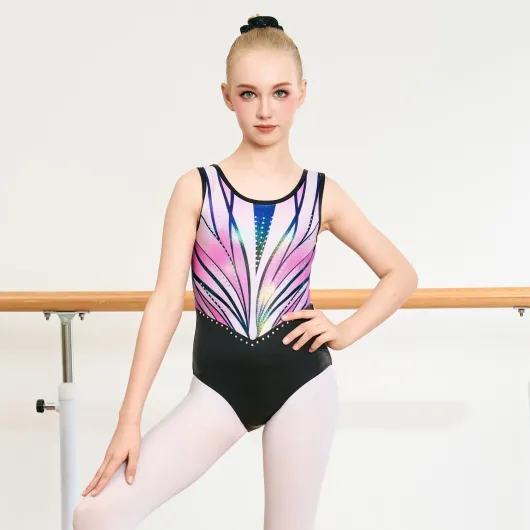
Fit transforms even the best gymnastics leotards from pretty apparel into true performance tools. A gymnastics leotard should follow the natural line of the torso without pulling at the shoulders, and the same principle applies to both a classic black style and a bright navy option with metallic details. Ask your child to lift their arms, arch, and squat so you can see how the leotard behaves during real gymnastics movement rather than just when they stand still.
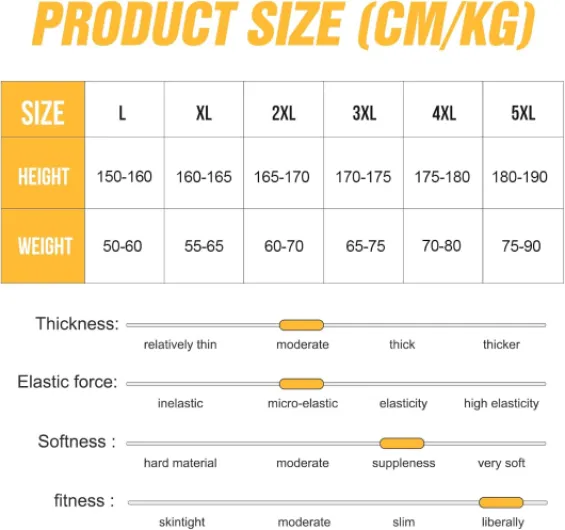
For serious girls gymnastics training, the leg cut should sit at the hip bone, not higher, to avoid constant adjustment during floor routines. Many leading brands now offer different torso lengths, which is essential when choosing competition leotards for tall kids or for an adult gymnast who still trains alongside younger teammates. When you compare sale offers, prioritise labels that clearly state torso measurements in centimetres and list both regular price and discount in a transparent, easy to read format.
Layering also influences fit, especially in colder gyms where kids wear slim pants or leggings over their leotards during warm up. Choose lightweight gymnastics apparel bottoms that slide easily over the leotard fabric, so seams do not twist or create pressure points during stretching and basic cross gymnastics drills. For head to toe comfort at home training sessions, pair a favourite leotard with supportive indoor footwear from a curated guide to top indoor slippers for kids to keep muscles warm between turns.
Designs, colours, and the role of personal expression
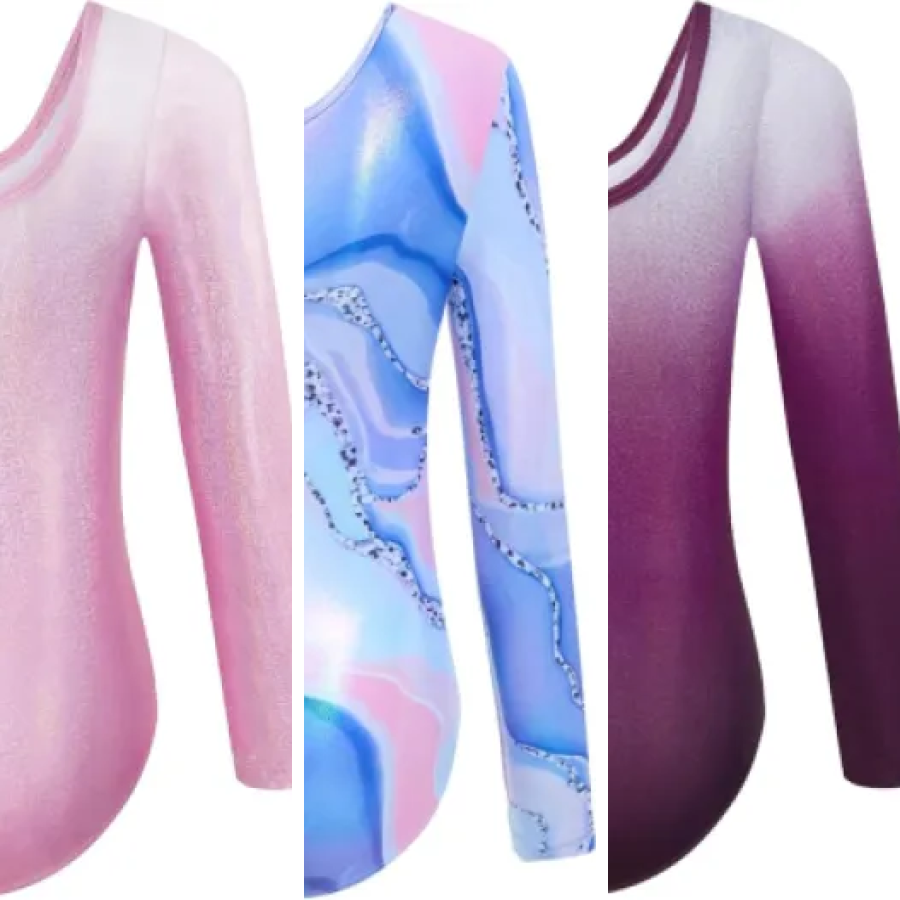
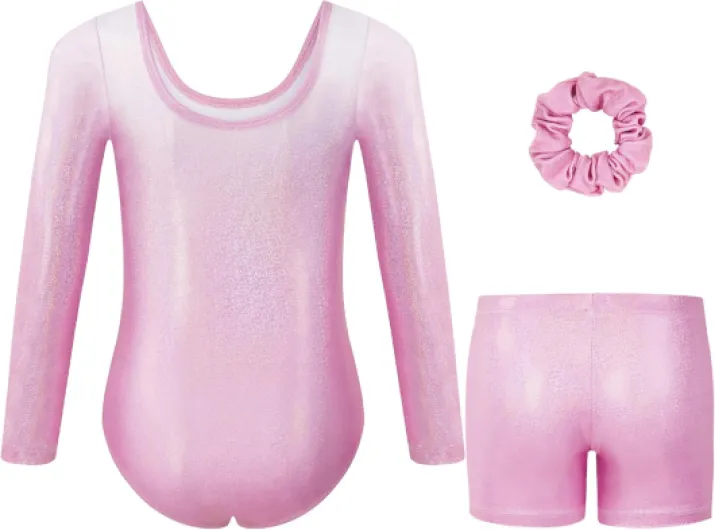
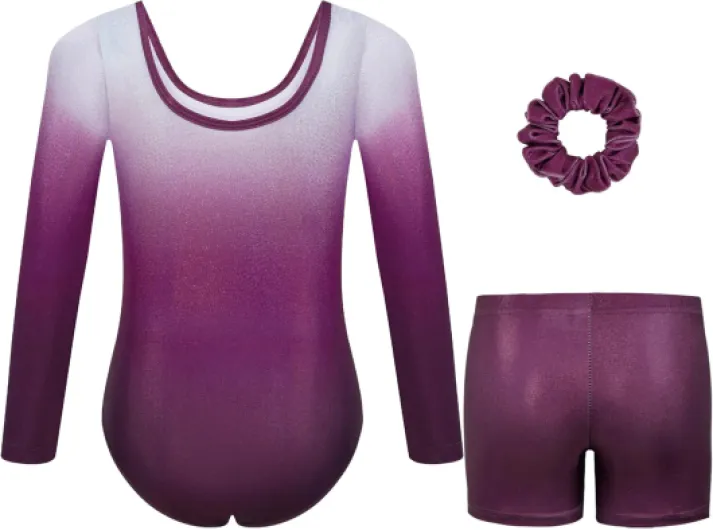
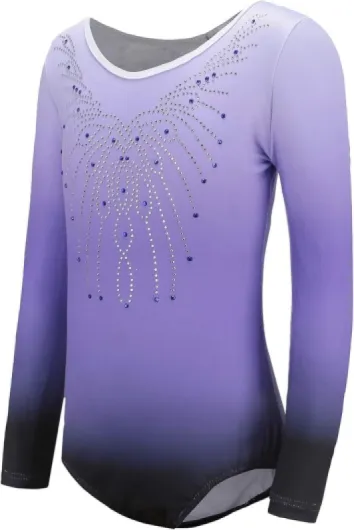
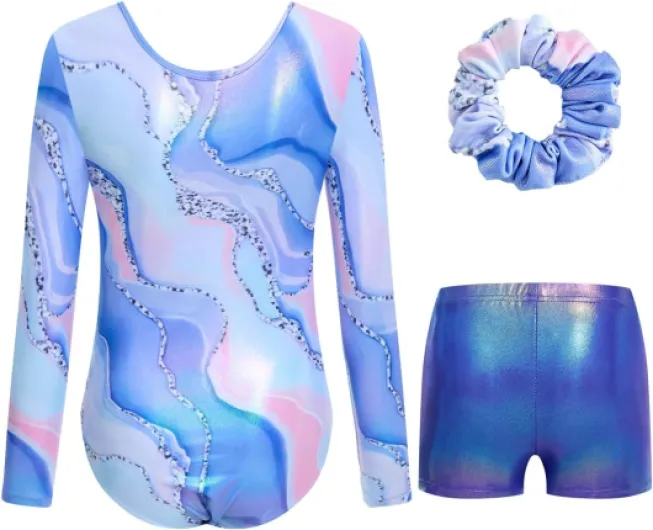
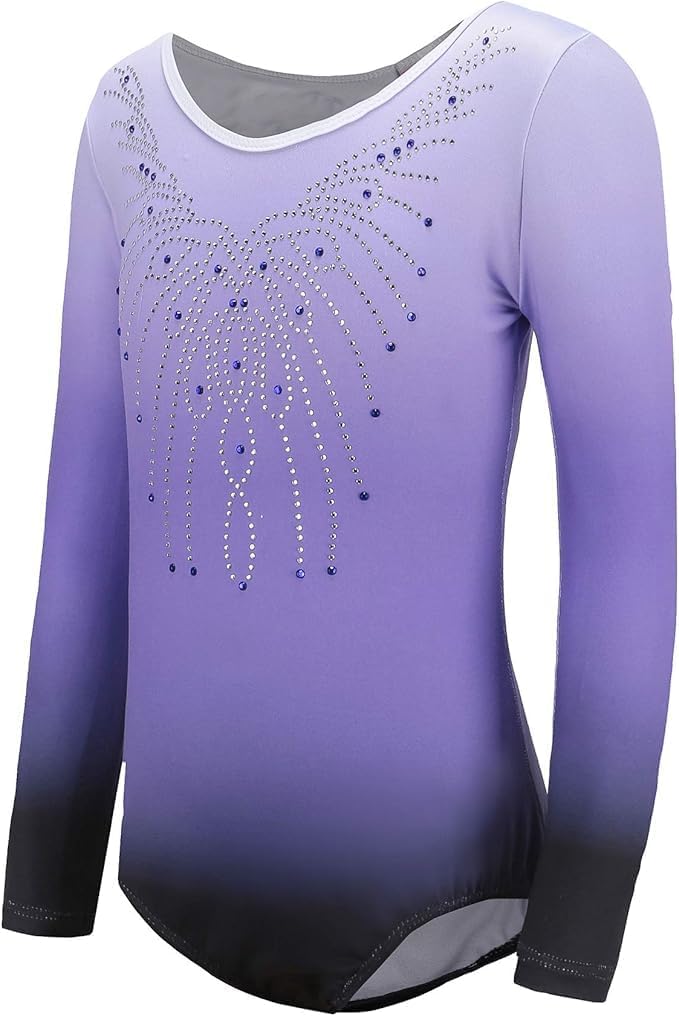
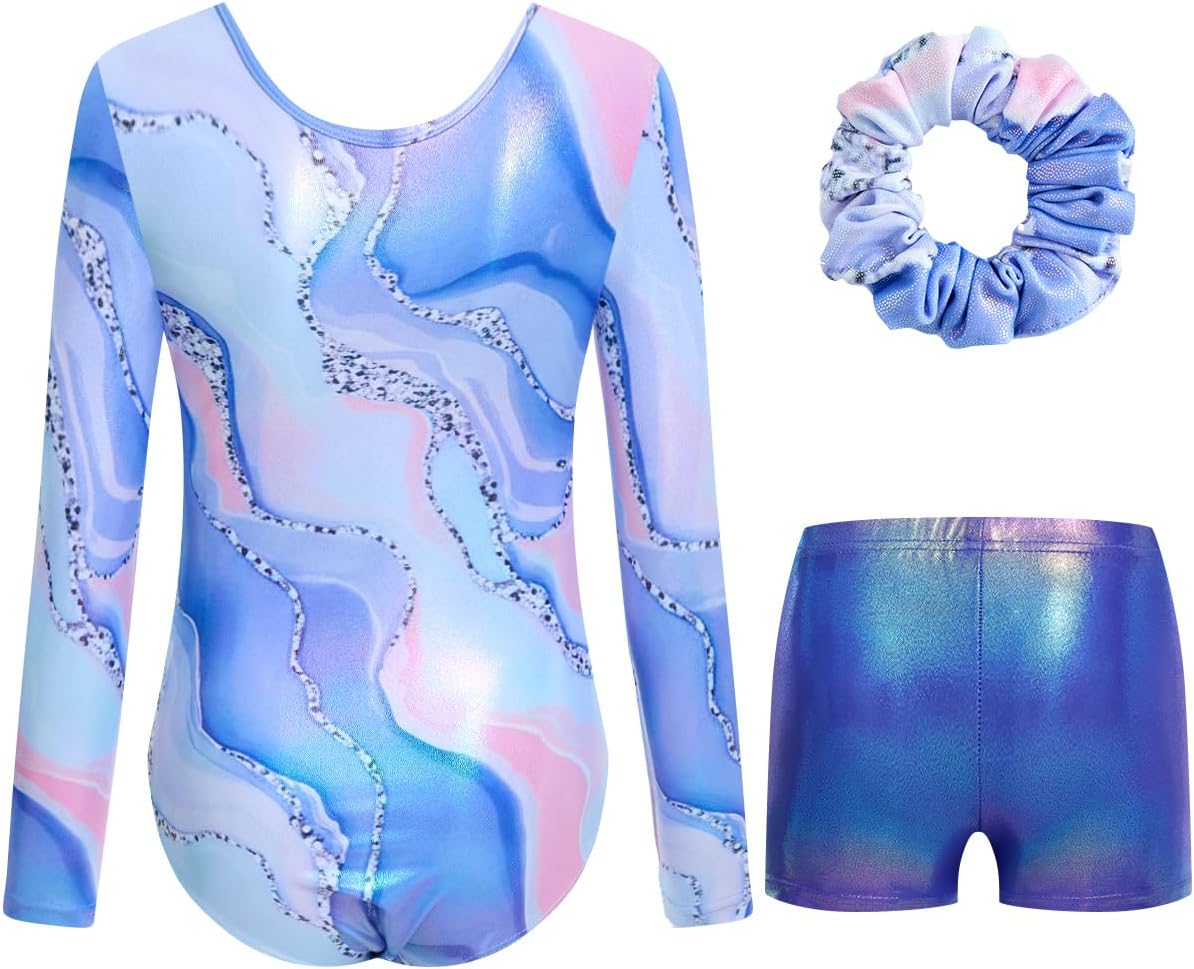
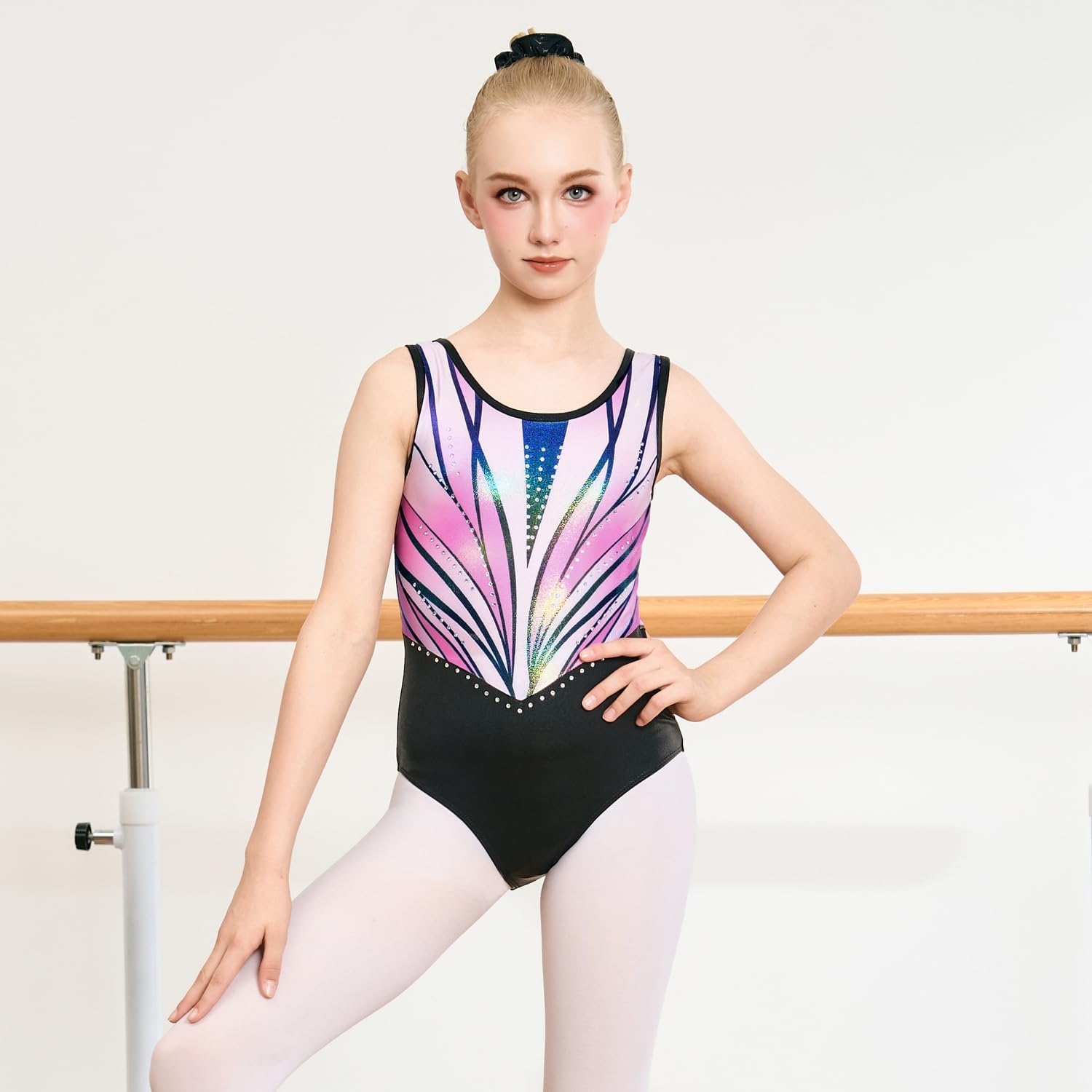
Style matters deeply to young athletes, and the best gymnastics leotards let kids express their personality without sacrificing function. Many design studio teams now create limited edition capsules where each gymnastics leotard tells a story through colour gradients, foil accents, or hand placed crystals. When a child helps choose these designs, their confidence in both training and competition often rises noticeably.
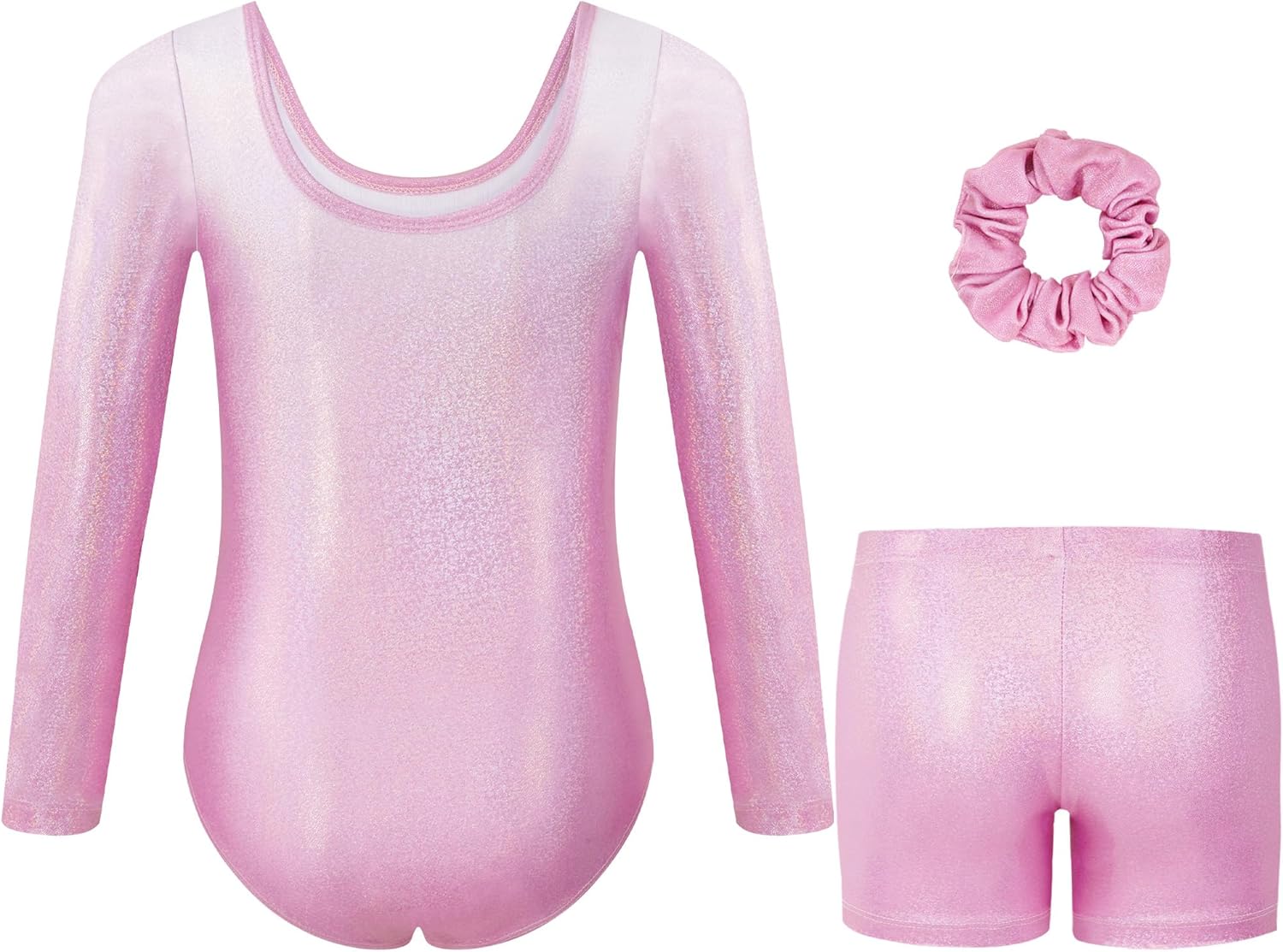
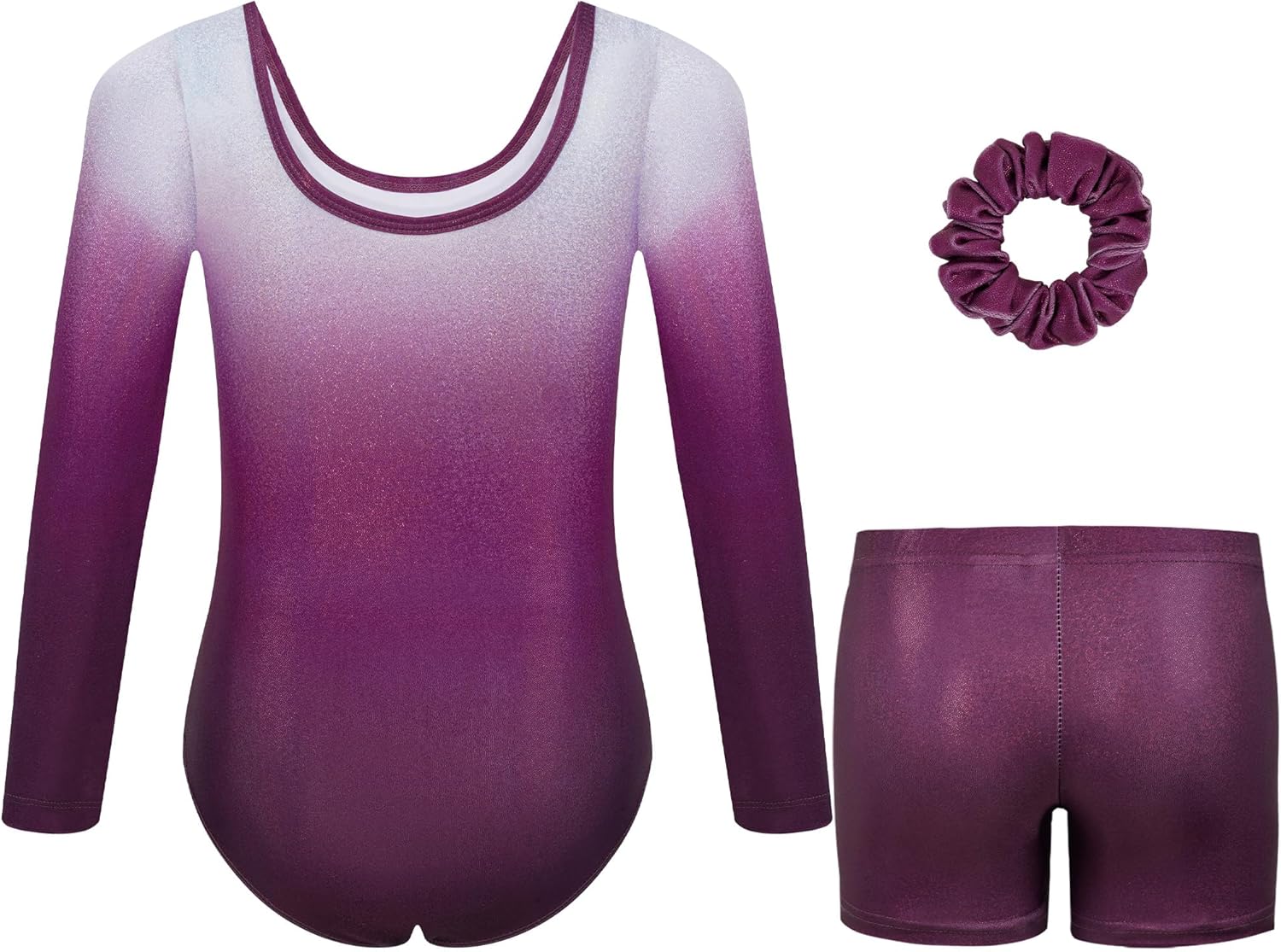
Colour strategy deserves careful thought, especially for girls gymnastics squads that want a cohesive look. Navy tones with subtle shimmer photograph beautifully under bright lights, while a black base with bold side panels can visually lengthen lines during leaps and turns. For everyday gymnastics wear, some parents prefer softer pastels, then reserve more dramatic competition leotards for big events where judges and cameras focus closely on every detail.
Print placement also affects how movement reads from the judges’ view, particularly in beam and floor routines. Diagonal stripes or cross gymnastics inspired graphics can emphasise extension, while vertical ombré panels help create a taller silhouette for younger girls. When building a full training wardrobe, remember to coordinate leotards with supportive footwear from resources like a guide to top running shoes for active kids so off apparatus conditioning feels as stylish as time on the mat.
Price, sale strategy, and building a smart leotard collection
Parents of fashion forward gymnasts quickly realise that the best gymnastics leotards represent an investment rather than a simple costume. A single high quality gymnastics leotard from a reputable brand can cost a significant amount, especially when it features hand finished embellishments or limited edition artwork. To manage budgets, many families plan a small but focused collection that mixes one or two premium competition leotards with several durable training pieces bought during a strategic leotard sale.
When you compare regular price and sale price, always check whether the discount applies to current season designs or only to end of line leotards. Some shops label items as sale without clarifying that certain sizes are final stock, so confirm return policies before you commit, particularly for leotard girls cuts where growth spurts are frequent. A smart approach is to buy one size for immediate training and another at seasonal sale events, then rotate pieces as your child grows and as gymnastics wear naturally stretches over time.
Families with multiple kids in gymnastics can share a small wardrobe if they coordinate colours and cuts carefully. For example, a navy long sleeve leotard with subtle crystals can move from older to younger siblings, while a simpler black style becomes the everyday training uniform. To keep spending balanced, track each purchase in a simple spreadsheet with columns for price, currency such as US dollars, and expected training sessions so you can evaluate real cost per wear.
From training to competition: dressing for every gymnastics moment
Different stages of a gymnast’s week demand different outfits, even when you focus on the best gymnastics leotards. For regular training, breathable styles with minimal embellishment reduce distractions and make washing easier, especially when kids attend gymnastics wear sessions three or four times weekly. During colder months, add warm layers such as fitted jackets and soft pants that slide easily over the leotard without catching on apparatus.
Competition days require a more curated approach, where every detail of gymnastics apparel supports both performance and team identity. Many clubs choose matching competition leotards in navy or jewel tones, then allow subtle personal touches like hair accessories or small earrings for girls who enjoy extra sparkle. When boys or men compete, they usually pair a sleek leotard with coordinating pants or shorts, and the same attention to fabric quality and fit applies to this adult apparel as to kids’ pieces.
Travel also influences outfit planning, particularly for regional or national meets where kids spend long hours between warm up and competition. A warm tracksuit worn over the leotard keeps muscles ready while protecting limited edition designs from snags on seats or equipment. For style conscious families, a compact accessory such as a mini bag from a curated guide to top mini purses for kids can hold grips, tape, and hair ties while matching the overall team aesthetic.
Caring for leotards so style and performance last longer
Proper care extends the life of even the best gymnastics leotards and keeps colours vivid for the camera. Always turn each gymnastics leotard inside out before washing, use a gentle detergent, and choose cool water at around 30 °C (86 °F) to protect delicate foil and crystal designs. Avoid fabric softener because it can break down elastane fibres, causing leotards to lose their sharp fit during demanding gymnastics routines.
Drying technique matters just as much as washing, especially for limited edition pieces from a design studio that uses intricate embellishment. Lay each leotard flat on a towel away from direct heat, and never tumble dry, because high temperatures can damage both the base fabric and the adhesive that holds decorative elements. When you view your child’s collection laid out, check seams and leg elastics regularly so you can repair small issues before they affect comfort during training or competition.
Storage also shapes how long leotards stay beautiful and functional for girls gymnastics and boys’ programmes. Hang everyday leotards on slim, velvet covered hangers, then keep special competition leotards in breathable garment bags to protect them from dust and snags. For families who buy during leotard sale events, label each hanger with size, regular price, and purchase date so you can rotate pieces logically and avoid forgotten treasures at the back of the wardrobe.
Key figures shaping kids’ gymnastics leotard trends
- According to USA Gymnastics membership statistics for 2023, more than 150,000 athletes are registered in junior programmes, which directly fuels demand for both training leotards and competition leotards across the country (see the annual USA Gymnastics membership report for detailed numbers at usagym.org).
- Market research from firms such as Grand View Research indicates that the global activewear market for children has grown at over 5% annually, and gymnastics apparel represents a visible niche within this expansion, especially in North America and Europe (see the Grand View Research children’s activewear market overview).
- Surveys of parents published by major sports retailers show that many families now allocate between $100 and $300 per season for gymnastics wear, often balancing one premium leotard with several mid range options bought at sale price; for instance, a basic training leotard might cost around $30 while a crystal embellished competition design can reach $120.
- Consumer data from large online retailers suggests that navy and black colourways account for more than half of total leotard sales, confirming their status as timeless bases in any kids’ leotard collection.
| Feature |
Everyday training leotard |
Competition leotard |
| Fabric |
Soft nylon or polyester with 15–20% elastane, matte finish, approx. 180–220 g/m² |
Similar blend, often with foil, mesh, or crystal details, approx. 190–230 g/m² |
| Fit |
Secure but relaxed, easy to move and layer over |
Very close fit for clean lines under bright lights |
| Typical price range |
Approx. $25–$60 depending on brand and size |
Approx. $60–$150 for embellished or custom designs |