Choosing kid friendly materials for the best necklaces
Material is the first filter when selecting the best necklaces for sensitive young skin. Hypoallergenic metals such as sterling silver and higher carat yellow or white gold usually cause fewer reactions than mystery alloys in low quality products. When a child insists on wearing a gold necklace daily, prioritise a hallmarked piece with clear metal content and avoid thin plating that can flake under constant friction.
For everyday outfits, a polished sterling silver chain with a smooth finish feels light yet durable. Kids who love color often gravitate toward warm yellow gold details, where a tiny charm or subtle gold and diamond accent brightens neutral clothing without looking too formal. If you are building a first collection, start with one simple chain in silver, one in yellow gold, and perhaps a subtle rose gold option so your child can match different metals to different moods.
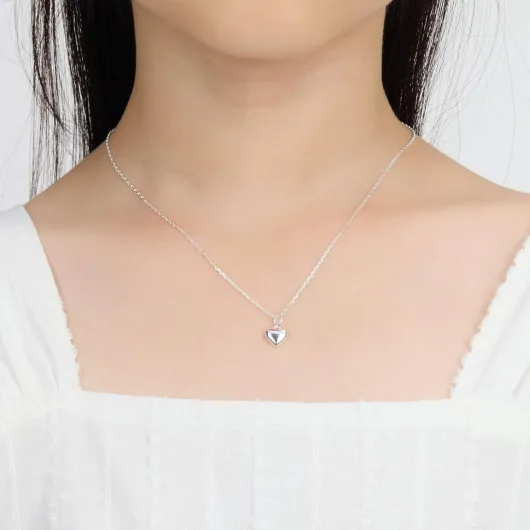
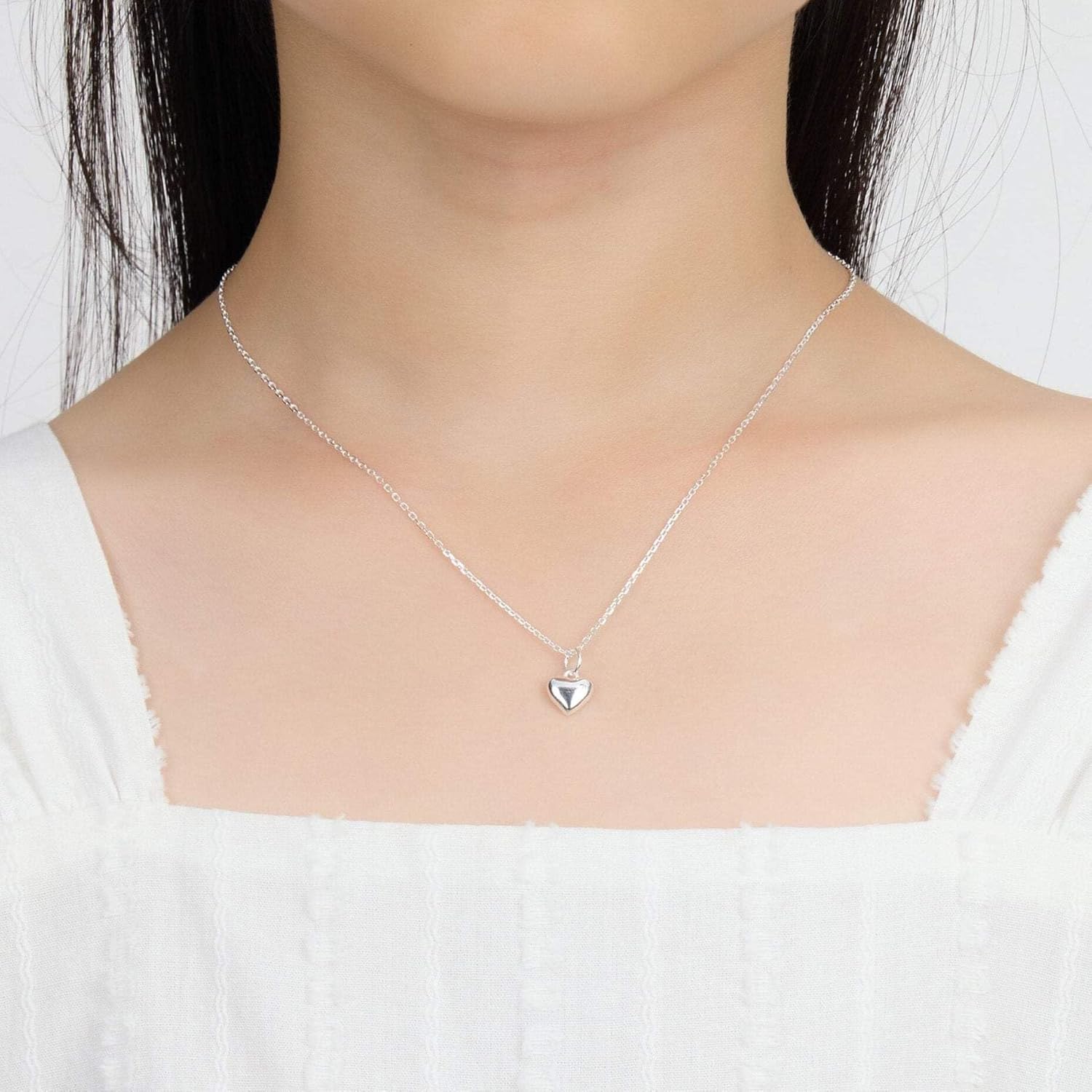
Parents who admire iconic maisons such as Tiffany & Co. sometimes wonder whether classic Tiffany products like the Elsa Peretti heart pendant translate to kidswear. A scaled down, Elsa Peretti inspired heart in sterling silver can feel age appropriate, especially when worn on a short chain that sits high and secure. For more detailed guidance on premium options, explore a specialised kids edit such as a curated selection of top necklaces for young style lovers and compare how different metals behave against active lifestyles.
Length, safety and comfort for active fashion kids
Even the best necklaces fail if they are uncomfortable or unsafe for active children. A chain that is too long can catch on playground equipment, while a necklace that is too tight can rub the neck and distract a child during class. Aim for adjustable designs with several loops so the same gold or silver piece can sit closer to the collarbone for sport and slightly lower for parties.
Look for safety clasps that release under pressure and avoid sharp edges on any pendant, especially when diamonds are involved. A small diamond pendant or rose toned detail should be bezel set, meaning the metal surrounds the stone completely, which reduces snagging on knitwear and hair. When your child wears belts or layered accessories, coordinate proportions carefully and consider pairing a short letter necklace with an adjustable waist accessory such as kids elastic belts with heart buckles to keep the overall silhouette balanced.
Comfort also depends on weight and movement. Lightweight sterling silver chains with a tiny heart charm or initial feel almost invisible, while heavy pendants in solid yellow gold can bounce uncomfortably when kids run. For very young fashion enthusiasts, prioritise flat, smooth chains and small motifs that sit flush against the chest, then gradually introduce more sculptural jewelry as they learn how to move with their accessories.
Styling pendants, charms and letters for expressive kids
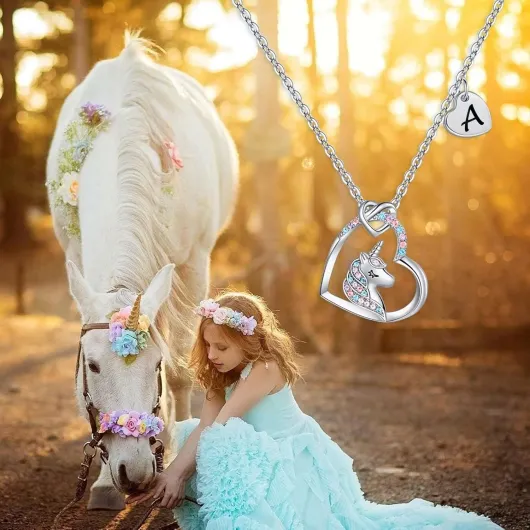
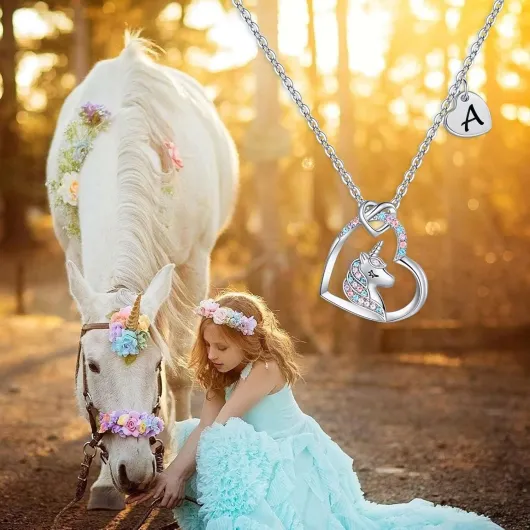
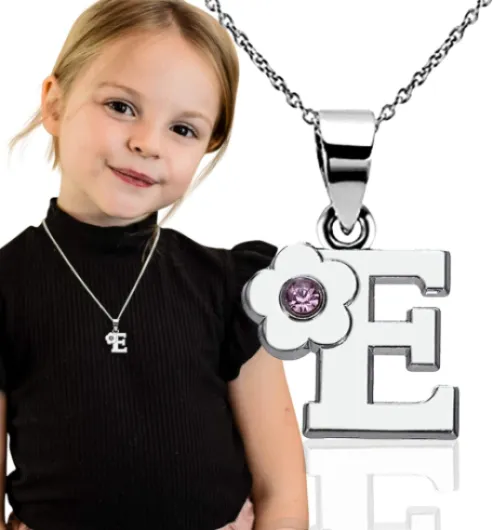
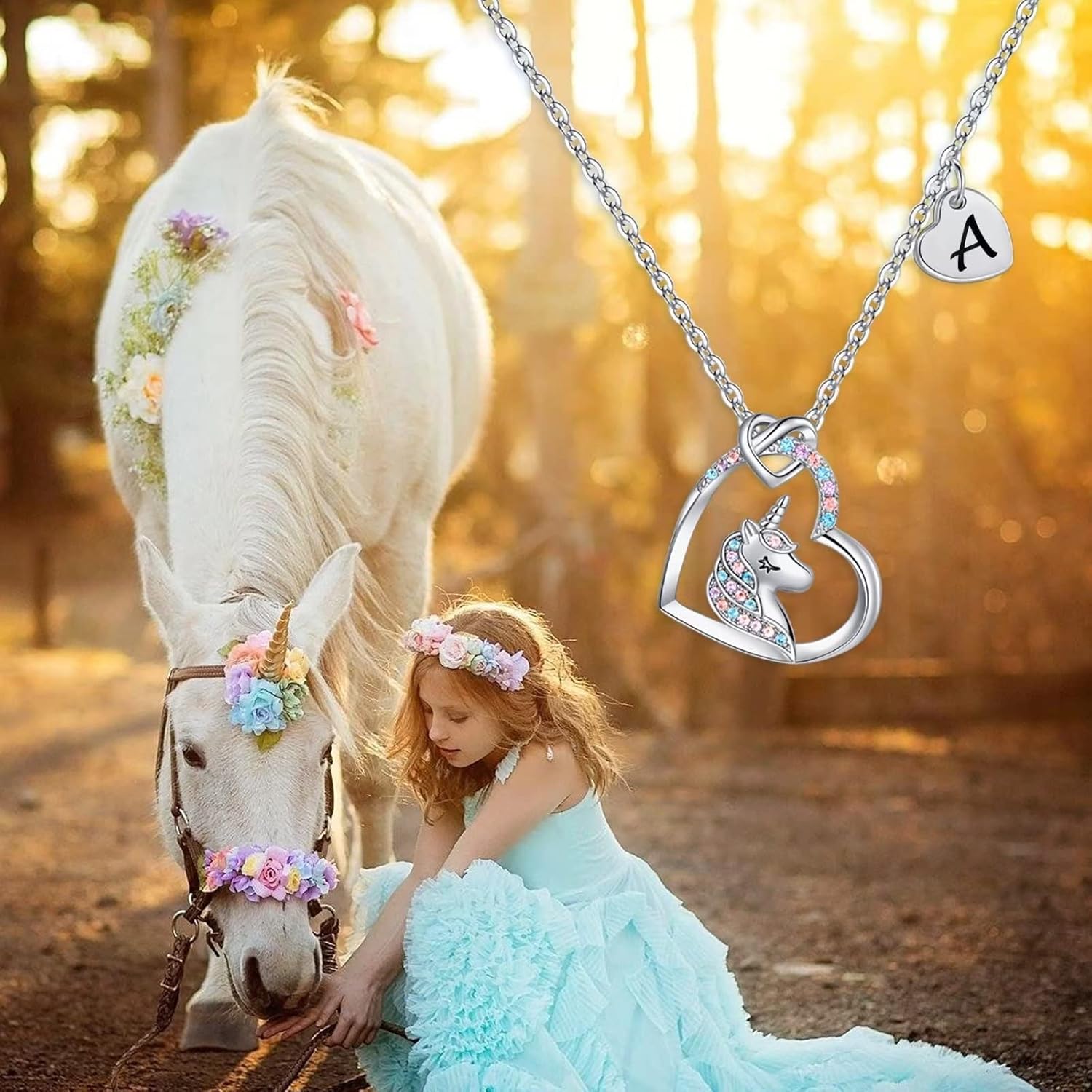
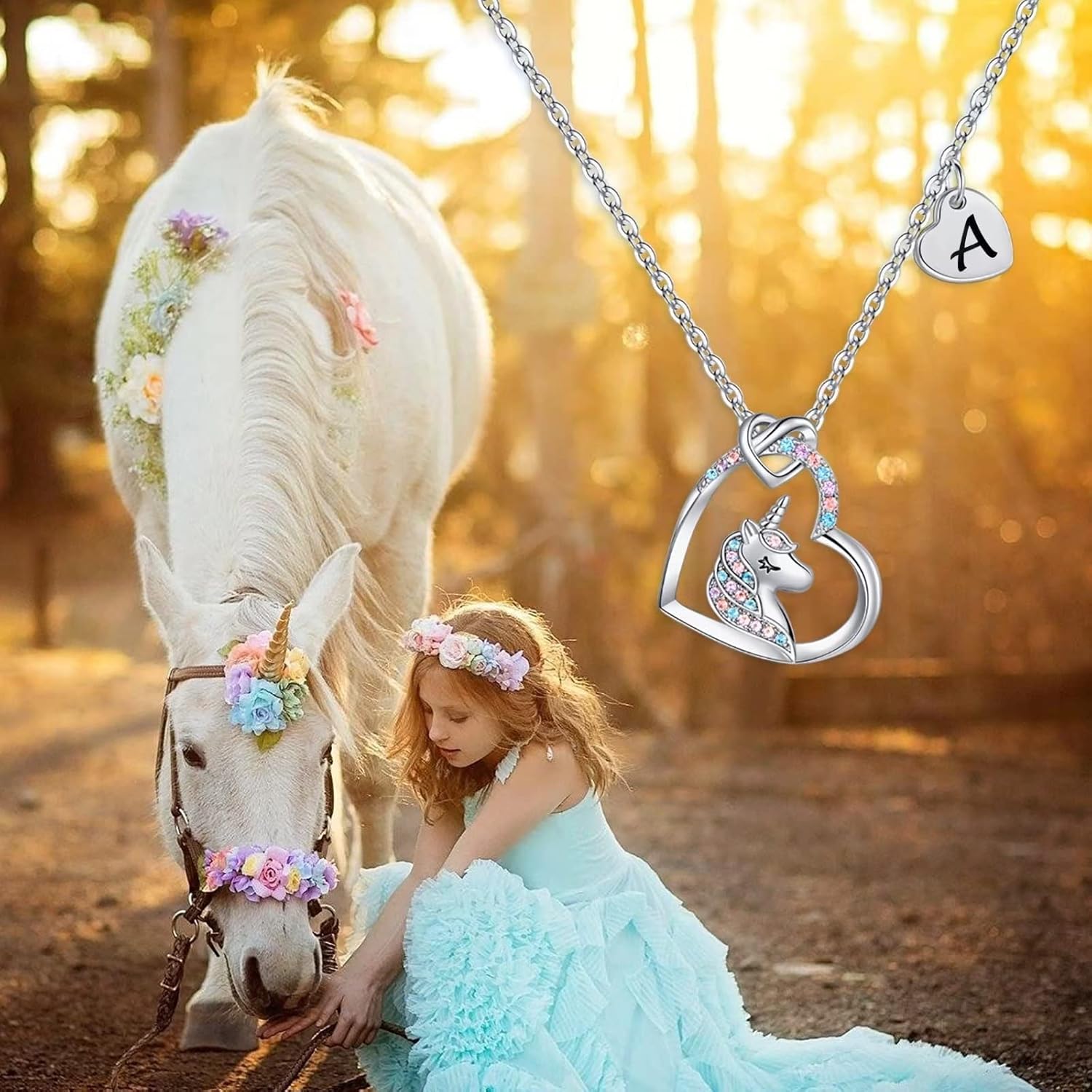
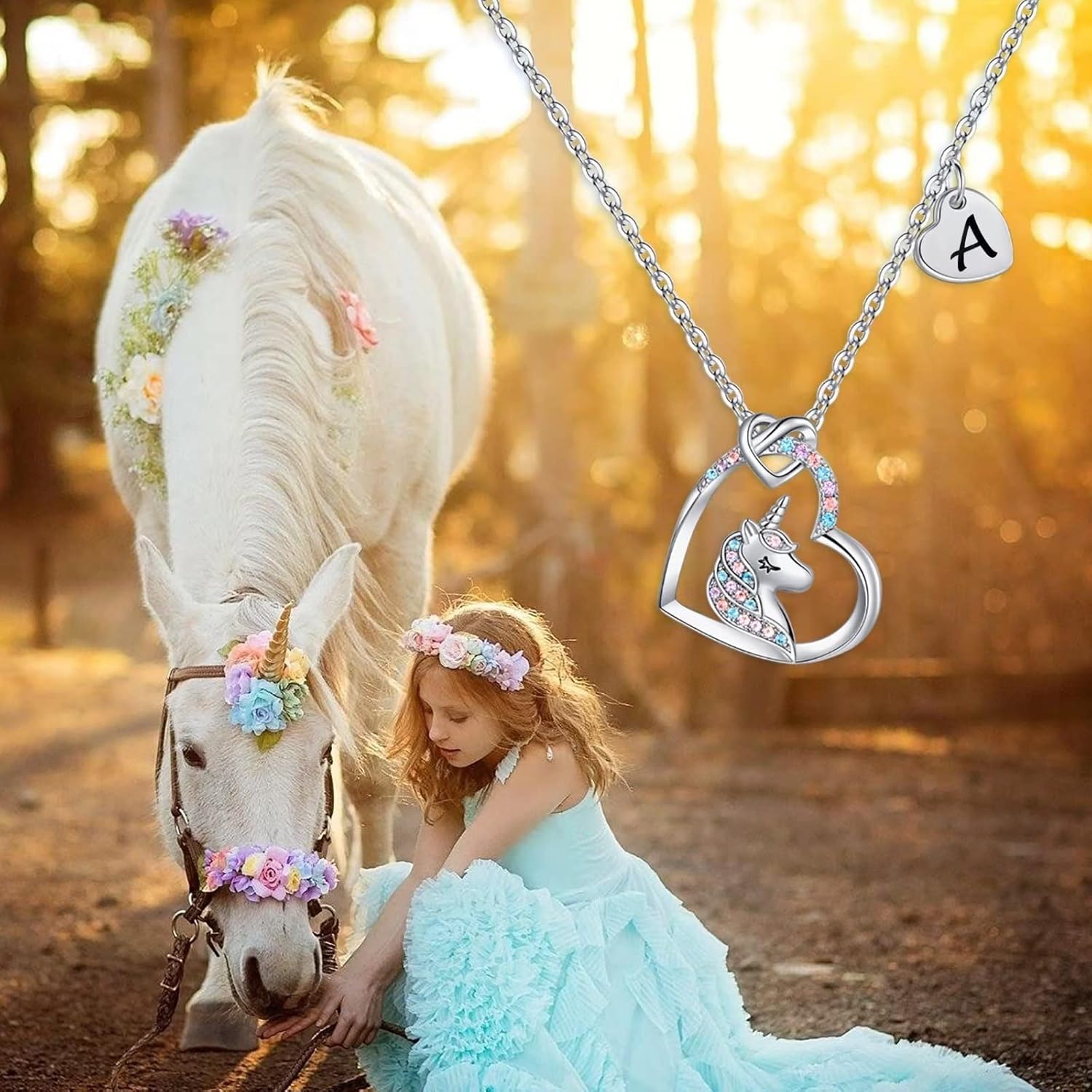
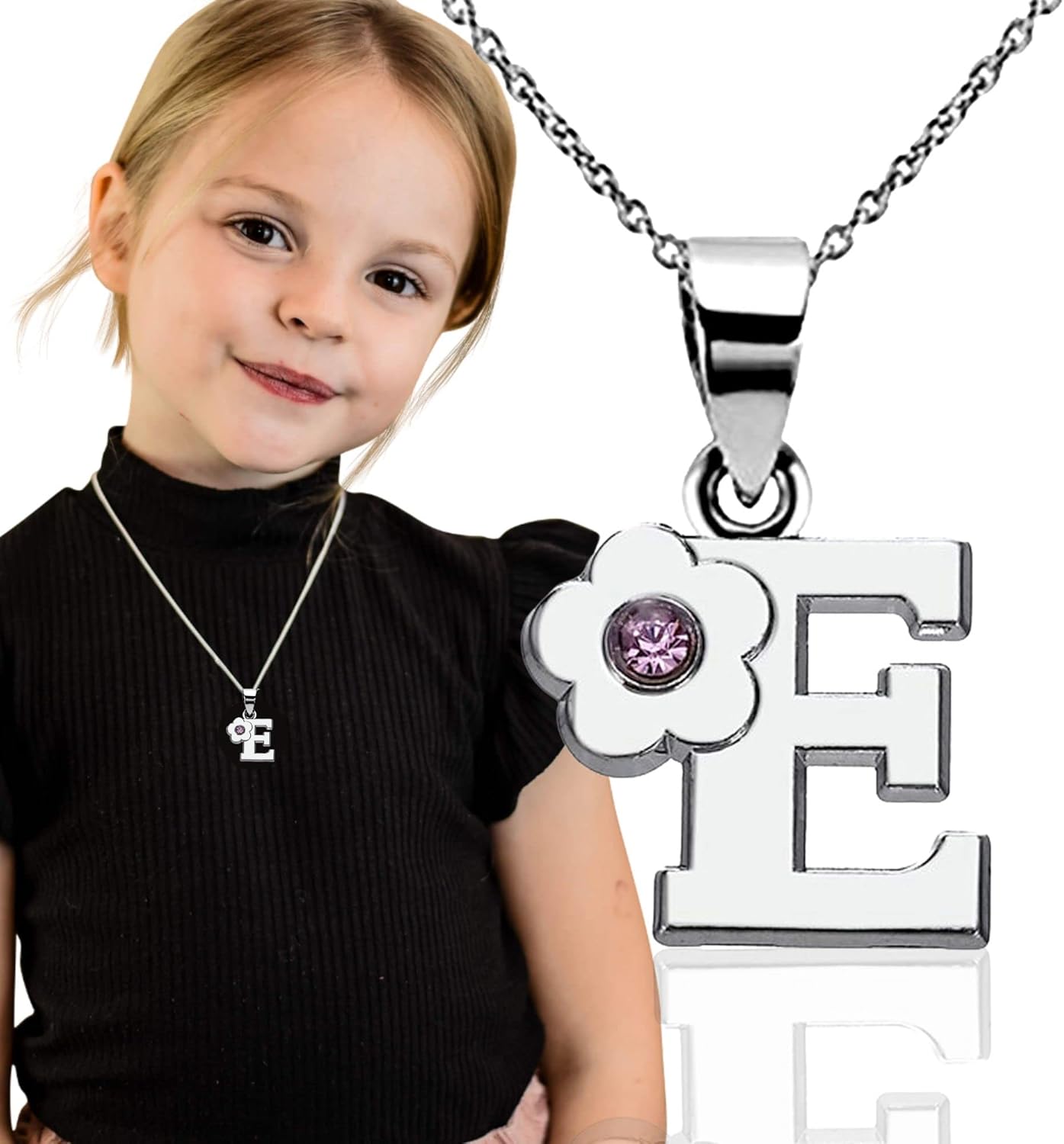
Children who are passionate about fashion often treat the best necklaces as mini mood boards. A pendant with a heart, star or tiny animal becomes a storytelling tool, while a letter necklace lets them wear their initials like a personal logo. When curating a small collection, mix one classic heart charm in yellow gold or silver with a playful yellow accent and a sleek letter pendant in white gold or sterling silver.
Layering works beautifully on older kids and preteens when done with restraint and clear spacing. Try combining a choker length silver chain, a mid length gold necklace with a diamond pendant, and a slightly longer sterling piece with a single rose toned charm, leaving at least 2 cm between each layer. This creates a vertical rhythm that flatters the neckline without overwhelming it, especially when the outfit already includes bold prints or bright yellow tones.
Charm based jewelry lets children edit their look daily. Offer a base chain in rose or yellow gold and let them add small charms gradually, from a tiny heart to a subtle gold and diamond accent or even miniature stones for special occasions. Keep total weight low, avoid too many dangling elements for school days, and rotate pieces so the metal and clasps have time to rest between wears, which helps maintain both shine and structural integrity.
Building a capsule collection of the best necklaces for kids
A thoughtful capsule of the best necklaces for children mirrors the logic of an adult jewelry wardrobe but with lighter proportions. Start with three pillars: one everyday silver or sterling silver chain, one slightly dressier gold style in yellow or white gold, and one statement piece featuring a diamond pendant or distinctive charm. This trio covers school, weekend playdates and family celebrations without overwhelming a young fashion lover with too many options at once.
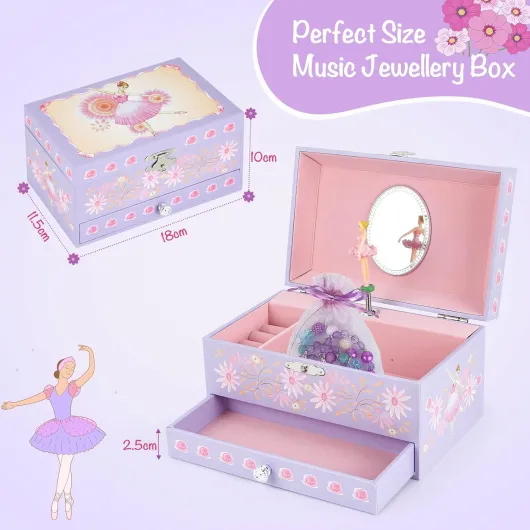
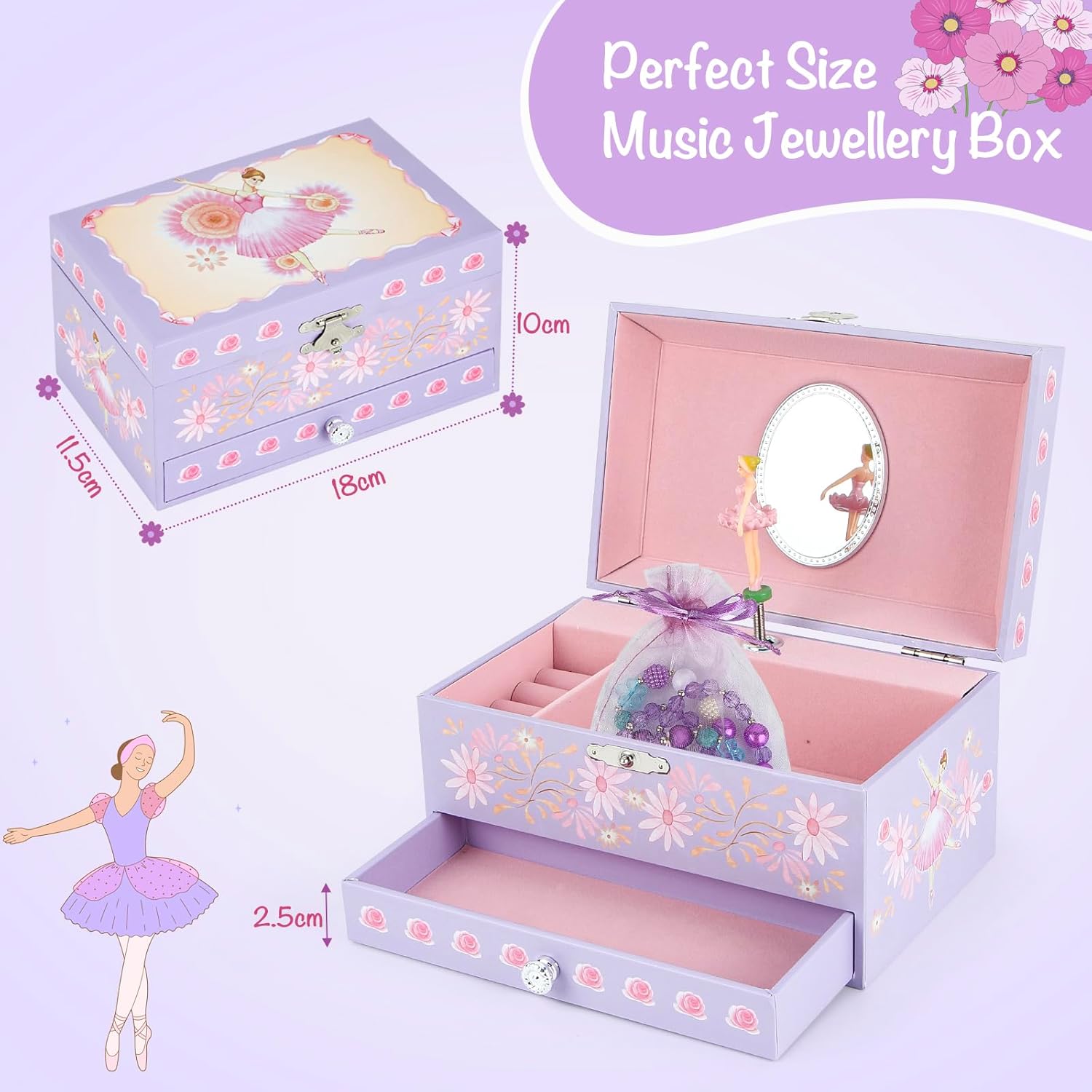
When planning purchases, think in terms of stock and rotation rather than impulse buys. Keep a small box where your child can see their pendants laid out, from the simplest chain to the most ornate gold and diamond design, and encourage them to choose intentionally each morning. This habit teaches them to evaluate each piece for mood, outfit color palette and activity level, which is exactly how professional stylists approach accessories.
As their taste matures, you can gradually introduce more refined pieces such as a slim yellow gold chain with a single diamond, a delicate rose gold pendant, or even a mini version of an iconic Tiffany design. One parent described how her daughter saved birthday money for a tiny heart in white gold, then wore it with everything from school uniforms to party dresses. The goal is not to chase every trend but to build a coherent, high quality collection that reflects your child’s evolving personality.
Caring for kids necklaces so they stay beautiful longer
Even the best necklaces lose their charm if they are not maintained carefully. Teach children a simple ritual: remove the necklace before sports, swimming or showering, wipe it gently with a soft cloth, then place it in a dedicated compartment. This habit protects yellow, white and rose gold finishes from unnecessary friction and keeps sterling silver from tarnishing too quickly.
Store each silver or gold piece separately so chains do not tangle and diamonds do not scratch softer metals. For mixed metal collections that include warm yellow designs, sparkling accents and plain silver chains, use small fabric pouches or divided boxes to keep items organised and easy to access. When a clasp loosens or a chain shows signs of stress, take it to a professional jeweller promptly rather than waiting for a break that could mean losing a favourite heart pendant or letter necklace.
Cleaning routines should match the material. Most sterling silver and yellow gold pieces respond well to a mild soap solution and a very soft brush, while jewelry with diamonds or intricate rose details may need occasional professional cleaning to restore full brilliance. Avoid harsh chemicals and ultrasonic cleaners for children’s jewelry unless a trusted jeweller confirms that the specific piece and stones can tolerate that level of treatment.
Balancing trends and timeless style in kids jewelry
Fashion forward children often gravitate toward whatever their peers are wearing, but the best necklaces balance trend and timelessness. A classic heart charm in yellow gold or sterling silver will outlast fleeting motifs, while a subtle diamond pendant can transition from childhood to early teen years with ease. When evaluating a new piece, ask whether it will still feel special when current cartoon themes fade from the playground.
Trends such as layered chain looks, bold yellow accents and oversized letter designs can be adapted thoughtfully for kids. Scale everything down: choose smaller links, lighter chains and modest diamonds so the jewelry supports rather than dominates the outfit. For inspiration, observe how adult collections from houses like Tiffany & Co. reinterpret icons such as Elsa Peretti designs season after season without losing their core identity.
Ultimately, the most successful kids jewelry collections reflect the child’s own narrative. Some will cherish a single gold necklace with a tiny heart worn daily, while others will rotate between several women inspired designs, from minimalist pendants to playful charm necklaces in rose gold. Guide them toward quality over quantity, prioritising safe materials, thoughtful proportions and pieces that feel meaningful enough to be worn, loved and eventually passed on.
Key figures on kids jewelry and necklace habits
- Data from the National Retail Federation’s 2022 and 2023 back to school reports show steady growth in spending on children’s accessories, including jewelry and necklaces, as families allocate more budget to kids personal style. The NRF reported average back to school spending of around $864 per household in 2022 and approximately $890 in 2023, with accessories representing a small but rising share of that total.
- The American Academy of Dermatology notes that nickel allergy is one of the most common contact allergies in children, which reinforces the importance of choosing hypoallergenic metals such as sterling silver and higher carat gold for kids necklaces. Published summaries from the AAD indicate that contact dermatitis related to nickel exposure affects an estimated 10% to 20% of the general population, with sensitisation often beginning in childhood.
- Market research summaries from Euromonitor International describe a gradual rise in fine jewelry purchases for children, including yellow and white gold pieces, as parents look for longer lasting products instead of purely costume accessories. Analysts link this shift to higher disposable incomes in many regions and a growing interest in gifting meaningful keepsakes for milestones such as birthdays, first communions and graduations.
- Surveys of parents reported in European retail studies highlight a strong preference for adjustable chain lengths in kids necklaces, citing safety and the ability to adapt the same piece from early childhood to preteen years. Respondents frequently mentioned that multi loop clasps and extender chains made it easier to balance comfort, visibility and reduced snagging risk as children grow.
Trusted sources
- National Retail Federation – annual back to school spending reports (2022, 2023)
- American Academy of Dermatology – public information on nickel allergy and contact dermatitis
- Euromonitor International – market analysis on children’s apparel and accessories