Top Indoor Slippers for Kids: Style, Support, and Everyday Comfort
Materials that keep little feet cozy without overheating
Material choice defines whether kids actually wear their slippers or abandon them under the bed. Natural fibers such as felted wool and shearling regulate temperature better than most synthetic shoes, which matters when children race around a warm house after school. For young fashion enthusiasts, this is where texture becomes a design language, turning simple kids house slippers into tactile accessories.
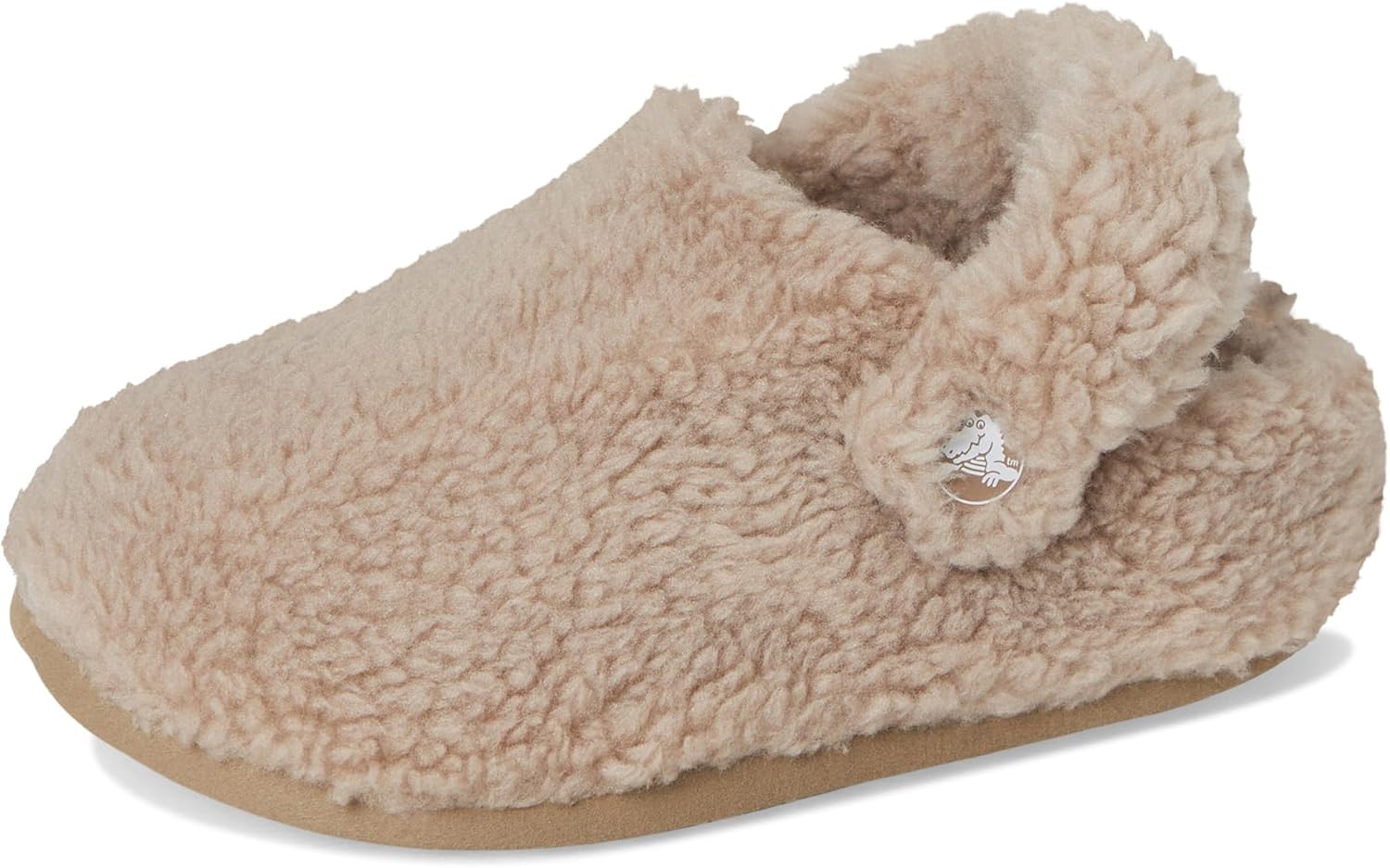
Felted wool slippers hug the feet with breathable warmth, while a shearling lining or full shearling upper adds plush volume that photographs beautifully for family portraits. Parents who love a polished look often choose a suede upper on a slipper, then line the interior with fleece or faux fur to keep the best indoor comfort without sacrificing a refined finish. When you compare models, gently press the upper and outsole together; if the materials spring back slowly, the memory foam or padding inside will likely feel cozy for longer wear.
Open toe silhouettes can work for older kids who want a breezy, spa inspired look, but closed toe slippers remain safer for toddlers who slip easily. For children who move between balcony and bedroom, indoor outdoor designs with a slim rubber outsole protect against cold tiles while still feeling light. When a girl borrows design cues from slippers women love, such as faux fur trims or shearling details, ensure the lining stays breathable so small feet do not overheat.
To coordinate with dressier outfits like party dresses or tailored shorts, some parents pair kids slippers with smarter footwear such as mini court shoes for special occasions that stay in the wardrobe until needed. The best indoor slippers then handle daily wear, while more structured shoes appear only for events, protecting growing joints from constant hard impact. This balance between soft house slippers and formal shoes keeps comfort at the center of every stylish look.
Structure, support, and how to read kids slipper construction
Under every stylish kids slipper lies a hidden architecture that decides whether the shoe feels good after hours of play. The best indoor slippers for children combine a cushioned insole, gentle arch support, and a stable outsole that resists twisting too far. When you hold a pair in your hands, try bending and twisting it; the midfoot should resist like a quality running shoe, not collapse like a toy.
Look for memory foam footbeds that contour to small feet without sinking so deeply that balance suffers, especially in slip ons that children kick off and on all day. A rubber outsole with light texturing grips wooden stairs and kitchen tiles, while a thinner rubber sole works well for carpeted bedrooms where traction demands are lower. For kids who copy men and women in the family, choose miniature versions of adult good moccasins or cozy house shoes, but always check that the heel cup holds the foot securely.
Some brands market plush shearling or women specific styles for adults, and parents sometimes size down for older children. That shortcut rarely works, because sizes women and sizes men follow different proportions than kids feet, so the arch support lands in the wrong place. Instead, search for kids specific house slippers that borrow the same suede upper, shearling lining, or felted wool upper from adult shoes, then scale the outsole and upper pattern to children’s anatomy.
Active kids who already run in performance sneakers benefit from similar stability principles in their indoor footwear, especially if they train or dance at home. You can apply the same evaluation criteria you would use for high quality running shoes for juniors, checking heel lockdown, midfoot structure, and forefoot flexibility. When the best indoor slippers echo this thoughtful construction, children move confidently from sofa to playroom without stressing growing joints.
Balancing fashion trends with practical sizing for kids
Trends in kids slippers often mirror adult fashion, from shearling boots to sleek faux fur slides. Style aware readers know that children watch what men and women wear at home, then request similar house shoes in miniature. The challenge lies in translating those trends into the best indoor slippers that still respect growth, sizing, and safety.
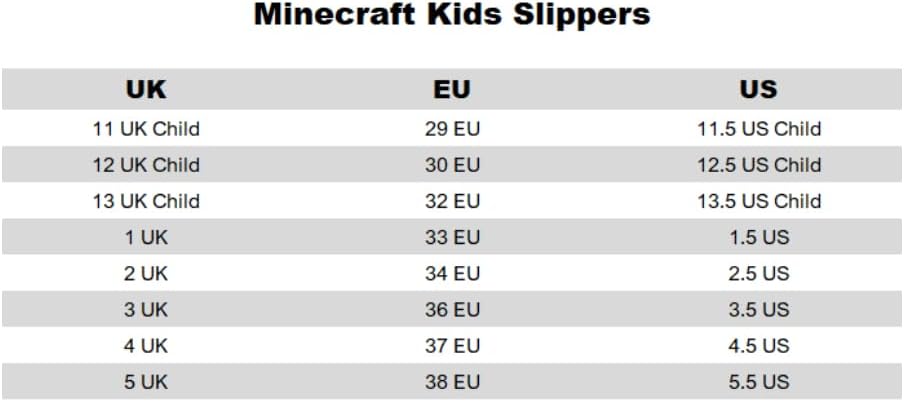
When choosing sizes women inspired silhouettes for tweens, resist the temptation to buy too large, because oversized slippers increase the risk of a slip on stairs. Aim for a thumb’s width of space at the toe, then check that the heel does not lift more than a few millimetres when the child walks. For open toe designs, ensure the toes do not hang over the edge of the outsole, since that can cause stubbing on furniture and door frames.
Parents who love coordinated family looks sometimes buy matching moccasins or similar good slippers for every member of the house. That can be charming, but children’s versions need softer fleece or shearling lining and a more flexible rubber sole than the adult pair. If you want a sharper aesthetic, consider pairing structured loungewear with refined indoor outdoor slippers, then reserve more technical footwear like a webbing belt and performance shoes set for sports outfits rather than home wear.
For kids who idolize older siblings, slippers women styles with faux fur straps or suede upper details can be adapted with safer closed backs. Boys often gravitate toward outdoor slippers aesthetics with rugged rubber outsoles, but for indoor use, choose a slimmer outsole that still looks sporty without adding weight. In every case, the best indoor slippers should let children express personality while keeping their stride natural and secure.
Comfort meets style in daily kids outfits at home
Home outfits for fashion conscious kids now rival streetwear in creativity, and the best indoor slippers complete these looks. A simple cotton set becomes editorial ready when paired with felted wool house slippers in bold colours or graphic patterns. For colder months, shearling or fleece lined slip ons add sculptural volume that balances oversized knitwear and quilted gilets.
When styling, think of slippers as shoes that anchor the silhouette, not as an afterthought. Chunkier moccasins with a suede upper and shearling lining work beautifully with wide leg joggers, while slimmer house shoes with a low profile rubber outsole flatter leggings and ribbed tights. For warmer days, open toe indoor outdoor slippers with faux fur straps can echo the softness of a fluffy cardigan, though younger kids still benefit from closed toes for protection.
Colour coordination matters for young style leaders who notice every detail. Match neutral slippers women inspired shades like sand, stone, or cocoa to minimalist loungewear, then reserve brighter pairs for playful prints and cartoon motifs. When a child owns more than one pair of the best indoor slippers, rotate them by activity; a memory foam lined pair for reading corners, a rubber sole pair for kitchen help, and a felted wool pair reserved for calm evenings.
Parents sometimes underestimate how much time kids actually wear their slippers during weekends and holidays. That long duration makes arch support and breathable uppers non negotiable, especially for children who already use structured shoes for school. By treating house slippers with the same respect as outdoor shoes, you help young fashion lovers understand that true style always includes comfort and care for their feet.
Care, longevity, and when to replace kids indoor slippers
Even the best indoor slippers lose performance over time, especially under the energy of active children. Style driven families can treat slipper care as part of the daily ritual, teaching kids to respect their shoes as they would a favourite jacket. Regular maintenance keeps both cozy comfort and sharp aesthetics intact.
Start by checking the outsole every few weeks; if the rubber outsole or rubber sole has worn smooth, traction on stairs and tiles will suffer. Inspect the upper for thinning felted wool, matted faux fur, or cracked suede upper panels, because these signs show that the slipper no longer supports the foot properly. Memory foam insoles also compress with use, so if a child complains that house shoes feel flat or hard, it is time to replace that pair.
Washing instructions depend on materials, and ignoring them can ruin even high quality slippers. Felted wool and shearling lining usually prefer gentle hand washing and air drying, while many fleece lined slip ons tolerate a delicate machine cycle inside a laundry bag. Always reshape the upper while damp, then let the slippers dry away from direct heat so the outsole does not warp.
Rotation extends lifespan, so owning two pairs of house slippers often proves more economical than replacing one overused pair. One set of indoor outdoor slippers can handle quick trips to the garden or balcony, while a softer pair stays strictly inside the house. By monitoring fit, cushioning, and grip, parents ensure that kids always wear good slippers that support healthy growth and keep every home outfit looking intentional.
Key figures about kids indoor footwear and foot health
- Guidance from pediatric podiatry associations in Europe and North America suggests that children can spend more than six hours per day in house shoes during colder months, which makes the structural quality of the best indoor slippers as important as their school shoes. For example, the American Podiatric Medical Association (APMA) notes that prolonged wear of poorly structured footwear can contribute to discomfort and overuse issues in growing feet (see APMA educational resources, accessed 2024).
- Data summarized by the American Podiatric Medical Association (APMA) indicate that around one third of foot and ankle injuries in young children occur on stairs at home, highlighting the need for slippers with a secure fit and a non slip rubber outsole (APMA public injury prevention briefs, 2023 overview).
- Consumer surveys in Europe, such as a 2022 multi country poll by a major children’s footwear retailer, show that parents replace kids slippers on average every eight to ten months, yet podiatrists often recommend checking fit and cushioning every three to four months for fast growing feet.
- Market data from footwear industry reports, including a 2023 European home footwear review, reveal that indoor outdoor slipper styles now represent a significant share of children’s home footwear sales, reflecting families’ desire for versatile shoes that move between house and garden.
Typical replacement timeline for kids slippers: under 5 years old, review every 3–4 months; ages 6–9, review every 4–6 months; tweens and early teens, review every 6–12 months or after a noticeable growth spurt.