Safe materials first: metals and closures for sensitive ears
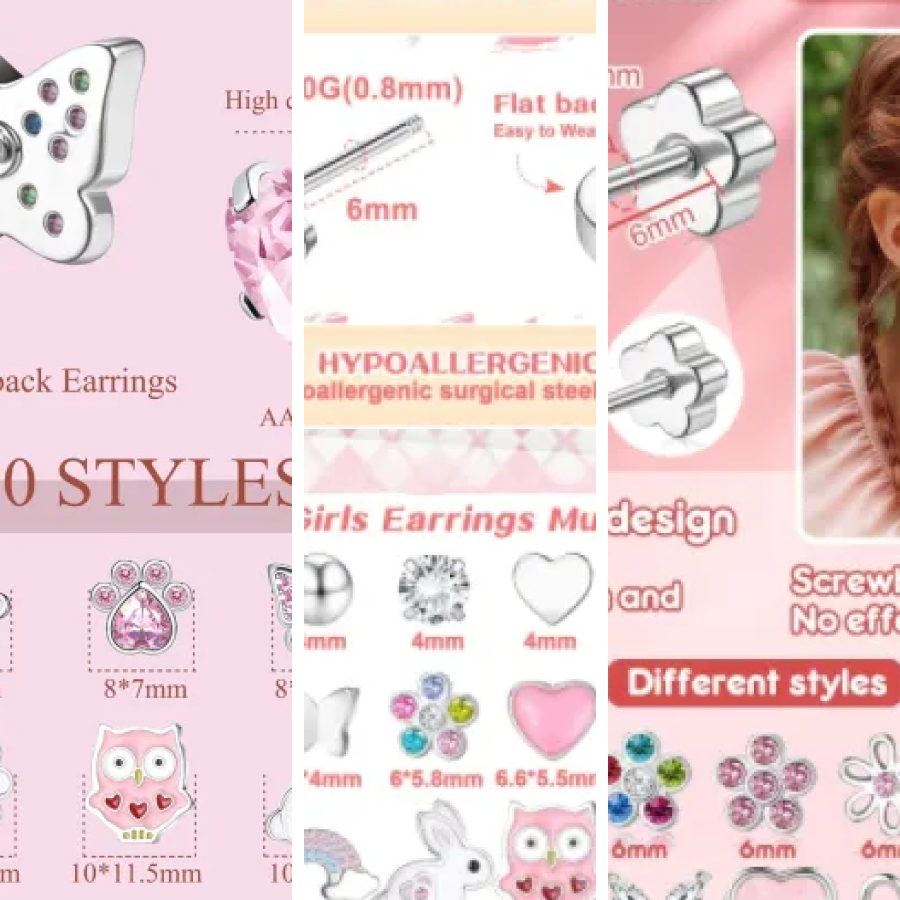
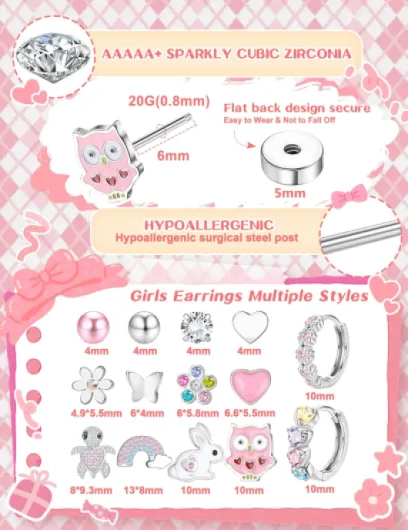
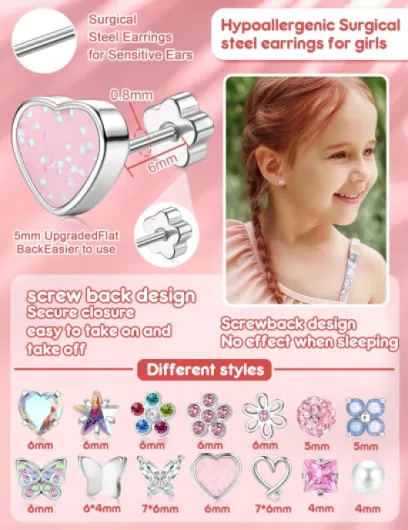
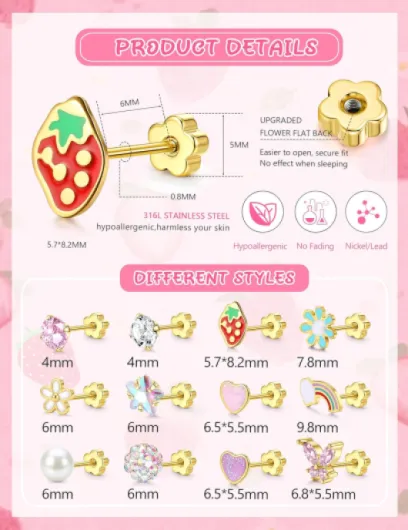
Before thinking about sparkle, parents should focus on materials that protect sensitive ears from day one. The safest best earrings for kids usually come in medical grade stainless steel, high quality sterling silver, or solid yellow gold and white gold with low nickel content. These metals reduce allergic reactions while still allowing a refined, fashion forward finish.
For children who dream of earrings diamond designs, lab grown stones set in hypoallergenic earrings are often wiser than heavy natural diamonds, because they are lighter and more affordable if a piece is lost at school. Lab grown diamonds offer the same visual brilliance as mined stones, so a diamond stud or diamond huggie can look luxurious without compromising comfort or budget. Industry reports from major jewellery trade associations have documented double digit annual growth in lab grown diamond sales, including youth collections, as parents look for ethical and cost effective options. When parents choose lab grown options, they also support more transparent sourcing practices that align with modern ethical expectations.
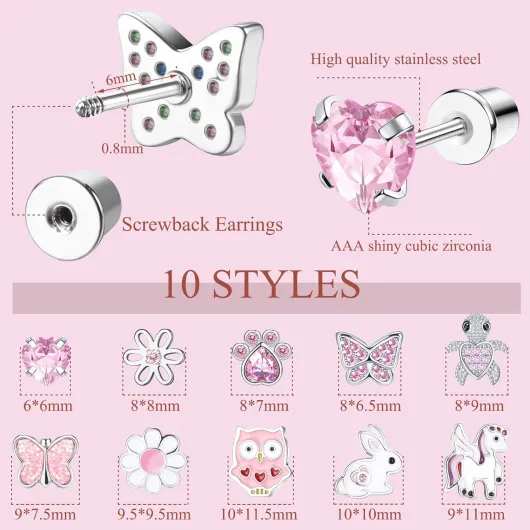
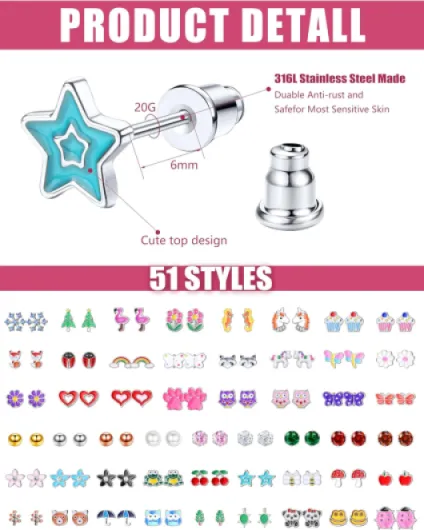
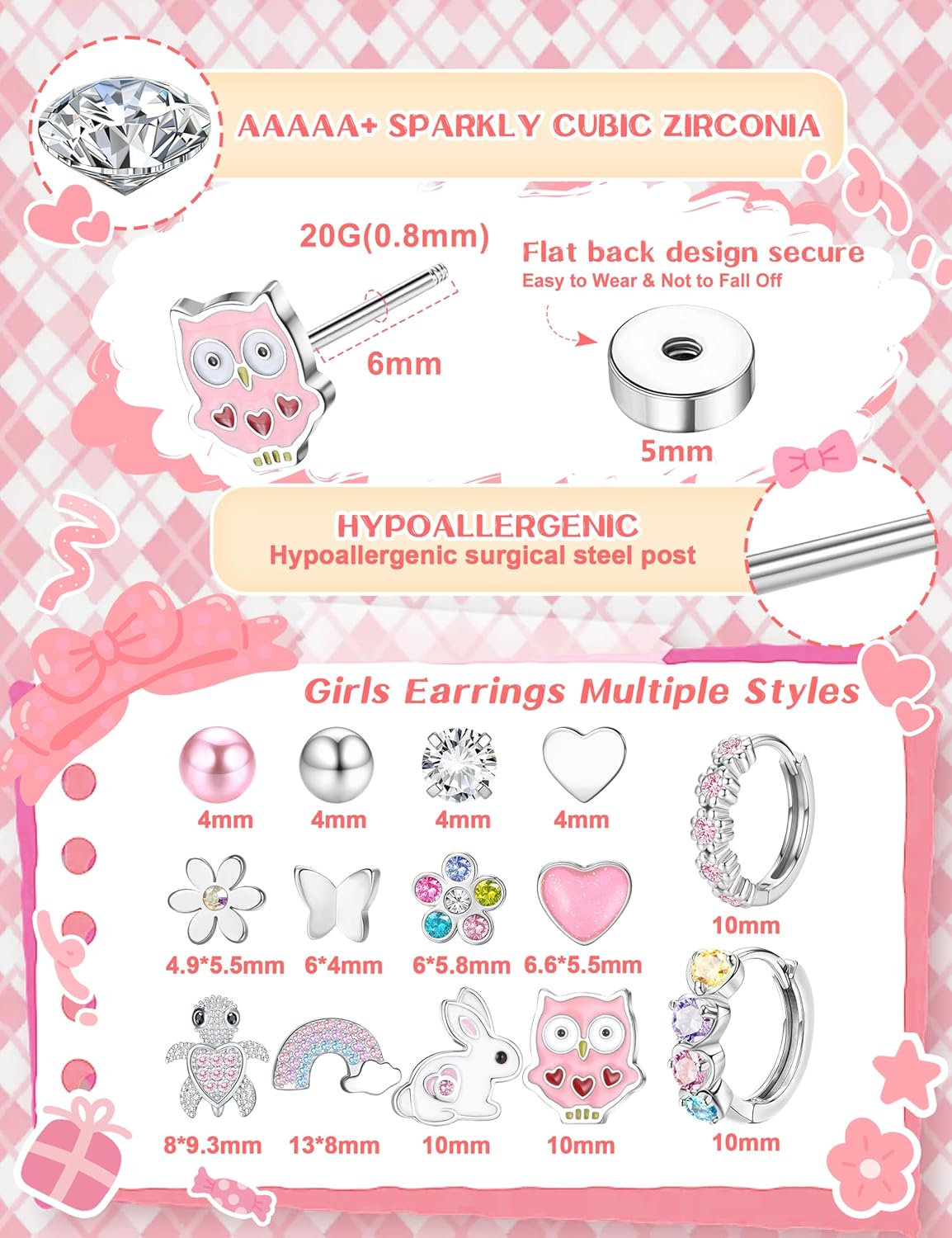
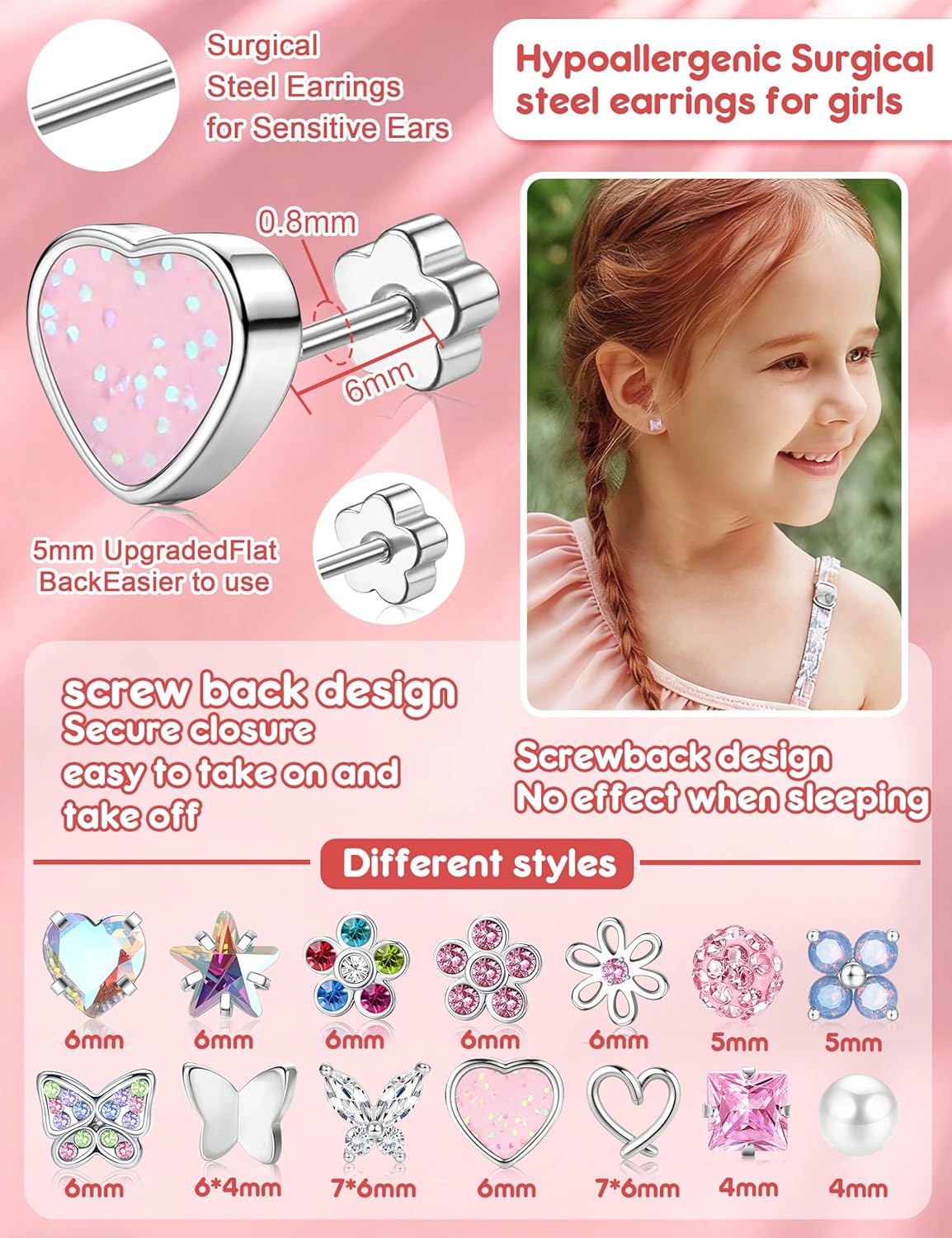
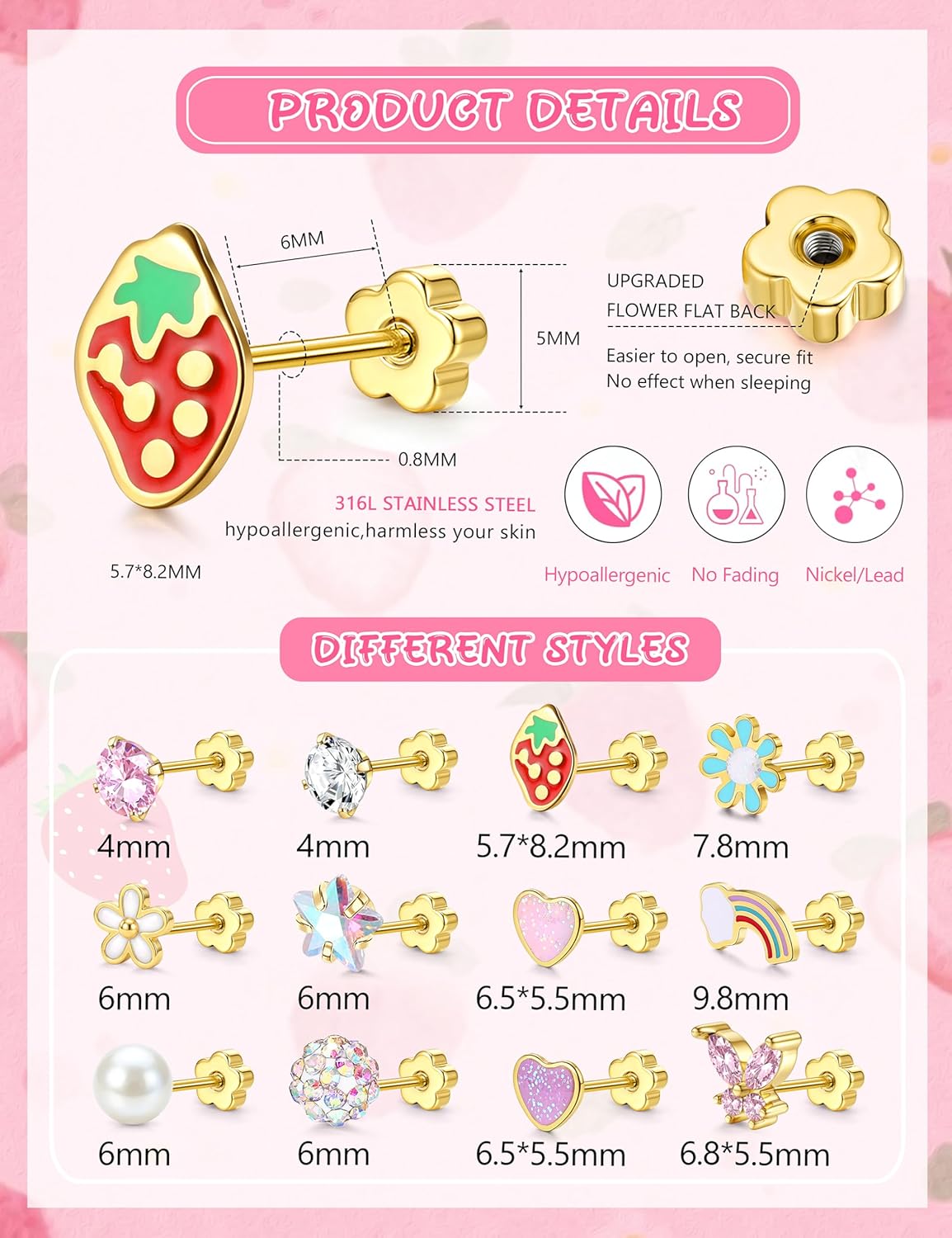
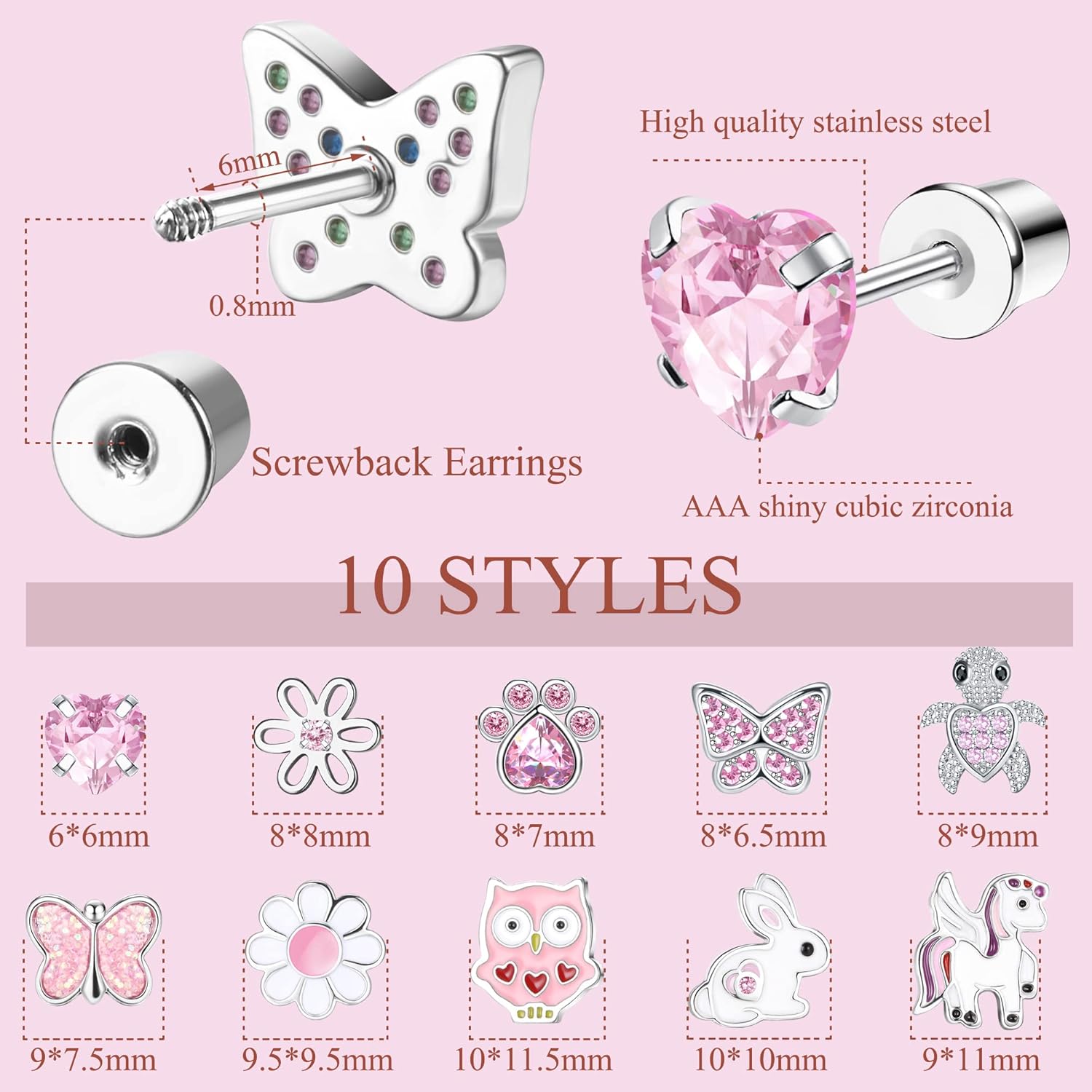
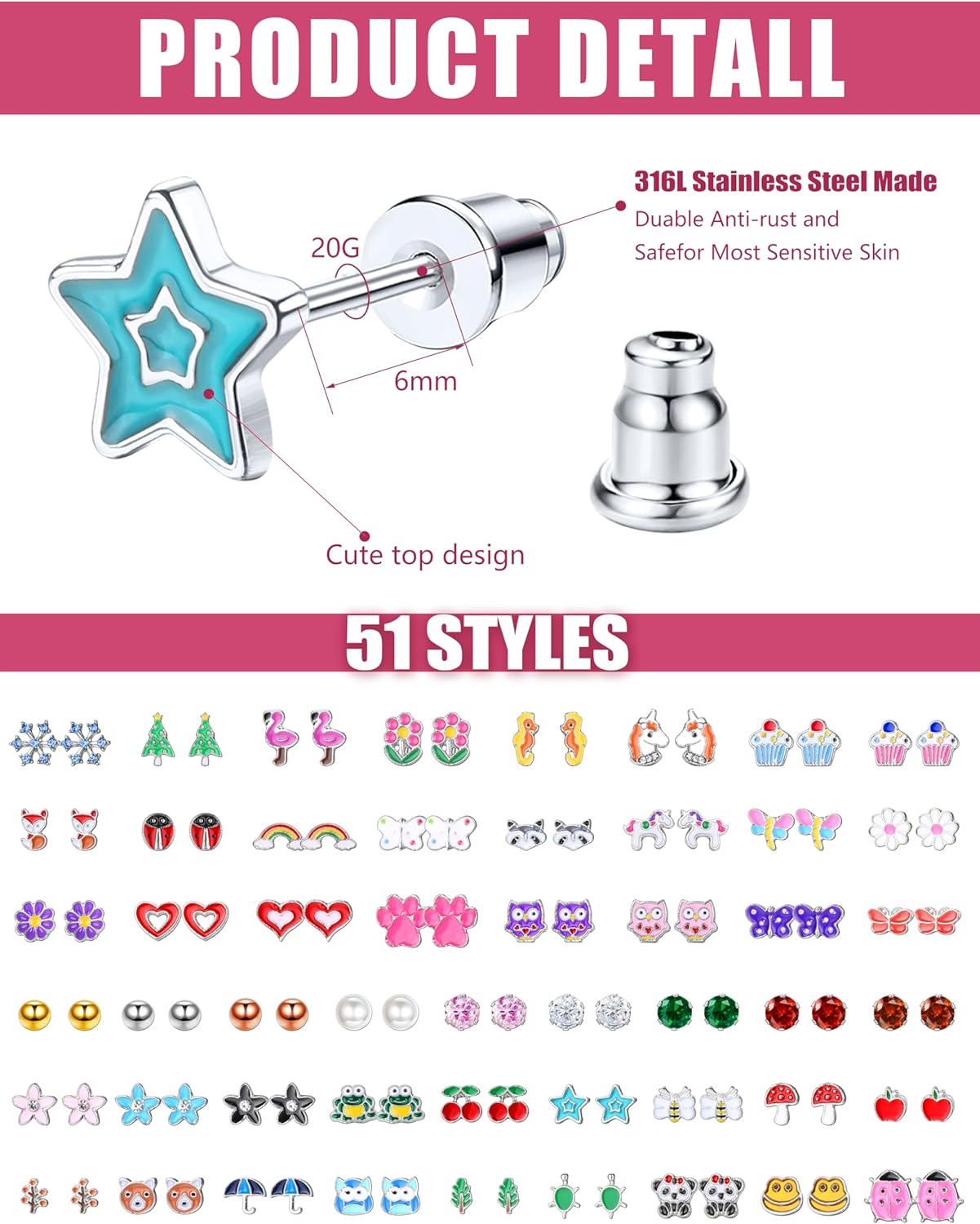
Closures matter as much as metals, especially for active kids who run, jump, and play all day. Screw back stud earrings and secure huggie hoops stay close to the lobe, while mini hoop earrings with smooth edges avoid snagging on scarves or school uniforms. Flat back studs are another strong option, because they sit comfortably under helmets, beanies, and hoodies without poking delicate skin. Many professional piercers recommend starter jewellery in a standard 20–18 gauge thickness with a post length of around 6–8 mm, so the ear can swell slightly without the backing pressing into the skin.
Shapes and sizes: from mini studs to bold hoops for kids
Once safety is secured, the next step is choosing shapes and sizes that suit a child’s lifestyle and face. The best earrings for school days are usually subtle stud earrings or tiny huggie hoops that sit close to the ear and never distract in class. Mini studs in silver, yellow gold, or white gold can echo the colours of a uniform while still feeling playful.
For weekends and parties, small hoops and hoop earrings with gemstone accents or pave diamond details add movement without overwhelming a young face. A single stud earring in one lobe paired with a slim hoop in the other can create a fashion forward asymmetry that older kids adore, especially when styled with structured jackets or even a borrowed grown up accessory like a neat belt or mini handbag. Parents should check that every hoop has a smooth interior and rounded edges, because sharp corners can scratch delicate skin during play.
Children who love drama might gravitate towards bold designs, but scale is crucial to keep proportions flattering. A bold gemstone hoop or pearl drop earring should never extend below the jawline on a child, otherwise it drags the face downward and feels costume like. Many paediatricians and piercers suggest keeping total earring weight under about 2–3 grams per ear for younger children to avoid stretching the lobe. Keeping length under 2 centimetres usually preserves a classic silhouette while still letting colour and sparkle shine.
Styling earrings with kids outfits: colour, texture, and balance
Thoughtful styling turns the best earrings into the quiet heroes of a child’s outfit. When a dress or sweatshirt already features bold prints and saturated colours, classic stud earrings in white gold or sterling silver keep the look refined and avoid visual overload. A single diamond stud in each ear can echo the tiny sparkles on sneakers or hair clips without competing for attention.
On simpler outfits such as monochrome tracksuits or denim and tee combinations, parents can introduce bolder gold earrings designs with gemstone or pearl accents to create a focal point. Pearl earrings in mini sizes feel especially charming with cotton dresses, while a pair of small hoops with pave diamond details can elevate a plain hoodie into something street style worthy. For kids who love coordinated looks, matching the metal tone of their studs or hoops with zips, buttons, or even slip on shoe hardware creates a polished, editorial finish.
Colour theory helps too, even at a young age, because children quickly understand how tones interact. White metals such as silver and white gold flatter cool skin tones and pastel wardrobes, while yellow gold and yellow gold plated pieces glow against warmer complexions and earthy colours. Mixing metals in one ear stack, for example a sterling silver huggie with a yellow gold stud earring, can feel modern and playful when repeated subtly in belt buckles or bag hardware.
Building a mini jewellery wardrobe: from best seller studs to special occasion pieces
A strategic approach to shopping helps parents avoid random impulse buys and instead build a coherent mini jewellery wardrobe. Start with two or three best selling basics such as tiny sterling silver studs, classic yellow gold stud earrings, and a pair of slim hoop earrings in a neutral metal. These pieces work with school uniforms, sports kits, and weekend outfits, giving children reliable options they can reach for every morning.
Next, add personality pieces that reflect the child’s interests, such as gemstone studs in their birthstone or pearl drop earrings for young ballet lovers. A diamond huggie or small hoops with pave diamond accents can become a treasured best seller in the family, passed down between siblings for birthdays and recitals. When parents shop during a well curated sale at a trusted jewellery shop, they can often secure higher quality earrings diamond designs at more accessible prices.
Special occasion pieces deserve their own small box, so children learn to treat them with care and understand the difference between everyday and event dressing. A pair of white pearl earrings in mini size, a delicate gold earring set with a single diamond stud, or a bold gemstone hoop reserved for weddings and ceremonies can all live in this category. Teaching kids to clean their studs and hoops gently after each wear also reinforces respect for craftsmanship and prolongs the life of every selling earrings favourite. A soft, lint free cloth and mild soapy water are usually enough for routine cleaning, while intricate pave settings may benefit from an occasional professional check.
Care, hygiene, and teaching kids to wear earrings responsibly
Even the best earrings can cause trouble if hygiene is neglected, especially with freshly pierced ears. Parents should clean new piercings twice daily with saline solution and ensure that hypoallergenic earrings remain in place for the full healing period recommended by professional piercers, typically 6–8 weeks for standard lobes. During this time, only smooth stud earrings or tiny huggie hoops in medical grade metals should be worn to minimise friction.
Once ears are healed, children can rotate between studs, hoops, and pearl drop designs, but they still need guidance on when to remove jewellery. For contact sports, swimming lessons, or school activities with strict rules, it is safer to take off all earrings, including small hoops and diamond stud pieces, and store them in a labelled pouch. Parents can use these routines to teach responsibility, asking kids to check that each stud earring back is secure and that no hoop earrings are loose before leaving home.
Regular maintenance keeps metals bright and stones secure, preserving both style and safety. Sterling silver and white gold benefit from gentle polishing with a soft cloth, while yellow gold and earrings diamond settings should be inspected occasionally for loose prongs. By involving children in this care ritual, parents turn jewellery into a lesson about value, patience, and the joy of looking after their own best selling accessories. Many families find that setting a monthly “jewellery check” alongside shoe cleaning or uniform prep helps build consistent habits.
Key figures on kids earrings and ear health
- Paediatric dermatologists note that minor infections are a common complication of new piercings, with some clinical reviews estimating local irritation or infection in up to 20–30% of cases when aftercare is inconsistent. This underlines the importance of hypoallergenic earrings and proper cleaning routines.
- Nickel allergy is one of the most frequent contact sensitivities seen in children, and European surveillance data suggest that around 8–10% of school age kids may show some sensitivity. This makes nickel free sterling silver, white gold, and yellow gold especially relevant for sensitive ears.
- Industry reports from jewellery trade associations highlight strong growth in lab grown diamonds for youth collections, with several surveys reporting that more than half of new diamond brands now offer at least one lab grown line. This reflects parents’ interest in ethical and cost effective options.
- Retail data from children’s accessory brands consistently shows that small hoops and mini stud earrings are among the most popular best seller items in kids jewellery, confirming their practicality for school and play.