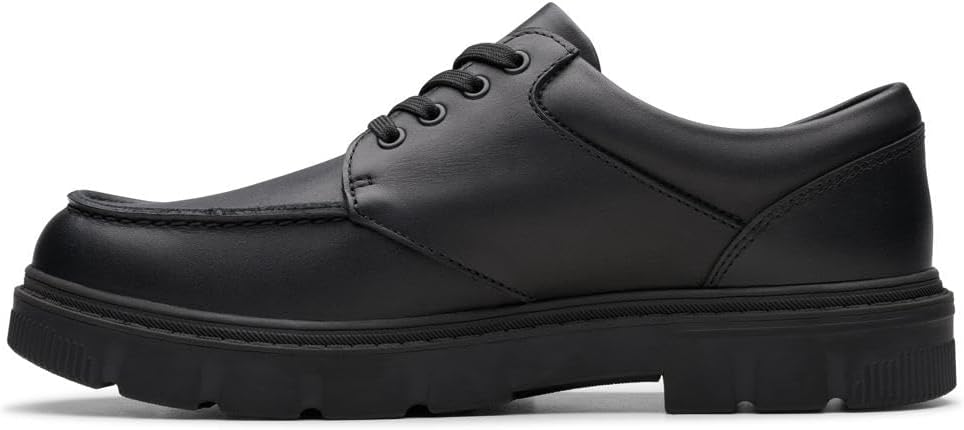
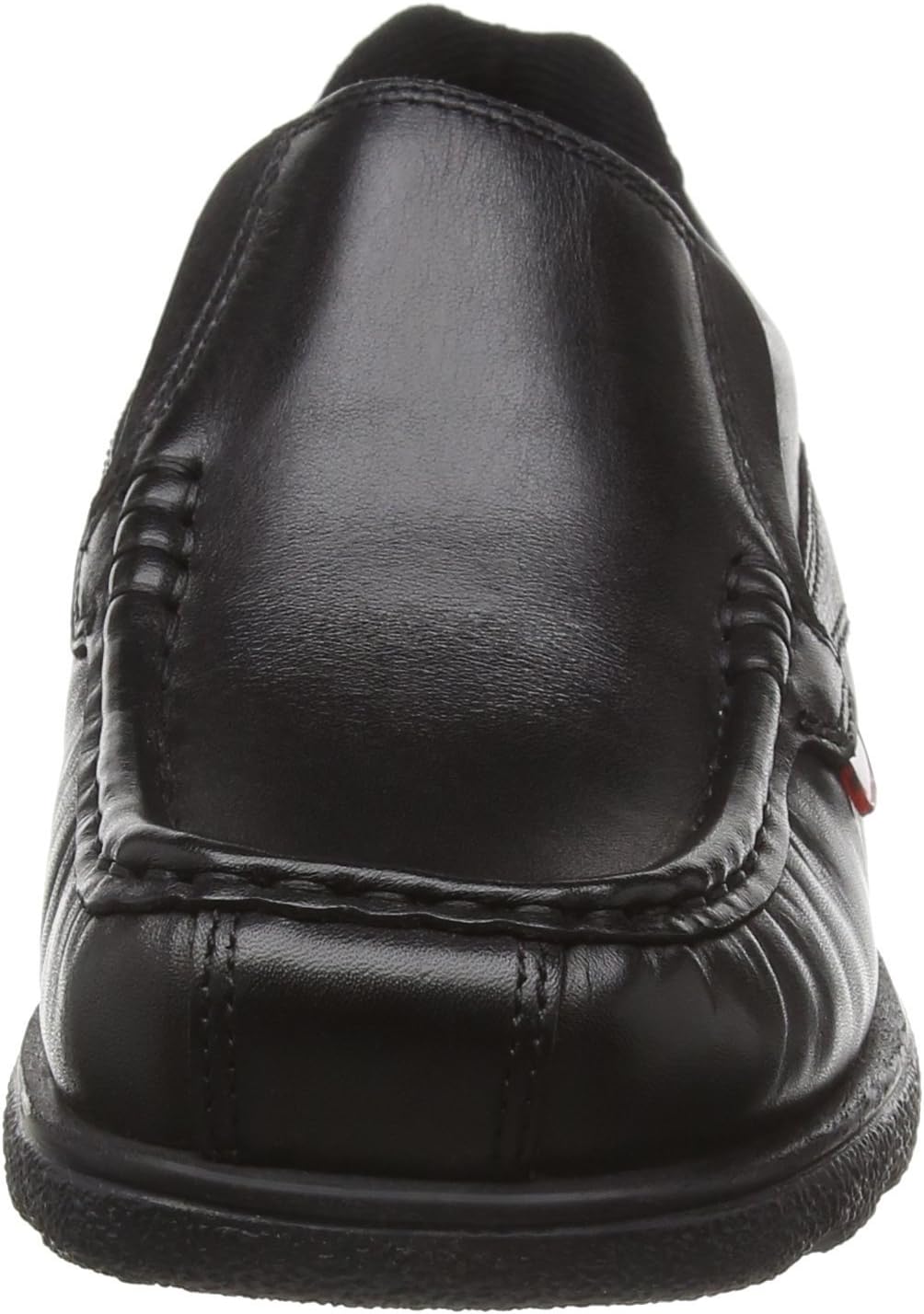
The best loafers for kids: how stylish children wear them every day
Key materials and constructions that define quality footwear for kids
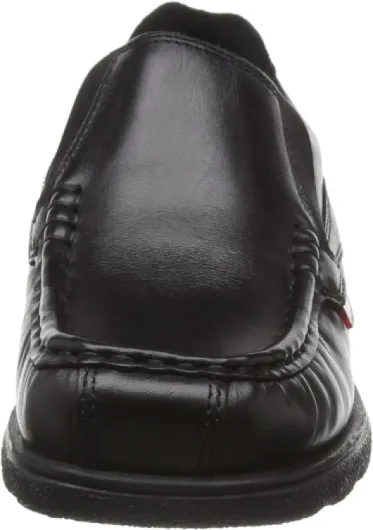
Material choice determines whether children actually enjoy wearing what adults call the best loafers. Soft full grain leather feels gentle from the first wear, while supple suede wraps the foot like a glove and quickly becomes a favorite shoe for sensitive kids. When brands use unlined constructions in the forefoot, the loafer bends more easily, reduces rubbing on tiny toes, and feels less stiff during the break-in period.
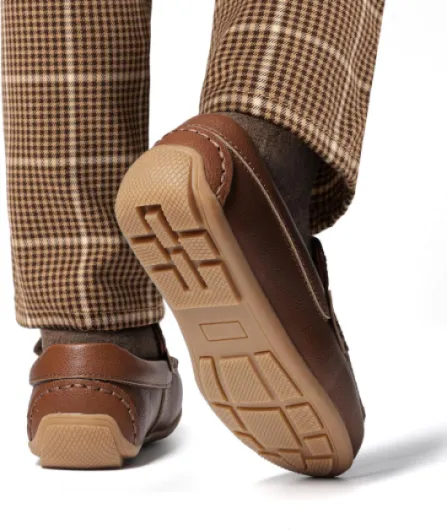
Parents who care about quality footwear should look for details such as a stitched leather sole or even a miniature Goodyear welt, because these features signal durability and potential repairability. Some family owned makers now offer Goodyear welted kids loafers, shrinking traditional craftsmanship into child friendly proportions without sacrificing quality. If your child is a constant traveler between playground, classroom, and piano lessons, this level of construction helps each pair last through intense daily wear and occasional growth spurts.
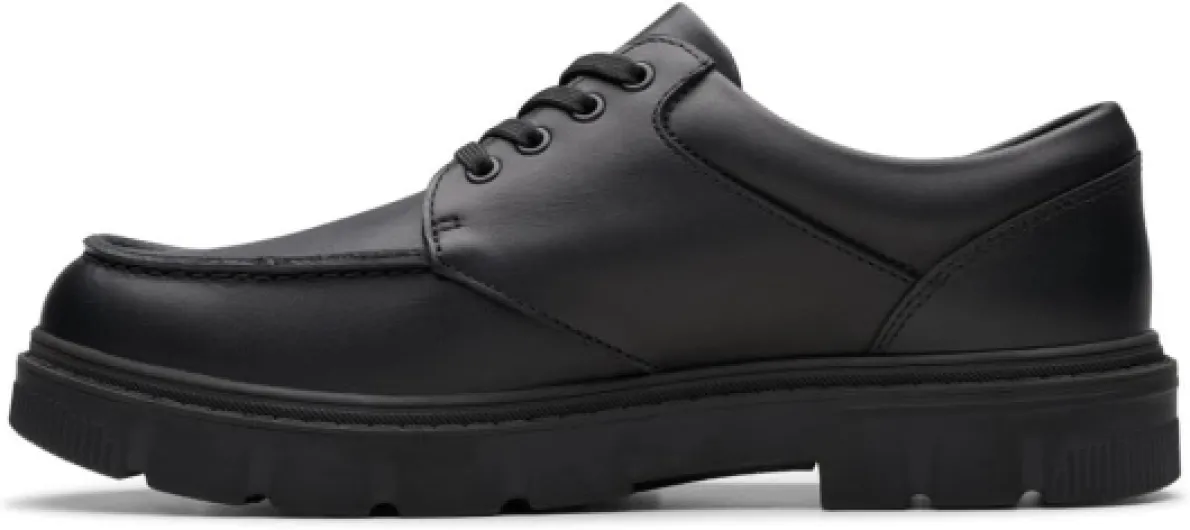
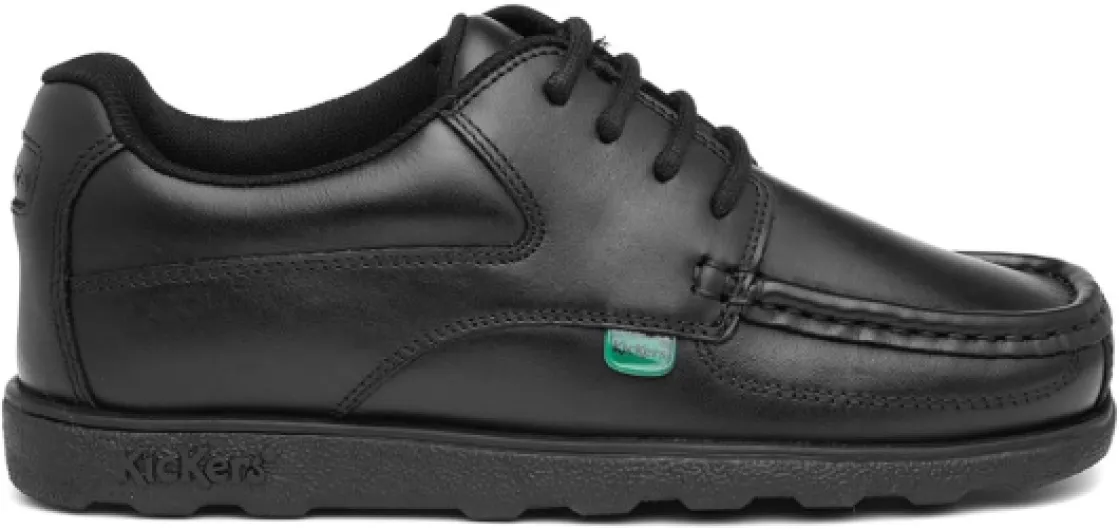
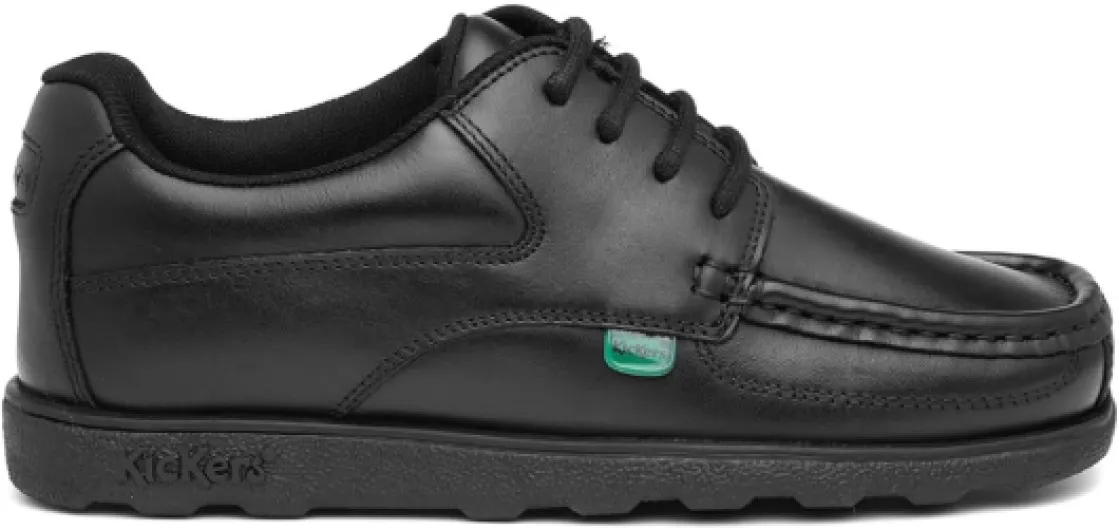
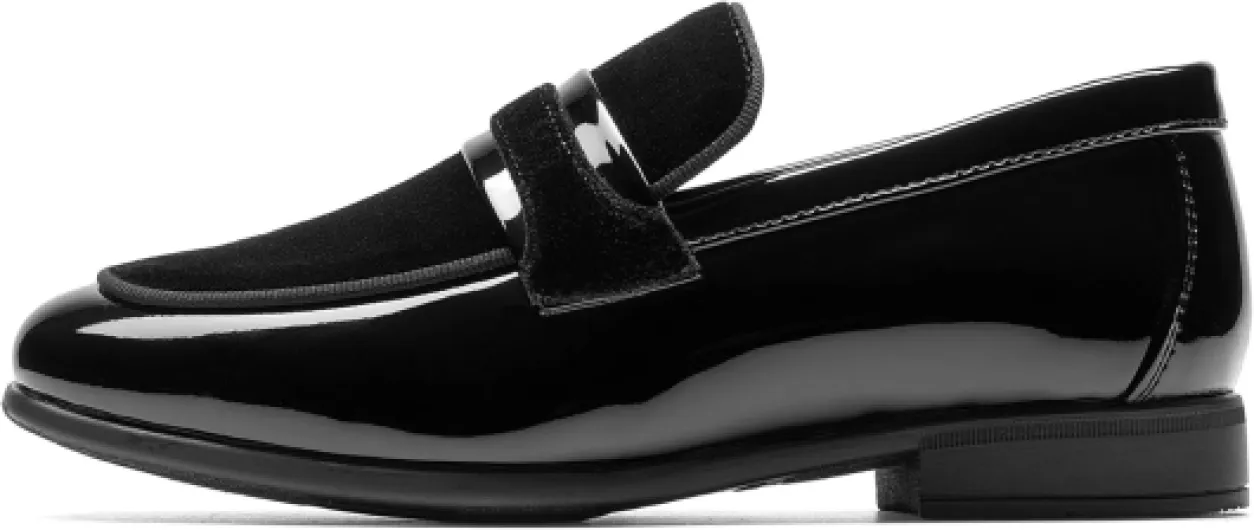
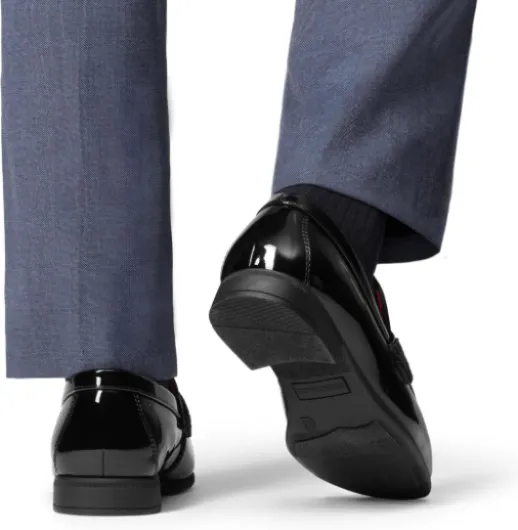
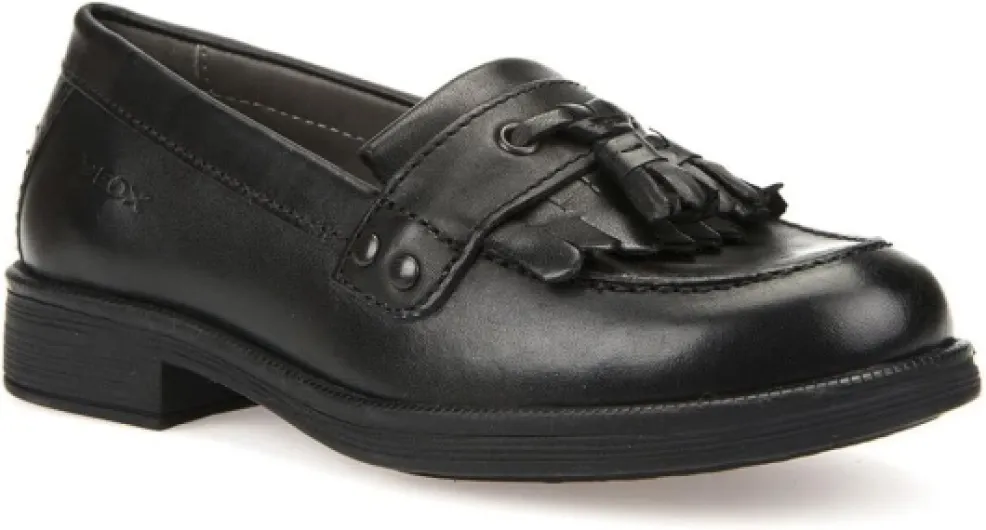
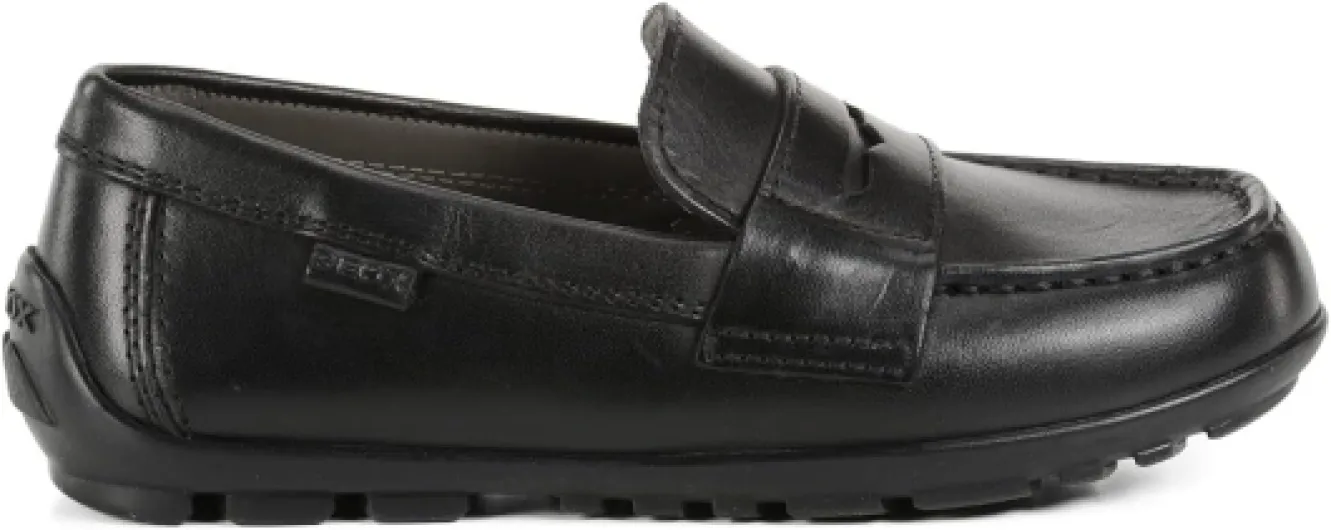
For dressy occasions, black suede tassel loafers or polished leather loafers with a penny strap feel luxurious yet still age appropriate. On more casual days, an unlined suede loafer with a flexible sole lets kids wear loafers with denim, leggings, or even joggers. To balance footwear with accessories, consider pairing refined loafers with delicate kids earrings, and use a curated guide such as the best children’s earrings selection to keep the overall look harmonious and safe.
Styling loafers with kids accessories for everyday outfits
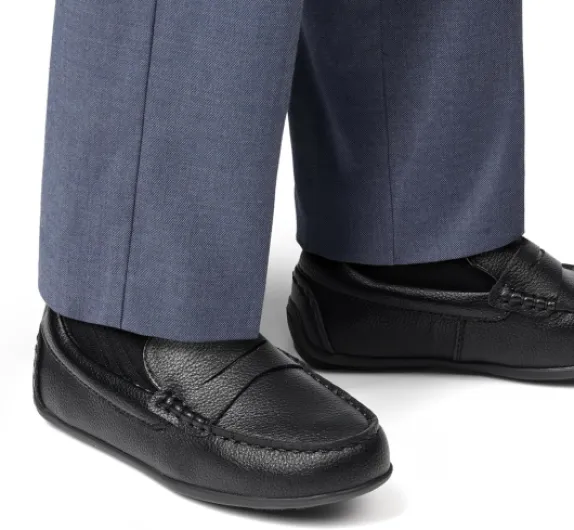
Styling the best loafers for kids starts with understanding proportion and playfulness. A sleek venetian loafer with a gently almond shaped toe works beautifully with cropped trousers, while a chunkier penny loafer balances wide leg culottes or pleated skirts. When the shoe shape and clothing volume align, the whole outfit feels intentional rather than improvised, even on rushed school mornings.
Accessories help young fashion lovers express personality around a relatively classic shoe. A slim scarf, a structured mini backpack, and a pair of loafers in soft suede can turn a simple T shirt and jeans into a chic casual uniform. For cooler days, coordinate the color of leather loafers or black suede loafers with a wool beanie or gloves, then add a patterned neck accessory from a curated list such as the top scarves for kids to tie the palette together.
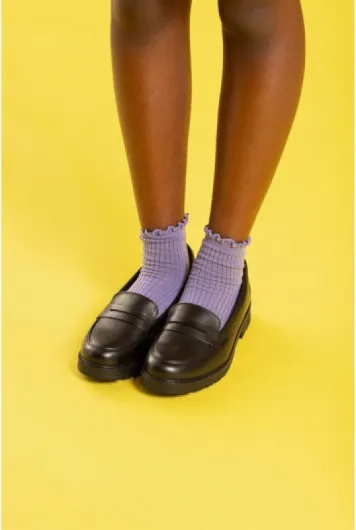
Parents sometimes worry that loafers look too formal for children, yet the right styling keeps them relaxed. Mix tassel loafers with striped socks, rolled chinos, and a denim jacket to soften the formality of the shoe. For dressier events, a horsebit loafer in polished leather paired with a crisp shirt and subtle jewelry lets kids feel grown up without sacrificing comfort or age appropriate charm.
From playground to parties : when and how kids should wear loafers
Knowing when children should wear loafers helps families get full value from every pair. For school days with smart casual dress codes, a penny loafer or venetian loafer in dark leather works as a reliable uniform shoe. On weekends, the same loafers can shift into relaxed mode when styled with graphic tees, soft knits, and playful accessories that make the outfit feel less formal.
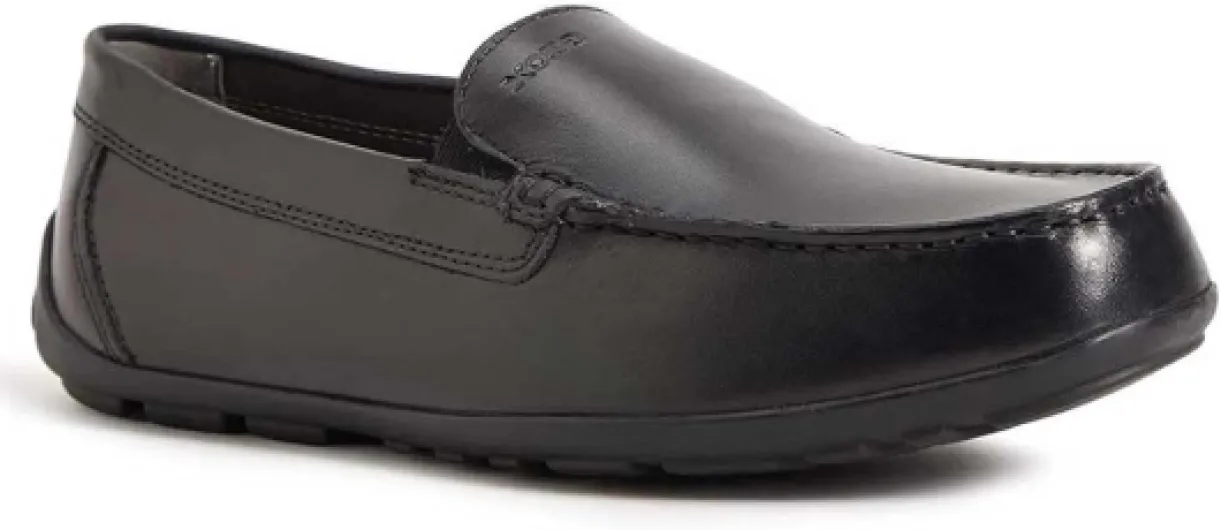
For travel days, a traveler penny loafer offers a clever balance of structure and ease. This type of traveler focused shoe usually has a cushioned insole, a flexible leather sole or rubber insert, and an unlined upper that adapts to swelling feet during long journeys. Kids can slip this footwear on and off at airport security, then walk comfortably through terminals without switching shoes or carrying extra pairs.
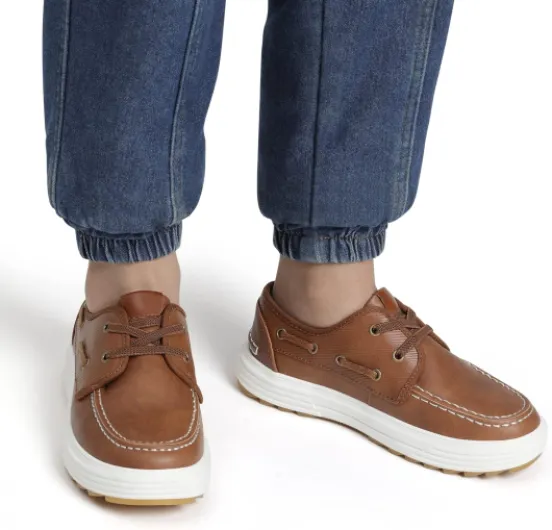
Outdoor parties and seaside holidays call for more casual interpretations of the best loafers. Hybrid boat shoes with loafer inspired uppers give children grip on wet surfaces while still looking polished in photos. When families move between city sightseeing, beach walks, and restaurant dinners, packing one high quality pair of loafers and one pair of boat shoes often covers every scenario without overloading the suitcase.
How to choose and buy the best loafers for growing feet
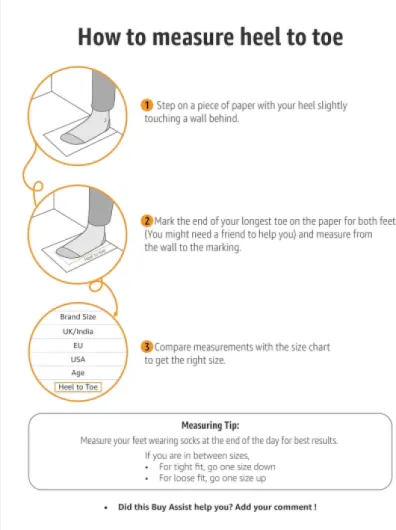
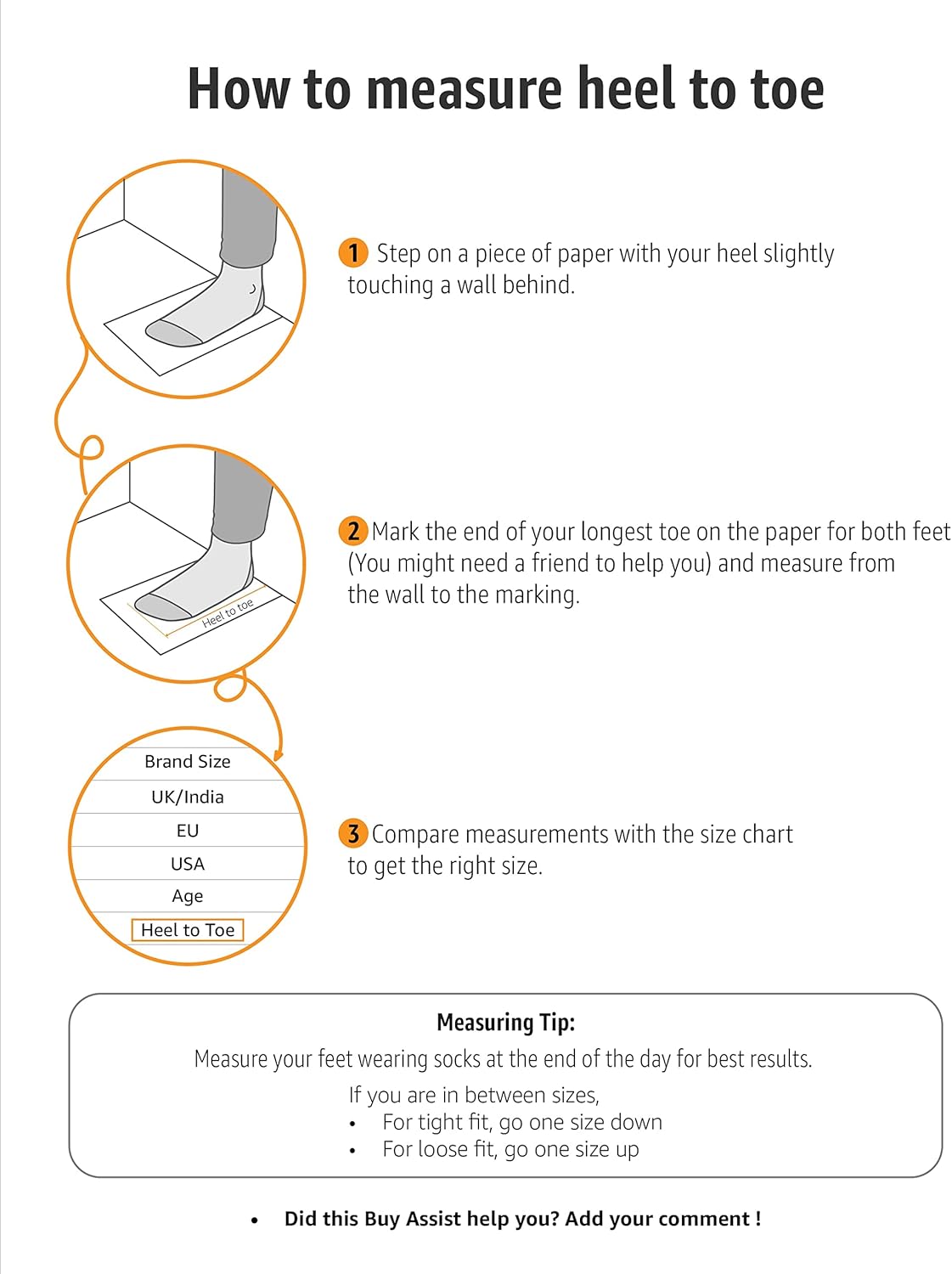
Selecting the best loafers for kids means balancing growth room, support, and style. Always measure both feet in the afternoon, because children’s shoe size can change slightly during the day. Aim for about 1 cm of space in front of the longest toe, enough for growth but not so much that the shoe slips or causes blisters.
When you buy loafers, check that the heel grips securely while the forefoot can flex naturally. Ask your child to walk, run, and even hop in the shoe, watching how the leather or suede creases across the vamp. If the loafer gapes at the sides or the penny strap digs into the instep, try another brand or an unlined version with softer edges and a more forgiving fit.
Parents who shop online through platforms such as Net a Porter or children’s specialist boutiques should read product descriptions carefully, especially mentions of Goodyear welt or Goodyear welted construction. These terms indicate a stitched sole that can sometimes be resoled, extending the life of quality footwear and making the higher price more reasonable. Some retailers may earn commission through affiliate links when you purchase kids loafers, so always read the disclosure and keep your focus on fit, materials, and whether your child genuinely wants to wear loafers regularly.
Caring for kids loafers and building a mini capsule wardrobe
Proper care turns a single pair of kids loafers into a long term style ally. Teach children to brush off dust from suede and wipe leather loafers with a soft cloth after each wear. This simple ritual keeps the shoe surface clean, slows visible wear, and helps young fashion fans respect their footwear.
For leather styles, use a gentle cream to nourish the upper and protect the leather sole from drying out. Black suede loafers benefit from a dedicated suede brush and occasional waterproof spray, especially for kids who love to run through damp grass or puddles. Rotating between at least two pairs of shoes, such as tassel loafers for dressy days and more casual boat shoes for play, allows each pair to rest, dry fully, and maintain its shape.
When building a capsule wardrobe around the best loafers, start with one classic penny loafer in a neutral shade and one more expressive tassel loafer or horsebit loafer in a bolder color. Add high quality basics like well cut trousers, soft undershirts from guides such as the top kids undershirts selection, and a few standout accessories. Over time, this thoughtful mix lets young travelers and homebodies alike style loafers in multiple ways without needing an overflowing closet.
Key figures on kids footwear and loafers
- Industry reports suggest that the global children’s footwear market generates tens of billions of euros in annual sales, with premium segments such as leather loafers and dress shoes often growing faster than basic mass market sneakers.
- Professional podiatry associations frequently note that many adult foot problems can be traced back to poorly fitted childhood shoes, which highlights why choosing high quality loafers with proper toe room and support matters for long term comfort.
- Surveys from footwear trade bodies indicate that parents who invest in better quality shoes may buy fewer replacement pairs each year, which can offset the higher initial price of Goodyear welted or leather sole styles over time.
- Data shared by several European family owned shoe brands suggests that well maintained children’s loafers can often be comfortably worn by at least two siblings in succession, effectively reducing the cost per wear for many families.