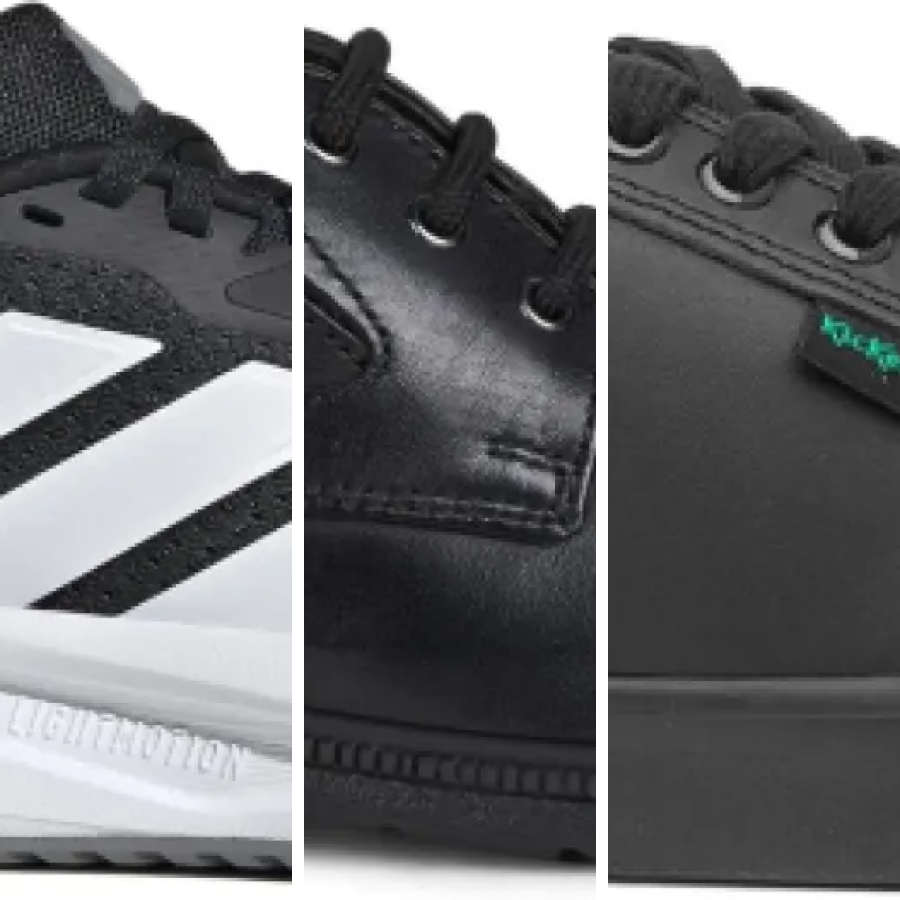
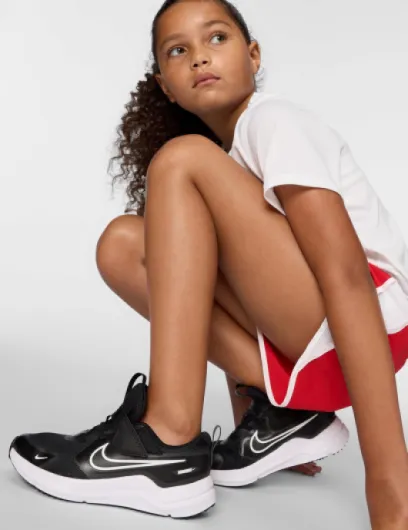
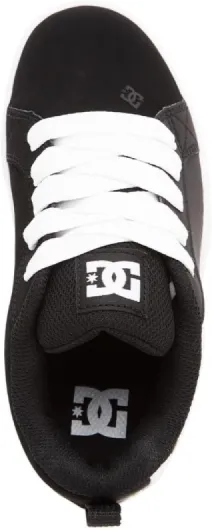
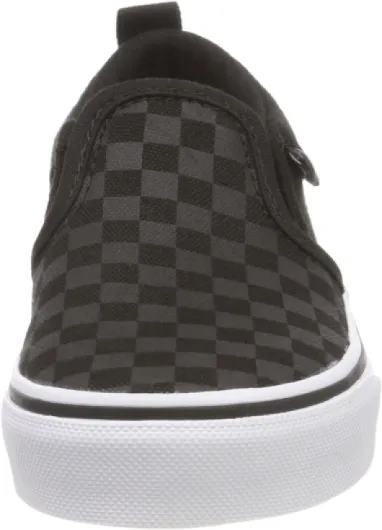
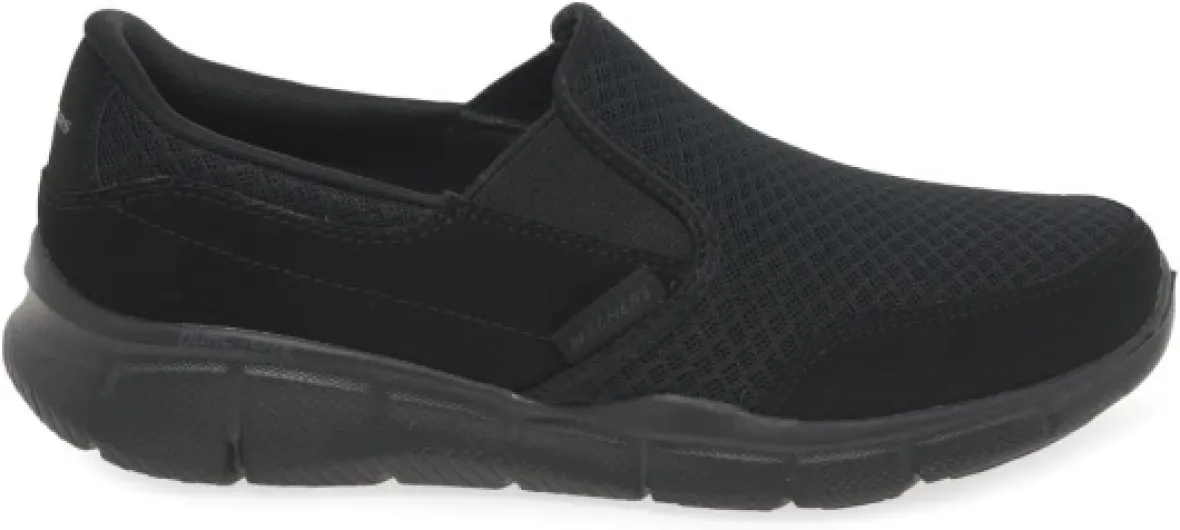
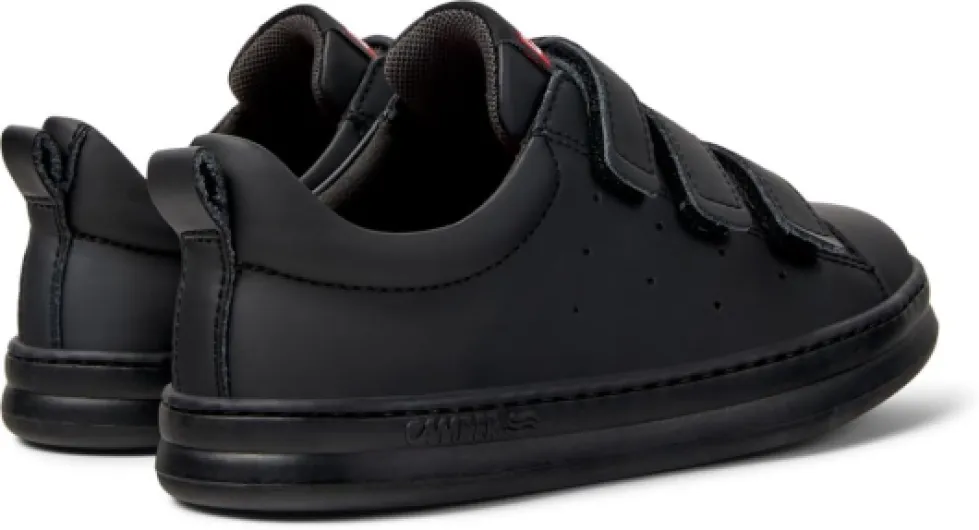
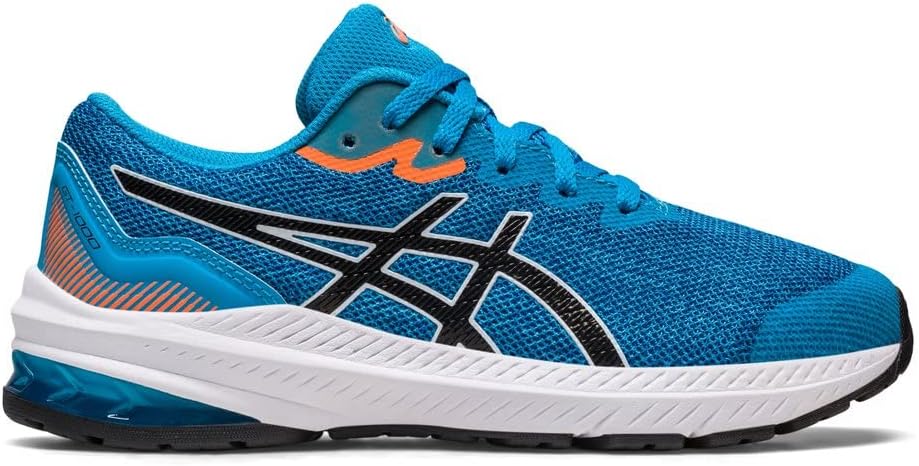
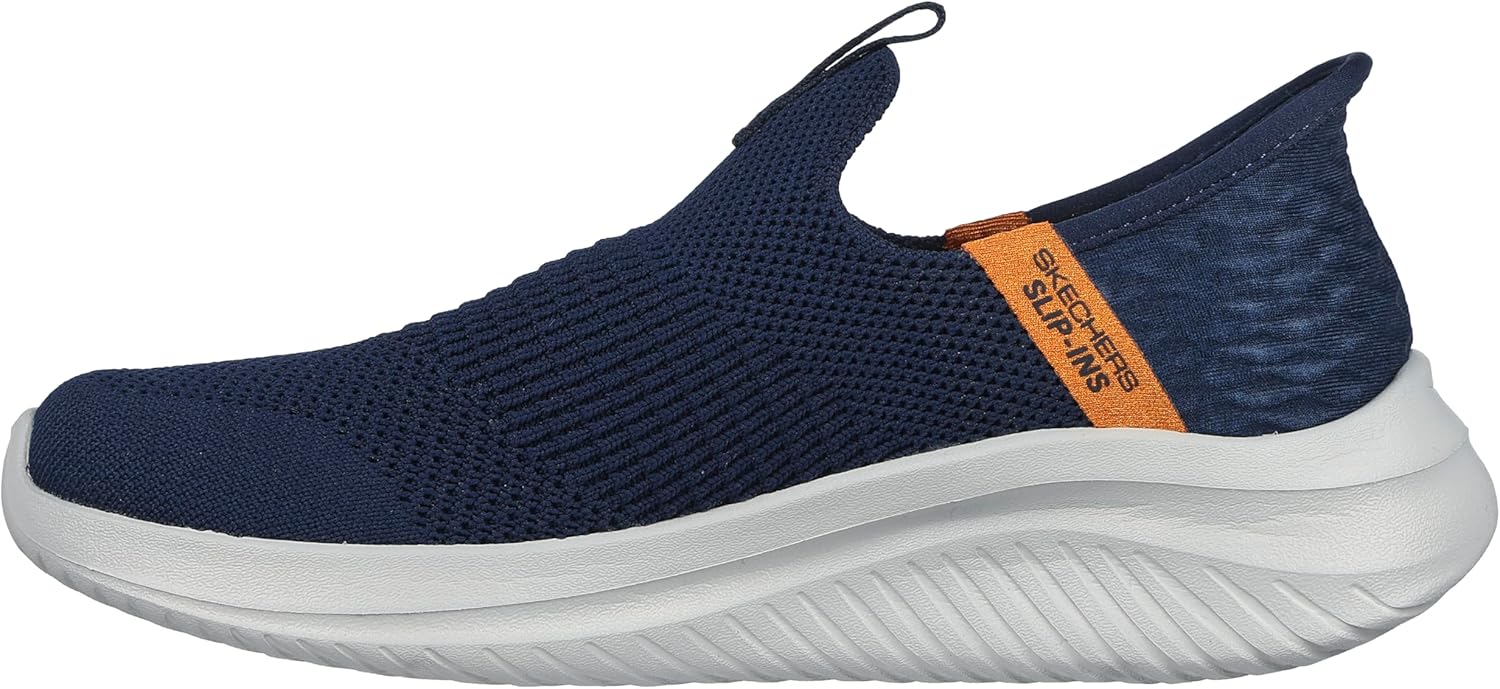
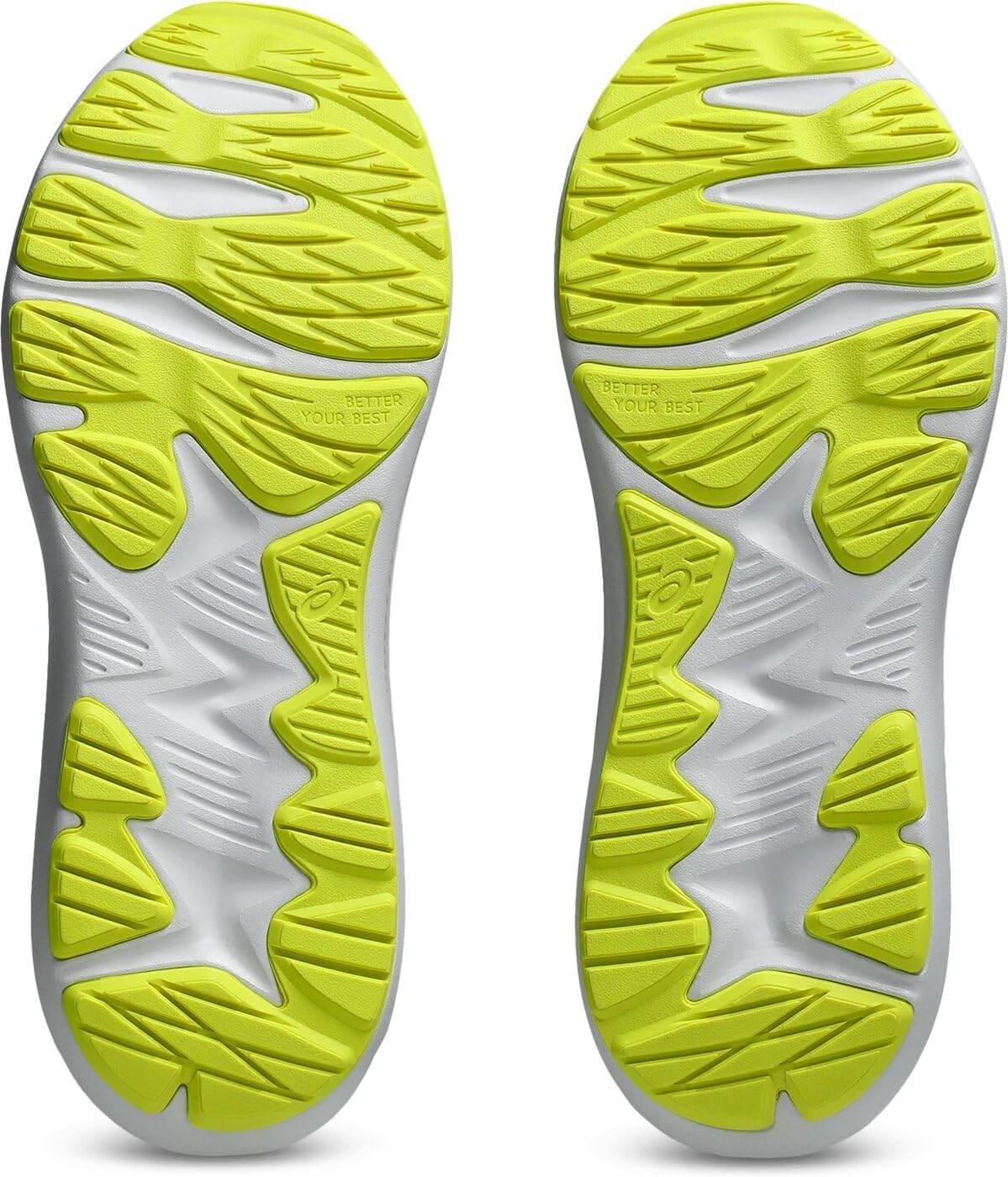
Iconic kids’ lines from nike and adidas that lead the pack
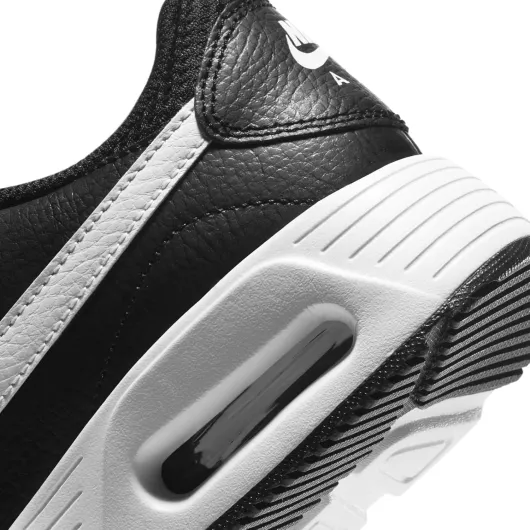
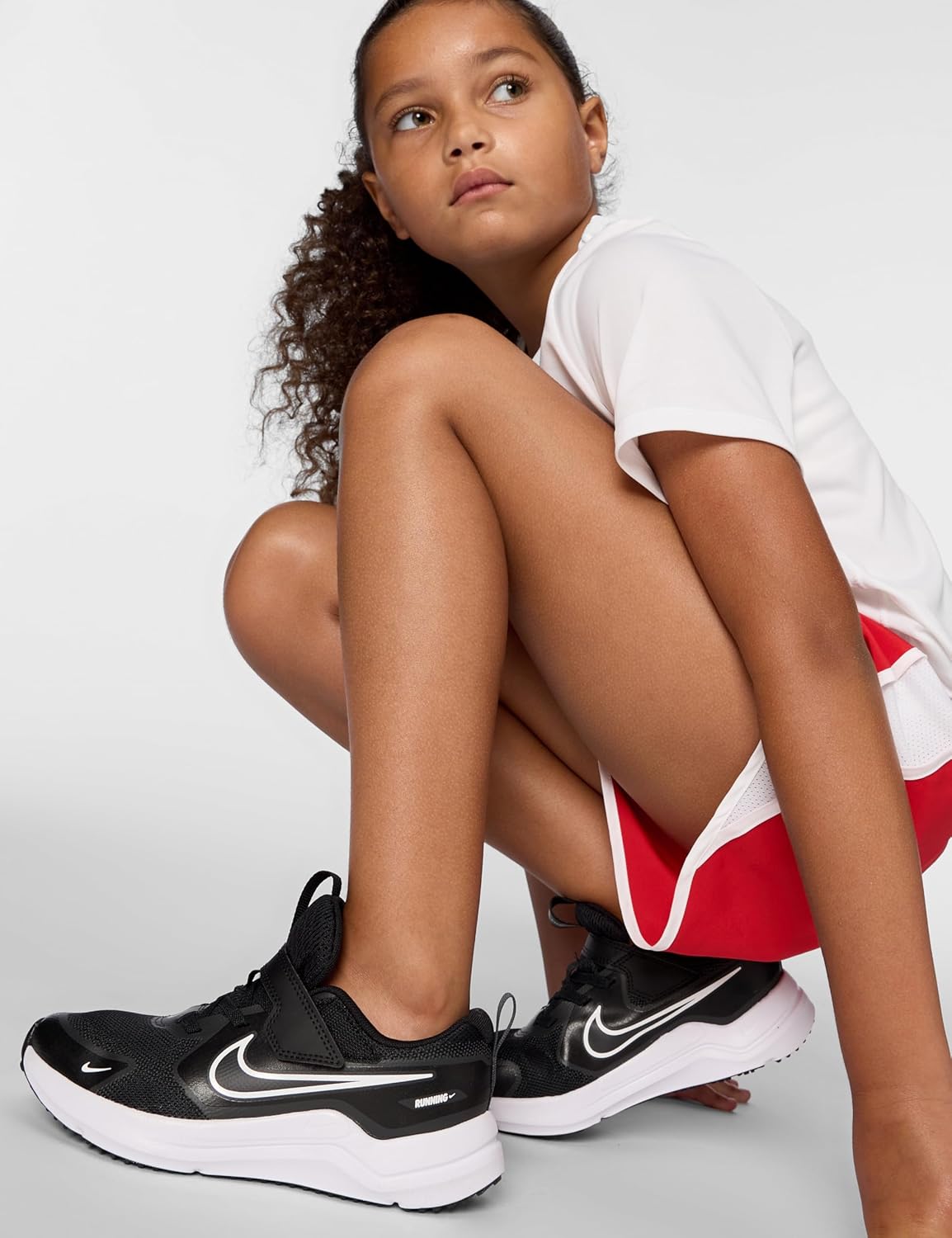
Among global labels, Nike sneakers for kids dominate many playgrounds because they translate performance technology into playful, wearable style. The Nike Air series, including scaled down Air Max silhouettes, wraps young feet in responsive cushioning while keeping the overall feel light and agile. When you compare these models with classic white sneakers from Adidas, you see two different visions of what the best sneakers for children can be.
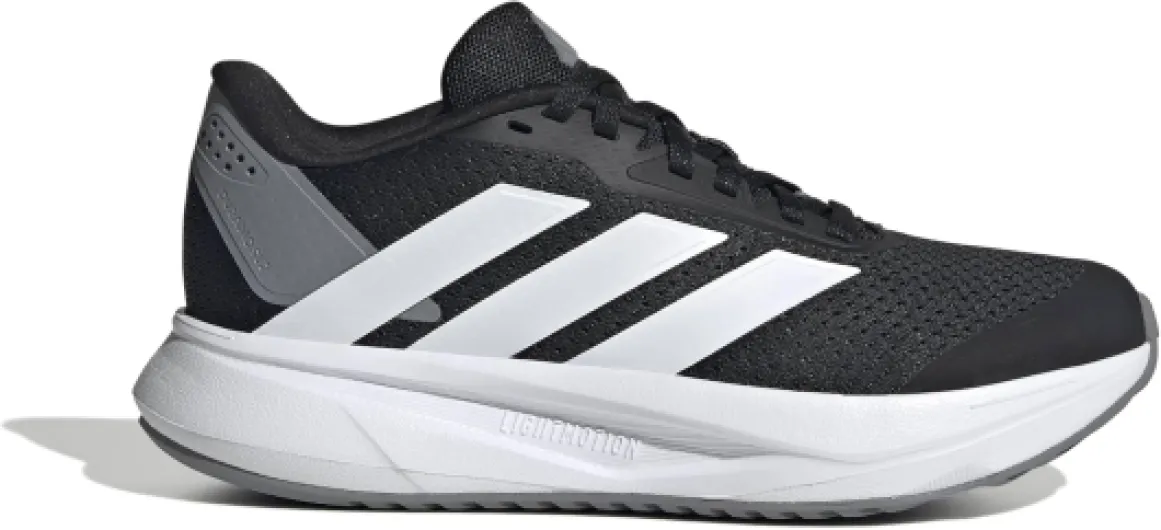
Adidas Samba kids’ editions bring terrace heritage to the classroom with sleek leather uppers and subtle suede overlays. Their low profile shape hugs the foot closely, which many children love for the sharp style, but parents of wide feet or flat feet kids should check the fit carefully and confirm the true size before committing. For those who want a more cushioned ride, Nike running shoes such as junior versions inspired by the Zoom Vomero or Nike Zoom lines offer deeper arch support and softer foam, making them closer to performance sneakers men rely on for training.
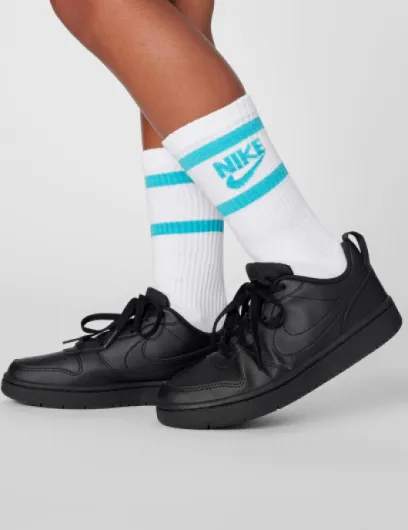
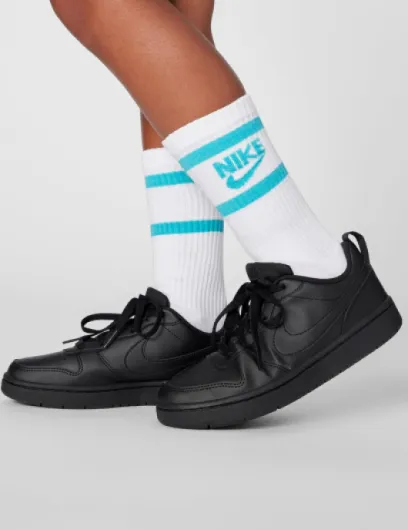
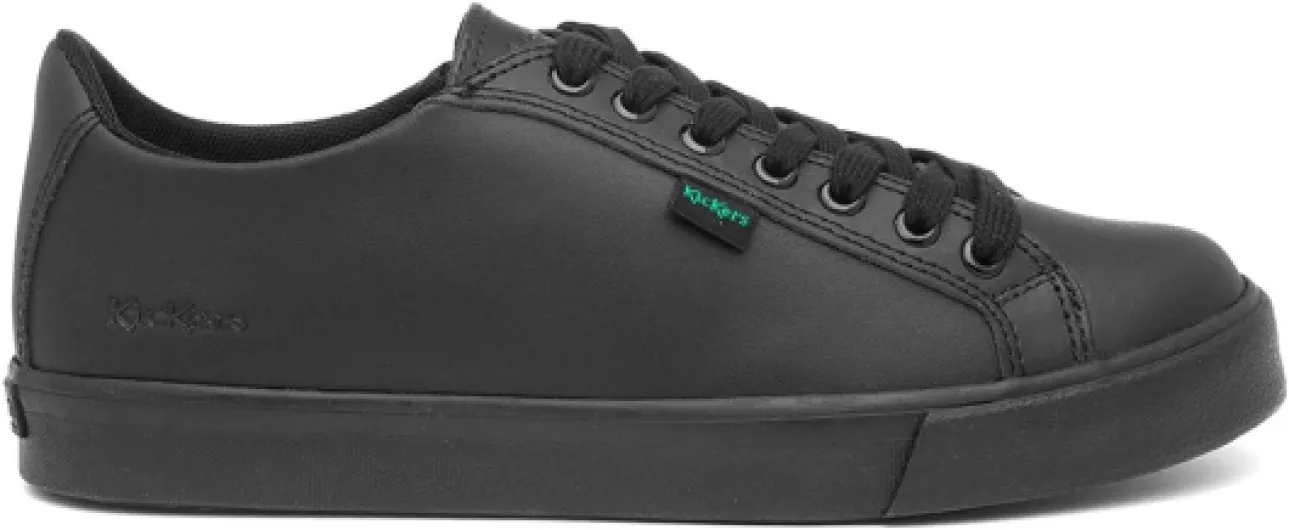
When assessing cons and benefits, remember that not every adult trend suits a child’s daily routine. A leather sneaker may look premium but can feel warmer than mesh during summer, while suede sneakers pick up playground dust faster yet deliver a luxurious texture that style conscious kids adore. If you want a detailed lab style perspective on a specific model, a product test such as the Nike Court Borough Low kids sneaker review can reveal how a low cut basketball inspired design behaves on real school floors.
Materials and construction that keep young feet comfortable
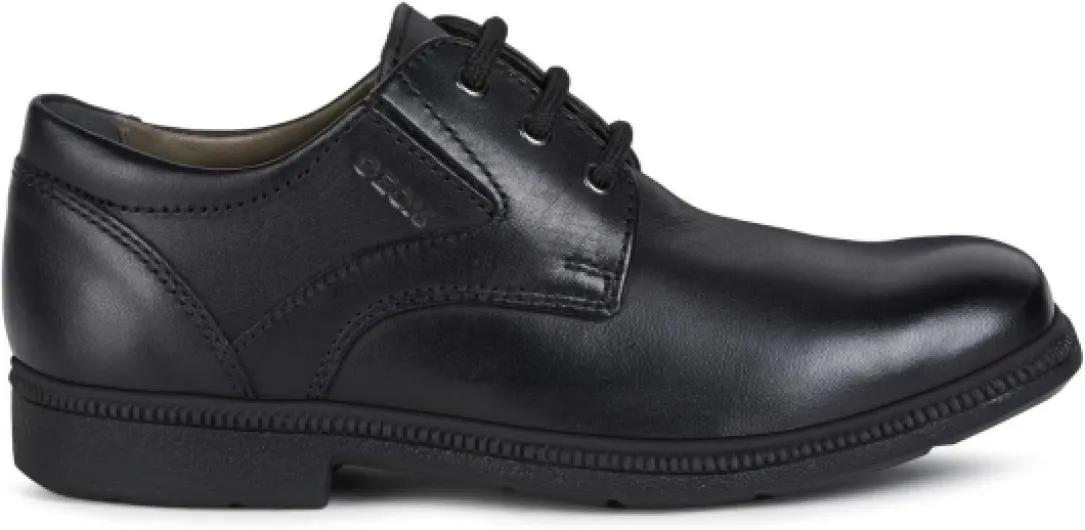
Every serious evaluation of the best sneakers for kids starts with materials. Leather sneakers usually offer durability, structure, and a polished finish that pairs easily with uniforms or tailored outfits. By contrast, suede sneakers feel softer and more tactile, giving fashion forward children a richer sense of texture and style underfoot.
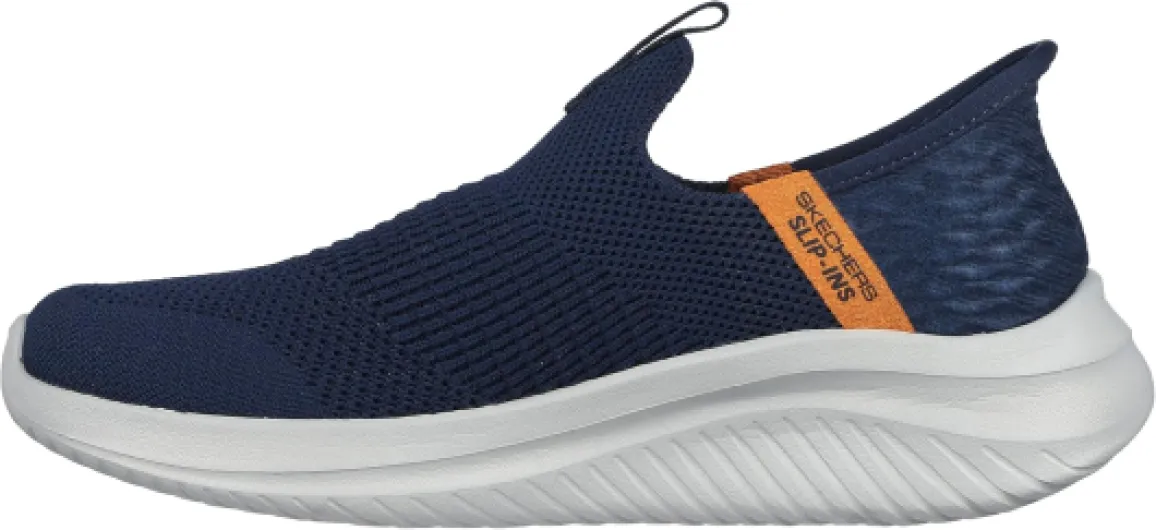
For everyday school wear, a hybrid construction that mixes leather panels with mesh zones often delivers the best balance of support and breathability. This combination keeps the overall sneaker light while still protecting the toes and sides from bumps, which matters when kids drag shoes across playground equipment or classroom furniture. Parents should gently bend the forefoot in store; a flexible front section allows natural motion while a firmer heel counter stabilizes the rear of the foot.
Summer wardrobes call for even lighter options, and some families rotate between structured sneakers and airy alternatives. A pair of flip flops will never replace running shoes for support, yet a style such as the floral printed pair reviewed in the kids’ comfortable flip flops test can complement low profile sneakers on beach days. The key is to reserve minimalist shoes for short, low impact wear while relying on structured sneakers best suited to protect growing bones during long walks or sports.
Fit, size, and support for growing arches
Even the best sneakers fail if the fit is wrong, so sizing deserves meticulous attention. Children’s feet can grow several millimetres in a few months, which means a sneaker that felt comfortable at the start of term may suddenly compress toes or rub heels. Aim for a thumb’s width of space in front of the longest toe, checking both feet because one side is often slightly larger.
Parents often ask whether to choose the true size or to size up for extra wear time. For structured leather sneakers or low profile Adidas Samba styles, going too large can cause the foot to slide, undermining arch support and stability on stairs or playgrounds. In contrast, some Nike running shoes inspired by the Zoom Vomero or Nike RNR families use softer uppers that tolerate a tiny bit of extra room, but even there, more than one size up risks blisters and clumsy movement.
Special attention is essential for flat feet or wide feet, where generic men sizes or unisex grading can mislead. Look for kids’ sneakers men inspired in style but clearly labelled with width options, cushioned insoles, and targeted arch support zones. When in doubt, prioritize a comfortable, secure shape over pure aesthetics, because a child who feels pain will abandon even the most stylish shoes after a single difficult day.
Style codes kids love, from playground to ski slope
Fashion aware readers know that children curate their own style narratives long before adolescence. The best sneakers become anchors for these stories, whether paired with oversized hoodies, pleated skirts, or technical outerwear. A crisp pair of white sneakers can soften a bold print outfit, while a chunky Air Max inspired silhouette adds attitude to simple denim.
Seasonal dressing also shapes sneaker choices, especially in colder climates where layering is essential. Under a padded parka or colourful ski suit, a low profile sneaker might visually disappear, so some parents prefer slightly higher shapes or vivid colour blocking that holds its own against statement outerwear. When planning winter wardrobes, think of sneakers and coats as a single style system rather than isolated purchases.
For snow days and mountain trips, sneakers best suited to après ski moments should work alongside insulated boots and technical sets. A detailed review such as the two piece ski suit test for girls shows how outerwear design influences which shoes feel balanced and proportional. Pairing a bulky snowsuit with sleek low sneakers can create a playful contrast, while matching chunky soles with voluminous trousers leans into a more streetwear inspired silhouette that many kids adore.
Evaluating pros and cons of key kids’ sneaker technologies
When brands adapt adult performance technologies for children, parents must weigh the pros and cons carefully. Nike Air units, whether in classic Air Max or subtler low profile forms, provide responsive cushioning that feels bouncy and fun under small feet. However, the extra height can slightly alter the shape of the stride, so very young children or those still mastering balance may do better in flatter, more grounded shoes.
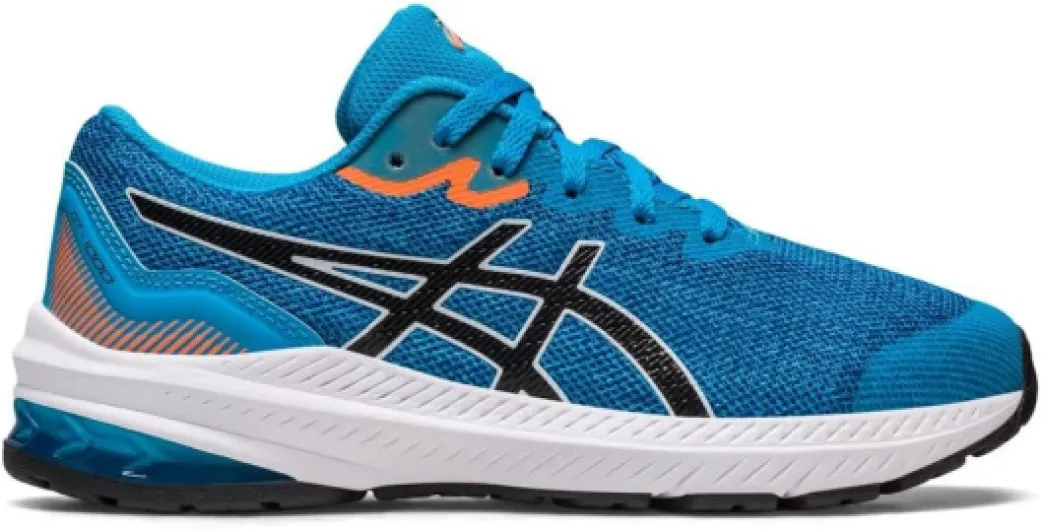
Foam based systems used in many Nike Zoom and Nike RNR inspired kids’ models aim to mimic the smooth ride of adult running shoes without overwhelming small joints. These designs often feel exceptionally light and comfortable, which encourages active play and longer walks, but they may compress faster under heavy use compared with firmer leather sneakers. Adidas Samba and similar heritage styles flip the equation: they prioritize a close to ground feel and precise control, which fashion conscious kids love for ball games and casual wear, though the arch support is usually more modest.
Parents who track trends in sneakers men collections will notice that many kids’ lines echo the same colour stories and panel layouts. The smartest strategy is to borrow the visual language of men shoes while insisting on child specific engineering, including flexible forefeet, reinforced toe caps, and interiors free from rough seams. In practice, the best sneakers for children are those that let them forget about their footwear entirely, freeing them to run, learn, and express their style without distraction.
Key figures on kids’ sneakers and foot health
- Specialists in podiatry frequently note that many adult foot problems can be traced back to issues that began in childhood, which underlines why supportive kids’ sneakers and correct size choices matter for long term comfort.
- Observational reports of school aged children indicate that they often approach or exceed 10 000 steps during a typical school day, meaning their shoes must withstand high mileage and repeated impact compared with many adults who move less.
- Surveys in several countries have reported that a significant share of children wear shoes that are either too small or too large, increasing the risk of blisters, nail problems, and altered gait patterns.
- Market research on children’s footwear shows that athletic inspired sneakers account for a large proportion of sales in many Western markets, confirming that performance style hybrids now dominate kids’ wardrobes.
- Studies on flat feet prevalence suggest that flexible flat arches are common up to around six years old, which is why experts recommend supportive yet flexible sneakers rather than rigid men sizes scaled down for young children.