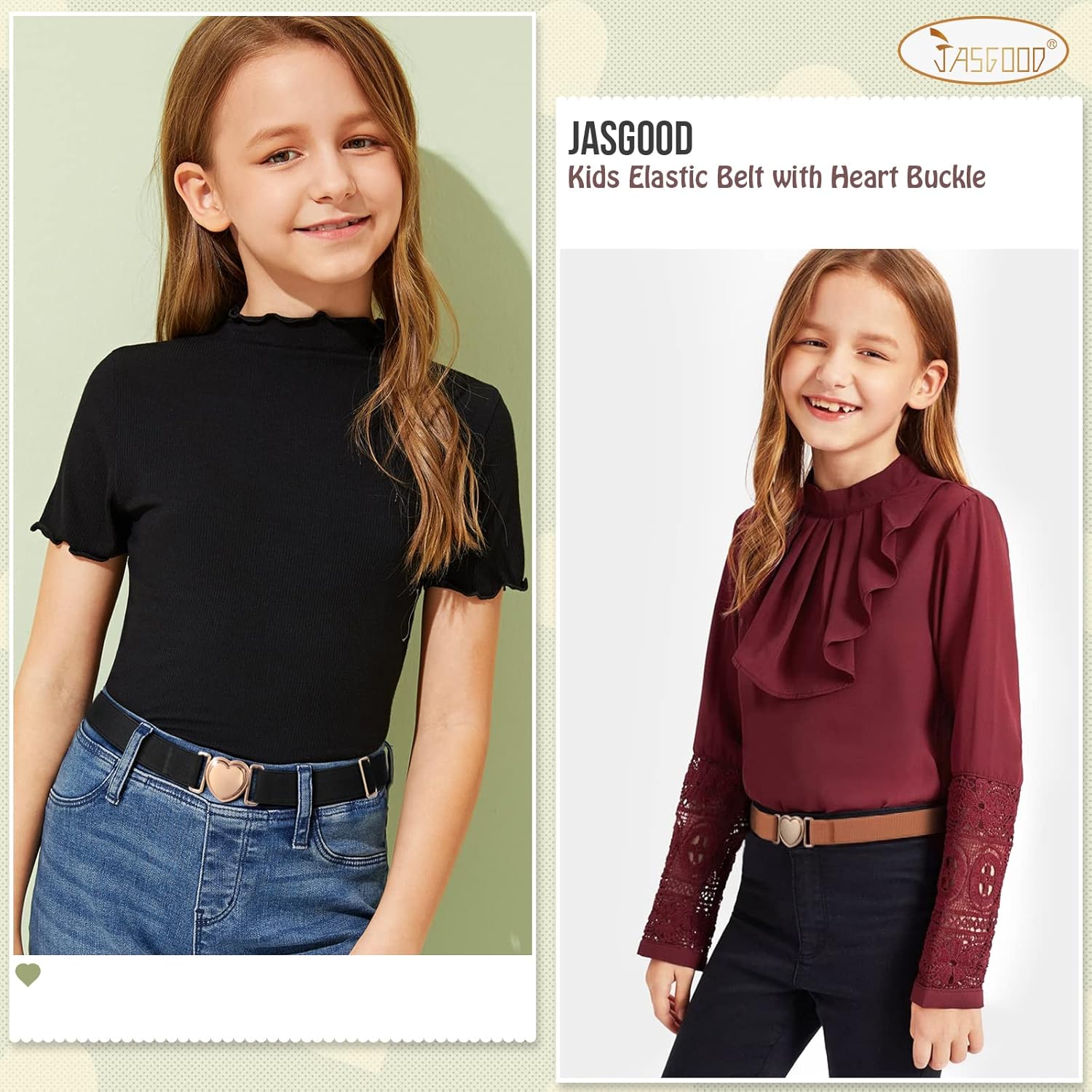
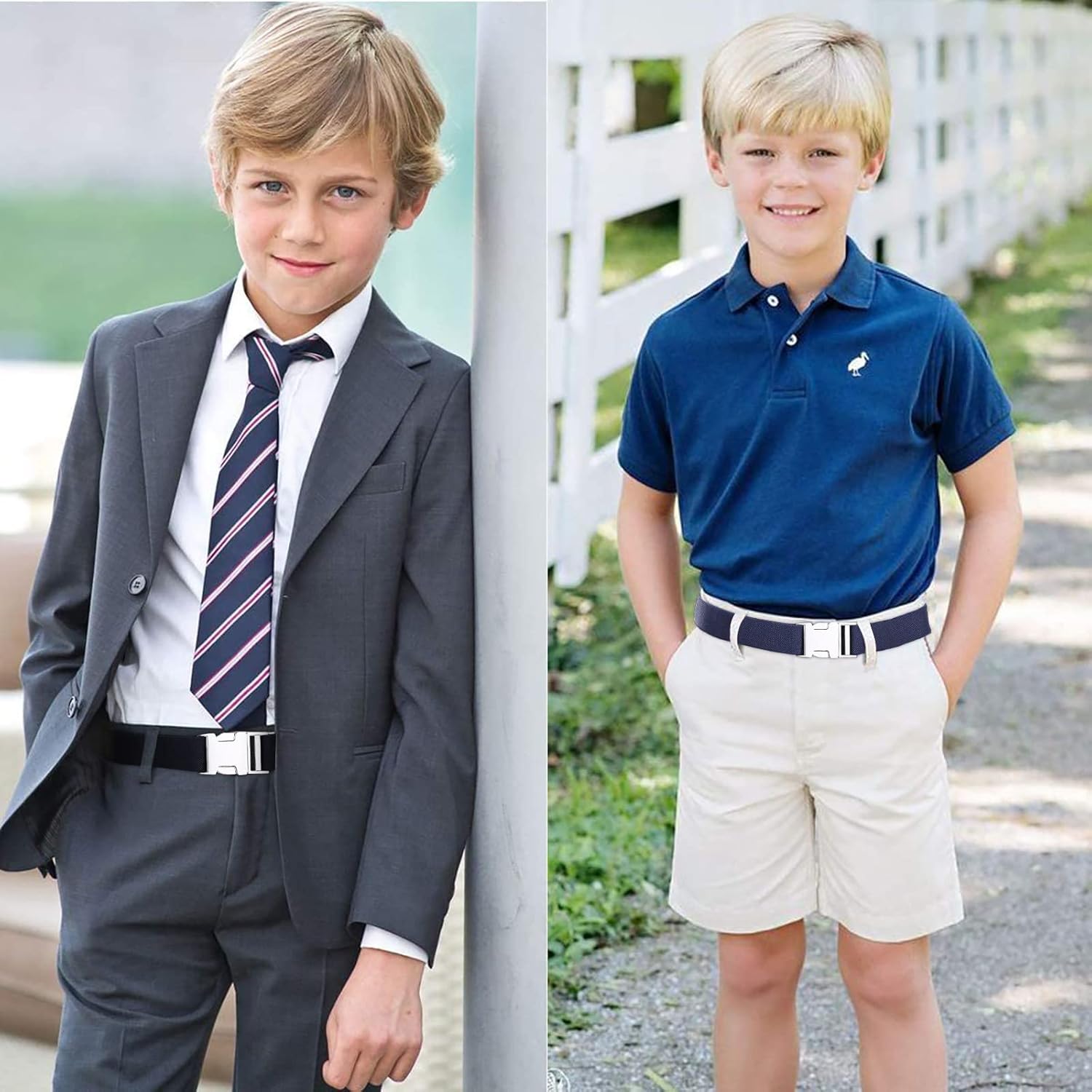
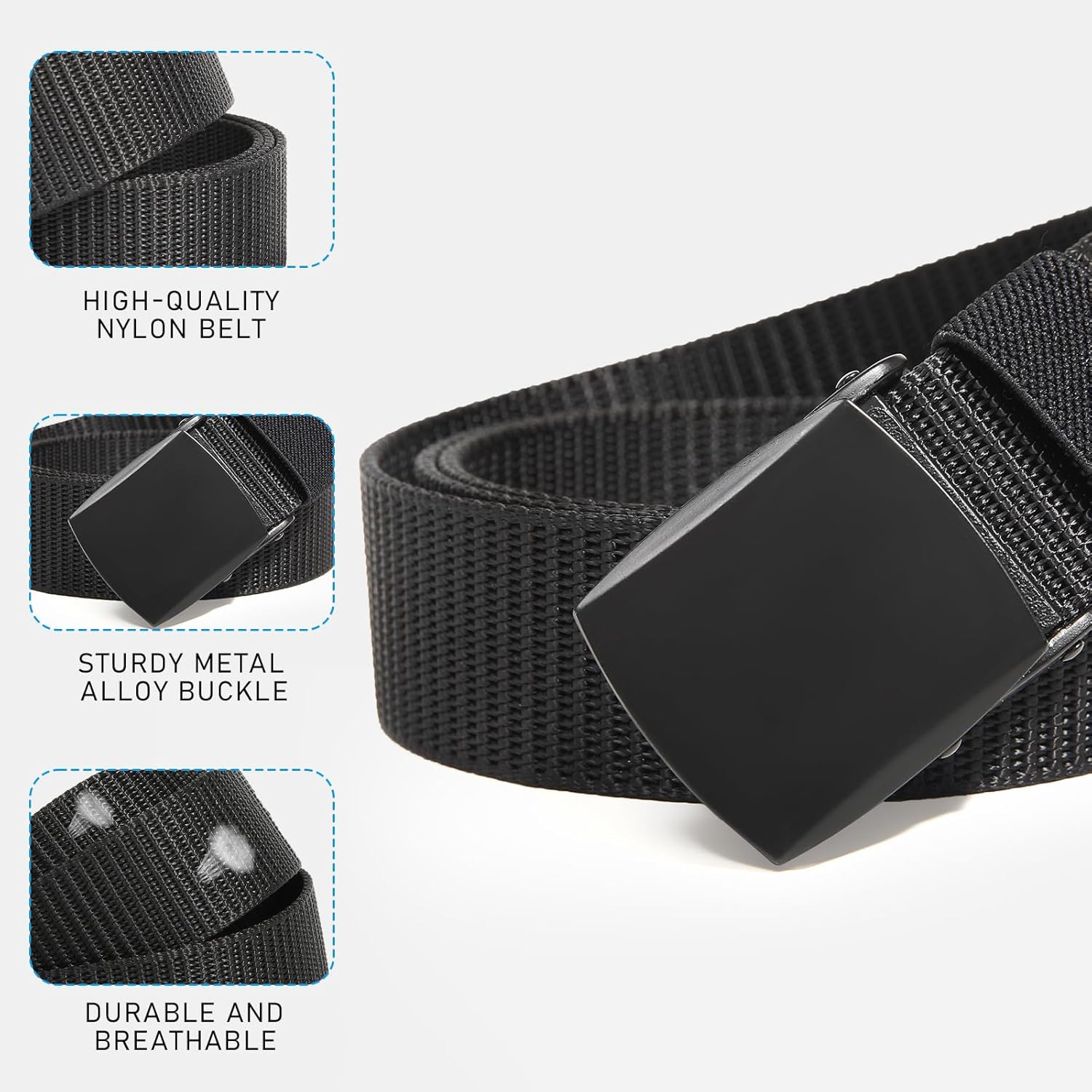
Key materials and constructions that define premium kids elastic belts
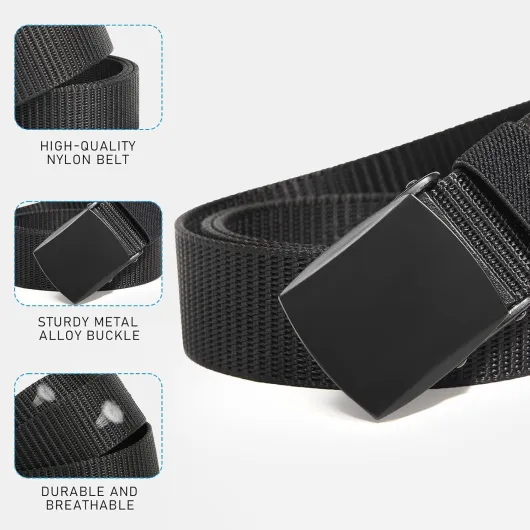
Material choice separates average belts from the best elastic belts that truly respect a child’s body. High quality stretch webbing blends, often combining nylon web with a small percentage of elastane, adapt to changing waist measurements throughout the day. Many well reviewed kids belts use around 5–10 % elastane in a 90–95 % polyester or nylon mix, which gives enough recovery to follow growth spurts and layered outfits without leaving marks on the skin.
Parents increasingly look for recycled material in kids accessories, and several brands now offer products that mix recycled fibres with soft web belt constructions. When you analyse a product description, check whether the elastic belt uses certified recycled yarns and whether the buckle is free from sharp edges or nickel that might irritate sensitive skin. A belt built from durable but flexible materials will outlast cheaper products, which helps reduce waste and supports a more responsible kids wardrobe.
For young trendsetters who love technical details, the structure of the stretch belt becomes part of the style story. Some kids prefer a smooth groove pattern woven into the belt, while others like visible stitching that echoes streetwear sneakers. If you want a deeper dive into specific models and a curated list of options, a dedicated guide to top elastic belts for kids can help compare stretch, size ranges, and buckle systems in a single place.
Buckles, closures, and kid friendly innovations in modern belts
The buckle is where function meets fashion, especially when you evaluate the best elastic belts for active children. Traditional prong buckles can look refined, but many kids struggle with them during school bathroom breaks or quick outfit changes. A quick release buckle or a simple clip closure usually makes life easier for small hands while still keeping the belt secure.
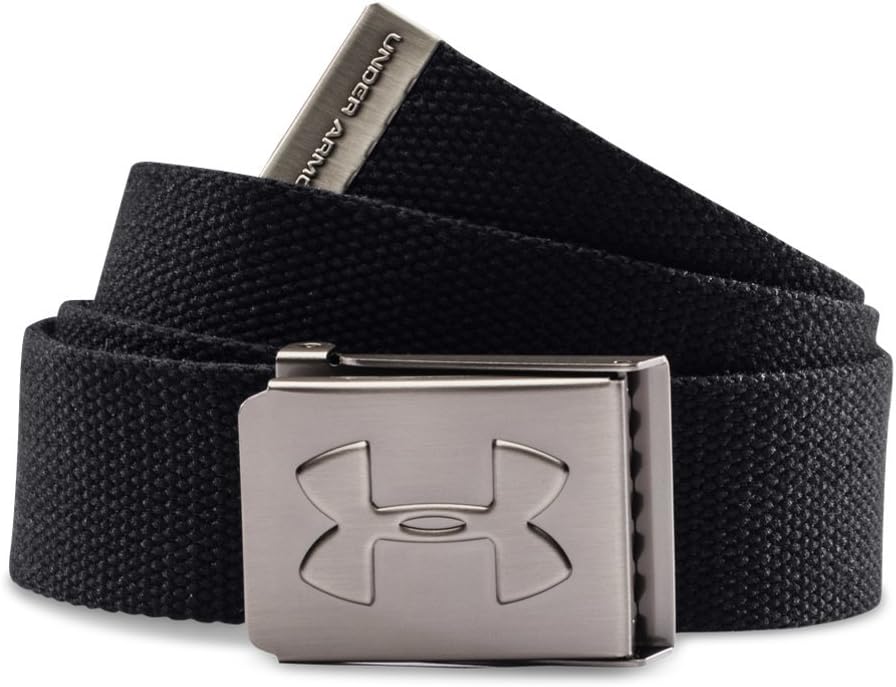
Some contemporary kids belts borrow ideas from adult performance gear, such as the ratchet style track system that allows micro adjustments along the waist. While ratchet mechanisms appear more often in belt men collections, scaled down versions can work for older children who appreciate precise fit and a sleek, almost futuristic look. For younger kids, a soft plastic buckle or a low profile bison lock inspired clasp can provide safety and comfort without the weight of a metal double prong design.
When styling accessories for fashion forward kids, match the buckle style to the outfit’s mood and the child’s dexterity. A polished metal buckle pairs beautifully with a mini leather belt and tailored trousers, while a matte clip buckle suits cargo joggers or sporty shorts. To complete the look with complementary pieces, consider adding a lightweight neck accessory from a curated selection of top scarves for kids so the belt and scarf echo each other in colour or texture.
Styling the best elastic belts with real kids outfits and streetwear looks
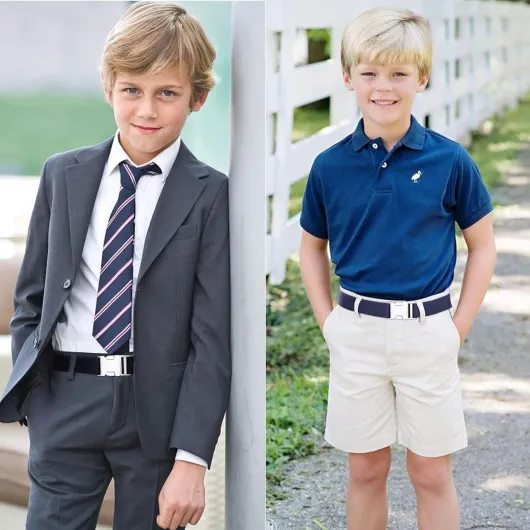
Styling the best elastic belts for kids starts with understanding proportion. A slim elastic belt in neutral nylon web works perfectly with wide leg jeans, because it defines the waist without adding bulk. When a child wears a cropped hoodie or tucked shirt, the belt becomes a visible accessory that frames the outfit like a subtle underline.
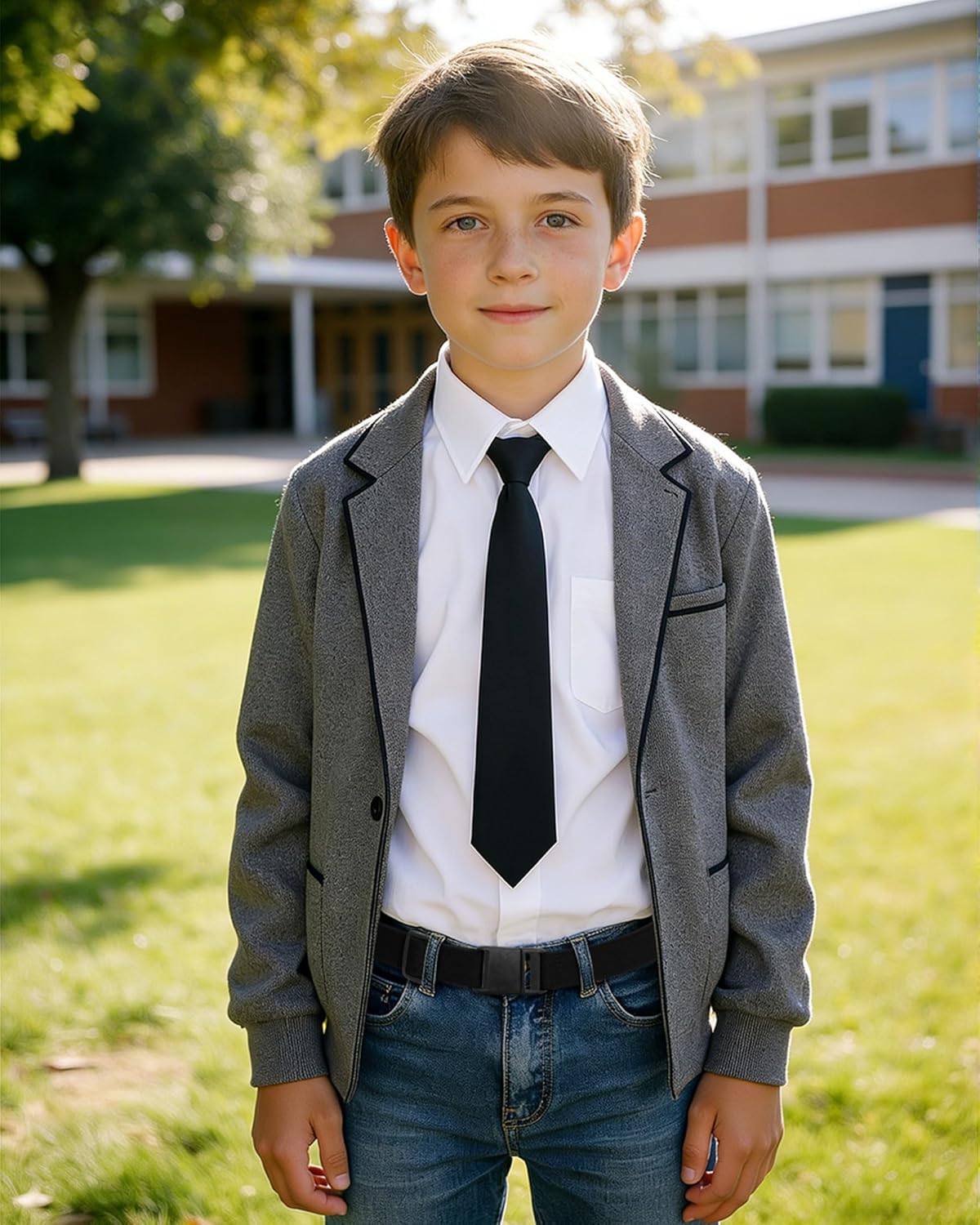
For streetwear inspired looks, pair a stretch belt with cargo joggers, high top sneakers, and a graphic tee featuring stars or bold typography. The belt’s stretch webbing allows full movement for skate sessions or playground climbing, while the buckle adds a focal point at the centre of the outfit. If you are building a practical yet stylish wardrobe, test how the same belt performs with school uniforms, weekend denim, and dressier pieces to ensure it earns a permanent place on your list of go to accessories.
Outdoor focused kids often wear lightweight trousers with an elasticated waist, where a belt is more about style than support. In that case, choose an elastic belt with a playful groove texture or contrast stitching that echoes the colours of jackets or backpacks. For a complete functional look, combine the belt with performance trousers such as lightweight quick dry cargo joggers for kids, which balance technical fabric with a fashion forward silhouette.
How adult belt technologies influence kids designs without copying men’s styles
Many of the best elastic belts for kids borrow engineering from adult performance belts while adapting proportions and aesthetics. Brands that design for men often experiment first with advanced stretch webbing, ratchet tracks, or hybrid leather belt constructions before translating those ideas into smaller sizes. The key for parents and stylists is to filter which belt men innovations genuinely benefit children and which remain better suited to adult wardrobes.
For example, the arcade style approach to flexible web belt design has inspired several kids focused products that prioritise movement and comfort. While specific models like the Arcade Atlas or other arcade belts target adults, the underlying concept of a low profile, machine washable stretch belt works beautifully for school and sports outfits. Similarly, the philosophy behind a Groove Life or Groove Belt system, with its emphasis on comfort and secure closure, can guide your expectations when you evaluate kids belts that reference a similar life groove of constant activity.
Parents sometimes encounter terms such as bison lock, double prong, or nylon web when browsing online, especially on large marketplaces like Amazon. These references usually come from adult product lines, yet they still teach useful vocabulary about buckle engineering and material performance. When you read that a kids belt uses a bison lock inspired clasp or a double prong style buckle, you can immediately picture the level of security and adjustability, then decide whether that standard suits your child’s daily routine.
Smart shopping strategies for parents choosing the best elastic belts online
Shopping online for the best elastic belts requires a clear strategy so you do not get lost in endless products and conflicting reviews. Start by defining the waist measurement in centimetres, then compare it carefully with each listed size range to avoid belts that are either too short or excessively long. As a rough guide, a child with a 52–55 cm waist often fits belts labelled 50–65 cm, while a 60–64 cm waist usually needs a 60–75 cm option; always check the brand’s own chart before ordering.
When browsing a list of options on a marketplace such as Amazon, pay attention to rated stars and written feedback rather than only the headline price. A product with slightly higher price Amazon but consistently high rated stars often indicates better material quality, more reliable buckles, and fewer complaints about fraying or weak stretch webbing. Use the check price button as a final step after you have evaluated construction details, recycled content, and whether the belt aligns with your child’s style preferences.
Parents who value sustainability can filter for belts that highlight recycled fibres, durable nylon web, or responsibly sourced leather belt components. Look for clear information about the buckle type, whether it offers quick release convenience, and how easy it is for kids to manage independently at school. By combining these criteria, you build a shortlist of belts and products that respect both fashion and function, ensuring your child’s accessory drawer reflects a thoughtful, future ready wardrobe.
Key figures about kids belts and accessories
- According to the European Apparel and Textile Confederation (Euratex), children’s apparel represents roughly 16 % of the total clothing market in Europe, which underlines the growing importance of well designed accessories such as elastic belts in overall kids fashion. This figure appears in Euratex market overview reports that track the structure of the European textile and clothing industry, including the 2022 “Facts & Key Figures” publication.
- Data from the Ellen MacArthur Foundation indicates that extending the life of a garment or accessory by just nine months can reduce its carbon footprint by around 20 to 30 %, which supports investing in durable belts made from quality stretch webbing or recycled materials. The estimate comes from the foundation’s circular economy research on clothing longevity and environmental impact, notably the “A New Textiles Economy” analysis.
- Surveys from the British Retail Consortium show that online sales account for more than 25 % of clothing purchases, meaning that parents increasingly rely on rated stars, price comparisons, and detailed product descriptions when choosing the best elastic belts for their children. The BRC’s retail sales monitor, published monthly and summarised in its 2021–2022 reports, highlights how digital channels now shape everyday fashion decisions.
- Research from the American Academy of Pediatrics highlights that comfortable, non restrictive clothing improves children’s physical activity levels, which indirectly validates the role of soft, flexible elastic belts in supporting free movement during play and sports. The AAP’s guidance on active play and safe clothing, reflected in policy statements on physical activity and injury prevention, emphasises avoiding tight, restrictive waistbands that could limit motion.