Materials that respect kids’ skin and style
Choosing the best scarves for young fashion fans starts with understanding materials. Pure wool offers impressive warmth for winter, yet some kids find a traditional wool scarf slightly itchy against the neck or head. That is where modern wool blend fabrics and carefully finished merino wool come in, offering softness with reliable insulation.
For children who crave luxury, a cashmere scarf or cashmere rich blend feels feather light while still trapping heat efficiently. Brands that work with Mongolian cashmere or wool cashmere mixes often achieve a beautiful drape that flatters both tiny shoulders and growing frames, but parents must weigh this against a higher price and more delicate care instructions. Alpaca wool and alpaca wool blends are also gaining attention in kids’ fashion because they are naturally hypoallergenic and provide excellent warmth without bulk.
Silk brings a different personality to the best scarves for kids, especially when used as a silk scarf or small neck scarf for special occasions. Lightweight silk scarves glide over hair and reduce friction, which helps protect curls and braids under a head scarf on cold mornings. When you compare materials, always check fibre content labels, because a quality blended scarf with cable knit texture can outperform cheaper synthetic options parents sometimes buy on impulse for their children.
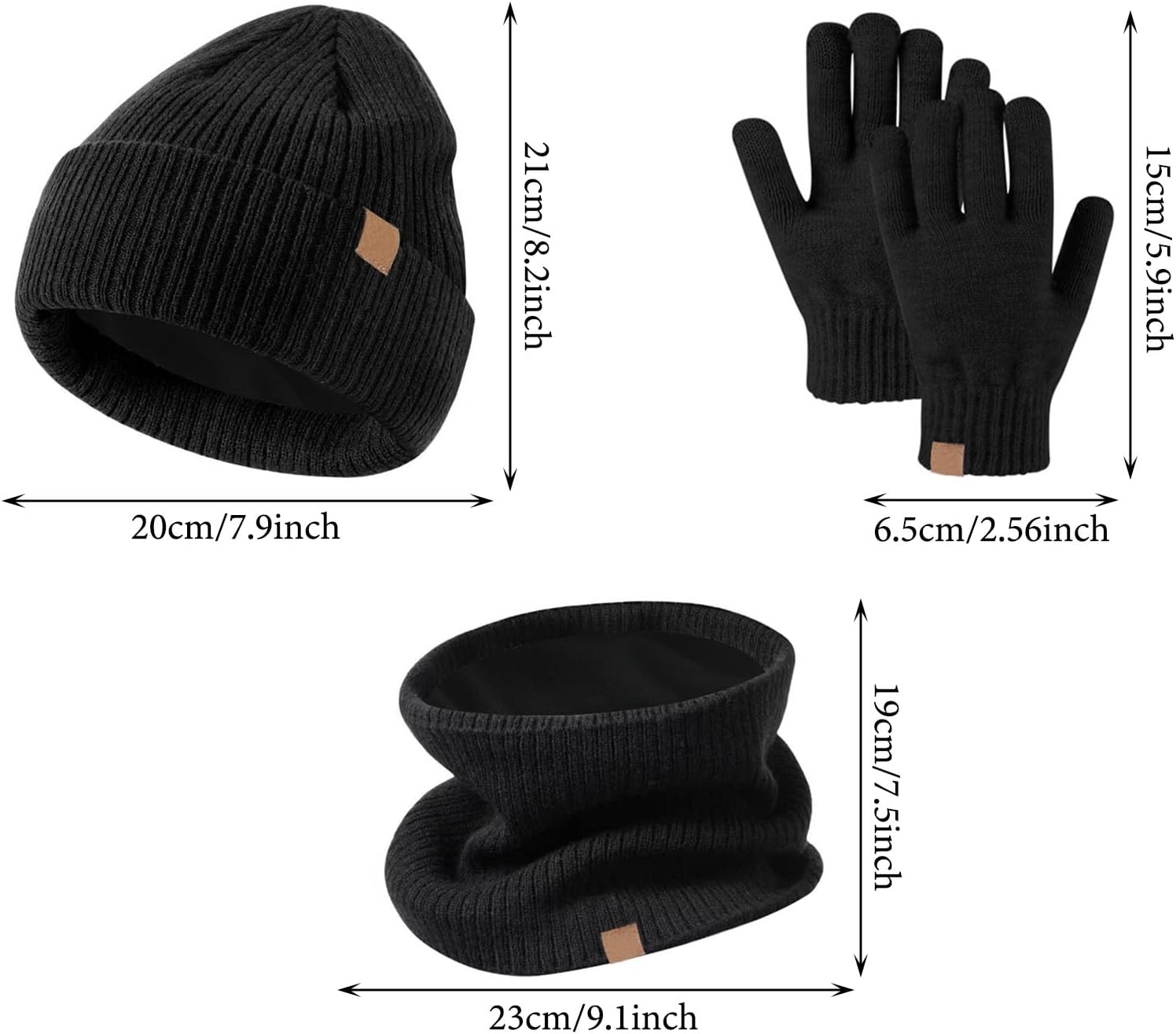
To complete a winter look that respects both warmth and style, coordinate your child’s scarf with a well fitted beanie. A detailed guide such as the one on the best kids’ beanies for cold days helps you match fibres and colours, creating a polished head to toe story. When hat and scarf share similar materials, from merino wool to cashmere, children stay comfortable longer outdoors.
Shapes, lengths, and fringes that work for active kids
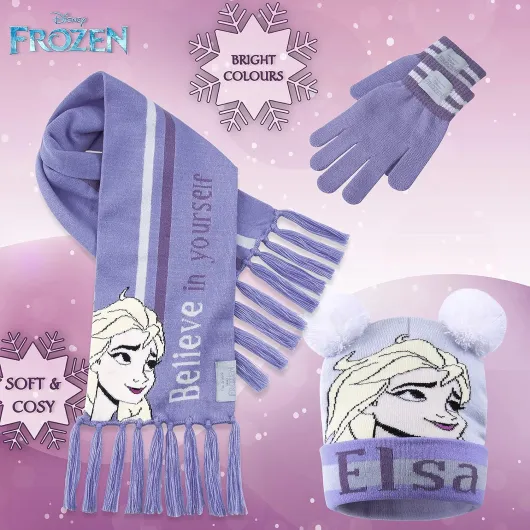
Not every scarf shape suits an energetic child who runs, climbs, and cycles daily. Long fringe scarf designs with dramatic tassels look beautiful in adult fashion, yet they can tangle in zips or playground equipment when worn by kids. For younger children, the best scarves usually sit above the waist and wrap snugly around the neck without heavy fringed ends.
School age fashion kid passionate readers often prefer a fringed scarf because it feels grown up and echoes what they see in street style and family outfits. In that case, choose a shorter fringed design or a cable knit neck scarf with minimal tassels, so the movement stays decorative rather than hazardous. Infinity styles and snoods in wool blend or merino wool are particularly practical, since they slip over the head easily and never trail behind a child on a scooter.
Head scarf silhouettes deserve special attention for kids who like to protect their hair or ears. A silk scarf folded into a triangle and tied securely at the back can shield hair from friction under helmets, while a thicker wool scarf wrapped once around the head and once around the neck gives extra warmth on icy mornings. For more structured inspiration on proportions and drape, parents can consult curated selections such as this guide to top kids’ scarves, then adapt those ideas to their child’s height and activity level.
Colour, pattern, and styling tricks for fashion kid passionate readers
Colour turns the best scarves into powerful styling tools for young trendsetters. A bright neck scarf in primary red or cobalt can lift a neutral coat instantly, while pastel silk scarves soften sharper tailoring for school concerts or family events. Children who enjoy fashion often treat each scarf as a mini canvas, mixing stripes, checks, and playful prints to express their mood.
Pattern scale matters when you style a scarf for a smaller frame, because oversized checks or huge logos can overwhelm a child’s proportions. Narrow stripes on a wool scarf or subtle herringbone on a wool blend fringe scarf usually feel more balanced, especially when paired with patterned knitwear or printed leggings. For kids who love character prints, keep the rest of the outfit calm, letting the cashmere blend or cable knit design act as the hero piece.
Hair styling interacts closely with scarf choices, particularly for children with long hair or textured curls. A silk scarf or lightweight blended fabric can be threaded through a braid or tied as a soft head scarf, protecting hair from friction while adding a chic accent. When temperatures drop sharply, layer a thin silk scarf under a thicker wool cashmere wrap at the neck, so sensitive skin touches only the smoothest materials while the outer layer blocks wind.
To build a fully coordinated winter wardrobe, think beyond the scarf and consider slippers and indoor accessories as part of the same colour story. Resources such as the curated list of top indoor slippers for kids help you extend your palette from outerwear to homewear. This approach teaches children that fashion can be both playful and coherent from head to toe.
Balancing quality, price, and care for kids’ scarves
Parents often ask how much they should spend on the best scarves for their children. The answer depends on how fast your child grows, how they treat their clothes, and which materials feel comfortable on their skin. A mid range wool blend scarf usually offers a strong balance between quality, warmth, and price for everyday school wear.
Premium options such as a pure cashmere scarf, Mongolian cashmere wrap, or high content wool cashmere blend bring exceptional softness and lightness. These pieces work best as special occasion accessories or for older kids who understand how to care for delicate materials, because frequent rough play can quickly damage fine fibres. When you compare price tags, calculate cost per wear, since a durable merino wool neck scarf that survives several winters may represent better value than a cheaper acrylic piece that pills after one season.
Care routines also influence which scarves count as the best choice for your family. Many wool scarves and alpaca wool blends require gentle hand washing and flat drying, while robust cotton or synthetic blend designs can tolerate machine cycles on cold settings. Always check the care label before buying, and involve fashion curious kids in the washing and storage process, teaching them that respecting materials extends the life of their favourite head scarf or fringed scarf.
When reading any review of kids’ scarves, look for clear information about fibre content, construction, and real world testing. A trustworthy review explains how a scarf behaves after multiple washes, whether the fringe scarf keeps its shape, and how the fabric feels against sensitive neck skin. Over time, building a small rotation of two or three best scarves per child, mixing wool options with lighter silk or blended pieces, gives you flexibility for changing weather and activities.
Safety, comfort, and practical styling for everyday wear
Safety must always sit at the centre of any discussion about the best scarves for children. Long, heavily fringed designs can catch on playground equipment or bicycle wheels, so they belong firmly in the dress up box rather than the school run. For daily wear, choose compact cable knit snoods, short wool scarves, or neatly tied neck scarf styles that stay close to the body.
Comfort is equally critical, because even the most beautiful cashmere scarf will stay in a locker if it feels scratchy or restrictive. Test different materials against the inside of your child’s wrist, since this sensitive area gives a good indication of how a wool blend or merino wool fabric will feel on the neck. If your child has sensory sensitivities, consider ultra soft Mongolian cashmere or alpaca wool blends, and avoid bulky seams or heavy fringe details that may irritate the skin.
Practical styling means teaching kids how to wrap and tie their own scarves safely. Show them simple knots that keep a head scarf secure without covering the eyes, and demonstrate how to tuck the ends of a wool cashmere blend scarf inside a coat to prevent flapping in the wind. When children understand why certain dramatic adult style scarves are not suitable for climbing frames, they become active partners in choosing the best scarves for their own lifestyle.
For families who travel frequently between climates, build a small capsule of versatile pieces. A lightweight silk scarf doubles as a sun protective head scarf in mild weather, while a thicker blended cable knit style handles sudden cold snaps. Layering a thin silk scarf under a sturdier wool scarf at the neck lets kids adapt quickly as temperatures shift throughout the day.
How kids can build a personal scarf wardrobe
Young fashion enthusiasts often treat the best scarves as signature pieces that define their seasonal look. Encouraging children to curate a small scarf wardrobe teaches them to think about colour harmony, texture contrast, and practical needs. Start with one everyday wool scarf, one playful fringed scarf, and one special occasion silk scarf or cashmere scarf, then refine from there.
As their taste matures, kids may gravitate toward specific fibres such as merino wool, alpaca wool, or wool cashmere blends. Talk openly about how each material behaves in winter, how it feels on the neck and head, and how much care it requires, so they understand the relationship between quality and responsibility. Some children will prefer the structure of a cable knit blended scarf, while others love the fluid drape of silk scarves that flutter when they move.
Accessories also offer a subtle way to explore gender expression and identity in fashion. Scarves styled by women, from bold printed silk scarves to understated wool blend wraps, can inspire children of any gender to experiment with colour and styling without committing to a full outfit change. Let them play with tying a neck scarf as a belt, looping a small head scarf around a ponytail, or layering a fine cashmere piece under a heavier winter coat, always checking that movement remains safe and comfortable.
Over time, this playful experimentation builds confidence and a sharper eye for proportion. Kids learn why some best scarves flatter their face shape more than others, and how a carefully chosen fringe scarf can balance chunky boots or a voluminous parka. By the time they reach their teenage years, they will already understand how to read a review, assess materials and price, and select scarves that express who they are from head to toe.
Key figures on kids’ scarves and winter accessories
- According to data from the International Wool Textile Organisation, wool and wool blend products represent around 15% of the global apparel fibre market, showing how central wool scarves remain in winter wardrobes for both adults and children (IWTO, 2021, summary figures reported on iwto.org; exact percentages and methodology vary by report and year).
- Market research from Euromonitor indicates that children’s outerwear and accessories, including scarves and beanies, have grown by roughly 5% annually in recent years, driven by parents investing more in quality materials such as merino wool and cashmere (Euromonitor International, 2020; growth rates differ by region and product category, so check the latest country specific reports for precise numbers).
- Dermatology studies published by the American Academy of Dermatology report that up to 20% of children experience some form of sensitive skin or eczema, which reinforces the importance of choosing softer fibres like alpaca wool, Mongolian cashmere, or finely spun silk for neck and head accessories (American Academy of Dermatology, 2020; prevalence estimates are typically drawn from atopic dermatitis research summaries on aad.org rather than a single page or article).
- Consumer surveys from the Cotton Incorporated Lifestyle Monitor show that more than 60% of parents prioritise comfort and softness over style when buying winter accessories, yet a growing segment of fashion conscious families now seeks products that balance both aesthetics and function (Cotton Incorporated Lifestyle Monitor, 2019; exact percentages and question wording depend on the specific survey wave).
- Safety guidance from several European child safety organisations recommends avoiding very long scarves for children under 10 years old, suggesting that scarf lengths should generally not extend below the hip to reduce snagging risks on playground equipment (for example, European Child Safety Alliance, 2018; national guidelines may differ slightly, so parents should also consult local safety advice).