Design details that define the best ergonomic school bags
Every detail of an ergonomic school bag influences how it feels during a long school day. The back panel should be padded yet breathable, with channels that allow air to circulate and reduce sweat marks on stylish tops. When kids run between classes, a well designed backpack stays stable instead of bouncing awkwardly against their jackets.
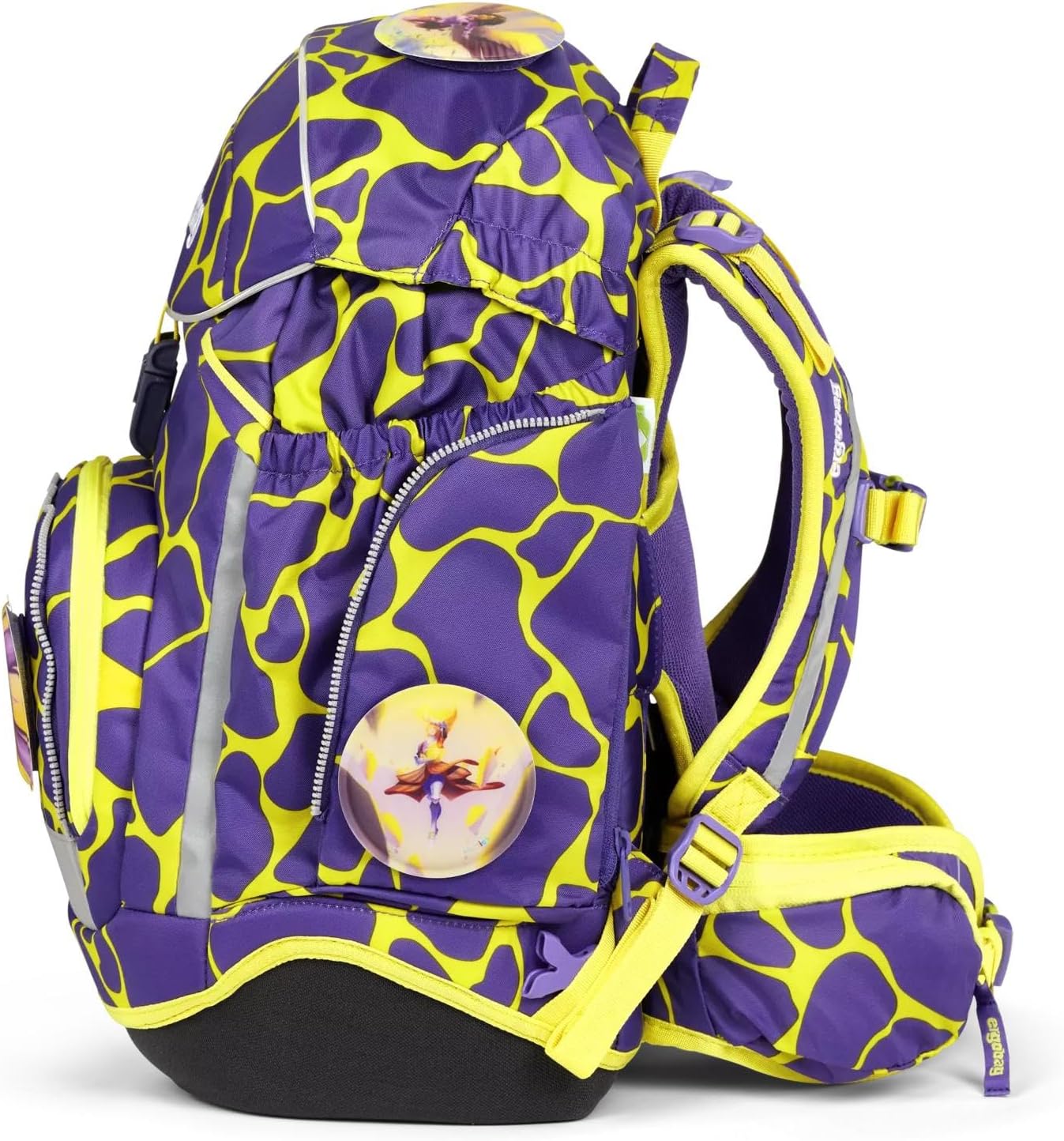
Shoulder straps deserve particular attention from fashion focused families. Look for padded straps that are contoured rather than straight, because this shape hugs the shoulders and distributes weight more evenly. Adjustable shoulder straps also allow the same kids backpack to grow from preschool to early elementary school, which helps justify a higher price for a premium product.
Inside the main compartment, structure is everything. A dedicated laptop sleeve keeps tech safe and flat against the back, while a separate compartment for books prevents sharp corners from poking through the fabric. Many of the best ergonomic school bags add a smaller pocket for stationery and a quick access front pocket for keys, cards, or a compact mirror.
Exterior pockets can be both practical and stylish. A side pocket for a water bottle keeps drinks upright and away from notebooks, while a second side pocket can hold an umbrella or foldable shopping bag. The front pocket often becomes a mini fashion stage where kids store lip balm, hair clips, or a tiny lunch box for snacks that match their outfit colours.
Material choice shapes both comfort and eco credentials. Recycled materials such as repurposed polyester reduce environmental impact while still delivering a water resistant finish that protects books from sudden rain. When a school backpack uses recycled fabrics and clean lines, it feels modern, friendly to the planet, and perfectly aligned with the values of style conscious families.
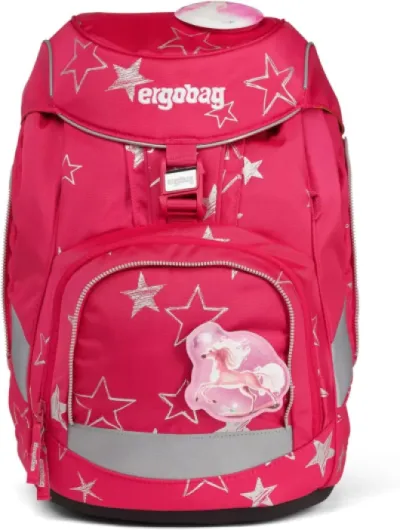
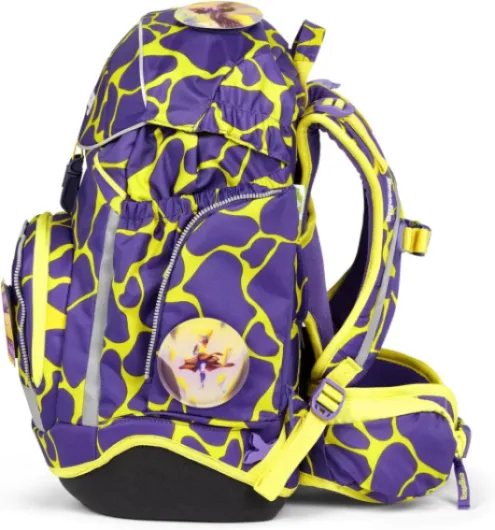
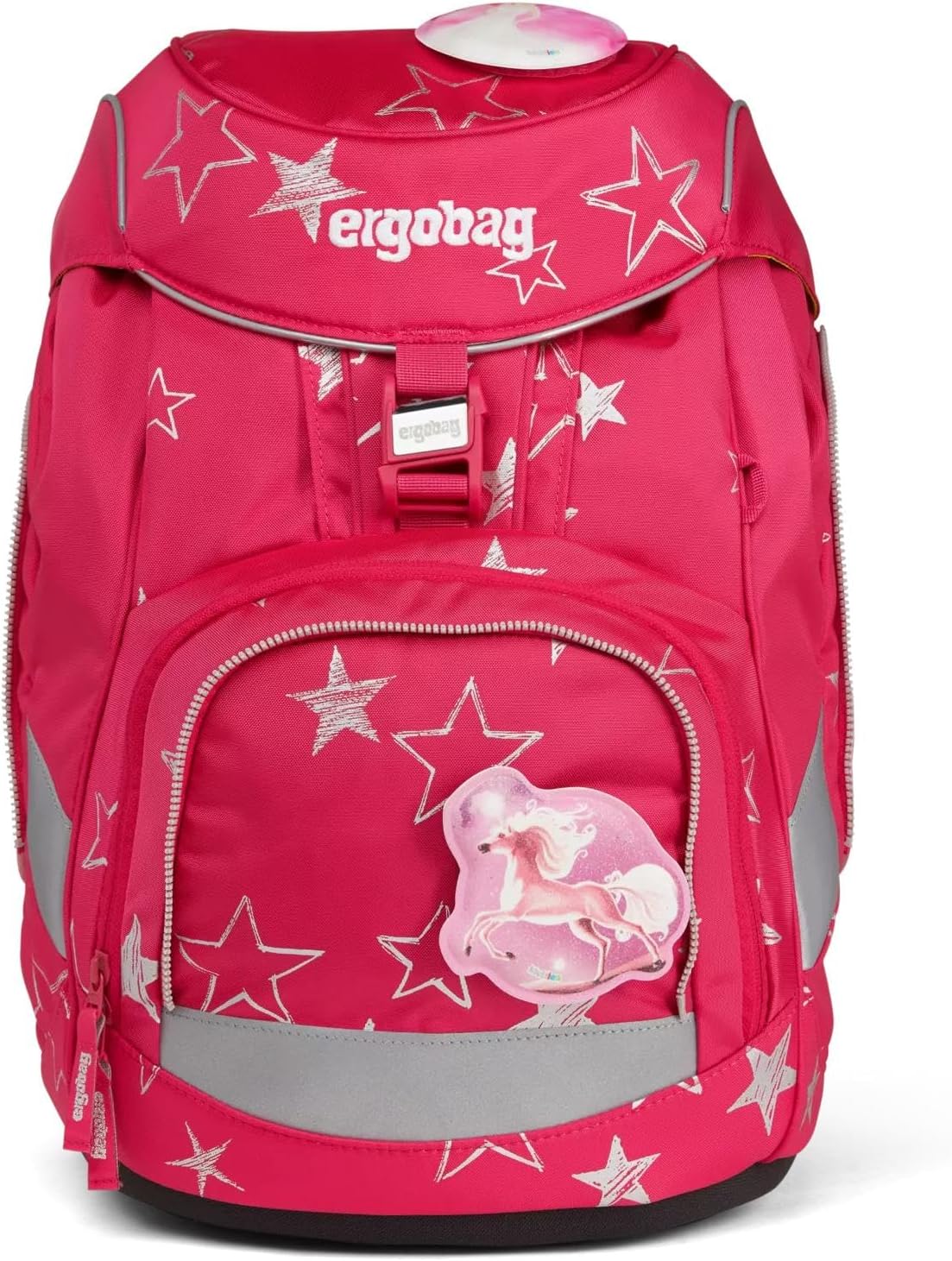
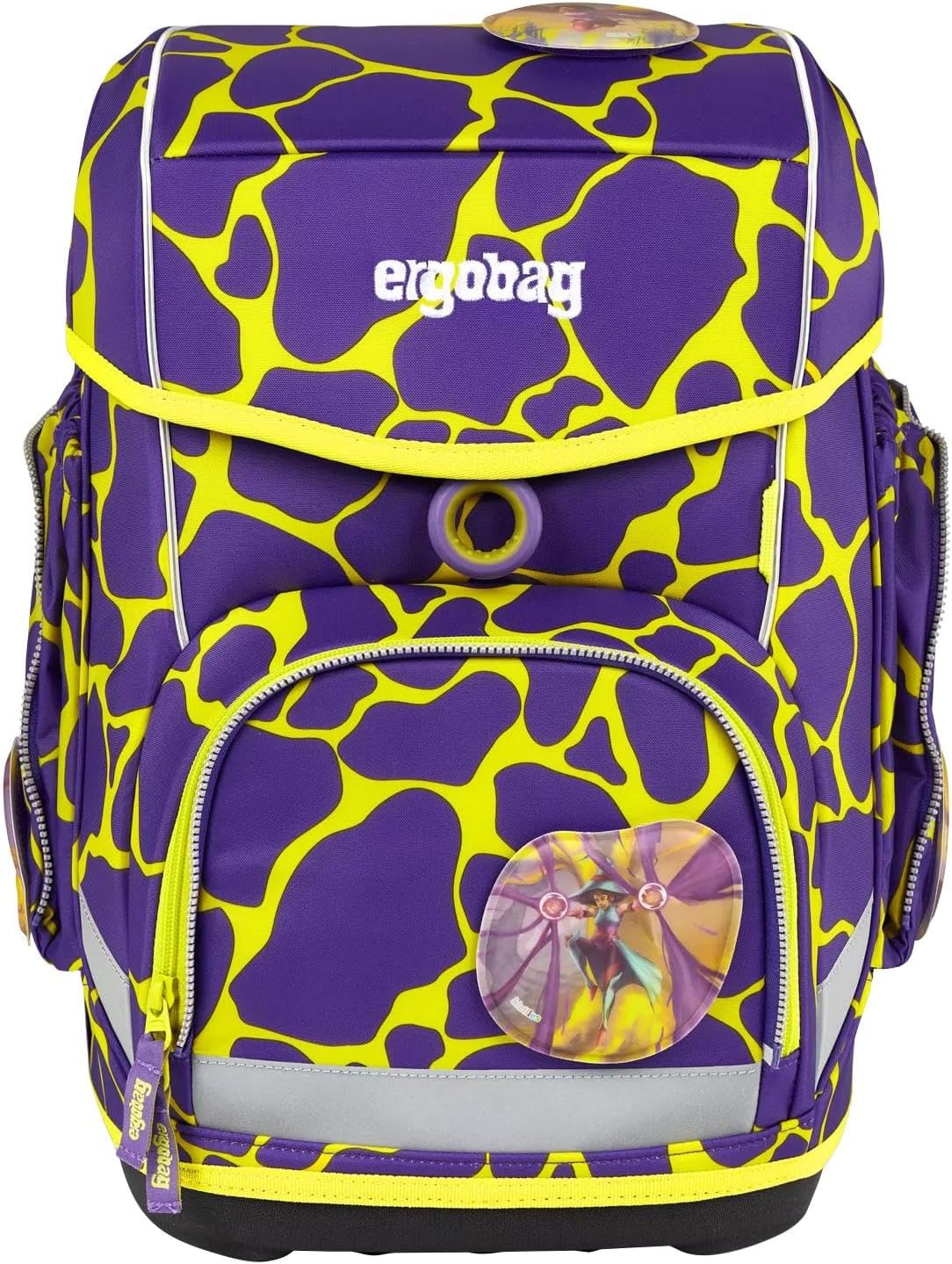
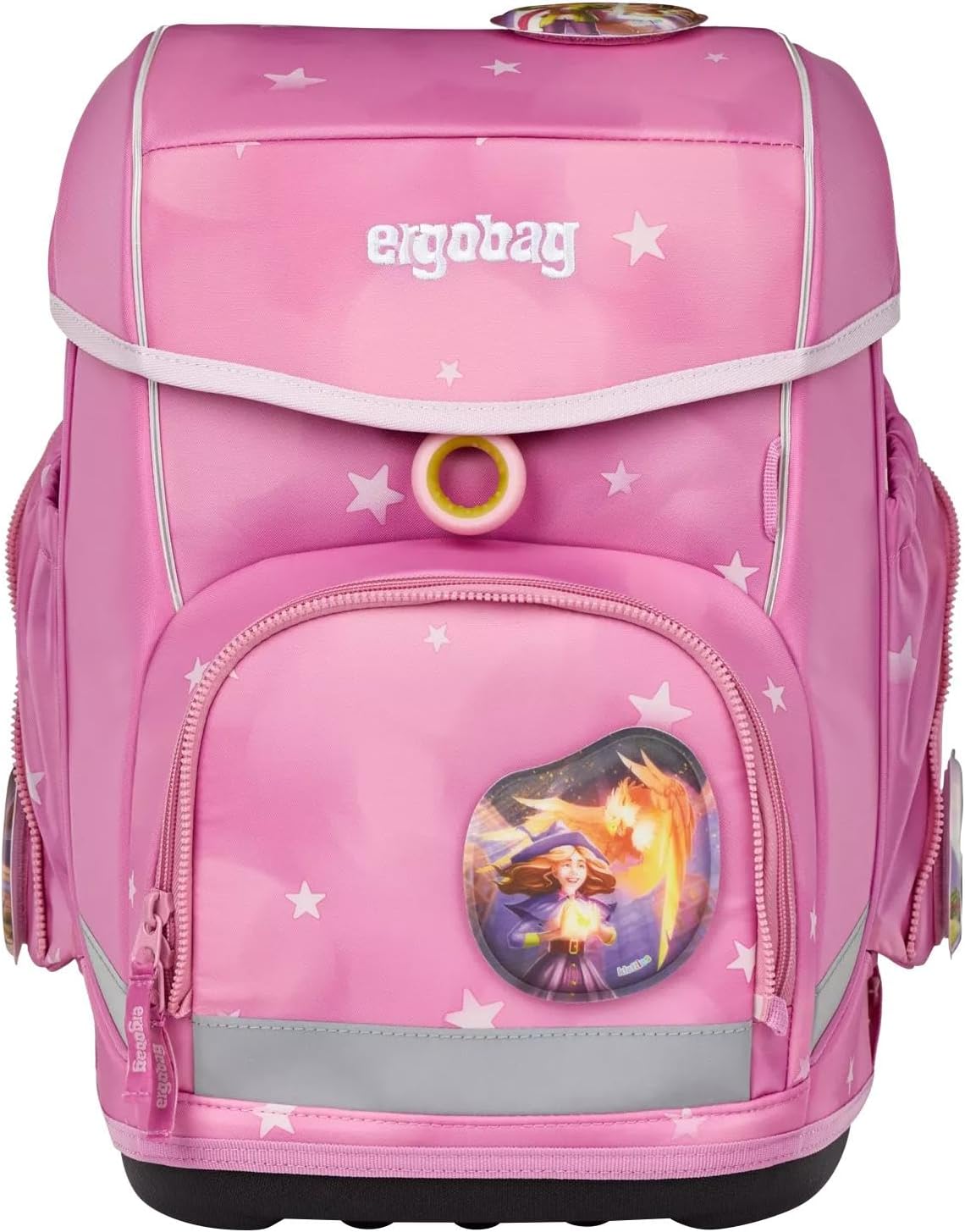
Construction quality also separates a classic backpack from a disposable trend piece. Double stitching on stress points, reinforced bottoms, and smooth zippers ensure that the bag survives crowded school corridors and weekend outings. For a detailed example of how a structured ergonomic design works in real life, many parents study the Ergobag Pack ergonomic school backpack set review before choosing their first primary school bag.
Matching ergonomic school bags to age, size, and school stage
The best ergonomic school bags always respect the child’s age and body size. A toddler backpack that looks adorable in photos can be harmful if it hangs too low or lacks padded support. For preschool children, the backpack should never be wider than their shoulders or taller than their torso.
Preschool and early elementary school kids usually need a compact school bag. One main compartment, a small front pocket, and a side pocket for a tiny water bottle are often enough for spare clothes, a soft lunch box, and a favourite toy. Lightweight fabrics, soft padded straps, and a friendly print keep the product playful without overwhelming small frames.
From mid elementary school onward, capacity requirements change quickly. Children start carrying more books, a pencil case, and sometimes a small laptop or tablet, so the main compartment must be taller and more structured. At this stage, a classic backpack with a padded back panel and adjustable shoulder straps becomes the most versatile option.
High school students demand both fashion credibility and technical performance. They often prefer a simple modern silhouette in black, navy, or muted pastels that pairs with sneakers and tailored coats. Inside, they need at least one padded laptop sleeve, multiple pockets, and a water resistant lining to protect devices and notebooks from water spills.
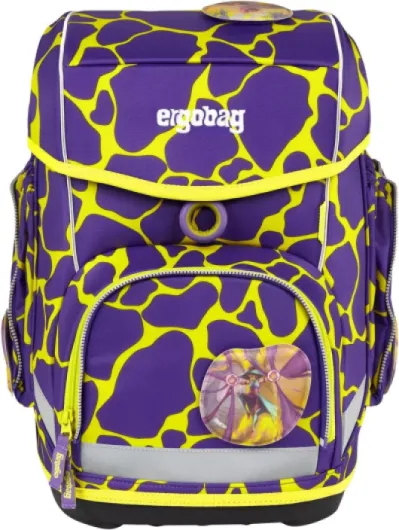
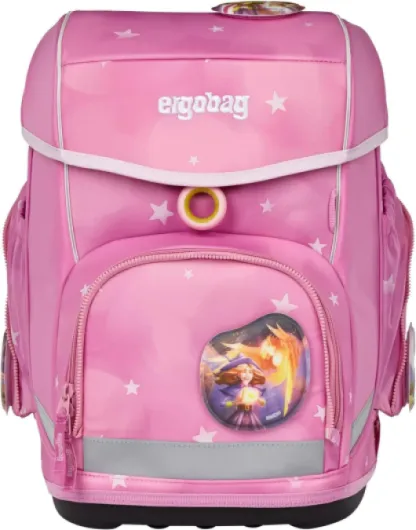
Some ergonomic brands design specific models for the first year of primary school. These school backpack sets often include a matching lunch box, pencil case, and sometimes a sports bag, all coordinated with the main compartment colour palette. For a structured, boxy alternative to softer shapes, many families examine the Ergobag Cube classical ergonomic school backpack set test to understand how a rigid frame supports posture.
Growth spurts complicate the choice of size and capacity. Adjustable padded straps, sliding chest clips, and sometimes a waist belt allow one school bag to adapt across several centimetres of height. When you evaluate the list price, consider how many school stages the backpack can realistically cover without compromising ergonomic support.
Style, outfits, and how ergonomic bags complete school day looks
For fashion kid passionate readers, the best ergonomic school bags must work as part of a full outfit. A backpack is often the largest accessory on a school day, so its colour, texture, and silhouette frame the entire look. When chosen carefully, a school bag can echo the tones of sneakers, jackets, and hair accessories without feeling too matchy.
Classic backpack designs in solid colours offer the most versatility. A navy or black school backpack with subtle contrast stitching pairs beautifully with both sporty tracksuits and tailored blazers. Kids can then add personality through keychains on the front pocket, patterned water bottle choices, or a printed lunch box tucked into the main compartment.
Print lovers can still enjoy ergonomic support without sacrificing flair. Many brands now offer kids backpack collections with galaxy, floral, or street art motifs printed on recycled materials that remain water resistant. The trick is to keep the silhouette simple modern, with clean lines, padded straps, and a structured back panel that maintains posture even when the design feels playful.
Seasonal dressing also influences bag choices. In winter, thick coats require longer shoulder straps and slightly more space between the padded back panel and the body, while in summer a lighter fit prevents sweat patches on thin T shirts. Choosing adjustable padded straps with smooth sliders ensures that kids can tweak the fit themselves as layers change.
Sports days and after school activities add another layer of complexity. Some families prefer a larger capacity school bag with an extra compartment for trainers and a separate pocket for a compact towel, while others add a second lightweight tote for sports gear. When comparing options, check whether the side pocket can hold a full size water bottle securely during running or cycling.
Footwear obsessed readers often coordinate their ergonomic school bags with performance shoes. If your child loves technical sneakers or football cleats, you might enjoy the style guidance in this expert round up of top kids cleats, then echo those colour accents on the backpack’s front panel or zipper pulls. This kind of thoughtful styling turns a practical product into a cohesive fashion story from head to toe.
Materials, sustainability, and long term value
Material choice defines both the tactile feel and the environmental footprint of the best ergonomic school bags. Many premium brands now prioritise recycled materials such as post consumer polyester, which reduces waste while maintaining strength. When you read a product description, look for clear percentages of recycled content rather than vague eco friendly claims.
Water resistant finishes are essential for unpredictable weather and accidental spills. A school backpack with a coated fabric or tightly woven recycled fibres will protect books, a laptop, and a lunch box from light rain or leaking water bottles. For fashion conscious kids, this also means fewer stains and a fresher look across the entire school year.
Hardware quality contributes quietly to long term value. Smooth zippers on the main compartment and front pocket, sturdy buckles on shoulder straps, and reinforced grab handles all reduce the risk of mid term breakages. When a school bag survives several years of daily use, the original list price becomes far more reasonable on a cost per wear basis.
Interior organisation also affects durability. A padded laptop sleeve prevents corners from rubbing through the fabric, while separate pockets for pens and scissors stop sharp objects from damaging the lining. Some of the best ergonomic school bags include a quick access pocket lined with soft material to protect sunglasses or a smartphone.
Parents who care about sustainability often choose a single classic backpack that works across multiple outfits and seasons. Neutral colours, minimal branding, and timeless silhouettes reduce the urge to replace the bag every trend cycle, which lowers both environmental impact and total price over time. When combined with recycled materials and water resistant coatings, this approach delivers both style and substance.
Cleaning routines also extend the life of a kids backpack. Spot cleaning with mild soap, emptying crumbs from the main compartment, and airing the bag overnight after sports days all help fabrics stay fresh. Avoid machine washing unless the product label clearly allows it, because harsh cycles can damage padded straps and deform structured back panels.
How to evaluate fit, comfort, and practical features
Trying on a school bag correctly is as important as choosing the right sneakers. Ask your child to wear a typical school outfit, then adjust the shoulder straps until the backpack sits high on the back without touching the lower hips. The top of the main compartment should align roughly with the shoulders, not the neck.
Weight distribution is the next key factor in comfort. When packed, the heaviest items such as books or a laptop should sit closest to the back panel, while lighter pieces like a lunch box or hoodie can move toward the front pocket. This arrangement keeps the centre of gravity close to the spine and reduces strain on the shoulders.
Check how the padded back panel feels against different fabrics. Some kids prefer a smooth surface that glides over cotton T shirts, while others like a textured, ventilated design that reduces sweat under synthetic sports tops. In both cases, the padding should feel firm rather than squishy, because firm foam maintains shape and support across many school days.
Quick access features make a big difference during busy mornings. A top pocket for transport cards, a side pocket for a water bottle, and a front pocket for keys or lip balm all reduce rummaging time at the school gate. Inside, a clear layout of compartments helps kids remember exactly where they stored each item.
For families comparing models online, product pages on platforms like Amazon can be helpful when used critically. Look for photos that show the backpack on a child, detailed measurements in centimetres, and close ups of padded straps, zippers, and pockets rather than only stylised lifestyle shots. Reviews that mention elementary school or high school usage give extra context about capacity and durability.
Some iconic models such as the Jansport Superbreak classic backpack remain popular because of their simple modern shape and reliable construction. While not every classic design offers full ergonomic features, many now include padded straps, a lightly padded back panel, and a water resistant finish that suits both school and weekend wear. Always compare the list price against these long standing benchmarks to judge whether a newer product truly offers better value.
Ergonomic school bag buyer’s checklist
- Size and measurements: height roughly from your child’s shoulders to hips (often 35–45 cm), width not wider than their back, depth around 15–20 cm for everyday use.
- Capacity in litres: 8–12 L for preschool, 15–22 L for elementary school, 22–28 L for high school and sports days.
- Core ergonomic features: padded back panel, wide adjustable shoulder straps, optional chest strap, and a design that keeps weight close to the spine.
- Organisation: one main compartment, a padded laptop or tablet sleeve where needed, a front pocket for small items, and at least one side pocket for a water bottle.
- Materials and durability: recycled or robust synthetic fabrics, water resistant finish, reinforced bottom, and smooth zippers.
- Style and visibility: colours that match favourite outfits plus reflective details or trims for safer walks on darker mornings.
Balancing budget, brand, and long term comfort
Choosing the best ergonomic school bags often means balancing budget with long term comfort. A very low price can be tempting, but thin straps, unpadded backs, and weak zippers usually lead to early replacement. Investing slightly more in a well constructed school backpack often saves money and frustration over several school years.
Start by listing your non negotiable features. For most fashion focused families, these include padded shoulder straps, a structured back panel, at least one side pocket for a water bottle, and a main compartment large enough for books and a laptop or tablet. Once these essentials are covered, you can compare colourways, prints, and brand aesthetics to match your child’s style.
Brand reputation still matters in the kids backpack market. Established names that specialise in school bag design usually test their products for weight distribution, strap strength, and fabric durability, which supports both safety and comfort. When a brand publishes clear information about recycled materials and water resistant treatments, it signals a serious commitment to quality.
At the same time, do not overlook smaller labels that focus on simple modern silhouettes and thoughtful details. Some niche designers offer classic backpack shapes with unique colour blocking, subtle reflective trims, or hidden quick access pockets that appeal to style conscious kids. Always check measurements and capacity in litres rather than relying only on lifestyle photos.
Think about how the bag will transition between school and weekend life. A versatile school bag can carry textbooks during the week, then transform into a travel backpack for sleepovers or city outings with friends. Neutral tones, clean lines, and discreet logos make this crossover easier while still leaving room for playful charms on the front pocket.
Finally, involve your child in the decision. Ask them how the padded straps feel, whether the pockets are easy to reach, and if the overall look matches their favourite outfits and shoes. When kids feel proud of their backpack as both a fashion piece and a practical product, they are more likely to wear it correctly and care for it thoughtfully.
Key figures about ergonomic school bags
- According to the American Academy of Pediatrics (AAP), a child’s backpack should not exceed 10 to 15 percent of their body weight, which means a 30 kilogram child should carry no more than 3 to 4.5 kilograms to reduce strain on the spine. You can read more in the AAP’s guidance on school backpacks at HealthyChildren.org.
- Research published by the Journal of School Health reports that a substantial proportion of school aged children experience back pain related to heavy bags, highlighting the importance of padded straps and structured back panels in everyday school backpack design. A summary of this research is available via the journal’s website at onlinelibrary.wiley.com.
- Retailer trend reports from large online marketplaces show that water resistant and recycled materials now account for a growing share of kids backpack sales, reflecting increased parental demand for sustainable and durable school bag options.
- European consumer polls on family shopping habits indicate that parents are often willing to pay around 20 to 30 percent more in list price for ergonomic features such as padded backs, adjustable shoulder straps, and dedicated laptop compartments in high school backpacks.