Why smart parents start back to school outfits for kids in June
June is when strategic parents quietly lock in the best back to school outfits for kids. While everyone else waits for the chaotic rush, you are sliding into the sweet overlap between end of season sale rails and the first school collection drops, with full size runs and calmer kids. That timing matters, because pre teen and early teen children now influence most school outfits decisions and they rarely compromise once the TikTok trends hit peak volume.
Retail data shows that average clothing spend for the school year hovers around 250 to 350 euros per child. Early school shopping in June typically trims 15 to 25 percent off that regular price, especially when you combine mid season sale price tags with loyalty vouchers and discreet pre order windows. Think of it as shifting the budget, not inflating it ; you are paying the price regular shoppers pay in August, but for better fabrics, more durable school clothes and calmer choices.
There is also a psychological dividend for both parents and kids. When the core school wear is ordered early, every later order sale becomes optional, not panic driven, and arguments about what kids back in class should wear lose their sharp edge. You are no longer negotiating under pressure on the last day of summer, because the regular rotation of outfits and clothes outfits is already hanging in the wardrobe.
Building a five day school rotation that actually works
Think of the week as a style grid rather than a pile of random school outfits. A tight five day rotation for back to school outfits for kids means two pairs of hard wearing bottoms, three versatile tops, one knit dress or shirt dress, one light layer and one heavier layer, all in a coherent colour story. This is where you balance the pre teen wish list with your own sense of regular practicality and the real school wear rules.
For tops, aim for three key pieces ; a graphic tee in a deep blue or apple green for fun days, a striped long sleeve tee for cooler mornings, and a plain organic cotton tee that can sit under a blazer or cardigan. Bottoms should include one pair of dark wash jeans and one pair of soft tailored joggers or chinos, which cover both school styles and weekend wear without screaming uniform. Add a ribbed knit dress for girls back in classrooms who like movement, and you have instant outfits that move from lesson to playground without costume changes.
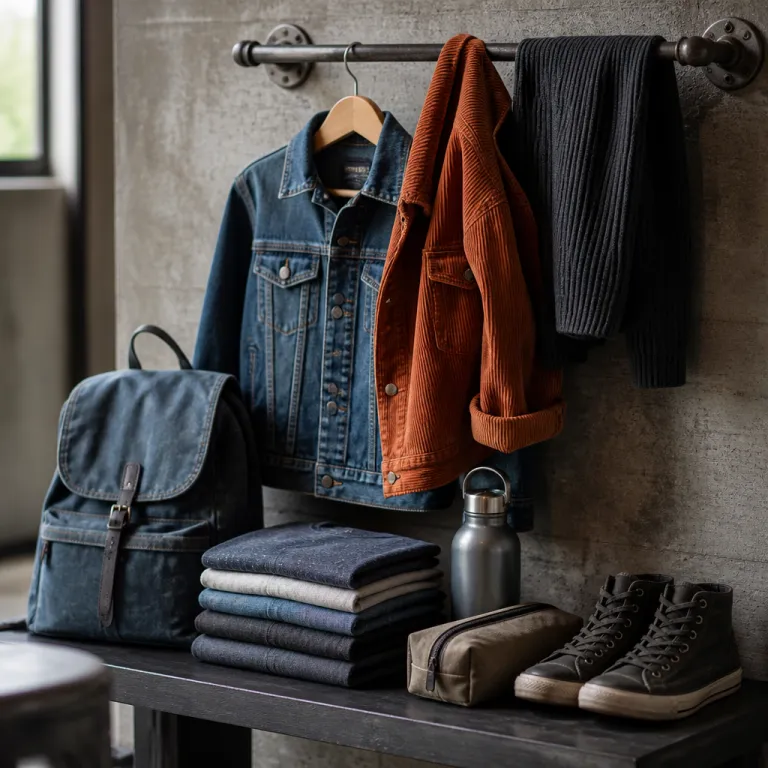
Accessories quietly make or break the rotation. A structured backpack with ergonomic straps keeps shoulders safe and outfits sharp, and you can compare detailed backpack tests on specialist backpack reviews for kids before you order. Slip in a subtle patch on a denim jacket or backpack to give kids back a sense of ownership, and keep one neutral pair of trainers plus one smarter shoe so every day feels slightly different without exploding the budget.
Uniform, semi uniform or no uniform : three capsule strategies
Whether your child faces strict uniform rules or a relaxed dress code, the logic of a capsule wardrobe still applies. In a full uniform school, the back to school outfits for kids conversation shifts from statement pieces to the quality of school clothes basics, like shirts that do not yellow and knitwear that does not bubble. Here, June is the moment to track the regular price of core items, then pounce when a sale price quietly appears in a mid season promotion.
For semi uniform schools, where a logo tee or specific colour is mandatory, treat the logo piece as a base layer. Buy two or three logo tees on pre order when the school collection first lands, then build outfits around them with better cut trousers, a knit dress for colder days and a rotation of overshirts or hoodies that reflect your child’s taste. This is where you might invest in a single beautifully cut blazer from a curated list such as the one on top blazers for style conscious kids, because one sharp layer can elevate very regular school styles.
In non uniform schools, the capsule needs stricter editing, not more pieces. Limit the rail to around ten mixable items for the school year, including three bottoms, four tops, one knit dress or jumpsuit, and two layers, and agree clear rules with your child about what counts as school wear versus weekend wear. When you both know that every piece must work in at least three different clothes outfits, impulse buys during a flash order sale lose their appeal.
Backpacks, shoes and layers : the real workhorses of school wear
Parents obsess over the perfect dress or tee, but the unsung heroes of back to school outfits for kids are backpacks, shoes and outer layers. These are the pieces that take the daily hit from lockers, buses and playground gravel, and they are exactly where June shopping pays off. Early birds get the full run of sizes, colours and widths, instead of the picked over end of August wall of compromises.
Start with the backpack, because it frames the whole silhouette and affects posture. Look for padded straps, a supportive back panel and a weight that stays under 10 percent of your child’s body weight when full, and study in depth tests such as the ergonomic school backpack review before you order anything. A clean design in navy or blue with a single fun patch or apple motif will outlast trend driven prints and still feel fresh when kids back in class hit winter.
Shoes deserve the same level of scrutiny as any knit dress or premium hoodie. One pair of leather trainers with reinforced toes and one pair of smarter shoes or ankle boots will carry most children through the school year, especially if you size with a half centimetre growth buffer. For layers, think in terms of a light bomber or denim jacket for early autumn, plus a lined parka for colder days, and remember that these pieces sit over every combination of school outfits and clothes kids wear, so neutral colours earn their price.
Budget, price psychology and the June advantage
Let us talk frankly about price, because style without budget realism is just mood boarding. With average spending on back to school outfits for kids sitting around 250 to 350 euros per child, the question is not whether you will spend, but when and how. June shoppers quietly convert that same budget into better fabrics, smarter cuts and fewer emergency purchases at full regular price.
Here is how the maths usually plays out for a pre teen capsule. If you allocate roughly 40 percent of the budget to bottoms and dresses, 30 percent to tops, 20 percent to shoes and 10 percent to accessories, you can track each category against both the regular price and any sale price that appears in early summer. Signing up for brand newsletters in May often unlocks pre order access and free shipping on the first shipping orders, which means you secure the right sizes before the back school rush without paying a premium.
Psychologically, buying early also changes how both you and your child view clothes outfits. When the core school collection is already hanging ready, any later impulse buy has to justify its price regular against pieces you both know work hard, which naturally filters out flimsy trend items. You are teaching your child to read labels, compare fabrics and think about cost per wear, not just the sweet thrill of a new tee on the first day.
Growth, fit and tween autonomy : negotiating the school year wardrobe
By eight or nine, most kids have strong opinions about what they will actually wear. The art of curating back to school outfits for kids at this age lies in negotiating silhouettes, not policing every graphic or colour. You are aiming for a wardrobe where your child feels seen and stylish, but you still control the underlying quality and practicality.
When it comes to growth, resist the temptation to size up too aggressively. For tops and knit dress styles, a one size up strategy usually gives enough room for a full school year without drowning the frame, while trousers and jeans work best with a maximum of two centimetres of extra length and an adjustable waist. Shoes should allow around a thumb width of space at the toe, which typically covers one term of growth without compromising gait or making the regular school day feel clumsy.
Autonomy is the final, often overlooked, ingredient. Involve your child in building a simple five day rail on Sunday night, with outfits pre hung so mornings become a quick grab rather than a floor strewn negotiation. When they help choose the blue tee, the apple print dress or the patched denim jacket that will headline each day, they are more likely to respect the clothes kids actually own and less likely to lobby for another last minute order sale when a friend shows up in something new.
Key figures on early back to school shopping
- Average spending on clothing for the school year typically ranges between 250 and 350 euros per child, according to National Retail Federation data, which makes planning categories in advance essential.
- Parents who complete most of their school shopping in June and early July often save between 15 and 25 percent compared with those who wait until late August, largely thanks to overlapping mid season sales and better access to full size ranges.
- Research on tween influence shows that around three quarters of children aged 8 to 12 want a say in their school outfits, which means collaborative planning reduces returns and unworn pieces.
- Backpacks and shoes usually absorb 30 to 40 percent of the total clothing budget for back to school outfits for kids, yet these categories also deliver the highest cost per wear value across the school year.
- Capsule wardrobes built around 10 to 12 mix and match pieces can generate more than 30 distinct outfits, which significantly reduces impulse buying during peak promotional periods.
FAQ about early back to school outfits for kids
How early should I start shopping for back to school outfits for kids ?
Starting in June gives you access to both end of season discounts and the first wave of new school collection drops, which means better prices and full size availability. You avoid the late summer rush, reduce stress and can involve your child in calmer, more thoughtful choices. This timing also leaves room for a small top up shop closer to term if growth spurts appear.
How many pieces does a child really need for a school week ?
A practical five day rotation usually needs two pairs of bottoms, three tops, one knit dress or equivalent one piece, and two layers, plus two pairs of shoes. This compact capsule can create more than ten different outfits when colours and cuts are chosen to mix easily. Anything beyond that should be treated as optional, not essential.
Is it worth paying more for better quality school clothes ?
Paying a slightly higher price for durable fabrics and reinforced construction often saves money over the school year, because pieces last longer and look presentable for more wears. Items like jeans, knitwear, backpacks and shoes deliver especially strong cost per wear when you avoid the very cheapest options. Early sale price opportunities in June help you access that quality without overshooting your budget.
How do I balance my tween’s style with school rules ?
Agree clear boundaries on length, logos and overall school wear appropriateness, then let your child choose colours, graphics and accessories within that frame. Building a shared moodboard or short wish list before you shop keeps the conversation focused on silhouettes and comfort rather than last minute trends. When children feel heard, they are more likely to respect both the clothes and the school dress code.
What is the best way to handle growth spurts during the school year ?
Buy tops and knit dresses with a modest size up margin and choose trousers with adjustable waists or cuffable hems, so you can adapt as they grow. Keep a small reserve in your budget for a mid year refresh of the most heavily worn items, especially shoes and jeans. Planning this from the start prevents frustration when a sudden growth spurt hits mid term.
Sources
- National Retail Federation, Back to School Spending Survey.
- Common Sense Media, research on tween and teen influence on family purchases.
- European Consumer Organisation (BEUC), reports on children’s clothing durability and safety.