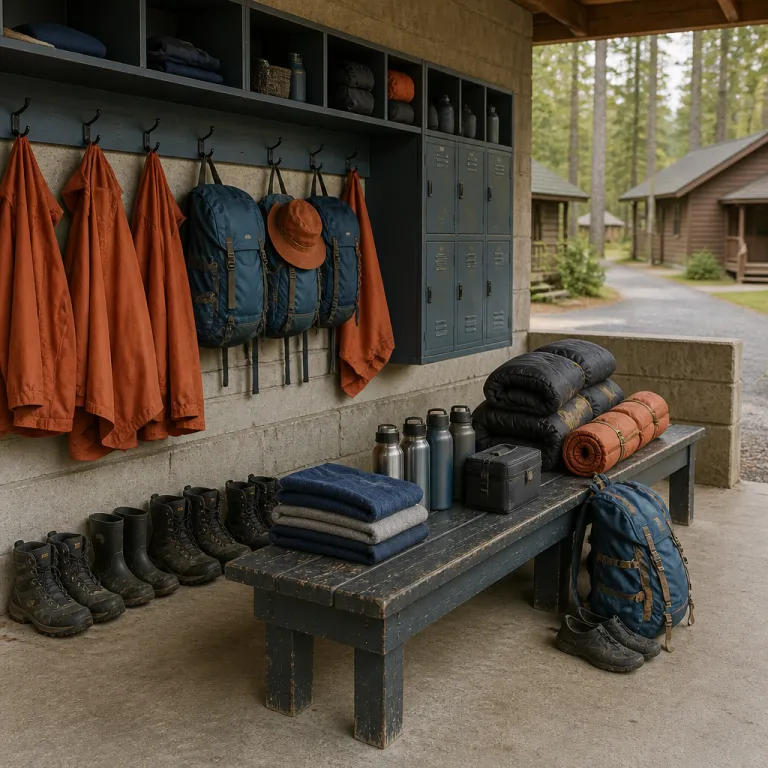
Building a kids summer camp wardrobe checklist that actually works
Think of the kids summer camp wardrobe checklist as a capsule collection built for mud, mess and midnight giggles. Your child needs enough clothing for rotation, but every piece must earn its place by surviving outdoor activities, surprise rain and industrial camp laundry. A sharp camp packing strategy means your kid can dress themselves fast, feel like themselves and still respect the rules that counselors quietly enforce.
Start by separating day camp from sleepaway camp needs, because the packing list is not the same. For a day camp in the city, five mix and match outfits, one lightweight rain layer and a pair of closed toe trainers will usually cover most activities without overstuffing bags. For a full sleepaway camp, plan for at least seven complete outfits, two extra tops, one “sacrifice” set for the messiest activities and a clear list taped inside the duffel bag so your child can actually re-pack summer pieces alone.
Every camp will send a packing list, but it rarely explains quality. Choose cotton rich jerseys with a touch of elastane, because these items stretch, breathe and forgive rough campers who slide on gravel or climb ropes. Avoid heavy denim for daily wear ; instead pack lighter twill shorts and joggers that dry overnight on a bunk rail, which keeps the camp experience comfortable even when laundry runs only twice a week.
Think in categories, not chaos, when you pack summer outfits for kids. Three to four graphic tees, two plain tees and one long sleeve top give enough options for changing temperatures without turning the sleeping area into a floor of clothing. Add one hoodie, one fleece and one thin quilted gilet to the list so your child will not freeze during late night campfire activities or early morning lake checks.
For bottoms, two pairs of athletic shorts, two woven shorts and two lightweight joggers usually balance style and practicality. Streetwear leaning preteens can still bring their favourite cargo shorts, but limit precious pieces to one or two items that can survive camp packing chaos and still look good with stains. Counselors consistently report that kids who arrive with clear outfit formulas sleep faster, dress faster and argue less about what to bring each morning.
Playtime perfect: outfits for messy days, creek walks and arts camps
Occasion outfits for camp are not about tulle and staged photos ; they are about playtime perfect looks that can handle tie dye, clay and creek water. For arts focused camps, your kids summer camp wardrobe checklist should prioritise dark, stain friendly clothing that hides paint splatters and glue. Choose cotton poplin shorts, jersey dresses and relaxed tees that your child will happily wear again even after a full day of messy activities.
Build one designated “sacrifice layer” outfit that your child knows is for the worst of the mess. This can be an old tee, soft shorts and a lightweight sweatshirt that you are ready to lose to permanent dye, which keeps the rest of the clothing rotation relatively safe. For style savvy kids, point them toward casual dresses and jersey sets that already look intentionally washed out, then show them curated options on a guide to top casual dresses for active days.
Outdoor camps demand a different gear mindset, because water, mud and sun are constant. Pack at least two swimsuits, one long sleeve rash guard and one pair of water shoes that actually grip wet rocks, not flimsy pool slides. Add flip flops only for showers, since counselors see too many campers attempt hikes in them and end up carrying both child and bag back to base.
Every child should bring one sturdy water bottle and ideally two water bottles for sleepaway camp, because one always goes missing during outdoor activities. Label both bottles clearly and attach them to bags with carabiners, which keeps hydration literally attached to the camp experience instead of buried under clothing. When you pack summer accessories, include a soft brim hat, UV sunglasses and a small pouch for insect repellent so your kid can reapply without hunting through a duffel bag.
Arts camps and drama camps often request black leggings or neutral tees for performances, so check the camp packing notes carefully. Add one performance ready outfit to your packing lists that still feels like your child, maybe black joggers with a slightly oversized tee they already love. The goal is simple ; they should step on stage feeling like themselves, not like they were styled by the lost and found bin.
Sleepaway specifics: sleeping bags, laundry reality and the labeling system that saves everything
Sleepaway camp changes the rules of the kids summer camp wardrobe checklist, because your child lives in those clothes for days without you. The sleeping setup matters as much as the outfits, so invest in a sleeping bag rated for cool nights, not just indoor sleepovers. Pair that with a fitted sheet for the camp mattress and a light cotton blanket, which gives campers layering options when temperatures swing between humid evenings and chilly dawns.
Always send a separate laundry bag, clearly labelled and easy to cinch. A mesh or breathable fabric laundry bag helps damp towels and swimwear dry faster, which keeps the rest of the clothing from smelling like a forgotten pool. Counselors repeatedly complain about kids arriving with plastic bags for laundry, because those bags trap moisture and turn clean items into a mildew scented mess within two days.
Labeling is where stylish parents often fail, and counselors pay the price. Iron on labels survive camp laundry best, clothing stamps work for dark items and a permanent marker on care tags is still better than nothing. When you are planning your camp packing system, label every piece before it goes into the duffel bag, including the sleeping bag, water bottle and even flip flops.
Shoes deserve their own mini list, because the wrong pair ruins outdoor activities. Pack one pair of trail ready trainers with proper tread, one pair of water shoes for lake edges and boats, and one pair of flip flops strictly for showers and poolside. Leave fashion sneakers at home ; they will not survive mud, rain and the rough ground around cabins, and your child will end up borrowing gear from the camp office.
Cold snaps still happen in the height of summer, especially in mountain camps. Slip one thermal base layer and one beanie into the camp packing list, even if your child rolls their eyes while you pack summer pieces. If your family also skis, you already know how quickly temperatures drop near lakes and forests, and you can apply the same logic you use when choosing serious junior ski boots for harsh conditions.
Smart packing lists, real life style and what not to send
The most effective kids summer camp wardrobe checklist starts on the floor, not in your head. Lay out every item by category, then let your child help decide which clothing pieces feel most “them” within your non negotiable framework. This shared camp packing ritual teaches independence and reduces the classic “you never let me bring anything cool” argument.
Use small fabric bags inside the main duffel bag to create zones. One bag for underwear and socks, one for swim gear, one for sleepwear and one for outdoor activities gear turns chaos into a system your child can actually maintain. Slip a printed list into the top pocket so they will remember to bring back water bottles, insect repellent and hats from the field instead of leaving them scattered across camps.
Sleepwear deserves more thought than an old tee and random shorts. Pack two sets of breathable cotton pyjamas for sleepaway camp, plus one extra tee in case of late night spills or homesick tears. For day camp, one favourite sleep set is enough, but still choose something your child would not mind being seen in during a surprise fire drill or cabin check.
There are clear no go items that never belong in camp bags. Leave white trainers, dry clean only pieces, irreplaceable hoodies and anything with complicated fastenings at home, because camp laundry and shared cabins are brutal. Skip heavy jewellery, expensive watches and fragile accessories too ; they will either break during activities or vanish into the communal gear pile.
Think ahead to the next season while you pack summer outfits, especially for style conscious preteens. If your child is already eyeing back to school looks, use that as leverage and show them a guide to smart back to school outfits that work beyond the classroom. The best camp wardrobe is not what photographs well, but what survives the playground.
FAQ
How many outfits should I pack for a one week sleepaway camp?
For a one week sleepaway camp, aim for at least seven full outfits plus two spare tops. That usually means seven tees, four to five pairs of shorts, two lightweight joggers and enough underwear and socks for ten days in case laundry runs late. Add one hoodie, one fleece and one rain jacket so your child can layer for changing weather without raiding other campers’ clothing.
What type of shoes are best for outdoor camp activities?
Closed toe trainers with good tread are non negotiable for outdoor activities, because they protect toes and grip uneven ground. Add one pair of water shoes for lakes and boats, and reserve flip flops strictly for showers or pool edges. Fashion sneakers, slides and open sandals should stay home, since they fail quickly on trails and create extra work for counselors.
Do I really need to label every single item of clothing?
Yes, every item that goes to camp should carry your child’s name somewhere discreet but visible. Shared cabins, crowded laundry rooms and identical high street basics mean unlabeled pieces disappear into the lost and found within days. A mix of iron on labels, clothing stamps and permanent marker on care tags usually survives the full camp experience.
What fabrics work best for summer camp clothing?
Lightweight cotton blends with a small amount of elastane balance comfort, breathability and resilience. Technical sports fabrics are excellent for shorts and tees used in high sweat activities, because they dry quickly on a bunk rail. Avoid heavy denim, thick fleece and anything that takes more than one night to dry, since camp laundry access is limited.
What should my child never bring to camp?
Skip anything precious, white or difficult to wash, including designer trainers, dry clean only pieces and sentimental hoodies. Leave jewellery, expensive watches and fragile accessories at home, because they either break during activities or vanish in shared spaces. If you would be upset to see it stained, shrunk or lost, it does not belong in the camp bag.