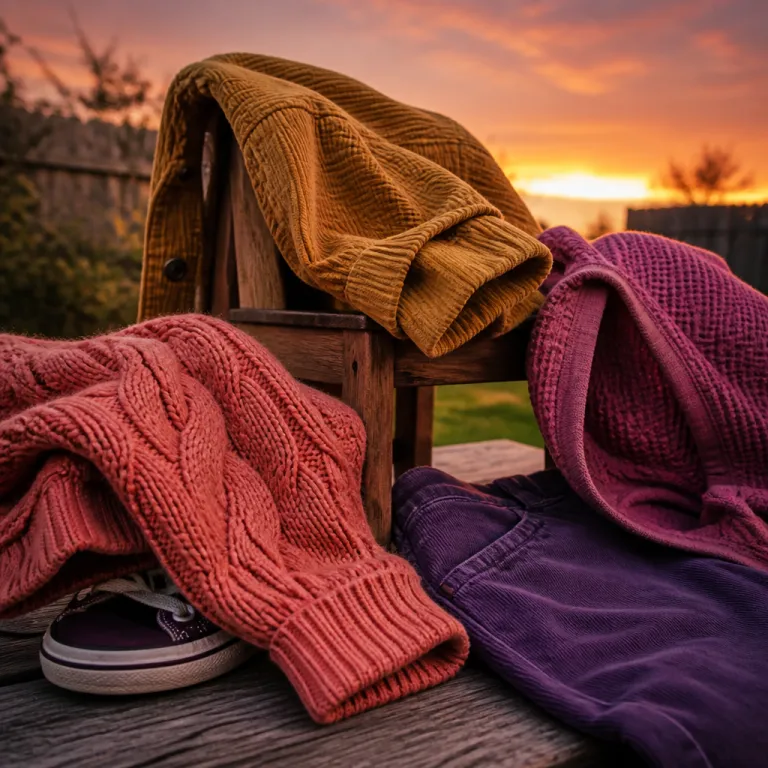
The comfort first generation and the rise of oversized silhouettes
The oversized kids fashion trend 2026 did not appear from nowhere. The pandemic years rewired how children, parents and brands think about comfort, and this season that shift shows in every rail of kids clothing. What used to be a weekend exception now quietly defines everyday childrenswear.
Loose joggers, slouchy hoodies and relaxed denim have replaced skinny jeans in many kids’ wardrobes, and the new normal is a silhouette that feels one size larger than traditional children’s clothes. This comfort first generation has grown up in elastic waistbands and dropped shoulders, so any rigid border between loungewear and streetwear has almost dissolved. As relaxed kidswear continues in this direction, parents will need sharper criteria than simply asking whether a piece feels fun in the fitting room.
Oversized styles promise freedom of movement and longer wear, and the industry loves to say these fashion trends extend garment life by six to twelve months. That claim holds only when the designs feel engineered for growth, not just sized up without thought for proportion or size grading. The oversized kids fashion trend 2026 will dominate the mass market, but the best labels treat volume as a design element rather than a lazy shortcut.
Look closely at the content of current collections and you see two paths emerging. Streetwear driven brands lean into boxy jackets, balloon trousers and exaggerated tops-and-bottoms sets that echo adult fashion, while more classic European houses still defend structure with tailored coats and neat pleats. Between those extremes lies the real question for eco conscious parents: is kids fashion losing its shape, or finally allowing children to inhabit clothes that match their energy?
Comfort is not the enemy of elegance, but it can become an excuse for formlessness when every top, sweatshirt and shirt is simply bought two sizes up. When the oversized kids fashion trend 2026 is interpreted as “buy big and hope for the best”, children’s clothes swamp smaller frames and distort posture. A child constantly tugging at a slipping shoulder seam is not experiencing confidence or creativity, just distraction.
Parents who care about both style and sustainability should read volume the way a pattern cutter does, paying attention to where fabric sits on the body. A well cut oversized top in organic cotton can skim the hip, frame the face and still leave room for growth, while a random upsized tee drags the eye downward and kills any everyday sparkle. The difference is not only aesthetic: it shapes how kids feel in their bodies when they run, climb and sit through a school day.
Color plays a quiet but powerful role in this shift toward relaxed silhouettes. When you pair generous cuts with bold or bright colors, the eye reads intention rather than hand me down chaos, especially in matching sets that balance volume with clarity. A slouchy sweatshirt in saturated cobalt or a pair of wide leg trousers with precise graphic prints signals that this is a deliberate style choice, not a sizing mistake.
Parents will notice that the oversized kids fashion trend 2026 often arrives packaged as coordinated sets, from jersey tops-and-bottoms duos to woven shirt and short combinations. These matching sets help maintain visual order when the outline is loose, because repeating a color or print becomes a stabilising element. Think of it as drawing a clean border around the look, so the child still appears composed even when the silhouette is relaxed.
Accessories matter more than ever when shapes expand, because they anchor the outfit and restore proportion. A neat beanie, a structured backpack or a slim belt in natural fabrics can pull a voluminous hoodie and jogger set back toward intentional style. When every garment is soft and oversized, a single sharp accessory becomes the top note that keeps the look from drifting into pyjama territory.
For eco responsible families, the comfort first generation also raises questions about fabric choice and long term wear. Oversized pieces in organic cotton or other natural fibres breathe better, wash cleaner and age with a patina rather than a sag, which is crucial when garments are worn across multiple seasons. If the oversized kids fashion trend 2026 is going to extend the life of kids clothing, the fibre content must be robust enough to handle playground abrasion and repeated laundering.
Growth friendly engineering versus simply sizing up
There is a technical difference between growth friendly design and the lazy habit of buying children’s clothes two sizes too big. True oversized styles are drafted with altered shoulder slopes, adjusted armholes and carefully placed darts or pleats, so the extra fabric becomes a deliberate element of the silhouette. When brands ignore this engineering, the oversized kids fashion trend 2026 turns into a sea of drooping necklines and tripping hemlines.
Look at jackets to see this contrast most clearly, because outerwear exposes every pattern cutting decision. Intentionally oversized jackets for kids will have dropped shoulders but tapered sleeves, sometimes with a subtle elastic cuff or a clever button tab that lets you shorten the arm for a smaller child. When parents simply buy a standard coat in a larger size, the shoulder seam slides halfway down the arm and the whole piece shifts backward, pulling at the neck and compromising comfort.
Parkas and technical coats show how growth friendly engineering can respect both function and style. Some of the better Nordic inspired labels now offer parkas with adjustable waist tunnels, fold back cuffs and removable liners, which means the same piece can span at least two winters without swallowing the child. If you are comparing options, a curated guide to top kids parkas can help you read these details and understand which designs feel genuinely future proof.
Denim is another test case for the oversized kids fashion trend 2026, because poorly cut wide leg jeans can drag and fray within weeks. A well designed pair will combine a relaxed thigh with a slightly tapered hem, often with an internal adjustable waistband that respects different body shapes and size ranges. When fashion continues to push baggy denim without this engineering, kids end up stepping on their hems and parents quietly retire the jeans long before the fabric wears out.
Sets deserve special attention, because matching outfits are often sold as the easy answer to busy mornings. In reality, growth friendly sets rely on modularity: tops and bottoms must work both together and separately, so that when one piece is outgrown the other still earns its place in kids’ wardrobes. The oversized kids fashion trend 2026 will dominate this category, but only the best designs feel balanced when you mix them with other children’s clothing.
Pay attention to top lengths in these sets, especially for primary school kids who spend long hours sitting. A cropped but boxy sweatshirt that hits just below the waistband respects movement and posture, while an unplanned tunic length top can bunch at the hips and twist uncomfortably under a backpack. When parents choose pieces with clear proportion rules, children experience both freedom and support rather than constant fidgeting.
Buttons and fastenings are small but decisive details in growth friendly oversized design. A shirt with a slightly wider placket and sturdy button stitching can handle repeated strain as kids pull it on and off, while flimsy fastenings fail quickly when there is extra fabric to manage. Treat each button, zip and snap as a structural element, not just decoration, especially in high friction zones like cuffs and waistbands.
For eco conscious parents, fabric choice intersects with engineering in very practical ways. Oversized garments in dense organic cotton jersey or brushed fleece hold their shape better than cheaper blends, so the designs feel intentional even after months of washing. Natural fabrics also regulate temperature more effectively, which matters when a generous cut traps extra air around the body during each season.
Color and print placement can either sharpen or blur an oversized silhouette. Vertical seams, contrast panels or carefully scaled graphic prints help guide the eye, preventing the child from disappearing inside a block of fabric. When designers use bold colors with precision, they create visual structure that compensates for the relaxed outline and keeps the look sharp.
Parents who want to support confidence and creativity should look for these engineering cues rather than relying on marketing language about “room to grow”. The oversized kids fashion trend 2026 can absolutely be a sustainability ally, but only when pattern cutting, fabric choice and finishing details all work together. Anything less is just overconsumption disguised as practicality.
Age specific proportions: what works at 4 rarely works at 12
Oversized silhouettes behave very differently on a four year old body than on a twelve year old one. The same hoodie that looks charmingly cocoon like on a preschooler can feel slouchy and self conscious on a tween who is already negotiating a changing relationship with their body. The oversized kids fashion trend 2026 demands a more nuanced age aware approach than simply scaling up the same styles.
For toddlers and early primary kids, volume often reads as protection and playfulness. Boxy sweatshirts, balloon joggers and roomy denim dungarees allow for crawling, climbing and spontaneous naps in the car seat, while still leaving space for layers as the season shifts. At this age, parents will rightly prioritise soft natural fabrics like organic cotton, because kids’ clothing sits directly against more sensitive skin for long stretches of the day.
Bright and bold colors work beautifully on younger kids, especially when anchored by simple shapes and minimal accessories. A wide leg trouser in a saturated green paired with a compact striped top creates a clear silhouette that still feels fun and energetic. Graphic prints can be larger and more playful here, because the overall effect is one of everyday sparkle rather than visual noise.
By the time children reach nine to twelve, the emotional stakes of style shift. Tweens read fashion content online, compare outfits with peers and use clothes to test identity, so the oversized kids fashion trend 2026 intersects directly with self image. At this stage, drowning them in fabric can unintentionally send the message that their changing bodies should be hidden rather than celebrated.
For older kids, the most successful oversized looks borrow from adult streetwear but soften the edges. Think relaxed cargo trousers with a tapered ankle, a cropped but boxy sweatshirt, or a varsity jacket with slightly extended shoulders but a neat waist. These styles let kids feel aligned with wider fashion trends while still respecting the realities of school dress codes and playground practicality.
Skirts offer a useful case study in proportion for tweens navigating this shift. A-line or softly pleated skirts in sturdy organic cotton twill can sit slightly lower on the hip without sliding, especially when paired with a fitted ribbed top that balances volume. London-based kidswear label Stella McCartney Kids has described its approach as “keeping movement at the heart of every silhouette” in brand interviews from the early 2020s, a principle that helps skirts feel empowering rather than costume like.
Accessories become powerful tools for older kids who want agency over their look. A slim belt, a structured crossbody bag or a carefully chosen hair accessory can turn a generic oversized hoodie into a personal statement. These small choices help build confidence and creativity, because kids learn how to edit volume and color to suit their mood and body on any given day.
Parents will notice that tweens often gravitate toward specific color palettes that reflect emerging subcultures. Some lean into monochrome and muted tones, using the oversized kids fashion trend 2026 to signal a more grown up style, while others embrace bright colors and graphic prints that echo K pop or skate influences. Respecting these preferences, within the limits of school rules and budget, sends a clear message that their taste matters.
Size labelling complicates this age bracket, because many brands blur the border between kids and junior lines. A twelve year old might fit both the largest children’s size and the smallest teen size, yet the cuts and necklines can differ dramatically. When fashion continues to merge these categories, parents need to check not just the number on the tag but the actual shoulder width, rise and hem length on the child.
The guiding principle is simple: volume should never erase the person wearing it. Whether you are dressing a four year old or a twelve year old, the oversized kids fashion trend 2026 works best when faces stay visible, hands are free and movement feels easy. Style that survives the playground always respects the body inside the fabric.
Finding the middle ground: structure, sustainability and real life wear
The current debate around the oversized kids fashion trend 2026 often polarises parents into two camps. On one side are those who embrace relaxed fits as a liberation from stiff party dresses and pinching waistbands, and on the other are adults mourning the loss of polished childhood aesthetics. The truth, as usual, sits in the details of cut, fabric and how kids actually live in their clothes.
Brands that impress in this middle ground treat volume as a tool rather than a default. You see it in drop shoulder sweatshirts with slightly curved side seams, in joggers that balloon at the thigh but taper cleanly at the ankle, and in denim jackets that extend a few centimetres past the hip without swallowing the hands. These designs feel intentional, and they respect both the oversized kids fashion trend 2026 and the need for children’s clothes that function from classroom to playground.
Eco responsible parents will naturally gravitate toward labels that pair this design intelligence with transparent sourcing. Oversized pieces in certified organic cotton, linen blends or other natural fabrics not only reduce environmental impact but also age more gracefully, which is crucial when garments are worn across multiple seasons and passed between siblings. When fashion continues to prioritise fibre quality, the promise that relaxed fits will dominate for sustainability reasons becomes more than marketing.
Accessories can quietly restore structure to even the most relaxed outfits. A slim leather belt, a neat beanie or a pair of well proportioned Mary Jane flats can frame volume and bring focus back to the child’s face. For parents exploring footwear that balances nostalgia with practicality, a curated review of chunky platform Mary Jane shoes offers useful insights into how similar shapes translate into kids’ fashion without sacrificing stability.
Outfit ideas that respect this balance often start with one oversized hero piece and build structure around it. A voluminous hoodie in a rich color pairs well with straight leg jeans and streamlined trainers, while wide leg trousers shine when grounded by a compact knit top and a sharp jacket. Parents will find that limiting each look to a single exaggerated element keeps the overall effect modern rather than messy.
Gifting offers another lens on this debate, because relatives often default to buying “a size up” as a practical gift strategy. A better approach is to choose growth friendly designs with adjustable features, such as elasticated waists, rollable cuffs or button tabs that subtly change length. These thoughtful details respect both the oversized kids fashion trend 2026 and the reality that kids grow unpredictably across each season.
Color and print curation can also keep wardrobes coherent as trends evolve. Building a base of neutral tones in kids’ wardrobes, then layering in a few pieces with bright colors or bold graphic prints, allows oversized items to mix and match without visual chaos. This strategy turns every new purchase into a considered element of a larger system rather than an isolated impulse buy.
Parents who worry that oversized silhouettes might undermine posture or self image are not imagining the risk. Clothes that constantly slip, twist or need to be hitched up teach kids to monitor their bodies in a low level, exhausting way, which chips away at confidence and creativity over time. The goal is not to return to rigid tailoring, but to insist that relaxed styles still support natural movement and a clear sense of shape.
When you evaluate any piece aligned with the oversized kids fashion trend 2026, ask three simple questions. Can my child run and climb without tripping or tugging, does the fabric feel kind against their skin, and will this still look intentional when layered with existing kids’ clothing? If the answer is yes, you have found that rare combination of fashion trends, function and durability that truly earns its place in the wardrobe.
In the end, the oversized debate is less about centimetres of fabric and more about respect for childhood. Clothes should frame kids as protagonists in their own stories, not bury them in anonymous volume or squeeze them into adult fantasies of polish. The best outfits are always the ones that choose not what photographs well, but what survives the playground.
Key figures shaping the oversized kidswear shift
- According to Euromonitor International’s childrenswear briefing for 2023, global childrenswear sales grew by around 5% in value in the mid 2020s, while categories labelled “casual” and “athleisure” expanded nearly twice as fast as formalwear, confirming that comfort driven styles now anchor most kids’ wardrobes.
- Data from The NPD Group’s European denim reports in the early 2020s showed that relaxed fit and loose fit jeans for kids outpaced skinny styles in unit growth across major European markets, signalling that the oversized kids fashion trend 2026 is part of a broader denim reset rather than a passing micro trend.
- A survey by Cotton Incorporated’s Lifestyle Monitor, conducted among U.S. parents in 2022, reported that more than 70% of parents rank comfort as the top priority when buying children’s clothes, ahead of price and appearance, which helps explain why fashion continues to favour soft natural fabrics and growth friendly cuts.
- Research from the Ellen MacArthur Foundation’s circular fashion analyses indicates that extending the active life of a garment by just nine months can reduce its carbon footprint by 20 to 30%, a figure that underpins the sustainability argument for well engineered oversized kids’ clothing designed to span multiple seasons.
- Market analyses from McKinsey & Company’s State of Fashion reports in the early to mid 2020s highlight that products made from organic cotton and other certified natural fabrics have seen double digit annual growth in the kidswear segment, reflecting how eco responsible parents increasingly align the oversized kids fashion trend 2026 with ethical material choices.