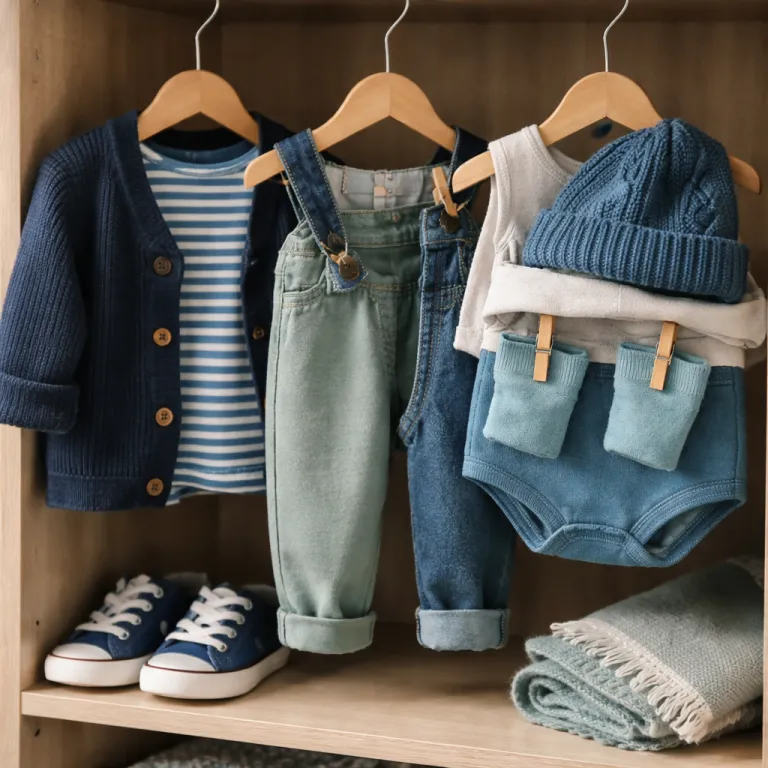
Why a toddler capsule wardrobe mix and match system changes your mornings
A tight toddler capsule wardrobe mix and match plan is not about restriction, it is about freedom. When every piece in your child’s wardrobe speaks the same visual language, you gain a calm, repeatable system that turns bleary school run chaos into a 90 second decision. Think of it as editing your child’s clothes like a stylist edits a runway rack, keeping only the pieces that earn their place in daily life.
For ages two to five years, the right capsule wardrobe means fewer items yet more outfits, because each top, bottom and layer can mix and match without clashing colors or awkward sizes. Ten well chosen pieces in a kids capsule can yield thirty or more looks, simply by rotating long sleeve tops, short sleeve tees and layering pieces across a tight color palette. To picture this, imagine three bottoms, four tops and two layers; even if you skip obviously impractical pairings, you still have dozens of realistic outfits for nursery, playdates and early school days.
Start by deciding that every new item must work with at least three existing pieces in your child’s capsule wardrobes, whether for nursery, home or early school days. That single rule will quietly filter out impulse kids clothing purchases that look cute online but never quite fit, either in size or in style. Over six months, this disciplined approach to a kids wardrobe usually trims the overall price you pay for kids clothes, while your child still feels like they have endless options.

The 3-2-1 palette rule: building neutrals that actually mix and match
The backbone of any toddler capsule wardrobe mix and match strategy is the 3 2 1 palette rule. You choose three neutrals, two accent colors and one statement piece, then you hold that line across every item in the capsule wardrobe so outfits build themselves. For toddlers, neutrals do not have to mean only white and grey; chocolate, sage and soft lavender behave like modern neutrals while hiding playground stains better than pure white.
Begin with three base neutrals for your kid or baby, for example stone, cocoa and a muted navy, then repeat those colors across bottoms, long sleeve tops and outer layers. Add two accent colors that feel joyful for your child, perhaps a dusty rose and a deep teal that work across different siblings, but keep them flexible enough that hand downs between children still feel stylish. The final one statement item in your wardrobe kids plan might be a printed sweatshirt or patterned dress that still sits inside the same color palette, so it can mix match effortlessly with every other piece.
When you apply this 3 2 1 system, even accessories like beanies or a grey balaclava follow the same colors, which makes layering pieces visually coherent on rushed mornings. For styling outerwear and headwear within a minimalist kids capsule, guides on how to style a grey balaclava for kids show how one neutral accessory can anchor multiple outfits. Over time, this disciplined use of color will make your kids clothes feel curated rather than chaotic, while your child still looks playful, not over planned.
The 10 essential pieces: what earns a place in a toddler capsule
To triple outfit options with only ten basics, you need a precise list of pieces, not a vague idea of fewer clothes. For a toddler between two and five years, a strong toddler capsule wardrobe mix and match set might include three bottoms, four tops, two layers and one personality item that reflects your child’s quirks. Each item must work hard across home, playground and early school settings, or it does not belong in the capsule.
For bottoms in a kids wardrobe, think one pair of organic cotton joggers, one pair of sturdy denim or twill trousers with reinforced knees, and one pair of soft leggings or wide leg pants that allow full movement. Tops might include two short sleeve tees and two long sleeve tees in breathable cotton, all in your chosen colors and in a size that allows at least one growth spurt without looking sloppy. Layers should cover one zip hoodie or cardigan and one slightly smarter knit or overshirt, both designed as layering pieces that slide over any of the tops without bunching.
The tenth item is your personality piece, perhaps a Morley dress in a signature print, a quilted jacket or a graphic sweatshirt that your child reaches for constantly. For inspiration on making a single hero dress work across many outfits, styling notes such as how to style a Morley dress for kids show how one item can anchor a whole mini wardrobe. When every one of these ten items can mix match with every other, you suddenly have a capsule wardrobe that feels expansive, not sparse.
- 3 bottoms: joggers, durable trousers, leggings or wide leg pants
- 4 tops: two short sleeve tees, two long sleeve tops
- 2 layers: hoodie or cardigan, smarter knit or overshirt
- 1 personality piece: printed dress, quilted jacket or graphic sweatshirt
Fabric, fit and function: where minimalist kids style meets real life
A toddler capsule wardrobe mix and match plan only works if the fabrics and fits survive real childhood, not just photos. Prioritise natural fibres like cotton and especially organic cotton, because they breathe, wash easily and feel soft against sensitive baby skin and older child skin alike. Stretch content matters too; a touch of elastane in leggings or joggers lets a kid climb, squat and sprawl without seams digging in.
For tops, choose medium weight cotton jersey for both short sleeve and long sleeve styles, so they layer smoothly without overheating under knitwear or jackets. Look for kids clothing with flat seams, tagless labels and ribbed cuffs that can be turned up or down, which extends the wearable years of each piece as your child grows in size. When you are shopping, check that every item in your kids capsule is machine washable at 30 or 40 degrees and can tumble dry on low, because anything that demands hand washing will simply not be worn enough.
Function also means thinking about school readiness, even if your child is still in nursery or at home. Elasticated waists, easy snaps and wide necklines help a child manage toilet trips and outfit changes without constant adult help, which is a quiet form of independence. If you want deeper guidance on fit and adaptive details for different body types, resources on adaptive and size inclusive kids fashion show how a thoughtful kids wardrobe can support comfort and confidence for every child.
Seasonal tweaks, hand downs and the real price of a toddler capsule
The beauty of a toddler capsule wardrobe mix and match approach is that you do not start from zero every season. You keep the core ten pieces, then rotate two or three seasonal items, such as swapping fleece lined joggers and a padded coat for lighter shorts and a summer capsule dress or romper. Because your colors stay consistent, new seasonal items slide into the existing wardrobe kids system without visual noise.
For warm months, you might add one pair of lightweight cotton shorts, one breezy short sleeve top and one sun hat, all in the same color palette as the rest of the kids capsule. In colder weather, you bring in thermal leggings as layering pieces, a long sleeve base layer and perhaps a wool blend beanie, again in neutrals that mix match with every outfit. Over several years, this approach lets you pass hand downs between siblings or cousins, because gender neutral colors and simple cuts make kids clothes feel timeless rather than tied to one child.
Financially, a focused kids wardrobe often cuts total clothing price over six months compared with ad hoc buying. Instead of constant small purchases of kids clothes that do not coordinate, you invest in fewer, better items that your child wears on repeat, which is exactly how minimalist kids style earns its keep. The quiet test for every purchase is simple; will this piece work with at least three others, and will a real child want to wear it after the first spill and the third wash.
FAQ
How many pieces should be in a toddler capsule wardrobe mix and match set ?
For most toddlers, ten to twelve core pieces create enough variety without clutter. Aim for three bottoms, four tops, two layers and one or two personality items that still fit your color palette. This structure keeps outfits fresh while staying easy to manage.
Can a toddler capsule wardrobe work for both baby boy and baby girl siblings ?
Yes, if you choose mostly gender neutral colors and simple silhouettes, many items can move between a baby boy and a baby girl. Focus on organic cotton basics, elasticated waists and unisex prints rather than overtly gendered graphics. This makes hand downs feel intentional instead of second best.
How do I handle rapid size changes in a kids capsule wardrobe ?
Buy slightly generous sizes in bottoms and layers, then use adjustable waists and cuffed hems to bridge growth spurts. Tops can be closer to true size, because an oversized long sleeve tee quickly looks sloppy on a small child. Review fit every three to four months and rotate out only what is truly too small.
What is the best fabric for a minimalist kids capsule in summer ?
Lightweight cotton and organic cotton are ideal for a summer capsule, because they breathe and wash easily. Choose short sleeve tops and airy bottoms in these fabrics, then add one long sleeve layer for cooler evenings. Avoid heavy synthetics that trap heat and show sweat marks.
How do I keep a capsule wardrobe interesting for style conscious kids ?
Let your child help choose the accent colors and one personality piece, such as a printed sweatshirt or special dress. Rotate accessories like hats, socks and scarves within the same palette to refresh outfits without adding many new clothes. This balance respects their taste while keeping the overall system coherent.