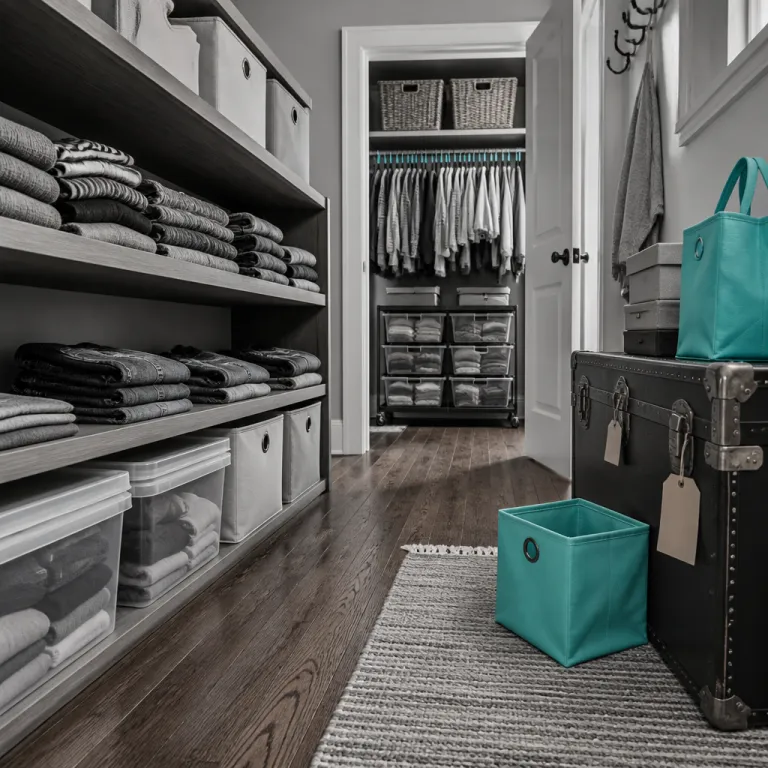
Why most hand me down systems fail before the clothes do
Most parents blame worn fabric, not the real culprit, when hand me down plans collapse. In reality, hand me down kids clothes storage usually fails because garments vanish into chaotic bins, get filed under the wrong size, or resurface long after the younger child has outgrown them. If you want your favourite baby denim dungarees or organic cotton tees to live a second life, you need a deliberate hand me down system, not another overstuffed small bin under the bed.
Start with a ruthless edit of every piece of kids clothing before it ever enters storage. Lay the clothes flat, run your hand slowly over knees, elbows, and seat, and decide whether this potential hand me down is truly worth the space it will occupy for months at a time. A clear keep versus pass on decision at this stage will help you avoid storing items that no future boy or girl will actually wear.
Create three piles on the floor; one for hand me downs you will keep, one to sell or donate, and one textile recycling pile for pieces that have lived their life. The keep pile should only include clothes in excellent condition, timeless enough to suit both a boy and a girl, and made from fabrics that tolerate long storage without drama. Trend heavy prints, scratchy tulle, or anything that never suited your child in the first place should move straight to the sell or donate stack instead of haunting your closet for another season.
The sorting system: size, not season, as your organizing backbone
Once you have edited, the real magic of hand me down kids clothes storage organization begins with how you sort. Forget the classic spring fall split; the most efficient system for kids is to sort by clothing size, because children grow in unpredictable spurts that ignore the calendar. When a younger child suddenly jumps a size mid season, you want a ready to grab bin of next size clothing, not a mystery tower of storage bags labelled only by weather.
Use one clear bin for each size range, such as 50 to 56 for a newborn baby, 62 to 68 for early infancy, and so on up through the primary school years. Label the front of every storage bin with both the size and a short list of key items inside, such as “outerwear, knitwear, occasion clothes” so that future you can store memories and find what you need in seconds. This approach to organizing hand me downs by size rather than season will help you rotate wardrobes quickly when a boy or girl suddenly outgrows half the closet overnight.
Within each bin, group similar items together using smaller storage bags or fabric pouches, keeping socks, underwear, and accessories from tangling with delicate clothing. A dedicated small bin for shoes and another for hats and scarves prevents heavy items from crushing lighter knits over time. When you are planning cosy sleepwear for the shoulder seasons, you can pair this system with breathable bamboo pyjamas, such as those highlighted in this guide to spring ready bamboo sleepwear for kids, and file them straight into the correct size based bin.
Smart storage: from vacuum sealed bags to the transition box
Good hand me down kids clothes storage organization respects fabric as much as it respects future family budgets. Think of your storage as a climate controlled mini boutique for kids, where each piece of clothing is stored according to its fibre needs and the time until the next child will wear it. As a rule of thumb, most textiles stay happiest in a cool, dry space around 18 to 21°C with moderate humidity (about 40 to 55 percent) to avoid both mildew and brittle fibres.
Cotton basics, denim, and technical outerwear tolerate vacuum sealed compression well, while hand knit cardigans, silk party dresses, and puffy down garments need breathable space. Textile conservators generally caution against long term compression for wool and down because it can crush loft and create permanent creases, so reserve vacuum bags for sturdy, washable items. Use vacuum sealed storage bags for bulky but robust pieces such as padded snowsuits, ski trousers, and heavy hoodies, especially when you want to maximize space in a small apartment.
These bags will help you store clothes from multiple boys and girls in one deep drawer or under bed bin without inviting dust or moths. For delicate knitwear and heirloom baby pieces, choose rigid bins with a tight lid, line them with acid free tissue, and leave a little air so the fibres can relax rather than crease permanently. The most underrated tool in any hand me down system is the transition box, a single bin that lives inside the active kids closet and bridges the gap between storage and everyday wear.
This box holds the next size clothes that are almost ready, such as slightly long jeans or a cardigan with sleeves to roll, so you can swap items in real time instead of waiting for a big seasonal overhaul. When you add a new colourful cardigan or statement knit, you can rotate last season’s favourite into long term storage and take styling cues from this piece on how to style a colourful cardigan for kids while keeping the rest of the wardrobe lean.
Designing wardrobes that are born to be handed down
Hand me down kids clothes storage organization starts long before you reach for a bin; it begins at the rail when you choose what to buy. A wardrobe designed for hand me downs favours gender expansive colour palettes, durable fabrics, and silhouettes that suit both a toddler and a school age child. Think caramel twill trousers, indigo denim, Breton stripes, and soft terry sweatshirts that look equally sharp on a boy or a girl.
When you shop, run a quick mental test for every piece of clothing; ask whether at least two kids will want to wear it and whether the fabric can handle repeated washing and long storage. Organic cotton jerseys, GOTS (Global Organic Textile Standard) certified sweatshirting, and recycled nylon outerwear usually pass this test, while cheap glitter prints and stiff tulle often fail after one season. Shoes, tights, and underwear rarely make good hand me downs, so focus your investment on coats, knitwear, and everyday trousers that can rotate through several children without losing shape.
Inside the kids closet, hang the most worn items at child height and reserve the upper shelf for a neat row of labelled bins containing future sizes. This vertical system will help you keep hand selected pieces visible while hiding the visual noise of extra storage. For accessories such as wooden bead necklaces or small treasures, a dedicated jewellery tray or a wall mounted rack inspired by the curation in this edit of wooden jewellery for kids keeps tiny items from disappearing into the depths of a drawer.
Seasonal transitions: turning chaos into a repeatable ritual
The real test of any hand me down kids clothes storage organization comes during seasonal transitions, when wardrobes feel like revolving doors. Instead of a frantic weekend of sorting every spring fall, treat the change of light and temperature as a calm ritual that respects both your time and the clothes. Set aside one afternoon to pull everything from the closet, assess fit on each child, and move outgrown items straight into the correct size labelled bin.
As you handle each piece of clothing, check seams, knees, and cuffs for wear, and decide whether a quick repair will extend its life or whether it belongs in the recycling pile. Simple fixes such as darning a small hole in a wool jumper or reinforcing a hem on twill trousers often mean the clothes will survive another child with ease. When a piece is too tired for hand me downs but still structurally sound, consider upcycling it into pyjama shorts or art smocks instead of letting it occupy precious storage space.
During this seasonal reset, keep one small bin or basket nearby for items that are too big now but perfect for the next growth spurt. This live edit of future clothes will help you avoid duplicate purchases and ensures that when the next boy or girl hits a new size, you can move clothes from the current season into storage and slide the ready to wear pieces straight into rotation. Over time, this repeatable system turns what used to be wardrobe chaos into a quiet, sustainable rhythm where the hand me down tradition feels effortless, not overwhelming, and where style is measured not by what photographs well, but by what survives the playground.
FAQ
How many hand down bins do I really need for two kids?
For two kids close in age, most families manage well with one storage bin per size range plus one transition box in the active closet. That usually means four to six main bins covering baby through early primary sizes, depending on how much clothing you keep. If your space is tight, prioritize vacuum sealed bags for bulky outerwear and use fewer, more carefully edited bins for everyday items.
Should I store clothes by gender or keep everything neutral?
Storing by size rather than by gender is usually more efficient, especially as gender neutral dressing becomes more common in kids fashion. Grouping all size 98 to 104 pieces together, for example, lets you see quickly what a younger child can wear next, whether they are a boy or a girl. You can still note traditionally gendered pieces on the label, but avoid separate boy and girl bins that double your storage needs.
Are vacuum sealed bags safe for all types of kids clothing?
Vacuum sealed storage bags work well for sturdy fabrics such as denim, cotton fleece, and technical outerwear that can handle compression. They are less suitable for delicate knitwear, down filled jackets, or garments with structured details, which can lose loft or crease permanently over time. A mixed system, using vacuum bags for bulk and breathable bins for fragile pieces, usually offers the best balance between fabric care and space saving.
How do I decide whether a worn piece is worth repairing for hand downs?
Look at both the quality of the original garment and the location of the damage before committing to repair. High quality coats, knitwear, and trousers in timeless cuts are usually worth mending, especially if the rest of the fabric is still strong. Fast fashion pieces with thin fabric, multiple weak points, or uncomfortable fits rarely justify the time or cost of repair for future hand downs.
What is the best way to track what I have in storage so I do not overbuy?
Simple, visible labelling is more effective than complex digital systems for most busy parents. Write the size range and a short list of key items on the front of each bin, and keep a single page inventory taped inside the closet door for quick reference. When you add or remove pieces, update the list immediately so you know exactly what is waiting in storage before you buy anything new.